


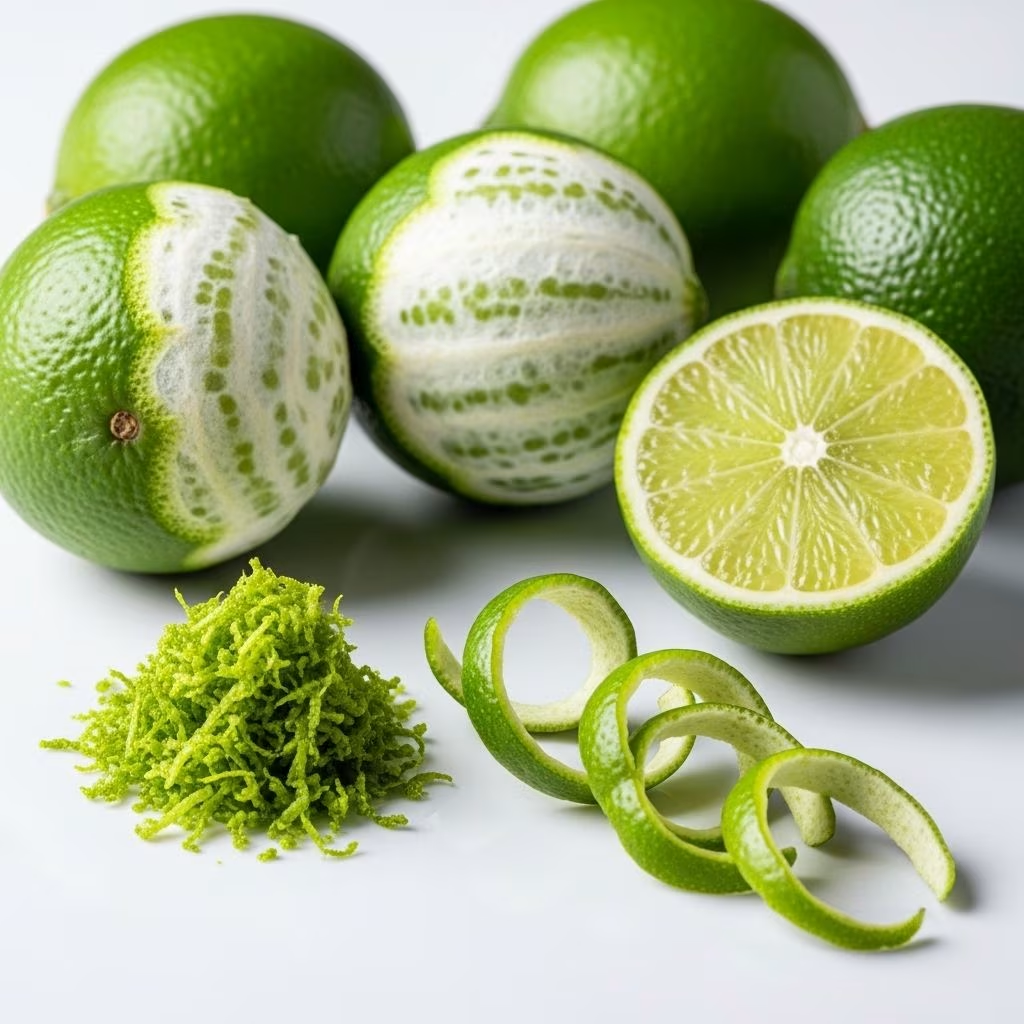
Lime peel, encompassing both the zest and the rind, is a vibrant and aromatic component of lime fruit that unlocks intense flavor and surprising health benefits. From its tangy zest to the slightly bitter white pith, lime peel is prized for both culinary creativity and nutritional advantages. This comprehensive guide reveals what lime peel is, differentiates zest and rind, details its benefits, culinary and household uses, and explores its distinctive taste profile.
What Is Lime Peel?
The lime peel refers to the tough outer skin of the lime fruit. It consists of two main components: the brightly colored outer layer (zest) and the underlying spongy white part (pith). The peel serves a protective purpose for the lime, but is also packed with aromatic oils and bioactive compounds, making it a unique ingredient in many kitchens around the world.
Why Is Lime Peel Valued?
- Flavor Enhancement: Provides intense citrus aroma and taste not found in the flesh alone.
- Nutritional Benefits: Contains higher concentrations of certain nutrients compared to lime juice.
- Versatility: Used in both sweet and savory dishes, beverages, household cleaners, and beauty applications.
Components: Zest vs. Rind vs. Pith
Understanding the parts of the lime peel is critical to unlock its full potential:
| Component | Description | Common Uses |
|---|---|---|
| Lime Zest | The thin, colored outermost layer; packed with essential oils, intensely aromatic and flavorful. | Cooking, baking, cocktails, garnishes. |
| Lime Rind | Zest plus the attached white spongy layer (pith); overall, the entire peel minus the juicy pulp. | Making marmalades, flavor infusions, candied peel, zest powder. |
| Pith | The white, spongy inner peel; bitter, with less flavor and more fiber. | Typically avoided in zesting; used in candied peels (after blanching) or for fiber content. |
Methods to Separate Zest and Rind
- Use a fine grater or microplane to remove just the zest.
- For using the rind, peel the fruit with a vegetable peeler or knife, trying to minimize the white pith attached for less bitterness.
Nutritional Composition of Lime Peel
Lime peel is surprisingly nutritious and contains substances highly concentrated in the outer layer compared to the juice or flesh.
- Dietary Fiber: Significant levels, primarily insoluble fiber.
- Vitamin C (Ascorbic Acid): Higher concentration in the peel than the juice.
- Flavonoids: Antioxidant phytochemicals that support overall health.
- Essential oils: Limonene, citral, and other compounds giving citrus aroma and flavor.
- Calcium, potassium, and trace minerals.
Interestingly, much of the citrus fruit’s antioxidant and immune-boosting potential resides in the peel rather than the juice.
Health Benefits of Lime Peel
Regular moderate consumption of lime peel is associated with several health benefits, many due to its concentration of antioxidants, essential oils, and dietary fiber.
- Antioxidant Protection: Flavonoids and Vitamin C help neutralize free radicals, supporting immune health.
- Anti-inflammatory Activity: Citrus peels show potential for reducing inflammation in the body.
- Digestive Health: High fiber content may aid regularity and promote healthy gut bacteria.
- Heart Health: Flavonoids and fiber may help lower cholesterol levels and improve cardiovascular function.
- Support for Skin: The vitamin content and essential oils may benefit skin both when ingested and used topically in diluted form.
- Antimicrobial Properties: Lime peel compounds exhibit mild antimicrobial effects, sometimes used in home remedies.
It is important to note that while these properties are supported by nutritional science, lime peel should be consumed in moderation and preferably from organic sources to minimize risk from pesticide residues.
Culinary Uses of Lime Peel
Lime peel is a star ingredient in various global cuisines. Its applications are as diverse as its flavor.
Using Fresh Lime Zest
- Garnishing: Finish desserts, salads, and seafood with a sprinkle of fresh zest for a burst of aroma.
- Flavor Base: Add zest to dressings, marinades, and sauces for extra citrus flavor without sourness.
- Baking: Essential in cakes, muffins, and breads—lime zest imparts a lively note to sweets.
- Beverages: Muddle zest into cocktails (like gimlet or mojito), infuse in teas, or use as a flourish in mocktails and smoothies.
Lime Peel Powder
Dry the zest or thin rind strips and grind to make lime peel powder. Use it for:
- Seasoning Blends: Combine with salt, herbs, or spices for a flavorful rim on glasses or as a sprinkle for salads and vegetables.
- Avocado Toast: Substitute for lemon juice; add umami and zestiness to mashed avocado on toast.
- Meat and Fish Rubs: Include in seasoning rubs for pork, chicken, or fish for a unique citrus lift.
- Baked Goods: Mix into doughs, scones, or pie filling for a concentrated citrus aroma.
Candied Lime Peel
Candied lime peel is a sweet, chewy treat that transforms bitter pith and zest into an edible confection, commonly used in European and Asian desserts.
- Sugar-coat and dry the blanched peel for snacking, or use chopped as a topping for cakes and pastries.
- Mix into fruitcakes, panettone, holiday breads, and cookies.
- Decorate hot cross buns or garnish ice cream and custards.
Preparation Tip: Multiple blanchings help soften bitterness and deliver a tender, citrusy result.
Infusions and Extracts
- Steep lime peel in alcohol to craft homemade bitters or zest-flavored extracts.
- Infuse sugar with lime zest for use in baking or sweetening beverages.
How to Prepare and Store Lime Peel
Preparation
- Washing: Rinse limes thoroughly under hot water to remove waxes and surface contaminants. Organic limes are preferable.
- Zesting: Use a microplane or citrus zester to remove the colored outer peel only, avoiding the bitter white pith.
- Peeling: For candied or dried peel, use a vegetable peeler or paring knife to cut strips, then trim excessive pith as needed.
Making Lime Peel Powder
- Dry zest or thinly sliced peel strips in a food dehydrator or a low oven until completely dry.
- Grind into a powder using a spice grinder or coffee mill.
- Store in an airtight container in a freezer for maximum freshness and aroma retention; handle quickly as oxygen and light degrade flavor compounds.
Freezing and Storing
- Fresh zest can be tightly wrapped and refrigerated for several days or frozen for longer periods.
- Peel powder keeps for months if stored cold and dry.
- Candied peel should be stored in an airtight container at room temperature and consumed within a few weeks.
Household & Other Uses of Lime Peel
Lime peel’s utility extends beyond the kitchen. Its aroma and oils lend themselves to eco-friendly household applications:
- Natural Cleaner: Infuse vinegar with lime peel for an all-natural surface spray with antibacterial and deodorizing properties.
- Deodorizer: Dry peels placed in shoes, closets, or garbage bins help neutralize odors.
- Pest Repellent: The strong citrus scent discourages some household insects.
- Beauty and Skincare: Lime peel is incorporated (carefully, and in dilution) into exfoliating scrubs or foot soaks for its fragrance and mild astringent effect.
Taste Profile of Lime Peel
The peel of a lime delivers a complex flavor experience:
- Zest: Bright, tangy, fragrant, intensely citrusy, and bitter-sweet.
- Rind and Pith: More bitter, slightly floral, with less vibrant citrus notes and increased fibrousness.
Heating and candying transform the bitterness into a gentle sweetness with underlying zestiness and perfumed flavors.
How Lime Peel Differs from Lemon and Orange Peel
| Citrus | Main Aromas | Flavor Notes |
|---|---|---|
| Lime | Lively, floral, slightly spicy | Bitter-sweet, tart, sharper than lemon |
| Lemon | Fresh, clean, slightly sweet | Milder, less bitter, bright but not as spicy as lime |
| Orange | Sweet, mild | Sweet, very mild bitterness, less tangy than lime or lemon |
Risks and Precautions
- Pesticides: Non-organic lime peels may carry pesticide residues. Always wash thoroughly or choose organic where possible.
- Bitterness: Excessive consumption of the pith can make dishes unpleasantly bitter.
- Essential Oil Sensitivity: Some individuals may be allergic or sensitive to citrus oils; introduce lime peel into diets gradually.
Frequently Asked Questions (FAQs)
Q: Is lime zest and lime peel the same?
A: Lime zest refers solely to the thin, colored outer layer of the peel containing concentrated essential oils. Lime peel includes both the zest and the white pith beneath, which is more bitter but also edible in moderation.
Q: What is the best way to zest a lime?
A: Use a fine microplane or citrus zester, scraping only the green outer layer and avoiding the bitter white pith for a purely citrusy aroma and flavor.
Q: Can you eat lime peel raw?
A: Yes, lime peel can be consumed raw in small amounts, especially the zest. However, ensure it is properly washed and from an organic source to avoid pesticides. The pith is bitter and may be less palatable raw.
Q: How do I make candied lime peel?
A: Boil thin strips of lime peel multiple times to reduce bitterness, then simmer in sugar syrup and dry. Coat with sugar for a chewy, sweet treat or baking ingredient.
Q: Can lime peel be used in tea?
A: Absolutely. Add fresh or dried zest and/or a little peel to hot water or tea for a fragrant citrus infusion.
Q: Does freezing affect the flavor of lime peel?
A: Freezing helps preserve flavor and aroma, especially with zest or peel powder. Store in an airtight container, minimizing air exposure.
Final Thoughts
The humble lime peel, far from being mere waste, stands out as a culinary and nutritional treasure. Whether you are zesting for a splash of flavor, candying for a sweet snack, or harnessing its natural oils for cleaning and wellness, lime peel elevates both your cooking and your health. With mindful sourcing and preparation, every part of the lime—from peel to pulp—can be enjoyed to its fullest potential.
References
- https://5-flavours.blogspot.com/2020/04/lime-peel-powder.html
- https://www.garlicandzest.com/how-to-make-candied-citrus-peel-from-scratch/
- https://www.chefpriyanka.com/fresh-candied-lime-peel/
- https://zerowastechef.com/2016/01/28/10-ideas-to-rescue-citrus-peels/
- https://food52.com/blog/28633-hotline-leftover-citrus-peel-recipe
- https://www.limoneira.com/12-creative-ways-to-use-citrus-peels/
- https://www.youtube.com/watch?v=So7N3zlyQig
- https://www.hungryonion.org/t/dried-lime-peel/31931


