


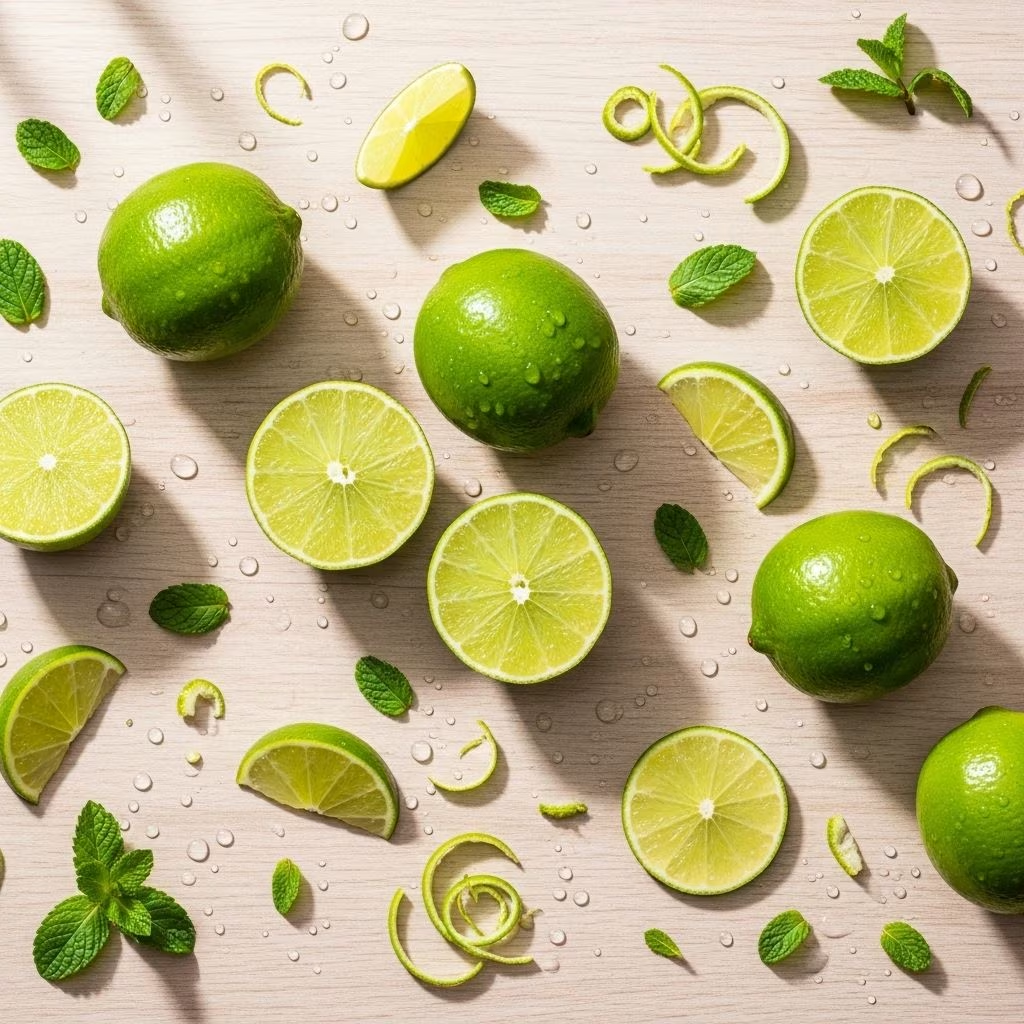
Limes are vibrant, aromatic citrus fruits cherished for their tangy flavor, versatility in culinary traditions, and numerous health benefits. From classic cocktails to savory dishes and even wellness remedies, limes occupy a distinguished spot in the world’s kitchens and households. This comprehensive guide explores every facet of limes, including their origin, varieties, nutritional value, health benefits, ways to use them, and what makes their taste so unique.
What Is Lime? Definition and Botanical Background
Limes are small, round to oval citrus fruits known for their vivid green rind and tart flavor, produced primarily by hybrids within the genus Citrus in the Rutaceae family. Unlike some fruits, limes only ripen on the tree (non-climacteric), and their peak flavor and acidity are achieved while the skin is still green. If left to ripen, many limes may turn yellowish, though they are usually harvested while still green for optimal taste and juice content.
Global cultivation of limes is extensive, with key production centers in tropical and subtropical regions, including Mexico, India, Brazil, Egypt, and the United States.
- Scientific genus: Citrus
- Family: Rutaceae
- Origin and Distribution: Native to Southeast Asia; now widely cultivated globally
- Plant description: Shrub-like small trees, evergreen leaves, fragrant white flowers, thorns on branches
- Fruit size: Typically 3–6 cm (1–2.5 in) in diameter
Lime Varieties and Their Characteristics
The term “lime” encompasses a range of species and hybrids, each with distinct characteristics, flavors, and uses. The most recognized varieties include the following:
- Persian lime (Citrus × latifolia): Also known as Tahiti lime, it is nearly seedless, larger, and predominantly used in commercial production. Skin is thick, bright green, and the fruit is highly juicy.
- Key lime (Citrus × aurantiifolia): Also called Mexican lime; smaller, more acidic, and contains more seeds. Fragrant, thin-skinned, and commonly used for culinary and dessert preparations.
- Makrut lime (Citrus hystrix): Recognizable for its bumpy skin and aromatic leaves, frequently used in Southeast Asian cuisines.
- Finger lime (Citrus australasica): Native to Australia, it features elongated fruit with caviar-like vesicles inside.
- Sweet lime (Citrus limettioides): Contains much less citric acid, making the flavor mild and sweet. Popular in parts of the Middle East and India.
- Blood lime: A hybrid known for its reddish interior and tangy flavor.
Each variety serves unique culinary, aromatic, and ornamental purposes around the world.
Nutritional Value of Limes
Limes pack a nutritional punch despite their modest size and few calories. Here’s a typical nutritional breakdown per 100 grams of fresh lime:
| Nutrient | Amount (per 100g) |
|---|---|
| Calories | 30–32 |
| Water | 88% |
| Carbohydrates | 11 g |
| Sugars | 1.7 g |
| Fiber | 2.8 g |
| Fat | 0.2 g |
| Protein | 0.7 g |
| Vitamin C | 29–32 mg (approx. 35% of daily value) |
| Potassium | 102 mg |
| Folate | 8 μg |
Key nutritional highlights:
- Rich source of vitamin C, an important antioxidant for immune function and skin health.
- Low in calories and fat, yet provides dietary fiber and small amounts of minerals such as potassium.
Health Benefits of Limes
Consuming limes offers a variety of health-promoting properties:
- Immune System Support: High vitamin C content helps boost immunity and aids in fighting off infections.
- Antioxidant Protection: Limes contain natural antioxidants (flavonoids, ascorbic acid) that help combat free radicals, reducing oxidative stress and inflammation.
- Iron Absorption: The vitamin C in lime juice enhances non-heme iron absorption from plant sources, beneficial for vegetarians and vegans.
- Heart Health: Antioxidants may help lower blood pressure and promote vascular health.
- Skin Health: Vitamin C assists collagen formation, essential for healthy, youthful skin.
- May Aid Digestion: The acidity and unique plant compounds in limes may stimulate saliva and digestive juices, helping to improve digestive health.
- Weight Management: Limes are low in calories, hydrating, and can add flavor to foods and drinks without added sugar.
- Potential Antimicrobial Properties: Limes have been traditionally used to fight bacterial infections and preserve foods due to their acidity.
Culinary Uses of Limes
Limes are highly prized in global cuisines for their versatility. Their juice, zest, pulp, and even leaves are integral in enhancing the flavor profile of countless dishes:
- Marinades and Dressings: The acidity helps tenderize meats and balances complex flavors in sauces, vinaigrettes, and ceviches.
- Curries and Stir-Fries: Lime juice adds brightness and zest to Thai, Indian, and Caribbean dishes.
- Desserts: Lime zest or juice is central to desserts like Key lime pie, lime tarts, sorbets, and cakes.
- Garnishes: Lime wedges accompany dishes such as tacos, grilled fish, soups, and salads across cultures.
- Preserves and Pickles: Used in chutneys, pickled lime, and citrus preserves.
- Infused oils and salts: Dehydrated lime zest or slices are used to infuse finishing oils and flavored salts.
Lime in Beverages
- Lime Juice: A refreshing, tangy base for limeade and a common ingredient in numerous mixed drinks, both alcoholic and nonalcoholic.
- Cocktails: Iconic drinks like margaritas, mojitos, caipirinhas, and gin & tonic all depend on the zesty kick of lime.
- Teas and Infusions: Lime rind and juice are sometimes steeped in hot teas or cold infusions for flavor and aroma.
- Sparkling Drinks: Lime is often combined with carbonated water for a calorie-free zest.
Lime-flavored drinks are especially prized for their ability to cut through sweetness or richness, refreshing the palate.
Lime in Medicine and Wellness
Beyond the kitchen, limes have long held a role in wellness and traditional medicine:
- Historical uses: Limes were famously used by sailors to prevent scurvy, a vitamin C deficiency disease (origin of the term “limey”).
- Hydration and Detox: Adding lime to water is said to improve flavor and encourage fluid intake. Some wellness regimens use lime water for perceived detoxification benefits.
- Aromatherapy: Lime essential oil, extracted from the peel, is used in aromatherapy products for its invigorating and uplifting effects.
- Traditional Medicine: Across Asia, the Middle East, and Latin America, limes have been used to treat throat infections, fevers, and indigestion, though scientific evidence may vary.
Taste Profile: What Does a Lime Taste Like?
The taste of lime is characteristically tart and sharp, a reflection of its high levels of natural citric acid. Most limes are more acidic and slightly sweeter than lemons, with subtle floral or herbal notes depending on the variety.
Some limes, such as the sweet lime, are far milder due to a lower citric acid content, offering a gently tangy, refreshing flavor with hints of sweetness.
- Aroma: Distinctly zesty, citrusy, with green, fresh undertones
- Mouthfeel: Juicy, often causing a salivary response due to acidity
When used in food and drinks, limes impart a vibrant brightness and clean finish that enhances both sweet and savory dishes.
Lime vs. Lemon: Key Differences
| Lime | Lemon | |
|---|---|---|
| Color | Green (may turn yellow when overripe) | Yellow |
| Shape | Round to oval | Oval, with pointed ends |
| Size | Smaller | Larger |
| Juice Content | Higher | Lower |
| Flavor | Zestier, more acidic | Milder, slightly sweeter |
| Potassium | Lower than lemon | About twice that of lime |
| Shelf Life | Shorter | Longer |
Limes and lemons are both citruses and share several uses but are distinctly different in flavor, appearance, and horticultural requirements.
How to Buy and Store Limes
- Choosing limes: Look for fruit that feels heavy for its size, with glossy, smooth skin and no brown spots or shriveling.
- Storage: Fresh limes can be stored at room temperature for about a week or in the refrigerator (in a ventilated bag or crisper drawer) for up to a month.
- Preparation: Wash thoroughly before zesting or juicing. Rolling a lime under the palm before cutting helps release more juice.
- Preservation: Limes can be frozen whole or as juice, or preserved as dried slices or zest for flavoring.
Potential Side Effects and Considerations
- Acidity: The high citric acid content may irritate sensitive stomachs or exacerbate symptoms of acid reflux in some individuals.
- Dental Health: Repeated exposure to lime juice may erode tooth enamel—rinsing the mouth after consumption helps minimize damage.
- Allergies: Rarely, citrus fruits can cause allergic reactions.
- Skin Sensitivity: Contact with lime juice (especially under sunlight) can cause phytophotodermatitis, a skin reaction resulting in dark spots or blisters. Wear gloves and wash hands thoroughly if handling large amounts.
Frequently Asked Questions (FAQs)
Q: What is the difference between Key lime and Persian lime?
A: Key limes are smaller, rounder, more acidic, and contain more seeds than Persian limes, which are larger, nearly seedless, and milder in flavor.
Q: Is it safe to eat limes every day?
A: Generally, yes—limes are a healthy addition to most diets, though individuals with citrus allergies or acid-sensitive conditions should moderate intake.
Q: Are limes good for weight loss?
A: Limes are low in calories and can enhance the flavor of foods and drinks without added sugar, making them supportive of weight management nutrition.
Q: Can I use lime instead of lemon?
A: Although their flavors differ, lime can often substitute for lemon in recipes, imparting a zestier, sharper tang. Adjust quantities to taste due to their higher acidity.
Q: Do limes continue ripening off the tree?
A: Limes are non-climacteric fruits and do not significantly ripen once picked. Their best flavor and texture are achieved at harvest.
In summary, limes are indispensable for their bold flavor, culinary versatility, and impressive nutritional profile. Enjoy them in drinks, dishes, wellness routines, and more—while appreciating this ancient fruit’s ongoing journey from tropical groves to kitchens everywhere.
References
- https://en.wikipedia.org/wiki/Lime_(fruit)
- https://www.britannica.com/plant/lime
- https://kids.britannica.com/kids/article/lime/399526
- https://plantura.garden/uk/fruits/lime-tree/lime-tree-overview
- https://www.aprifel.com/en/nutritional-sheet/lime/
- https://www.healthline.com/nutrition/limes
- https://www.mccormickfona.com/articles/2014/06/lime-by-the-numbers
- https://foodrevolution.org/blog/lime-health-benefits-and-downsides/
- https://www.medicalnewstoday.com/articles/304448


