


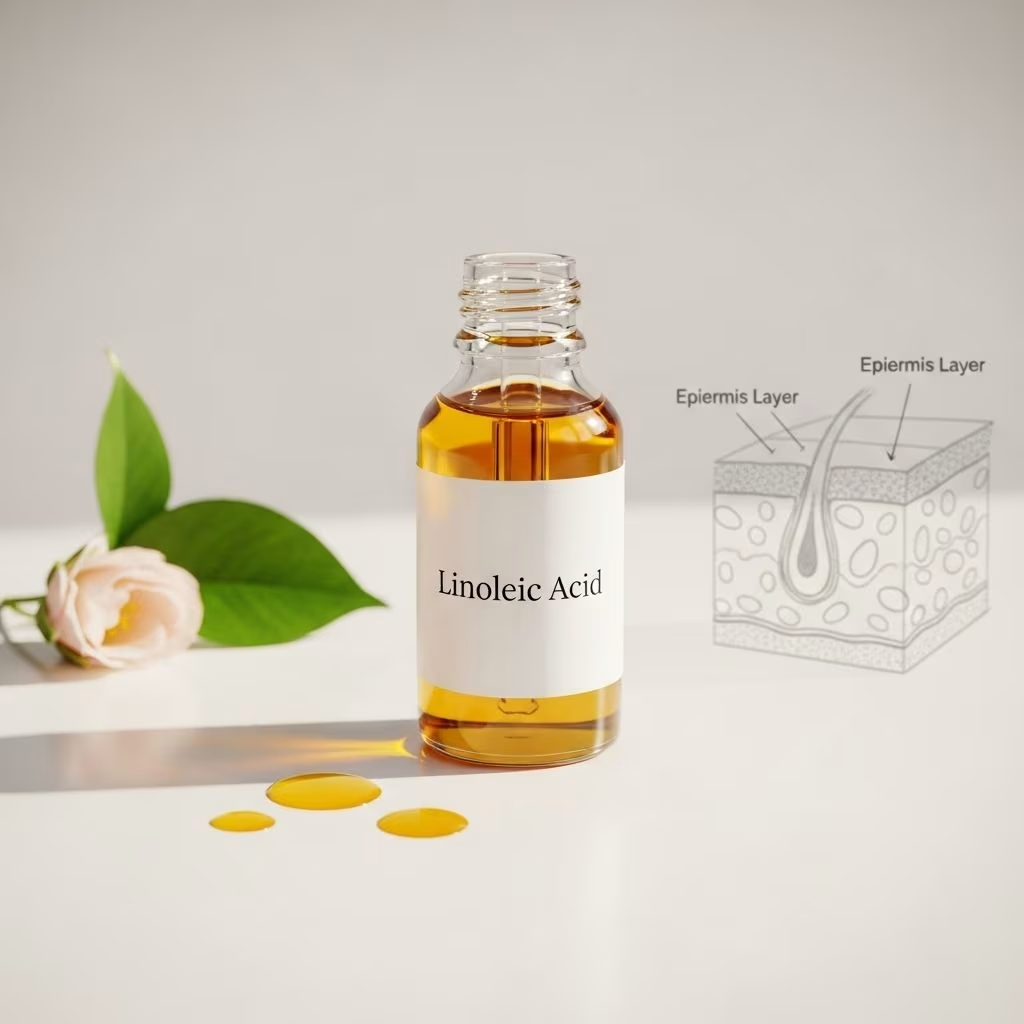
Linoleic acid has emerged as a cornerstone ingredient in modern skincare, valued for its profound impact on skin health, hydration, and protection. As a vital omega-6 fatty acid, it not only supports a resilient skin barrier but also addresses conditions like dryness, inflammation, and acne.
In this comprehensive guide, discover how linoleic acid works, its extensive benefits, best uses in your routine, and what to consider regarding side effects and safety.
What is Linoleic Acid?
Linoleic acid (LA) is an essential polyunsaturated omega-6 fatty acid. The human body cannot synthesize it; it must be obtained through diet or topical products.
It is a crucial building block in the structure of cell membranes and the skin’s lipid barrier, influencing hydration, resilience, and cellular function.
Rich natural sources include plant oils such as sunflower oil, safflower oil, grape seed oil, and evening primrose oil.
Main Characteristics of Linoleic Acid
- Plant-derived, non-comedogenic fatty acid
- Key component of ceramides in the skin barrier
- Rapidly absorbed, lightweight, and suitable for most skin types
- Chemically denoted as 18:2, ω-6 (18 carbons, 2 double bonds)
Key Benefits of Linoleic Acid for Skin
Scientific research and clinical experience consistently highlight linoleic acid’s multiple skin benefits:
- Strengthens the Skin Barrier: Enhances production of ceramides—lipids vital for skin’s outermost protection—reducing transepidermal water loss and boosting hydration.
- Deep Hydration: Locks in moisture, benefiting dry and dehydrated skin while improving overall suppleness and elasticity.
- Reduces Inflammation: Offers anti-inflammatory properties, making it effective for soothing irritated, sensitive, or inflamed skin conditions (e.g., eczema, dermatitis).
- Supports Skin Healing & Wound Repair: Promotes skin renewal, accelerates wound healing, and assists in repair of a damaged barrier.
- Controls Acne & Balances Sebum: LA-deficient sebum is thicker and more likely to clog pores. Supplementation normalizes oil composition, unclogs pores, and may reduce acne lesions.
- Antioxidant Protection: Neutralizes damaging free radicals and offers photoprotection against environmental aggressors like UV rays and pollution.
- Improves Skin Texture & Tone: Aids cell turnover and desquamation, resulting in smoother skin and a reduction in hyperpigmentation and fine lines.
- Anti-aging Effects: By supporting structural integrity and collagen production, helps reduce appearance of wrinkles and maintain youthful skin.
Table: Linoleic Acid Benefits Compared to Common Skin Concerns
| Skin Concern | Linoleic Acid Benefit |
|---|---|
| Dryness & Dehydration | Replenishes lipid barrier and retains moisture |
| Inflamed / Sensitive Skin | Reduces redness and soothes irritation |
| Acne-Prone Skin | Normalizes excess sebum, clears pores |
| Premature Aging | Supports collagen; delays wrinkles |
| Environmental Damage | Shields with antioxidant and photoprotective action |
How Does Linoleic Acid Work on Skin?
Linoleic acid’s mechanism of action relies on its role in lipid metabolism and the formation of essential compounds vital to healthy skin structure and function.
- Incorporation into ceramides and omega-hydroxy-ceramides, fortifying the barrier
- Acts as a precursor to anti-inflammatory lipid mediators like prostaglandins
- Prevents the substitution of beneficial fatty acids with non-essential types, which would otherwise impair barrier function and resilience
- Promotes regulated shedding of dead skin cells (desquamation), ensuring smoothness and clarity
When applied topically, linoleic acid is readily absorbed by the stratum corneum (outermost layer). It integrates into cellular structures to replenish lipid-deficient skin and rebalance oil composition—especially crucial in skin that chronically lacks essential fatty acids.
Uses of Linoleic Acid in Skincare
Linoleic acid is versatile, included in many topical formulations and compatible with all skin types, including sensitive and oily.
Topical Applications
- Face oils and serums: High linoleic acid oils (grape seed, rosehip, safflower, evening primrose) are lightweight, fast-absorbing, and suitable for oily, acne-prone skin
- Creams and moisturizers: Often combined with other hydrating agents (like hyaluronic acid), targeting dryness, eczema, or barrier impairment
- Spot treatments for acne: Used for its unclogging, balancing, and anti-inflammatory actions
- After-procedure balms: Enhances repair following peels, lasers, or microdermabrasion
Dietary Sources and Oral Supplements
- Consuming linoleic acid-rich foods (sunflower seeds, walnuts, flaxseeds, vegetable oils) promotes skin health from within; however, the most rapid effects are seen with direct topical application.
Who Should Use Linoleic Acid?
- Individuals with dry, flaky, or irritated skin
- People prone to acne, clogged pores, or excess oil
- Those with inflammatory skin conditions (eczema, dermatitis)
- Anyone aiming to support skin barrier function or enhance anti-aging efforts
How to Incorporate Linoleic Acid into Your Routine
- Apply oils or serums containing linoleic acid after cleansing and before heavier creams
- Layer under actives such as retinol or vitamin C to minimize irritation
- Daily use, morning and evening, is generally safe and effective
Linoleic Acid vs. Other Fatty Acids
Linoleic acid is frequently contrasted with oleic acid (an omega-9 fatty acid) due to their differing skin effects.
| Fatty Acid | Key Attributes | Best For |
|---|---|---|
| Linoleic Acid | Light, quick-absorbing, strengthens barrier, non-comedogenic, anti-inflammatory, acne-fighting | Oily, combination, acne-prone, sensitive, and inflamed skin |
| Oleic Acid | Rich, more occlusive, can clog pores if used in excess, less barrier-repairing | Very dry, mature, or resilient skin types |
Choosing skincare oils high in linoleic acid is especially recommended for those experiencing breakouts or irritated, compromised skin.
Side Effects and Precautions
Linoleic acid is generally well-tolerated and low-risk, especially when topically applied. However, as with any skincare ingredient, some precautions and considerations are necessary.
- Allergic Reactions: Rare, but always perform a patch test before new product usage. Symptoms may include redness, itching, or mild swelling.
- Comedogenicity: High-linoleic oils are non-clogging, but blends with higher oleic acid can be heavy for very oily skin.
- Photostability: Some botanical sources may degrade with sun exposure; store appropriately and apply SPF as needed.
- Overuse: Excessive application, especially of oils, can disrupt skin balance; moderation is key.
- Oral Supplement Caution: Although dietary LA is safe, excessive omega-6 consumption (without balancing omega-3s) may contribute to inflammation; consult with a nutritionist if supplementing.
Who Should Be Cautious?
- Individuals with known allergy or sensitivity to ingredient source
- People with very oily skin may need to monitor for any pore-clogging if using blends high in oleic acid
- Those with skin disorders should consult a dermatologist before use
Frequently Asked Questions (FAQs)
What makes linoleic acid different from other fatty acids for skin?
Linoleic acid is lightweight, non-comedogenic, crucial for barrier repair, and particularly effective for oily and acne-prone skin—distinguishing it from heavier, pore-clogging fatty acids like oleic acid.
Can linoleic acid help with acne?
Yes. Studies confirm that linoleic acid normalizes sebum composition, reduces clogged pores, and possesses anti-inflammatory actions—all beneficial for acne management.
Is orally consumed linoleic acid as effective as topical application?
Dietary intake supports overall skin health but topical delivery provides more direct, targeted benefits for the skin barrier and hydration.
Is linoleic acid safe for sensitive skin types?
Generally, yes. Its anti-inflammatory and barrier-reinforcing properties make it suitable for sensitive or compromised skin, although a patch test is recommended.
Which skincare products contain linoleic acid?
Face oils (grape seed, safflower, rosehip), serums, moisturizers, and some spot treatments are formulated with high concentrations of linoleic acid.
Conclusion
Linoleic acid is a powerhouse ingredient with multifaceted benefits—for barrier repair, hydration, inflammation control, and acne management. Its natural compatibility with the skin’s structure makes it suitable for many skin types, especially those struggling with dryness, sensitivity, or breakouts. Choose high-linoleic products for optimal results, introduce gradually into your routine, and consult professionals when addressing severe skin concerns.
References
- https://vibrantskinbar.com/blog/linoleic-acid-for-skin/
- https://www.clinikally.com/blogs/news/linoleic-acid-skin-benefits
- https://curology.com/blog/linoleic-acid-in-skincare-the-essential-fatty-acid-you-need-for-clearer/
- https://pubmed.ncbi.nlm.nih.gov/39796110/
- https://lpi.oregonstate.edu/mic/health-disease/skin-health/essential-fatty-acids
- https://www.nature.com/articles/s41598-025-09711-7


