


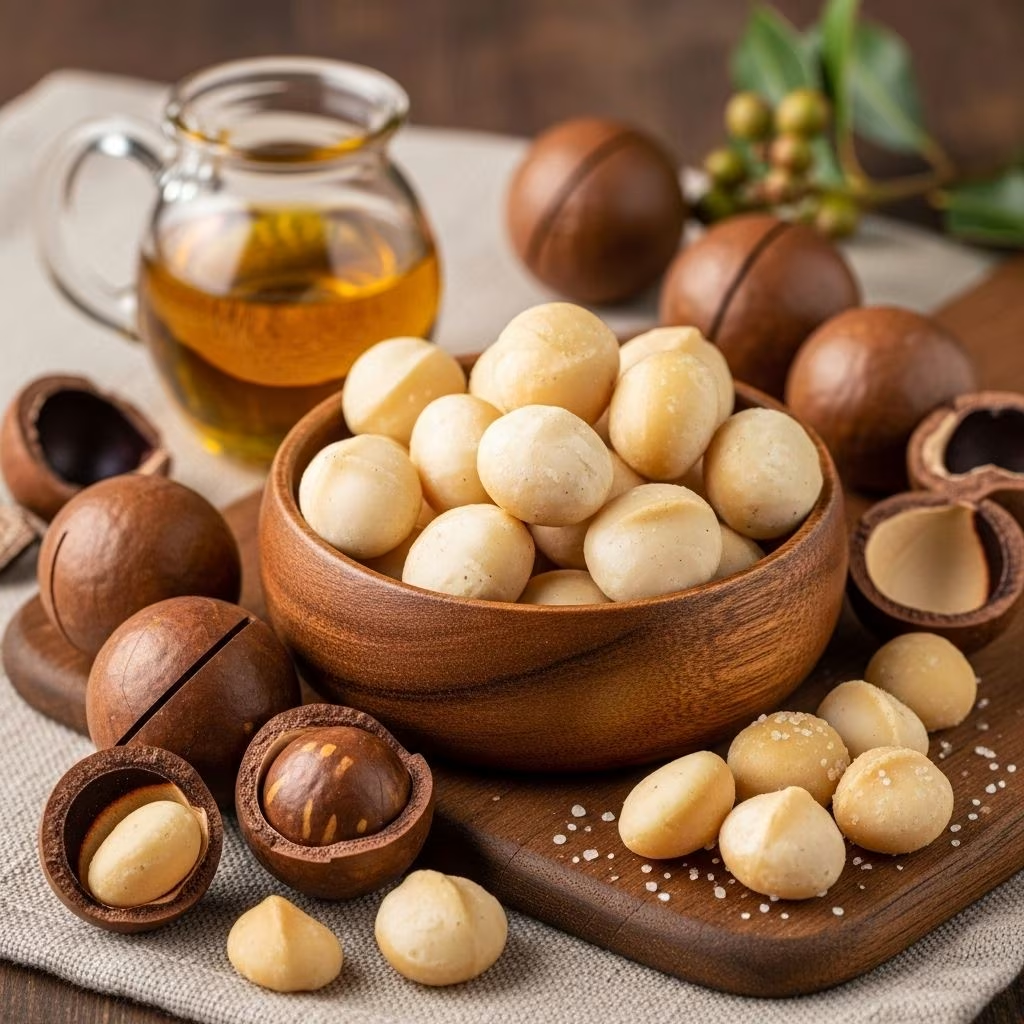
Renowned for their rich, buttery flavor and creamy texture, macadamia nuts have steadily ascended as one of the world’s most coveted tree nuts. Whether enjoyed as a snack, incorporated into gourmet dishes, or used in natural beauty products, the versatility and nutritional power of macadamia nuts have earned them a loyal following among health enthusiasts and foodies alike. This article provides a comprehensive overview, including the origin, nutritional benefits, culinary uses, unique taste, and frequently asked questions regarding macadamia nuts.
Introduction
Macadamia nuts are prized for their unique combination of buttery taste, creamy mouthfeel, and impressive nutrient density. These nuts, though small and round, pack one of the highest levels of healthful fats among tree nuts and have become a symbol of both indulgence and wholesome nourishment. As global consumer interest in natural, minimally processed foods grows, understanding the full breadth of macadamia’s uses and benefits is more timely than ever.
Origin and History of Macadamia Nut
Native to Australia, macadamia trees were first discovered in the rainforests of northern New South Wales and southern Queensland. Indigenous Australians valued them as a traditional food source long before commercial cultivation began. The macadamia nut is also known by other names such as Queensland nut, bush nut, Maroochy nut, Bauple nut, and Hawaiian nut.1
- Scientific name: Macadamia integrifolia (most commonly cultivated for edible nuts)
- First cultivated: Commercialization started in the late 19th century
- Main producers today: Australia, Hawaii (90% of U.S. supply), South Africa, Brazil, and other subtropical/tropical regions
Currently, Australia remains a global leader in macadamia nut production, with Gympie in Queensland believed to be the origin point for a significant proportion of macadamia trees grown worldwide.1
Physical Characteristics and Types
- Tree: Evergreen, moderately sized, with dense, dark green leaves; matures up to 12–15 meters tall
- Fruit: The nut grows encased in a thick, hard shell protected by a green husk
- Physical description: The actual edible part is a small, round, creamy-white kernel
The shell of the macadamia is known to be the hardest among all commonly consumed nuts, making processing a significant challenge. Most nuts, therefore, are sold already shelled.1
Types of Macadamia Nuts
- Macadamia integrifolia: The most widely grown species with sweet, edible nuts
- Macadamia tetraphylla: Another edible variety, sometimes used in hybrid cultivation
- Other species: Some wild species are inedible due to high cyanogenic glycoside content
Nutritional Profile
Macadamia nuts boast a dense nutrient profile, emphasizing healthy fats and a wide spectrum of vitamins, minerals, and dietary fiber. Below is a typical macadamia nutrient breakdown (per 28g or 1 ounce):
| Nutrient | Amount per 28g (1 oz) |
|---|---|
| Calories | 200–210 kcal |
| Fat | 21 g (of which 17g is monounsaturated) |
| Carbohydrates | 4 g (incl. 1g sugar) |
| Protein | 2 g |
| Fiber | 2.5–3 g |
| Vitamin B1 (Thiamine) | 0.3 mg (20% DV) |
| Manganese | 1.0 mg (50% DV) |
| Magnesium | 36 mg (9% DV) |
| Copper | 0.2 mg (10% DV) |
| Iron | 1 mg (6% DV) |
- High in monounsaturated fats (MUFAs): Over 75% of their fat content, linked to cardiovascular health benefits1,3,4
- Low glycemic index: Suitable for people managing blood sugar1
- Rich in antioxidants, manganese, copper, iron, and fiber
- Contains rare omega-7 fatty acids (palmitoleic acid), supporting metabolic health3
- Sodium content: Naturally low unless salt is added during roasting
Key Health Benefits
Eating macadamia nuts regularly has been associated with numerous health advantages. Below are the main research-backed benefits:
- Supports heart health: Their monounsaturated fats help lower LDL cholesterol and increase HDL cholesterol, reducing the risk of heart disease1,3,4
- Improves blood sugar control: Low glycemic index and healthy fats promote better glycemic regulation1
- Assists with weight management: Satiating fats and dietary fiber enhance fullness and may help with appetite control1,3
- Aids digestion: Dietary fiber supports gut health and regularity
- Antioxidant powerhouse: Manganese and other antioxidants combat harmful free radicals, reducing inflammation and supporting immunity
- Metabolic and skin benefits: Contains omega-7 which has been shown to support metabolic functions and contribute to skin health3
Culinary Uses and Preparation
Macadamia nuts are highly versatile in the kitchen, enjoyed raw or roasted, and used in both sweet and savory recipes. They are valued for adding a creamy, buttery texture and rich flavor to dishes. Here are popular culinary applications:
- Snack: Eaten raw, dry-roasted, or salted
- Baking: Incorporated into cookies (e.g., white chocolate macadamia nut cookies), cakes, muffins, and granola bars
- Salads: Chopped macadamias used in place of croutons for added crunch4
- Cooking: Ground into creamy nut butters, used as crusts for fish or chicken, or blended into sauces
- Dairy alternatives: Used to make macadamia milk and vegan cheeses due to their rich, emulsifying texture
- Oil: Macadamia nut oil is favored for dressings, sautéing, and even baking for its high smoke point
- Breadings: Chopped nuts as a flavorful coating for oven-baked proteins
- Vegan cuisine: Blended into vegan cheese, creams, and desserts
Additional creative uses include making homemade macadamia nut butter, blending into smoothies, or using macadamia nut flour as a substitute for almond flour (at a 1:1 ratio) for gluten-free recipes.4
Taste and Texture of Macadamia Nuts
Macadamia nuts are celebrated for their delightful buttery, slightly sweet flavor and smooth, creamy texture. The experience can be described as indulgent and satisfying, with the following features:
- Flavor: Mild, delicate, buttery, and subtly sweet without bitterness
- Texture: Soft yet crisp, with a melt-in-the-mouth quality; roasted varieties develop a richer, even more pronounced flavor
- Perfect pairings: Their mildness complements ingredients like white chocolate, coconut, citrus, honey, tropical fruits, and robust spices such as ginger
Buying, Storing, and Cracking Macadamia Nuts
- Buying tips: Purchase shelled, raw, or dry-roasted macadamias from trusted suppliers. Inspect for freshness, uniform appearance, and no rancid or off smells.1,4
- Storing: Store in an airtight container at room temperature. For extended storage, keep in the refrigerator or freezer to maintain freshness and prevent spoilage.4
- Cracking: Whole macadamias sold in the shell often come with a pre-made fissure and a small tool for opening. Otherwise, cracking requires a heavy-duty nutcracker or specialized vise due to their extremely hard shell.1
Step-by-Step: How to Crack Macadamia Nuts
- Purchase “easy-open” macadamias with a small crack if possible.
- Insert the provided tool or small key into the fissure and twist gently.
- For uncracked nuts, use a heavy vise or hammer with extreme care to avoid damaging the kernel.
- Remove and enjoy the tender, creamy nut inside.
Cosmetic and Industrial Uses
Besides culinary value, macadamia nuts are prized for their oil, which is widely used in natural cosmetics due to its outstanding absorbency and nourishing quality. Uses include:
- Skin care: Macadamia nut oil is a lightweight, non-greasy moisturizer, perfect for dry and mature skin. It’s used in creams, lotions, and massage oils.1
- Hair care: The oil is prized in conditioners and serums for its ability to penetrate hair and restore shine and manageability.
- Sunscreen and soap: Commonly found in natural sunscreens and artisanal soaps due to its mild scent and emollient properties.
- Industrial: Used in specialty lubricants and as a base for biodiesel in some contexts.
Potential Allergies & Considerations
- Tree nut allergies: As with all tree nuts, macadamias can trigger allergic reactions in sensitive individuals. Symptoms include itching, hives, and in severe cases, anaphylaxis.
- Precautions: Always introduce slowly if consuming for the first time and consult an allergist with known nut allergies.
- Dogs and macadamias: Macadamia nuts are toxic to dogs, causing symptoms from vomiting to lethargy; keep them well out of pets’ reach.
Frequently Asked Questions (FAQs)
Q: Are macadamia nuts healthier than other nuts?
Macadamia nuts have a unique nutritional profile, being highest in monounsaturated fats. While all nuts have benefits, macadamias are particularly heart-healthy and satiating but, due to caloric density and high cost, are best enjoyed in moderation.1,3,4
Q: Can macadamia nuts help with weight loss?
Their healthy fat and fiber content provides lasting satiety, which may help reduce overall calorie intake. Research links moderate nut consumption to stable weight and even weight loss when replacing less healthy snacks.1,3
Q: How do you use macadamia nut oil?
Its high smoke point makes it suitable for sautéing, roasting, and baking. It’s also valued as a salad oil and in skin care products for its light, non-greasy feel.1
Q: Do macadamia nuts go bad?
Like all nuts, they can become rancid if stored improperly. For freshest flavor, store them in an airtight container away from heat and light. Refrigeration or freezing is recommended for longer-term storage.4
Q: Are shelled or unshelled macadamias better?
Shelled nuts are more convenient, but unshelled (in-the-shell) nuts stay fresh longer. Choose the form that best fits your needs and storage capacity.1
Conclusion
Macadamia nuts distinguish themselves with their creamy, indulgent flavor and exceptional nutrient density. Suitable for a wide array of culinary applications and natural body care products, their reputation as a superfood is well earned. Whether you’re seeking heart-healthy snacks, versatile cooking ingredients, or nourishing natural oils, macadamias offer a unique blend of luxury and nourishment that few other foods can match.
References
- https://theveganatlas.com/a-guide-to-macadamia-nuts-tips-on-buying-roasting-using-more/
- https://era.dpi.qld.gov.au/id/eprint/1964/4/mac-growing_guide_Part4.pdf
- https://www.goodness.com.au/blog/macadamia-nuts-101-a-guide-to-understanding-different-sizes-and-their-uses/
- https://www.webmd.com/diet/health-benefits-macadamia-nuts
- https://www.australian-macadamias.org/the-beginners-guide-to-cooking-with-macadamia-nuts/
- https://wildmacadamia.org.au/wp-content/uploads/2020/01/Brief-Intro-to-Macads.pdf
- https://pmc.ncbi.nlm.nih.gov/articles/PMC7958573/
- https://teddys.co.za/the-complete-guide-to-macadamia-nuts-teddys/
- https://www.masterclass.com/articles/what-is-a-macadamia-nut-health-benefits-and-culinary-uses-of-macadamia-nuts


