


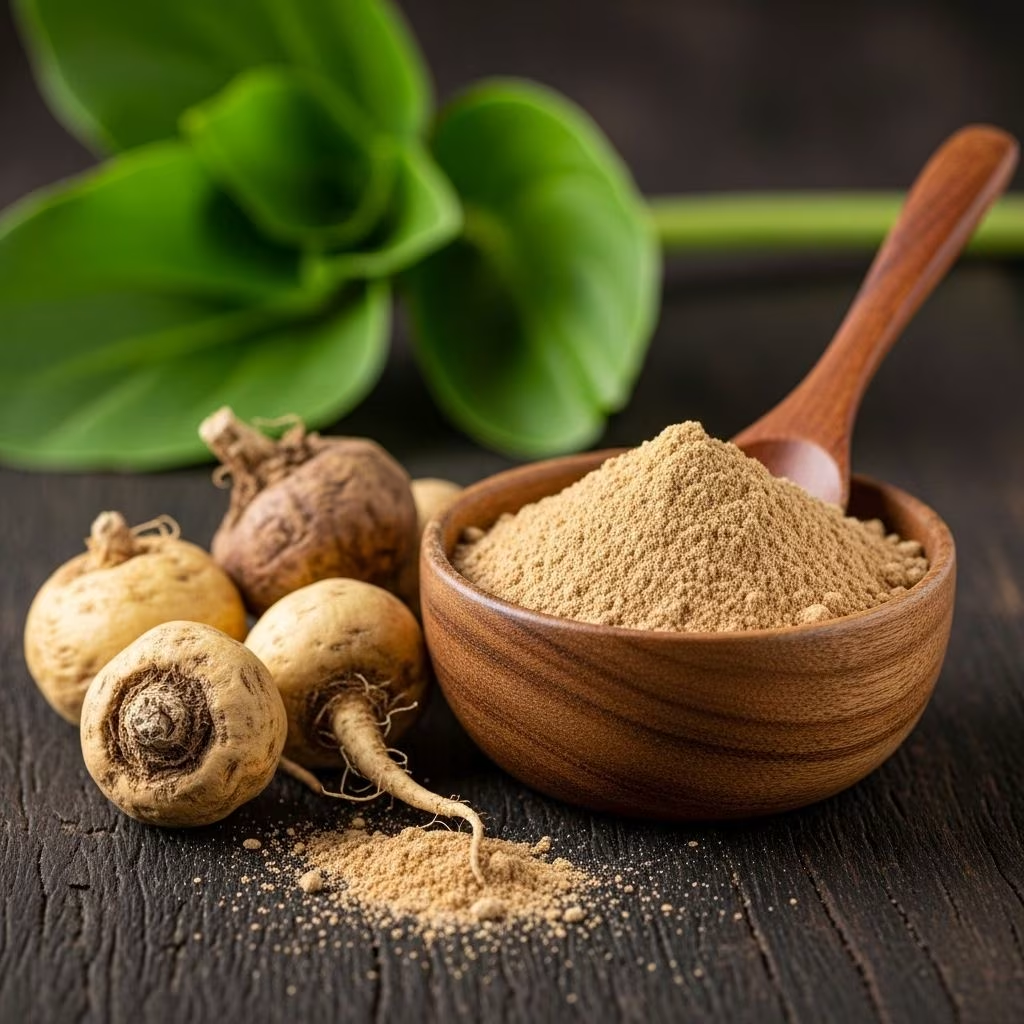
Maca root, scientifically known as Lepidium meyenii, is a revered Andean plant with a history of use for both nutrition and traditional medicine. Grown primarily in the high-altitude regions of Peru, maca root has gained worldwide interest for its potential to boost physical and mental health. In this comprehensive guide, we delve into the evidence-based benefits, recommended dosages, and potential side effects of maca root supplements to help you make informed decisions about its use.
What is Maca Root?
Maca root is a tuberous plant native to the Peruvian Andes, sometimes nicknamed “Peruvian ginseng.” Unlike true ginseng, it is a member of the Brassicaceae family and is closely related to broccoli and radishes. For centuries, indigenous communities have cultivated maca for its nutritional qualities and medicinal applications, particularly as a remedy for fatigue, reproductive health, and hormonal balance.
Key Attributes of Maca Root
- Botanical name: Lepidium meyenii
- Origin: Andes mountains of Peru (elevations above 4000 meters)
- Traditional uses: Food, fertility enhancer, energy booster, aphrodisiac
- Forms: Raw powder, gelatinized powder (cooked starch), capsules, tinctures, extracts
Nutritional Profile of Maca Root
The root is highly valued for its dense nutritional content. It is a rich source of:
- Amino acids (including all essential amino acids)
- Vitamins B1, B2, C, and E
- Minerals such as calcium, potassium, iron, zinc, and magnesium
- Dietary fiber
- Bioactive compounds unique to maca, including macamides, macaenes, and glucosinolates
These nutrients and phytochemicals are thought to underpin many of maca’s reputed health benefits.
Top Health Benefits of Maca Root
1. Boosting Libido and Sexual Function
Arguably the most popular use of maca is as a natural libido enhancer. Several animal studies and a handful of small human trials suggest maca may improve sexual desire and, to a lesser extent, sexual performance in both men and women.
- Erectile Function: Some studies show improvements in erectile function and satisfaction. However, more robust human trials are needed for definitive conclusions.
- Female Sexual Health: Maca has shown promise for improving sexual desire and response in menopausal and antidepressant-using women.
2. Enhancing Energy, Stamina, and Physical Performance
Traditionally considered an energizer, maca may support athletic performance and general stamina. This is especially seen in small studies among athletes—particularly adolescent female athletes—where black maca supplementation was linked to improved endurance and muscle performance. Anecdotal evidence abounds, but scientific confirmation remains modest.
3. Balancing Mood and Reducing Anxiety
Maca contains flavonoids, plant-derived compounds tied to neurological benefits. Preliminary research indicates regular use may help regulate mood, reduce symptoms of anxiety, and support a sense of well-being. These effects, however, await larger-scale validation.
4. Improving Fertility
Maca has long been used to enhance fertility—and some scientific evidence supports this, particularly in men. Animal experiments demonstrate improvements in sperm quality, count, and motility. Human studies have reported some increases in semen volume and sperm motility, though results remain inconclusive and call for further research.
5. Alleviating Symptoms of Menopause
Maca may help reduce discomfort related to hormonal fluctuations in postmenopausal women—including hot flashes, mood swings, and sleep disturbances. Both animal and human studies suggest modest benefits, especially in psychological symptoms. However, the evidence is not yet sufficient for clinical endorsement.
6. Antioxidant and Immunomodulatory Effects
Recent research points toward impressive antioxidant activities in maca, with extracts shown to enhance the body’s own production of enzymes (such as superoxide dismutase and glutathione peroxidase). These compounds help neutralize harmful free radicals, thus supporting cellular health.
- Immune Regulation: Maca polysaccharides may stimulate important immune system mediators, improving the body’s response to infection and disease.
7. Support for Brain and Nervous System Health
Maca’s polysaccharides have been noted for their neuroprotective effects in experimental settings. These include protecting neurons from oxidative stress, reducing cell damage, and supporting cognitive function—though almost all such studies to date have been performed in animals.
8. Other Potential Benefits
- Cardioprotection: Maca may support heart health by combating oxidative stress and influencing cardiovascular function.
- Liver Protection: It exerts hepatoprotective effects against chemical-induced liver injury in laboratory animals.
- Antibacterial and Anticancer Potential: Preliminary research suggests active compounds in maca could offer ancillary benefits in cancer therapy by modulating immune responses and enhancing the efficacy of certain drugs.
Summary Table: Key Health Benefits of Maca Root
| Health Benefit | Level of Evidence | Key Points |
|---|---|---|
| Sexual Function/Libido | Moderate (Limited Human Trials) | May improve libido and satisfaction; more research needed |
| Fertility (Male) | Animal and Some Human Studies | Likely improves sperm health, unclear if improves fertility |
| Energy and Stamina | Mainly Anecdotal/Small Trials | Popular use as physical and mental energizer |
| Menopausal Symptoms | Limited Human Trials | May alleviate some discomfort, more study needed |
| Antioxidant Effects | Laboratory/Animal Studies | Boosts endogenous antioxidant enzyme activity |
Maca Root Dosage Recommendations
Most scientific studies and health authorities recommend a daily dose of 1.5 to 3 grams (approximately 1–1.5 teaspoons of maca powder) for up to three months for adults. Typical maca supplements in capsule form often provide doses within this range per day.
Dosage may depend on:
- Specific health goal (energy, menopause, libido, etc.)
- Type of maca (yellow, red, or black; gelatinized vs. raw)
- Individual factors (age, weight, health status)
There is no standardized dose for maca root. Some trials have used up to 5 grams per day, but it is best to start with a lower dose and monitor for tolerance. Duration of supplementation in studies rarely exceeds three to four months.
Important: Long-term safety has not been well established due to lack of extended studies. Consult your healthcare professional before starting maca, especially if you have pre-existing health conditions, are pregnant, breastfeeding, or taking other medications.
Potential Side Effects and Precautions
Maca root is generally considered safe and well-tolerated for most people when consumed in moderate amounts and for short periods. However, there are occasional reports of mild gastrointestinal upset such as stomach cramps, bloating, or diarrhea.
- Hormone-sensitive Conditions: Maca may subtly influence hormonal balance, so it is prudent for individuals with conditions like breast, uterine, or prostate cancer—or hormone-sensitive disorders—to consult their doctor before use.
- Interaction with Medications: Because little is known about maca’s interactions, discuss with your healthcare provider if you are taking prescription medications.
- Thyroid Function: As a cruciferous vegetable, maca contains goitrogens, which could theoretically affect thyroid function, especially in those with iodine deficiency or active thyroid disorders.
- Allergic Reactions: Rare, but possible. Discontinue use if any allergy-like symptoms occur.
- Pregnancy and Breastfeeding: Due to insufficient evidence on safety, maca use is not recommended during pregnancy or lactation unless supervised by a healthcare professional.
Always purchase maca from reputable sources to minimize contamination risk and ensure quality control.
Maca Root in Traditional Uses and Modern Research
Traditional Applications
- Food staple: Cooked or dried—a valued source of calories at high elevations
- Medicine: Used by Andean peoples for vitality, stamina, reproductive health
- Cultural rituals: Offered in local ceremonies as a sacred plant
Modern Scientific Research
- Research hotspots: Maca polysaccharides for antioxidant, immune, and metabolic effects
- Emerging promise: Neuroprotection, hepatoprotection, enhancement of some cancer therapies
- Current gaps: Most studies are animal-based or use small human cohorts; long-term safety studies are lacking
Much of the current evidence is preliminary, and large randomized controlled human studies are needed.
How to Choose and Use Maca Supplements
Maca products come in several forms, and their efficacy and digestibility may vary:
- Raw maca powder: Simply dried and ground; preserves most nutrients, but may be more likely to cause digestive upset for some.
- Gelatinized maca powder: Cooked to break down starches, making it easier to digest and concentrate some active compounds.
- Capsules and tablets: Convenient and standardized dosage.
- Extracts/tinctures: May provide targeted concentrations for certain health purposes.
Blend maca powder into smoothies, oatmeal, or baked goods for easy daily intake. Always adhere to label recommendations and do not exceed suggested servings unless directed by a healthcare professional.
Frequently Asked Questions (FAQs)
Q: Can maca root really boost libido?
A: Some small studies support improvements in sexual desire and satisfaction in both men and women, but more robust clinical evidence is needed.
Q: How long does it take to notice effects from maca root?
A: Benefits such as increased energy or libido may appear within several days to a few weeks of consistent use, but noticeable results can vary by individual.
Q: Is maca safe for daily consumption?
A: Daily use of 1.5–3 grams appears safe for short-term use (up to 3–4 months) in healthy adults. The long-term effects are unknown, and it’s not advised for pregnant or breastfeeding women without medical supervision.
Q: Are different maca colors (yellow, red, black) significantly different?
A: All colors share core nutrients, but minor differences exist. Black maca is often studied for stamina and male fertility; red maca for prostate and bone benefits; yellow is the most common and widely researched for general use.
Q: Can maca interact with medications?
A: There are currently no well-documented interactions, but due to limited research, check with your physician if you have underlying medical conditions or are on prescription drugs.
Q: Does maca root help with menopause symptoms?
A: Some studies indicate maca may help ease menopausal symptoms like hot flashes and mood changes, but comprehensive clinical guidelines have yet to be established.
Conclusion
Maca root offers intriguing potential for supporting sexual health, mood, energy, and more—but scientific support is preliminary. If you choose to try maca, begin with modest doses, watch for side effects, and consult your doctor for tailored advice. Responsible, informed use of maca root as part of a holistic lifestyle may help you harness its full benefits.
References
- https://www.dovepress.com/global-research-status-of-maca-lepidium-meyenii-walp-a-bibliometric-an-peer-reviewed-fulltext-article-DDDT
- https://www.webmd.com/diet/health-benefits-maca
- https://www.medicalnewstoday.com/articles/322511
- https://pmc.ncbi.nlm.nih.gov/articles/PMC3184420/
- https://www.healthline.com/nutrition/benefits-of-maca-root
- https://www.mskcc.org/cancer-care/integrative-medicine/herbs/maca


