


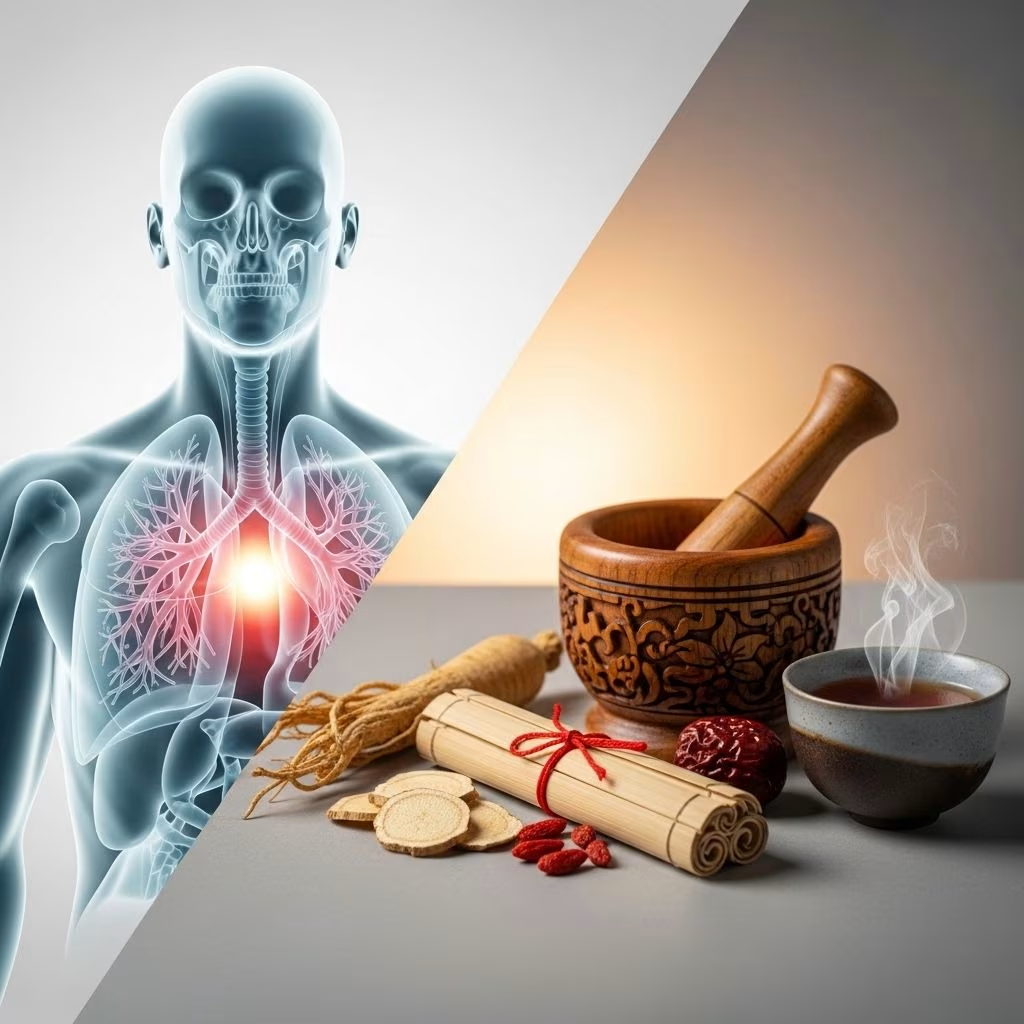
Understanding Cough: A Traditional Chinese Medicine Perspective
Cough is a common respiratory symptom experienced by people of all ages worldwide. While modern medicine often attributes cough to infections, allergies, or environmental irritants, Traditional Chinese Medicine (TCM) provides a unique, holistic framework to understand its causes, classifications, and treatments. This comprehensive article delves into the TCM perspective on cough—including its root causes, subtypes, patterns, and time-tested remedies—equipping readers with knowledge for more targeted, lasting relief.
What Is a Cough?
A cough is the body’s natural reflex to clear the airways of irritants such as mucus, dust, pathogens, or foreign substances. This defensive action helps protect the lungs and respiratory system. Common causes of acute cough include viral infections, inflammation, allergies, and exposure to environmental irritants (such as smoke or chemicals), while chronic coughs often stem from underlying health issues like asthma, postnasal drip, or even digestive disorders.
TCM’s View: Cough Is More Than a Symptom
In Traditional Chinese Medicine, cough is not only seen as a symptom but as an indication of underlying disharmony within the body, particularly affecting the Lungs. TCM aims to uncover the root cause of the cough, considering:
- The nature (dry, wet, acute, chronic, spasmodic, etc.)
- The accompanying symptoms (e.g., amount and color of phlegm, dry throat, fever, chills)
- The patient’s constitution and history
From this systemic perspective, TCM applies the concept of syndrome differentiation (辨证论治, bian zheng lun zhi), meaning treatment is tailored for each individual’s unique pattern of disharmony. Identifying these patterns is vital for effective, root-level treatment and for preventing relapse or persistent coughs.
How Does TCM Diagnose Different Cough Patterns?
Diagnosis in TCM incorporates a thorough assessment of:
- Nature of cough: Dry vs. productive, acute vs. chronic
- Phlegm: Thin, thick, sticky, yellow, green, or white
- Accompanying symptoms: Fever, chills, thirst, chest pain or tightness, sore throat, fatigue
- Tongue and pulse diagnosis: Observing tongue color, coat, and body as well as pulse characteristics
- Patient’s constitution and history: Previous illnesses, chronic conditions, climate or seasonal factors
Common Cough Types in TCM
- Wind-cold cough
- Wind-heat cough
- Phlegm-damp cough
- Phlegm-heat cough
- Lung dryness cough (subtyped as warm-dryness and cold-dryness)
- Cough due to Liver fire attacking the Lungs
- Cough from Lung Yin deficiency
Why Do Coughs Persist? TCM Insights Into the Root Causes
TCM recognizes that many coughs continue or recur due to underlying disharmonies being left unaddressed. The primary roots include:
- External pathogens: Wind-cold, wind-heat, wind-dryness, pathogenic dampness, or toxins affect the Lungs’ dispersing function
- Internal imbalances: Chronic phlegm, Qi or Yin deficiency, digestive weaknesses, or emotional disturbances (such as anger or frustration impacting the Liver)
- Environmental and lifestyle factors: Poor diet, stress, irregular routines, lack of rest, or living in damp/cold climates
Different Types of Coughs in TCM & Their Characteristics
| TCM Pattern | Main Features | Typical Symptoms |
|---|---|---|
| Wind-Cold Attacking the Lungs | Acute onset, chills > fever, clear/watery phlegm | Aversion to cold, headache, stuffy nose, mild sore throat, clear/white sputum |
| Wind-Heat Attacking the Lungs | Acute onset, fever > chills, yellow & sticky phlegm | Sore throat, thirst, headache, cough, yellow mucus |
| Phlegm-Damp Accumulating in the Lungs | Heavy, copious sticky sputum, chest fullness | Chest congestion, nausea, lassitude, white thick phlegm |
| Phlegm-Heat Accumulating in the Lungs | Profuse, thick yellow/green phlegm, heat signs | Chest pain, thirst, dry mouth, restlessness, sticky sputum |
| Lung Dryness (Warm or Cold) | Dry cough, little/no phlegm, throat and nose dryness | Dry sore throat, dry mouth, hoarse voice, sometimes fever |
| Lung Yin Deficiency | Chronic, dry cough, scanty sputum; heat worse in evening | Feeling of heat, night sweats, dry mouth, weight loss |
| Liver Fire Attacking the Lungs | Paroxysmal, intense cough after anger or stress | Distended chest, bitter taste, irritability, yellow phlegm |
Frequently Encountered Chronic Coughs: Why Do They Not Go Away?
Many individuals experience chronic, lingering coughs that do not improve—or that frequently relapse—despite standard treatments. Common underlying factors, from a TCM viewpoint, include:
- Unresolved external invasion: Incomplete treatment of an acute wind-cold or wind-heat invasion
- Hidden phlegm: Accumulation affecting the Lungs and Spleen, not being properly transformed or expelled
- Qi deficiency: Weak Lung Qi unable to clear pathogens or restore balance
- Yin deficiency: Chronic dryness, seen especially in the elderly or after long illness
- Gastrointestinal imbalances: Reflux, indigestion, or weak digestion contributing to phlegm production and persistent cough
TCM Treatment Principles: Restoring Balance for Lasting Relief
Treatment in TCM focuses on syndrome differentiation. This means the remedy is matched to the precise TCM pattern diagnosed, rather than focusing only on the symptom of cough. Key therapeutic principles include:
- Expelling external pathogens: Dispersing wind-cold or wind-heat, clearing heat, or moistening dryness
- Resolving phlegm: Transforming and expelling phlegm via herbal formulas or acupuncture
- Restoring Lung and Spleen function: Improving digestion and energy to prevent phlegm buildup
- Nourishing Yin or Qi: Supporting underlying deficiencies
- Addressing emotional imbalance: Calming Liver fire or soothing emotional factors contributing to cough
Commonly Used TCM Herbal Remedies for Cough
Different formulas target specific TCM patterns of cough.
| TCM Pattern | Recommended Herbal Formula |
|---|---|
| Wind-Cold Attacking Lungs | San-ao Decoction (三拗汤), Zhisou Powder (止嗽散) |
| Wind-Heat Attacking Lungs | Sangju Decoction (桑菊饮), Zhisou Powder+ |
| Phlegm-Damp in Lungs | Erchen Decoction (二陈汤), Sanzi Yangqin Decoction (三子养亲汤) |
| Phlegm-Heat in Lungs | Qingjin Huatan Decoction (清金化痰汤), Feilike Granules (肺力咳胶囊) |
| Warm Deepness Damaging Lungs | Sangxing Powder (桑杏汤) |
| Cold Deepness Damaging Lungs | Xingsu Powder (杏苏散) |
| Liver Fire Invading Lungs | Huangqin Xiebai Powder (黄芩泻白散), Daige Powder (黛蛤散) |
| Lung Yin Deficiency | Shashen Maidong Decoction (沙参麦冬汤) |
Note: The specific formulation and dosages must be tailored by a qualified TCM practitioner.
Lifestyle & Dietary Tips for Managing Coughs
- Eat light, easily digestible foods; avoid greasy, spicy, and cold/raw items
- Maintain adequate hydration and humidity—especially in dry climates
- Have plenty of rest to support the body’s healing
- Avoid exposure to smoke and strong perfumes
- Wear appropriate clothing and protect yourself from wind, cold, or sudden temperature changes
- Manage stress to avoid triggering Liver-related coughs
Frequently Asked Questions (FAQs)
Q: What is the difference between a cough caused by wind-cold and wind-heat?
A: Wind-cold coughs are typically marked by chills, clear or white phlegm, and lack of thirst. Wind-heat coughs usually come with fever, yellow or sticky sputum, sore throat, and thirst. Dietary and herbal approaches differ accordingly.
Q: Can TCM treat chronic coughs where modern medicine finds no clear cause?
A: TCM is particularly effective for chronic or lingering coughs because it addresses underlying constitutional and energetic imbalances, rather than just suppressing symptoms.
Q: Are TCM remedies safe for children or elderly?
A: Many TCM remedies can be adapted for all ages, but care should be taken with dosages and choice of formulas. Always consult a licensed practitioner for guidance, especially for vulnerable groups like children and the elderly.
Q: Is acupuncture useful for coughs?
A: Yes, acupuncture can be a supportive therapy, especially for persistent coughs or those accompanied by chest discomfort. Points such as LU7, LI4, and ST40 may be used based on the diagnosed pattern.
Q: How long does it take to see improvement with TCM for cough?
A: Acute coughs may improve within a few days of proper treatment. Chronic coughs, especially with underlying deficiencies, may require several weeks of consistent care and lifestyle adjustment.
When Should You Seek Medical Attention?
- Cough lasting more than three weeks despite appropriate care
- Presence of blood in sputum
- Accompanied by chest pain, breathlessness, high fever, or rapid decline in health
- Cough in those with chronic diseases, immunosuppression, or frail elderly
In these cases, TCM can be used in support but should not replace appropriate modern medical intervention when serious illness is suspected.
Summary: Unlocking Sustainable Relief Through TCM
Cough is not just a localized disorder but a sign of systemic disharmony according to Traditional Chinese Medicine. Effective management requires identifying the specific TCM pattern, addressing the root cause, and combining herbal remedies with lifestyle adjustments. This individualized approach, refined over centuries, not only brings symptomatic relief but also fortifies long-term wellness by restoring the body’s natural balance.
References
- https://pulsetcm.sg/understanding-cough-and-its-remedies/
- https://pmc.ncbi.nlm.nih.gov/articles/PMC10927410/
- https://pmc.ncbi.nlm.nih.gov/articles/PMC9669398/
- https://pulsetcm.sg/tag/cough-remedies/
- https://lcm.amegroups.org/article/view/5244/html
- https://onlinelibrary.wiley.com/doi/10.1111/jebm.12460
- https://www.liebertpub.com/doi/10.1089/acu.2010.2026


