


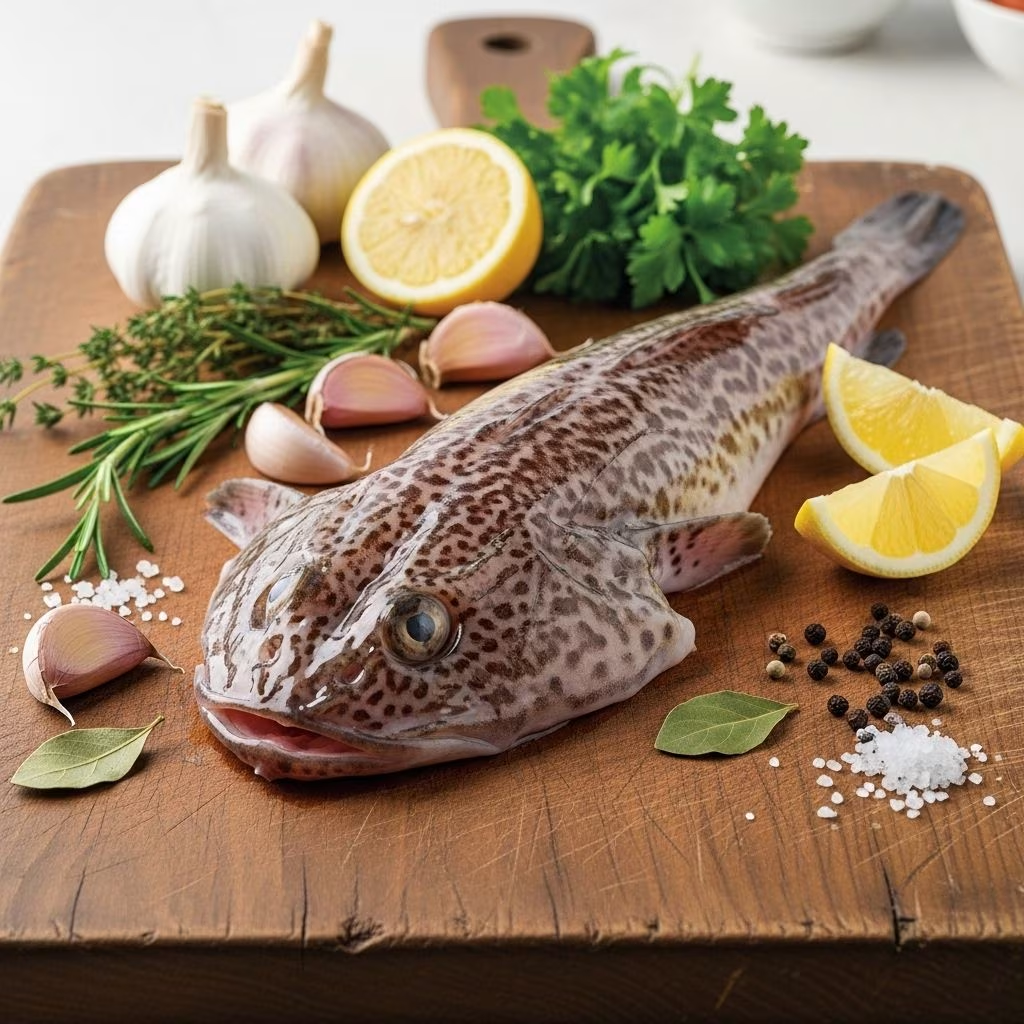
Monkfish, also popularly dubbed the “poor man’s lobster,” is a remarkable seafood option prized by chefs and food enthusiasts around the globe. Recognized for its firm, mild, and sweet flesh reminiscent of lobster, monkfish offers unique culinary and health advantages. This guide explores its biology, habitat, nutritional properties, culinary uses, taste profile, and answers to common questions about this fascinating species.
What Is Monkfish?
Monkfish refers to several species within the genus Lophius, bottom-dwelling predatory fish native primarily to the North Atlantic and western Atlantic coasts. Sometimes known as anglerfish or goosefish, monkfish are characterized by their distinctive flat heads, expansive mouths filled with sharp, backward-pointing teeth, and a fleshy ‘lure’ used to attract prey. Despite their unusual, even intimidating appearance, monkfish are highly sought after for their exceptional taste and firm texture, making them a culinary treasure in both home kitchens and fine dining establishments .
Biology and Habitat
Monkfish are adept predators found in temperate and sometimes cooler oceanic waters. Their natural range:
- Western Atlantic: From Newfoundland and Labrador down to Florida in the United States.
- Eastern Atlantic: Along European waters, notably the North Sea, the Mediterranean, and coastal regions around the UK.
Preferring sandy or gravelly bottoms, monkfish typically inhabit depths from the near-shore zone to as deep as 700 meters, although commonly found at shallower depths below 100 meters. They migrate seasonally, moving to deeper waters to spawn during spring and early summer .
Reproduction and Lifecycle
- Females can live up to 13 years; males up to 7 years.
- Spawning occurs from February to October, when females release egg veils — ribbons of jelly that may contain more than a million eggs.
- Egg veils float near the ocean surface before larvae hatch and descend to the seabed around one year of age .
Physical Characteristics
Monkfish have one of the most striking appearances among edible fish, including:
- Broad, flattened heads with large, rounded mouths lined with sharp, hinged teeth.
- Expandable stomachs — they can consume prey nearly as large as themselves.
- Front ‘lure’ appendage that acts like a fishing rod to attract and ambush prey.
- Color: Mottled dark brown to olive-green on top, with a pale or whitish underside.
- Size: Individuals typically reach lengths of 40–140 cm (15–55 in), with some species growing beyond a meter and exceeding 20 kg (44 lbs) in weight. The head frequently makes up more than half the fish’s length .
| Feature | Description |
|---|---|
| Head | Broad, flat, can constitute over 50% of body size |
| Mouth | Large, filled with backward-pointing hinged teeth |
| Body | Tapered, muscular, with loose, scaleless skin |
| Pectoral fins | Wing-like, aid in movement along the seabed |
| Lure (esca) | Modified dorsal spine tipped with a fleshy flap acting as bait |
| Coloration | Dark olive-brown to black above, pale or pinkish below |
Sustainability and Availability
Monkfish populations are closely monitored. Thanks to sustainable fisheries management in some regions like the UK and US, wild monkfish stocks in these waters are currently considered stable. Monkfish can be fished year-round, although seasonal migration means the highest catch rates may vary by location .
Key sustainability tips:
- Purchase from reputable fishmongers who source monkfish from certified sustainable fisheries.
- Look for certifications such as Marine Stewardship Council (MSC) labels when possible.
- Be cautious of imported monkfish that may not adhere to the strict sustainability standards found in North America and Europe.
Nutritional Benefits of Monkfish
Monkfish is not only celebrated for its taste and texture but also for its rich nutritional profile. As a lean, high-protein fish, it offers numerous health benefits:
- High-Quality Protein: Provides approximately 16–18 grams of protein per 100g serving, supporting muscle growth and repair.
- Low in Fat: Contains less than 2 grams of fat per 100g, making it ideal for low-fat diets.
- Low in Calories: A typical 100g portion offers around 70–80 calories.
- Source of Omega-3 Fatty Acids: Contributes to heart, brain, and eye health.
- Rich in Vitamins and Minerals: Notably potassium, phosphorus, vitamin B6, vitamin B12, and selenium.
- Low Mercury Levels (relative to some large predatory fish): Monkfish is considered a moderate-mercury seafood option, generally safe for most adults in moderation.
| Nutrient | Amount |
|---|---|
| Calories | ~70–80 kcal |
| Protein | 16–18 g |
| Total Fat | 0.9–2.0 g |
| Omega-3 | 0.2–0.5 g |
| Vitamin B12 | 1.1–1.5 µg |
| Potassium | 250–320 mg |
Common Culinary Uses of Monkfish
Monkfish is one of the most versatile white fish in gourmet and home kitchens. The primary edible portions include:
- Monkfish tail: The most common and prized cut, known for its meaty, non-flaky texture.
- Monkfish cheeks: A delicacy enjoyed in Europe, offering a subtle flavor and richness.
Culinary advantages of monkfish include:
- Does not flake apart easily, making it excellent for grilling, roasting, and stewing.
- Absorbs marinades and sauces beautifully due to firm texture.
- Readily adapts to various cuisines—including French, Italian, Mediterranean, and Asian recipes.
Popular Cooking Methods
- Grilling and Roasting: Sear and finish in the oven for a caramelized crust and juicy interior.
- Poaching and Steaming: Preserves the delicate, lobster-like texture.
- Curry and Stews: Monkfish holds shape exceptionally well; widely used in Mediterranean bouillabaisse, Spanish suquets, Thai curries, and more.
- Pan-Frying: Simple preparation brings out the natural sweetness.
- Wrapped in Prosciutto/Bacon: Enhances flavor while keeping moisture locked in.
Its ability to pair well with aromatic herbs, butter, wine sauces, citrus, and Asian flavors makes it a restaurant favorite.
Taste and Texture: Why Is Monkfish Called ‘Poor Man’s Lobster’?
Monkfish is highly esteemed for a taste and texture often compared to lobster and langoustine:
- Mild, sweet, and clean flavor — subtle enough for a variety of sauces without overpowering the dish.
- Firm and meaty texture — dense and resilient, similar to lobster tail, making it satisfyingly chewy and substantial.
- Barely any bones in the tail section, making filleting and portioning straightforward.
Because of these qualities, monkfish is a popular, more affordable alternative to lobster in many recipes. Its unique combination of flavor intensity, texture, and versatility has earned it a prominent place in high-end and everyday cuisine alike.
Tips for Selecting and Preparing Monkfish
- Freshness: Monkfish is typically sold skinned and filleted because its unprocessed appearance is unappealing. The flesh should be firm, moist (not slimy), and almost translucent white.
- Smell: Fresh monkfish should have a gentle, clean, sea aroma—never a strong, fishy odor.
- Storage: Use within 1–2 days of purchase (refrigerated). For longer storage, monkfish freezes well if vacuum-sealed.
- Preparation: Remove any remaining dark membrane (it becomes rubbery when cooked) before use. Cut into medallions or fillets as desired.
- Cooking: Do not overcook; monkfish can become tough if exposed to high heat for too long.
- Pairings: Complements citrus, garlic, white wine, saffron, Mediterranean vegetables, and Asian spices.
Frequently Asked Questions (FAQs)
Q: Is monkfish healthy to eat?
A: Yes, monkfish is low in calories and fat, high in protein, and provides important nutrients such as potassium, selenium, and B vitamins. As a moderate-mercury fish, it is safe for most adults in moderate amounts.
Q: What does monkfish taste like compared to other fish?
A: Monkfish is unique for its lobster-like, mild, and sweet taste with firm, dense flesh. Unlike flaky white fish such as cod, it holds together when cooked and can be sliced into medallions.
Q: How should monkfish be cooked?
A: Monkfish excels in high-heat methods like roasting and grilling, but is also delicious steamed, pan-fried, or cooked in stews and curries. Avoid overcooking to maintain its texture.
Q: Are there any sustainability concerns with monkfish?
A: Monkfish stocks are stable in many regions, especially where strict management is in place. Always buy from reputable sources and check for sustainability certifications.
Q: Can monkfish be eaten raw?
A: While monkfish is sometimes served as sashimi or in ceviche, it is traditionally enjoyed cooked. Ensure it is extremely fresh and from a reputable supplier if eating raw.
References
- Lophius – Wikipedia
- Monkfish – NOAA Fisheries
- Everything You Need to Know About Monkfish – Fresh Fish Daily
- Monkfish – Fisheries and Oceans Canada
- Monkfish Fish Facts – A-Z Animals
References
- https://en.wikipedia.org/wiki/Lophius
- https://www.fisheries.noaa.gov/species/monkfish
- https://freshfishdaily.co.uk/everything-you-need-to-know-about-monkfish/
- https://www.dfo-mpo.gc.ca/species-especes/profiles-profils/monkfish-baudroie-amerique-eng.html
- https://a-z-animals.com/animals/monkfish/
- https://dnr.maryland.gov/fisheries/Pages/fish-facts.aspx?fishname=Monkfish
- https://seagrant.umaine.edu/maine-seafood-guide/monkfish/
- https://www.seafoodsource.com/seafood-handbook/finfish/monkfish


