


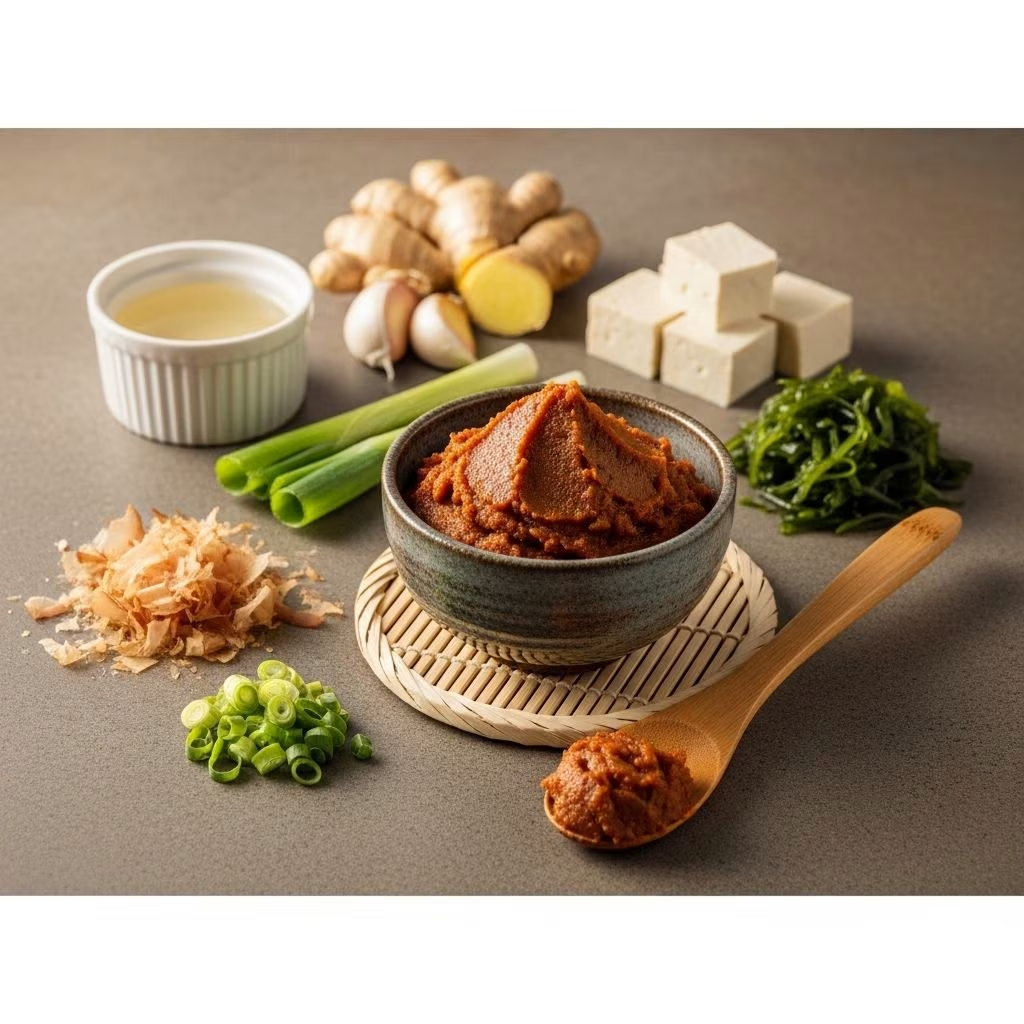
Miso is much more than just a soup base—it’s a staple ingredient rich in history, nutrition, and flavor. Its diverse varieties, profound umami, and versatility make it an essential in kitchens worldwide. This article provides a comprehensive guide to understanding miso: from its origins and nutritional attributes to its culinary uses and unique taste profile.
What Is Miso?
Miso is a traditional Japanese seasoning paste made by fermenting soybeans, salt, and kōji (a mixture of grains such as rice or barley inoculated with the mold Aspergillus oryzae). Sometimes, other ingredients like barley, rice, or even seaweed are included to yield different types. The result is a thick, savory paste used in sauces, spreads, marinades, pickling, and most famously, miso soup.
- Miso is one of Japan’s core condiments, with roots spanning centuries.
- It provides a rich umami flavor and is a key ingredient in many Asian and increasingly international dishes.
- Miso can be categorized by color, ingredients, region, and fermentation time.
A Brief History of Miso
Miso’s origins are closely linked to ancient Chinese fermented soybean pastes called jiang, dating back to the 4th century BC. It was introduced to Japan over 1,300 years ago, likely by Buddhist priests, and steadily evolved to become an essential Japanese staple.
- Miso was initially a delicacy, reserved for nobility due to its main component, rice, being a luxury good.
- Over time, access to miso spread across social classes—from Samurai and royalty to peasants who adapted the recipe with barley or millet.
- Regional miso varieties developed, tailored to local preferences and resources.
- Today, miso is produced and enjoyed in Japan and globally, both as a cultural staple and for its health benefits.
Key Historical Points
- Derived from Chinese jiang, introduced to Japan with Buddhism.
- Used as food preservation and as a primary protein source in feudal Japan.
- Miso production spread to every Japanese household, with homemade varieties (“temaemiso”) in the Muromachi period (14th–16th century).
- Industrial miso production began by the 17th century.
How Miso Is Made
The process of making miso is both an art and a science, involving controlled fermentation and careful ingredient selection.
- Preparation of Kōji: Rice, barley, or sometimes soybeans are inoculated with the mold Aspergillus oryzae to create a culture called kōji.
- Mixing: Cooked soybeans are combined with salt and the prepared kōji. Water is added to create a paste.
- Fermentation: The paste is left to ferment from several weeks to several years, depending on the style of miso being made.
- Finishing: The miso undergoes quality checks, sometimes pasteurization, and is packaged for use.
This complex fermentation gives miso its characteristic taste, aroma, and nutritional profile.
Types of Miso
With over 1,000 producers in Japan and countless varieties, miso is best categorized by primary ingredient, color, and region:
| Type | Main Ingredient | Color | Fermentation Time | Taste Profile |
|---|---|---|---|---|
| Shiro Miso (White Miso) | Rice and soybeans | Light cream/yellow | Few weeks to 2 months | Mild, slightly sweet |
| Aka Miso (Red Miso) | Mostly soybeans, some rice or barley | Dark red/brown | 6 months to 3 years | Robust, salty, complex |
| Mugi Miso (Barley Miso) | Barley and soybeans | Light to medium brown | Months to more than a year | Earthy, slightly sweet, rich |
| Hatcho Miso (Pure Soybean Miso) | Soybeans only | Very dark brown/almost black | 2–3 years | Strong, bitter, umami-rich |
- White (Shiro) miso is common in soups, dressings, and light sauces.
- Red (Aka) miso is best for hearty soups, marinades, and stews.
- Barley (Mugi) miso is popular in southern Japan for its nuanced sweetness.
- Specialty misos (e.g., blended, regional) offer unique flavors and textures.
Nutritional Profile of Miso
Miso is known for its dense nutritional content, which includes macronutrients, vitamins, minerals, and beneficial bacteria.
- Plant-based protein: Significant protein content, making it a staple in vegetarian diets.
- Vitamins: B vitamins (such as B2, B12), vitamin K, and folate.
- Minerals: Especially high in manganese, copper, zinc, and phosphorus.
- Probiotics: Unpasteurized miso contains live lactic acid bacteria that promote gut health.
- Antioxidants: Contains antioxidants from both soybeans and fermentation byproducts.
- Sodium: All miso varieties are high in salt due to their preservation process; those on sodium-restricted diets should take this into account.
Health Benefits of Miso
Miso’s traditional value goes beyond taste—it also delivers a surprising range of health benefits. However, some effects vary depending on strain, fermentation length, and whether the miso is unpasteurized.
- Gut Health: Fermented miso contains probiotics that aid digestion and support a healthy microbiome.
- Protein Source: Especially valuable for vegetarian and vegan diets.
- Rich in Antioxidants: May help reduce oxidative stress.
- May Help Cardiovascular Health: Some studies associate traditional soy consumption, including miso, with lower heart disease risk, possibly due to isoflavones and fermentation effects.
- Immune Support: Contains minerals and fermentation byproducts that can help strengthen the immune response.
- Bone Health: Source of vitamin K and calcium, both important for maintaining bone density.
- Potenial Cancer Protective: High soybean (isoflavone) intake and Japanese consumption patterns have been linked in studies to reduced breast cancer risk, but evidence is not yet conclusive.
It’s important to note that many health benefits are based on traditional long-fermented, unpasteurized miso, and results may vary with highly processed or heat-treated products.
Common Culinary Uses of Miso
Miso’s culinary range is vast. It provides flavor depth, texture, and nutrition in a wide array of dishes.
- Miso Soup: The best-known application—miso dissolved in dashi broth with tofu, wakame seaweed, scallions, and sometimes vegetables or shellfish.
- Marinades and Glazes: For fish, meat, tofu, and vegetables, often combined with mirin and sake.
- Salad Dressings and Sauces: Combined with ingredients like sesame, citrus, vinegar, or mustard to create rich dressings.
- Pickling (Tsukemono): Used as a base for pickling vegetables, which imparts flavor and helps preserve them.
- Stews and Braises: For hearty soups as well as hot pots (nabe).
- Noodles and Rice Dishes: Added to ramen, udon, or rice bowls for savory complexity.
- Baked Goods and Sweets: White miso in particular is occasionally used in cookies, caramels, and confectionery for an umami edge.
Sample Miso Recipe: Classic Miso Soup
- Heat dashi stock to a light simmer.
- Add diced tofu, wakame, and thin-sliced scallions.
- Gently dissolve miso paste in a ladleful of broth, then stir back into the pot.
- Avoid boiling once miso is added to preserve its flavors and beneficial bacteria.
The Unique Taste of Miso
Miso boasts a complex flavor profile that blends salty, sweet, earthy, and umami (savory) notes. The taste and aroma vary widely based on ingredient ratios, fermentation time, and region:
- White Miso (Shiro): Mild, slightly sweet, and delicate. Best for soups, dressings, and mild sauces.
- Red Miso (Aka): Deeply savory, robust, and salty, sometimes with slight bitterness. Suited for hearty soups and stews.
- Barley Miso (Mugi): Earthy, somewhat nutty, with a pronounced depth.
- Specialty and regional misos may range from fruity, smoky, to intensely earthy or even tangy.
Umami, imparted by glutamates from soybeans and products of fermentation, is what gives miso its depth and makes it a sought-after seasoning outside Japan.
How to Store and Select Miso
Miso is a naturally preserved food, but proper storage is critical to retaining its flavor and beneficial probiotics:
- Storage: Unopened miso keeps well for months to years in a cool, dark place. After opening, refrigerate and tightly seal to prevent drying and contamination.
- Shelf Life: Long-fermented red and dark misos keep far longer than sweet white varieties, but all miso degrades slowly over time.
- Buying Tips: Choose unpasteurized (raw) miso for maximum probiotic benefit, and avoid added sweeteners or flavorings unless necessary for a specific recipe.
- Packaging: Look for opaque packaging that protects from light, and check for naturally separated liquid as a sign of traditional fermentation.
Potential Risks and Considerations
- High Sodium Content: Miso is relatively high in salt, which contributes to food preservation but may not be suitable for those on sodium-restricted diets or with hypertension.
- Allergies: Contains soy and sometimes barley or wheat; those with soy or gluten allergies should check labels carefully.
- Pasteurization: Many commercial misos are heat-treated to prolong shelf life, which kills beneficial bacteria.
- Fermentation Time: Long-fermented misos may have stronger flavors that are not suited to every palate.
Frequently Asked Questions (FAQs)
Q: Is miso suitable for vegans and vegetarians?
A: Yes, traditional miso is made from plant-based ingredients. Vegetarians and vegans should still check labels to be certain, as some processed miso products may contain fish stock or other animal-derived additives.
Q: Can I use miso in non-Asian dishes?
A: Absolutely! Miso’s umami boost is suitable for dressings, marinades, dips, and even in Western-style stews, casseroles, or as a secret flavor enhancer in baked goods.
Q: How much miso should I eat to gain health benefits?
A: A few tablespoons per day (as in traditional Japanese diets) is generally considered both safe and health-promoting. Be mindful of the high sodium content if you have health concerns.
Q: Does cooking miso destroy its probiotics?
A: High heat can destroy the living probiotics in miso. For maximum benefit, add miso paste at the end of cooking and avoid boiling after adding it.
Q: How do I substitute miso for other salty ingredients?
A: Miso imparts saltiness and umami, so you can often reduce or omit other salty ingredients when substituting. Start with less and adjust to taste.
If you’re looking to expand your pantry and palate, miso’s fascinating history, health-enhancing properties, and versatile, savory taste make it a must-try ingredient for cooks of all backgrounds.
References
- https://misotasty.com/blog/the-origin-history-of-miso
- https://en.wikipedia.org/wiki/Miso
- https://www.marukomeusa.com/pages/history-of-miso
- https://pmc.ncbi.nlm.nih.gov/articles/PMC9731531/
- https://www.yukiskitchen.com/journal/what-is-miso
- https://www.britannica.com/topic/miso
- https://www.uwajimaya.com/blog/the-history-of-miso-how-to-make-miso-soup-at-home/


