


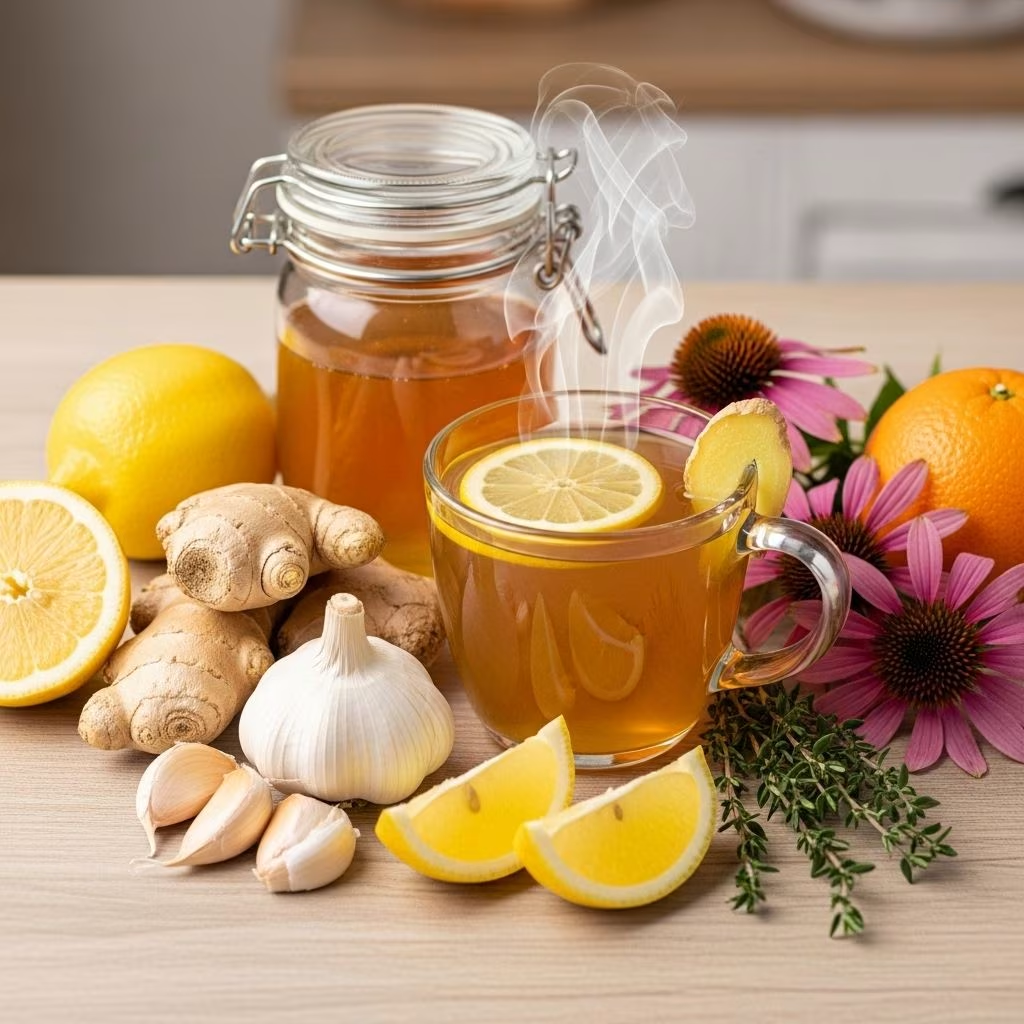
Proven Natural Remedies to Fight Colds & Flu
With seasonal illnesses such as the common cold and influenza affecting millions every year, many people turn to nature’s pharmacy for relief and speedier recovery. While these remedies are not substitutes for medical treatment in serious cases, they offer practical and supportive ways to manage symptoms, nurture the immune system, and promote overall wellbeing during illness.
Understanding Colds & Flu
Colds and influenza (flu) are both respiratory illnesses caused by different viruses. The symptoms of each can overlap—such as a runny or stuffy nose, sore throat, cough, and general malaise—yet the flu often causes higher fevers, chills, body aches, and can progress to more severe complications. While no remedy can cure a cold or flu, natural approaches can help:
- Ease discomfort
- Support the immune system
- Shorten recovery time
Classic Home Remedies for Cold & Flu Relief
1. Chicken Soup: The Traditional Comfort Food
Chicken soup is more than an old wives’ tale. Its warm broth hydrates the body, soothes sore throats, and may help reduce congestion by promoting mucus flow. The comforting nature of chicken soup, especially when enriched with vegetables and herbs, provides light nutrition and immune support.
- Rich in vitamins from vegetables and proteins from chicken
- Steam and warmth help relieve nasal congestion
- May reduce the movement of neutrophils, allowing immune cells to target infection sites
2. Stay Hydrated
Proper hydration is critical during illness. Fluids thin mucus and keep airways moist, making it easier to expel. Hydration also supports every metabolic process necessary for healing.
- Drink water, herbal teas, fresh juices, and broths
- Avoid caffeine, sugary sodas, and alcohol—which dehydrate
3. Rest and Sleep
Rest allows your body to focus its energy on the immune response. Poor sleep or pushing too hard may prolong illness and increase susceptibility to complications. Listen to your body’s cues and prioritize restful sleep.
4. Honey and Lemon
The combination of honey and lemon makes a classic, soothing beverage for sore throats and cough relief. Honey’s natural antibacterial and antimicrobial properties, when combined with vitamin C-rich lemon, offer a gentle yet effective remedy.
- Honey acts as a cough suppressant
- Lemon’s vitamin C may boost immunity and help reduce phlegm
- Warning: Do not give honey to babies under one year old
5. Ginger
Ginger root features anti-inflammatory, antioxidant, and antimicrobial benefits. Used as a tea, ginger can help soothe a sore throat, reduce muscle aches, and calm an upset stomach often associated with viral infections.
- Simmer fresh ginger slices in hot water
- Add lemon and honey for enhanced benefits
6. Steam Inhalation
Inhaling steam helps moisten and clear nasal passages, reduce congestion, and soothe irritated airways. Optional addition: eucalyptus oil enhances the effect due to its menthol aroma and mild antimicrobial properties.
- Lean over a bowl of steaming water, covering your head with a towel to trap steam
- Breathe deeply through nose and mouth
- Use caution to prevent burns; keep water at a safe temperature
7. Saltwater Gargle
Gargling with warm salt water can reduce throat pain and inflammation, helping to flush out bacteria and temporarily soothe discomfort.
- Mix 1/2 tsp of salt in a cup of warm water
- Gargle several times daily as needed
8. Nasal Irrigation
Saline sprays or nasal irrigation with a neti pot can clear nasal passages, reduce congestion, and decrease the risk of sinus infections, especially when performed safely with sterile, distilled, or previously boiled water.
9. Warm Baths & Compresses
A warm bath or a moist heat compress across the forehead may help reduce body aches, ease chills, and provide symptomatic comfort, especially for children and those unable to take oral medicines easily.
Herbal and Supplement Support
1. Garlic
Garlic is prized for allicin, a compound with possible antiviral and antibacterial actions. Increasing garlic in the diet during cold and flu season may help reduce the risk or severity of illness.
- Add raw garlic to dressings, dips, or soups
- Supplemental forms are available but may be unnecessary with adequate food intake
2. Echinacea
Echinacea, an herbal extract from the coneflower plant, is thought to stimulate immune activity. While evidence for its effectiveness in reducing the severity or length of colds is mixed, some studies suggest it may help prevent colds when used early or regularly during high-risk periods.
- Available as teas, drops, or capsules
- May reduce risk or severity; effectiveness varies by preparation and individual response
3. Elderberry
Elderberry (Sambucus nigra) is rich in antioxidants—especially anthocyanins—which support immune defenses. Preliminary research indicates elderberry extracts may reduce the duration and intensity of flu symptoms when taken at the first sign of illness.
- Most effective as syrups or standardized extracts at the onset of symptoms
- Check for possible drug interactions if you take medications
4. Probiotics
Gut health plays an important role in immune function. Probiotic-rich foods or supplements may help fortify the body’s natural defenses and support recovery.
- Include yogurt with live cultures, kefir, sauerkraut, kimchi, and miso in your diet
- Supplement options available for targeted strains known to support immunity
5. Vitamin C
Vitamin C is a potent antioxidant that contributes to various immune mechanisms. While not a guaranteed cure, regular dietary intake may shorten the duration and severity of colds and enhance recovery.
- Eat citrus fruits, berries, kiwi, capsicum, and leafy greens
- Supplementation not shown to prevent colds but may provide modest benefit for reducing severity and duration
6. Zinc
Zinc is critical for immune health. Zinc lozenges or supplements can help reduce the duration and intensity of cold symptoms if taken within 24–48 hours of symptom onset. However, overuse may lead to side effects, including nausea and taste disturbances.
- Natural sources: meat, seafood, nuts, seeds
- Do not exceed 20 mg/day without advice; higher doses can cause adverse effects
Essential Lifestyle Tips for Recovery & Prevention
- Wash hands frequently—to prevent virus spread
- Avoid close contact—especially with those who are sick
- Disinfect surfaces—particularly in shared spaces
- Practice respiratory hygiene—cover coughs and sneezes, dispose of tissues promptly
Self-Care Do’s & Don’ts During Illness
| Do | Don’t |
|---|---|
| Drink lots of fluids | Drink alcohol or excessive caffeine |
| Eat nourishing foods | Skip meals or eat junk food |
| Rest and sleep | Overexert or ignore fatigue |
| Use gentle home remedies (honey, ginger, steam) | Use antibiotics for viral infections (unless prescribed) |
| Monitor symptoms | Ignore signs of worsening symptoms |
When to Seek Medical Help
While most colds and flu resolve naturally, consult a healthcare provider if you develop:
- Shortness of breath or chest pain
- High fever (especially if persistent)
- Severe headache, neck stiffness, or confusion
- Dehydration or inability to keep fluids down
- Worsening symptoms after initial improvement
- Symptoms lasting longer than 10 days without improvement
FAQs about Natural Cold & Flu Remedies
Q: Can I cure a cold or flu with home remedies?
A: While there’s no cure, natural remedies help manage symptoms and may shorten the duration of illness.
Q: Is it safe to use herbal supplements with medications?
A: Consult a healthcare professional before combining herbal remedies or supplements with prescription medication, especially if you have existing conditions.
Q: What’s the best way to boost my immune system naturally?
A: Eat a balanced diet rich in fruits and vegetables, get enough sleep, manage stress, and incorporate healthy movement into your days.
Q: Are there risks to taking too much vitamin C or zinc?
A: Excessive intake of vitamin C (over 2000 mg/day) may cause stomach distress. Too much zinc (over 40 mg/day) can result in nausea and interfere with copper absorption.
Q: Should children use the same home remedies as adults?
A: Some remedies—such as honey—should not be used in children under one year. Dosages for supplements and herbs must be age appropriate; consult a pediatrician first.
Conclusion
With thoughtful self-care, symptom relief, and immune support, most cases of cold and flu can be managed at home using nature’s trusted remedies. For persistent or severe symptoms, always seek medical advice. With consistency, these remedies not only alleviate discomfort but may help you recover faster and foster better long-term health.
References
- https://www.webmd.com/cold-and-flu/14-tips-prevent-colds-flu-1
- https://www.piedmont.org/living-real-change/9-natural-cold-and-flu-remedies
- https://www.mayoclinic.org/diseases-conditions/common-cold/in-depth/cold-remedies/art-20046403
- https://www.nccih.nih.gov/health/tips/tips-natural-products-for-the-flu-and-colds-what-does-the-science-say
- https://www.elliothospital.org/about-us/newsroom/news/cold-and-flu-home-remedies-natural-treatments-and-when-seek-help-virtualer
- https://www.healthline.com/health/cold-flu/home-remedies
- https://www.healthychildren.org/English/health-issues/conditions/chest-lungs/Pages/caring-for-kids-with-colds-and-flu-simple-remedies-that-help.aspx
- https://healthy.kaiserpermanente.org/health-wellness/healtharticle.6-natural-cold-remedies-try-this-winter
- https://medlineplus.gov/ency/patientinstructions/000466.htm
- https://pmc.ncbi.nlm.nih.gov/articles/PMC3024156/


