


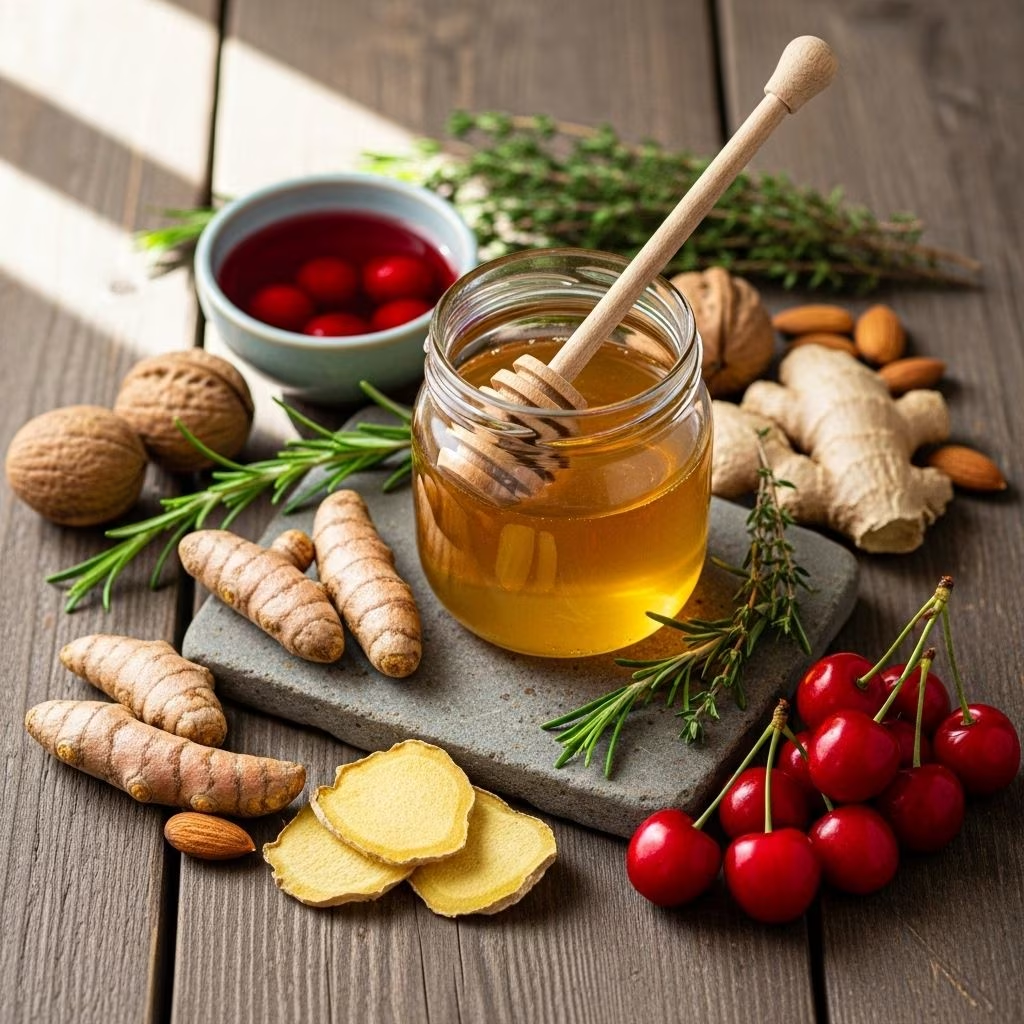
Natural Remedies for Joint Pain Relief
Joint pain is a common complaint, often stemming from conditions such as arthritis, injury, or overuse. While conventional treatments are available, many people seek natural remedies to relieve joint discomfort, improve mobility, and enhance quality of life. In this comprehensive guide, we explore evidence-based approaches—ranging from home remedies and anti-inflammatory foods to herbs, supplements, and lifestyle changes—to help you find relief in a holistic way.
Understanding Joint Pain: Causes and Symptoms
Joint pain can result from a range of sources, including:
- Osteoarthritis (OA): Degenerative joint disease affecting cartilage.
- Rheumatoid arthritis (RA): An autoimmune disorder causing inflammation.
- Injury or repetitive strain: Overuse, trauma, or sports-related impact.
Common symptoms include stiffness, swelling, reduced mobility, and varying degrees of pain. Chronic joint pain can impact daily activities, sleep, and mood, but natural strategies can provide significant relief alongside or even in place of pharmaceuticals for many individuals.
Home Remedies for Soothing Joint Pain
Certain at-home practices can offer rapid comfort and complement long-term joint health strategies. These remedies can be particularly helpful for flare-ups or persistent challenges.
Heat and Cold Therapy
- Heat therapy—such as warm showers, heating pads, or paraffin wax baths—can relax muscles, loosen stiff joints, and increase circulation.
- Cold therapy—using ice packs or cold compresses—can numb sharp pain, reduce inflammation, and decrease swelling.
For best results, alternate heat and cold for 15 minutes each, resting the skin in between. Caution: Avoid heat on inflamed or swollen joints, and avoid cold if you have circulatory problems or open wounds.
Epsom Salt Soaks
An age-old home remedy, soaking sore joints in a warm bath with Epsom salts may relax muscles, ease stiffness, and promote a temporary sense of well-being, even though rigorous scientific studies are limited. Always confirm suitability with your healthcare provider, especially for prolonged or frequent soaks.
Gentle Exercise and Movement
- Low-impact exercises, such as walking, swimming, and cycling, help lubricate joints and maintain mobility.
- Stretching and range-of-motion routines reduce stiffness and encourage flexibility.
- Avoid prolonged periods of inactivity, as this can lead to further joint stiffness.
Exercise also helps maintain a healthy weight, reducing joint load and inflammation.
Anti-Inflammatory Foods for Joint Wellness
Nutrition plays a critical role in managing joint pain by addressing underlying inflammation and supporting overall joint structure.
The Power of Fruits, Vegetables, and Whole Grains
- Colorful fruits and veggies (e.g., berries, cherries, leafy greens) contain antioxidants that neutralize damaging free radicals.
- Whole grains (oats, quinoa, brown rice) are rich in fiber and micronutrients, which may help reduce inflammation.
A well-rounded diet also supports healthy weight, and every pound of weight loss reduces knee joint pressure by about four pounds.
Key Anti-Inflammatory Nutrients and Spices
| Food or Supplement | Main Benefits | How to Use |
|---|---|---|
| Turmeric (Curcumin) | Blocks inflammatory pathways; reduces pain & swelling | Add to curries, smoothies; take as supplement |
| Ginger | Anti-inflammatory; reduces OA and RA pain; similar in effect to NSAIDs | Fresh, in teas, or as extract supplement |
| Omega-3s (fish, flaxseed, walnuts) | Reduces joint tenderness and stiffness; supports heart health | Eat fatty fish, nuts, or supplement with oil |
| Cherry Juice (anthocyanins) | Reduces joint pain and inflammation | Drink juice or eat fresh cherries (unsuitable for diabetics) |
| Green Tea | Antioxidant and anti-inflammatory polyphenols | Brew as tea |
Regularly incorporating these foods can provide ongoing support for joint health.
Herbal Remedies for Natural Joint Relief
Various herbs have long histories in traditional medicine for treating joint discomfort. Some of the most researched options include:
- Aloe vera: Used topically as a gel, may reduce joint inflammation and is generally well-tolerated.
- Boswellia (Frankincense): Anti-inflammatory properties; small studies show improved pain, function, and stiffness.
- Cat’s claw: Reduces swelling for RA; limited but promising research.
- Eucalyptus: Used in topical applications for pain relief.
- Ginger: Reduces pain and inflammation, especially in OA and RA.
- Willow bark: Contains salicin, a natural compound similar to aspirin.
- Thunder god vine: Potent, but use with caution and only under physician guidance due to possible side effects.
While herbal remedies can be useful, always consult your healthcare provider, as herbs can interact with medications and carry side effects—especially if immunosuppressed or using blood thinners.
Natural Supplements that May Aid Joint Comfort
Several dietary supplements are popular for joint pain management. These should be used as part of a comprehensive strategy and discussed with a healthcare professional.
- Turmeric Curcumin: Take with black pepper and healthy fats to improve absorption.
- Omega-3 Fatty Acids: Especially from marine sources, for reducing joint inflammation.
- Collagen: Provides the building blocks for cartilage and joint tissue repair.
- Chondroitin & Glucosamine: May support cartilage and alleviate symptoms in some people.
- Vitamin D: Supports bone & immune health, may help ease discomfort.
- Magnesium: For muscle relaxation and support in joint health.
Supplements are not a replacement for a healthy lifestyle and balanced diet, but can offer additional support.
Lifestyle Modifications for Lasting Relief
Small but consistent lifestyle changes significantly improve joint pain and prevent further damage:
- Maintain a healthy weight to minimize joint load and systemic inflammation.
- Stay active with safe, regular exercise to keep joints mobile.
- Practice joint protection by using assistive devices or regrouping activities that stress painful joints.
- Get ample rest between periods of activity to allow repair and recovery.
- Quit smoking, as tobacco impairs blood flow to joint tissues and delays healing.
Combining these practices with dietary and supplemental support provides the best path to improved joint function and comfort.
Complementary Approaches to Joint Pain Relief
- Massage Therapy: Improves circulation, reduces muscle tension, and increases relaxation.
- Acupuncture: Traditional Chinese Medicine technique shown to reduce pain for some people with arthritis.
- Topical Creams and Gels: OTC products containing menthol, capsaicin, or salicylates deliver temporary joint relief when applied to the skin.
- Paraffin Wax Baths: Especially beneficial for hand and foot joint stiffness.[10]
- Biofeedback and Mindfulness: Techniques to reframe experience of pain and improve coping.[10]
Integrating one or more of these approaches may enhance the effects of dietary, supplemental, and home-based strategies for joint pain management.
When to Seek Medical Advice
While natural remedies and lifestyle changes provide relief for many, consult a healthcare professional if you experience:
- Persistent or worsening pain unresponsive to home care.
- Significant joint swelling, redness, or warmth (could indicate infection).
- Sudden, severe joint pain.
- Difficulty bearing weight or loss of joint function.
Timely medical assessment ensures that underlying causes are properly diagnosed and that treatment options are individualized.
Frequently Asked Questions (FAQs)
Are there risks to using herbal remedies for joint pain?
Most herbs are safe for occasional use, but some can interact with medications, especially blood thinners or immunosuppressants. Always consult your physician before starting a new supplement or herb.
How quickly can I expect relief from natural remedies?
Relief varies, but many people notice improvements over several weeks of consistent dietary and lifestyle changes. Some home remedies (heat/cold, soaking, massage) may provide more immediate but temporary relief.
Should I stop my prescribed medications if these remedies help?
Never stop prescription medications without consulting your healthcare provider. Natural remedies work best as supportive therapies within an integrated medical approach.
Which supplements are backed by the most evidence for relieving joint pain?
Turmeric (curcumin), omega-3 fatty acids, and some herbal extracts (such as Boswellia and ginger) have the most scientific support. Effectiveness varies by individual, and safety should always come first.
What foods should I avoid to help reduce joint pain?
Highly processed foods, excess sugar, refined grains, and trans fats can worsen inflammation. Focus on whole, nutrient-rich foods and stay hydrated.
Summary
Whether your joint pain stems from arthritis, injury, or overuse, integrating natural remedies and lifestyle adaptations offers safe, sustainable relief for most people. By embracing an anti-inflammatory diet, leveraging herbs and supplements, and making wise lifestyle choices, you can reduce pain, improve flexibility, and restore activity. For best results, discuss your plan with a healthcare provider to ensure safety and maximize long-term benefits.
References
- https://orthopedicinstitutesf.com/home-remedies-for-joint-pain-relief-that-truly-work/
- https://www.healthline.com/health/osteoarthritis/herbs-arthritis-pain
- https://www.brownhealth.org/be-well/foods-fighting-inflammation-arthritis-and-joint-pain
- https://utswmed.org/medblog/supplements-for-back-joint-muscle-pain/
- https://rheumatology.org/herbal-remedies-supplements-acupuncture-for-arthritis
- https://www.arthritis.org/health-wellness/healthy-living/managing-pain/pain-relief-solutions/finding-the-best-joint-pain-relief
- https://www.mayoclinic.org/diseases-conditions/arthritis/in-depth/arthritis/art-20046440
- https://www.uclahealth.org/news/article/managing-arthritis-6-natural-ways-improve-mobility-and
- https://www.healthpartners.com/blog/hand-arthritis-relief/
- https://www.webmd.com/rheumatoid-arthritis/rheumatoid-arthritis-natural-treatments


