


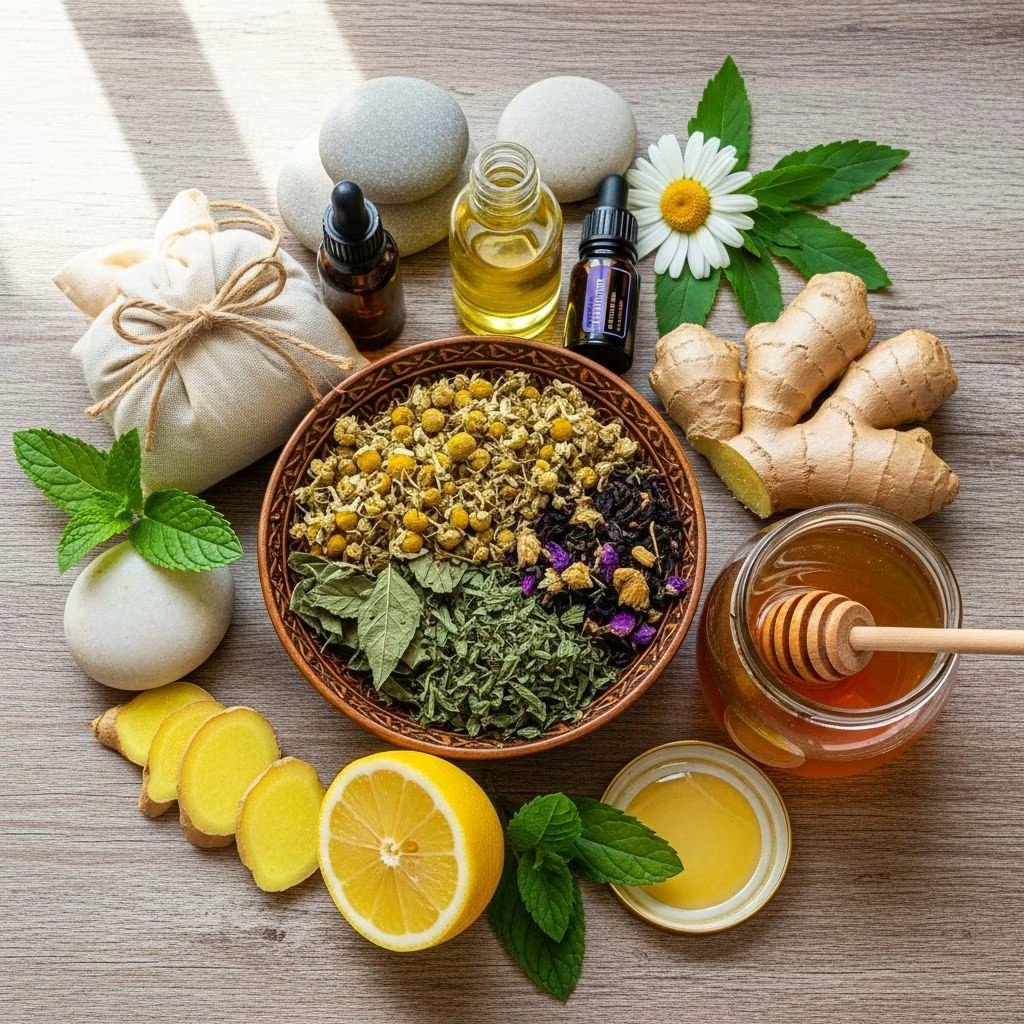
Natural Remedies for PMS: Relief, Prevention, and Wellbeing
Premenstrual syndrome (PMS) affects millions of women worldwide, presenting a variety of physical and emotional symptoms in the days or weeks leading up to menstruation. While over-the-counter medications are widely used, many seek natural remedies to alleviate discomfort and promote overall health. This guide provides an in-depth look at science-backed herbal treatments, dietary supplements, lifestyle changes, and holistic self-care practices for effectively managing PMS symptoms.
What is PMS and How Does It Affect You?
PMS (Premenstrual Syndrome) describes the group of symptoms women commonly experience in the luteal phase of their menstrual cycle. Symptoms vary greatly and can include:
- Bloating and water retention
- Breast tenderness or swelling
- Mood swings, irritability, or depression
- Headaches or migraines
- Abdominal cramping
- Fatigue or trouble sleeping
The exact cause of PMS is not fully understood, but hormonal fluctuations, neurotransmitter changes, and lifestyle factors are known contributors. Finding the right strategies, including natural remedies, can make symptoms more manageable and improve daily life.
Herbal Remedies for PMS Relief
A number of herbal supplements have been traditionally used to alleviate PMS symptoms. These remedies are popular for their supportive effects, though clinical evidence is mixed and safety and interactions must be considered before use. Consult a healthcare professional before beginning any new supplement.
Popular Herbal Supplements
| Herb | Key Benefits | Typical Dosage | Precautions |
|---|---|---|---|
| Chasteberry (Vitex agnus-castus) | Balances hormones, relieves irritability, mood swings, breast discomfort, and bloating | 20 mg extract/capsule once daily | Can cause mild gut disturbance or rash; avoid in pregnancy |
| Evening Primrose Oil | May ease breast tenderness and reduce inflammation | 500–1000 mg daily | Avoid if history of seizures/epilepsy |
| Gingko Biloba | Reduces bloating, fatigue, and insomnia | 40 mg three times daily | May interact with blood thinners |
| St John’s Wort | Alleviates mood disturbances, anxiety, and depression | 300 mg two to three times daily | Interactions with antidepressants, contraceptives; avoid in pregnancy |
| Red Clover | May relieve premenstrual breast pain | 40–80 mg daily | Not suitable for those on blood thinners or with estrogen-sensitive tumors |
| Traditional Chinese Medicine (TCM) | Addresses hormonal disturbance, PMS | Individualized, prescribed by a professional | Consult a qualified TCM practitioner |
Herbal treatments vary in potency and side effects. Quality, sourcing, and dosage are important factors, so select reputable products and discuss with your healthcare provider.
Dietary Supplements and Vitamins
Evidence suggests that several vitamins and minerals may ease PMS symptoms by promoting hormonal balance, reducing inflammation, and supporting nerve and muscle function.
- Calcium: May help reduce bloating, fatigue, irritability, and cramps. Suggested dose is 1200 mg daily.
- Magnesium: Supports sleep quality, reduces headaches, bloating, and anxiety. Try supplementing 200–400 mg daily, preferably at night.
- Vitamin B6: May ease mood changes and fatigue. Dosage recommendations range from 50–100 mg daily but consult a professional to avoid excess intake.
- Vitamin E: Offers antioxidant support and may reduce breast tenderness.
Ensuring sufficient intake of these vitamins through diet or supplementation may help optimize overall menstrual health. Always follow recommended doses and avoid combining supplements without advice from your doctor.
Nutrition and Diet for PMS Relief
Eating a balanced, anti-inflammatory diet can be key in reducing PMS symptoms. Consider the following dietary tips:
- Increase Fiber: Whole grains, legumes, fruits and vegetables help regulate hormones and digestion.
- Reduce Salt: Cutting down on sodium may lessen bloating and water retention.
- Limit Sugar and Refined Carbs: Stabilizes blood sugar to prevent mood swings and cravings.
- Boost Omega-3s: Found in fatty fish, walnuts, and flaxseed for inflammation control.
- Stay Hydrated: Drinking water helps manage bloating and improves wellbeing.
Meal planning and regular meals may help maintain energy, control appetite changes, and improve mood throughout your cycle.
Self-Care and Lifestyle Strategies
Lifestyle changes are essential to comprehensive PMS management. These practices address both physical and emotional wellbeing.
Stress Reduction and Relaxation
- Meditation: Mindfulness or guided meditation lowers stress and improves mood.
- Yoga: Gentle stretching is proven to relieve cramps and promote relaxation.
- Aromatherapy: Essential oils like lavender, clary sage, and chamomile can reduce anxiety and aid sleep.
Exercise
- Regular Physical Activity: Aerobic exercises, brisk walking, or swimming can decrease fatigue and boost endorphins.
- Strength Training: Builds energy and resilience over time.
Sleep Hygiene
- Consistent Bedtime Routine: Promote better sleep to ease PMS mood disturbances.
- Avoid Excess Stimulants: Reduce caffeine and screen time before bed.
Simple lifestyle tweaks can make a marked difference in symptom severity and menstrual quality of life.
Holistic Therapies and Alternative Approaches
- Acupuncture: Some research suggests acupuncture may help regulate cycles and relieve PMS symptoms.
- Massage Therapy: Promotes relaxation, reduces muscle tension, and may improve mood.
- Guided Relaxation: Visualization and breathing exercises can be powerful stress reducers.
These therapies should be undertaken with certified practitioners and integrated thoughtfully alongside other self-care methods.
When to Seek Medical Advice
If PMS symptoms are severe, prolonged, or affect your ability to function, seek advice from a medical professional. Similarly, if natural remedies are not providing sufficient relief or you experience side effects, evaluation and a tailored treatment plan may be necessary. Consider support for:
- Premenstrual Dysphoric Disorder (PMDD)
- Persistent pain or severe mood symptoms
- Concerns about medication and supplement interactions
Frequently Asked Questions (FAQs)
What are the most effective herbal remedies for PMS?
Herbs including chasteberry, evening primrose oil, St John’s Wort, and gingko have been studied for PMS. Effectiveness varies, and consulting with a healthcare professional is important before starting any supplement.
Can dietary changes really help PMS?
Yes, increasing fiber, reducing salt and sugar, and including omega-3 rich foods have shown benefit in reducing PMS symptoms. Balanced meals and hydration also support overall cycle health.
Which vitamins are most helpful for PMS relief?
Studies support the use of calcium, magnesium, vitamin B6, and vitamin E for symptom relief. Dosage should be supervised by a professional to prevent excess intake.
Are natural remedies safe for everyone?
Not all remedies are appropriate for every individual. Herbal supplements can interact with medications or be contraindicated in certain health conditions. Always discuss any new treatment with your doctor or a qualified practitioner first.
How does stress impact PMS?
Stress can worsen both physical and emotional PMS symptoms. Practices such as meditation, yoga, aromatherapy, and regular exercise are recommended to lower stress and balance mood.
What should I do if natural remedies aren’t enough?
If symptoms persist or interfere with your daily life, consult a healthcare provider for evaluation and guidance. Prescription medications, therapy, or other interventions may be necessary for severe cases.
Summary Table: PMS Management Options
| Approach | Target Symptoms | Best For |
|---|---|---|
| Herbal Supplements | Mood swings, breast tenderness, irritability | Women without contraindications or medication interactions |
| Dietary Supplements | Cramps, fatigue, headaches, mood | Those with deficiencies or mild symptoms |
| Lifestyle Changes | Emotional and physical symptoms at large | Most women; universal benefits |
| Holistic Therapies | Relaxation, pain control, sleep | Those interested in complementary approaches |
| Medical Evaluation | Severe, persistent, or disruptive PMS/PMDD | Women not finding relief through natural means |
Conclusion
There is no one-size-fits-all solution for PMS, but a combination of herbal remedies, targeted supplements, well-balanced nutrition, exercise, and holistic therapies provides a toolkit for long-term relief and wellbeing. Always seek professional advice when considering new remedies, and listen to your body’s signals for optimal self-care during every phase of your cycle.
References
- https://www.dramersi.com/blog/holistic-treatment-for-pms
- https://www.kernodle.com/obgyn_blog/5-natural-remedies-for-pms-symptoms/
- https://www.healthline.com/health/womens-health/pmdd-natural-treatment
- https://www.ncbi.nlm.nih.gov/books/NBK72353/
- https://www.thewomens.org.au/health-information/periods/healthy-periods/complementary-and-alternative-therapies
- https://my.clevelandclinic.org/health/diseases/24288-pms-premenstrual-syndrome
- https://goodhealthpsych.com/blog/pmdd-natural-solutions-can-natural-remedies-replace-medications/
- https://www.tisserand.com/blogs/all-blog-articles/5-natural-remedies-for-pms-to-help-you-manage-your-mood


