


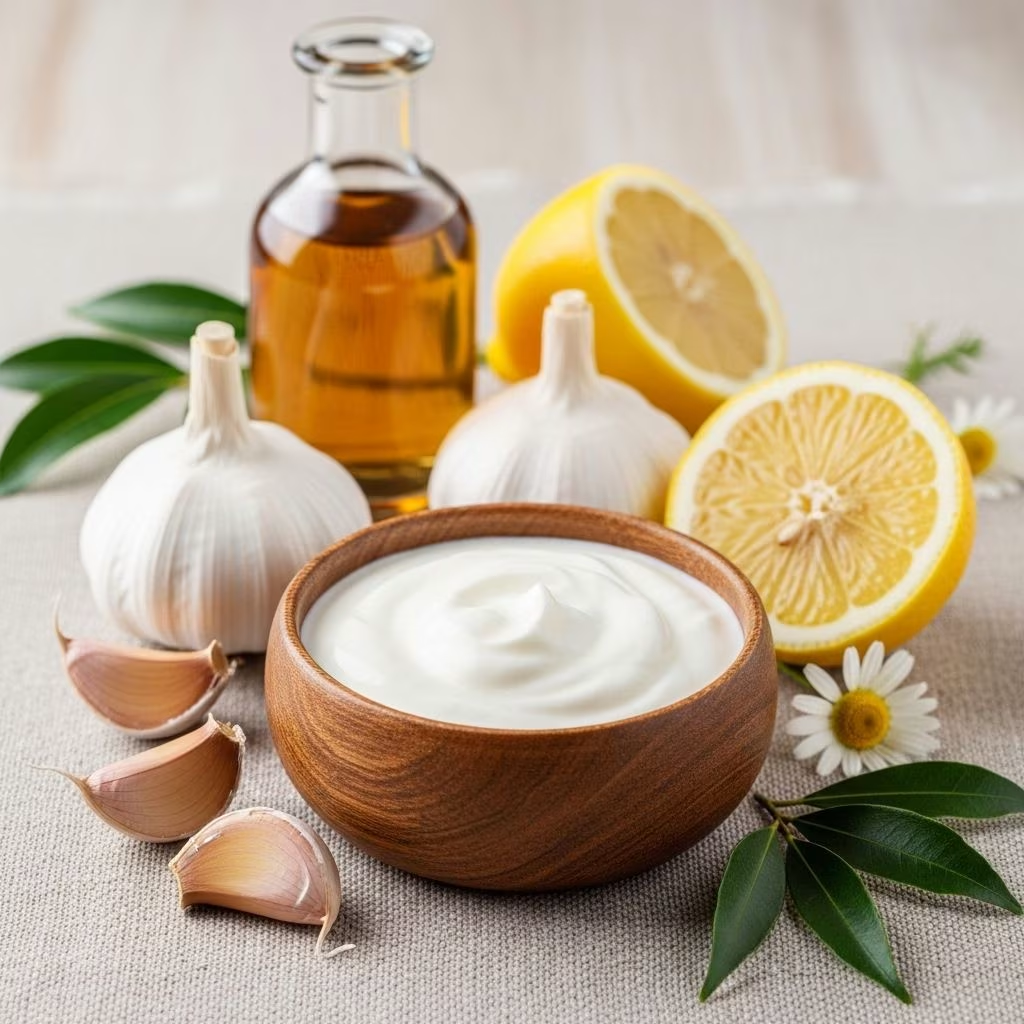
Yeast infections are an incredibly common concern affecting millions of women worldwide. While over-the-counter antifungal medications remain the gold standard for treatment, many women seek natural alternatives for relief from uncomfortable symptoms. Understanding which home remedies actually work and how to use them safely can make a significant difference in managing this frustrating condition.
Vaginal yeast infections occur when there’s an overgrowth of Candida albicans, a naturally occurring fungus that lives on the body. When the delicate balance of bacteria and yeast in the vagina is disrupted, symptoms like itching, burning, and thick white discharge can develop. Various factors can trigger this imbalance, including antibiotics, hormonal changes, diabetes, and a weakened immune system.
Understanding Yeast Infections and Their Causes
Before exploring natural remedies, it’s essential to understand what causes yeast infections. Candida albicans is a fungus that naturally resides in the body, including the mouth, gut, and vagina. Under normal circumstances, beneficial bacteria keep this fungus in check. However, when something disrupts this balance, yeast can multiply rapidly, leading to infection.
Common triggers include taking antibiotics, which kill both harmful and beneficial bacteria, creating an environment where yeast can flourish. Hormonal fluctuations during pregnancy, menstruation, or while taking birth control pills can also increase susceptibility. Additionally, wearing tight clothing, using scented feminine products, having uncontrolled diabetes, or experiencing high stress levels can all contribute to yeast overgrowth.
Recognizing the symptoms early can help you address the infection promptly. Typical signs include intense itching and irritation in the vaginal area, a thick white discharge resembling cottage cheese, redness and swelling of the vulva, burning sensations during urination or intercourse, and soreness. If you’re experiencing these symptoms for the first time, it’s crucial to consult a healthcare provider for proper diagnosis before attempting any home remedies.
Probiotics: Restoring Balance Naturally
Probiotics represent one of the most scientifically supported natural approaches to managing yeast infections. These beneficial bacteria, particularly Lactobacillus acidophilus, play a crucial role in maintaining vaginal health by promoting a healthy balance of microorganisms in the body. Lactobacillus acidophilus is a type of probiotic found naturally in the human gut, mouth, and vagina, as well as in certain foods.
Research from 2017 suggests that consuming yogurt helps expand the gut microbiome, which can help reduce yeast throughout the body. Probiotic supplements and suppositories may help fight yeast infections when combined with antifungal medications, though their effectiveness as a standalone treatment remains under investigation. The key is consistency and choosing high-quality probiotic products containing the right strains of bacteria.
You can incorporate probiotics into your routine through various methods. Taking daily probiotic supplements containing Lactobacillus strains provides systemic support. Some women also use probiotic suppositories specifically designed for vaginal health. Additionally, consuming probiotic-rich foods like yogurt, kefir, sauerkraut, and kombucha can help maintain a healthy bacterial balance from the inside out.
Greek Yogurt: A Probiotic Powerhouse
Greek yogurt containing live cultures deserves special attention as both a preventative measure and potential treatment option. Yogurt is considered a probiotic because it contains live bacteria such as Lactobacillus acidophilus, which helps promote a healthy vaginal environment and can help address overgrowth caused by imbalances.
A 2015 study found that a mixture of yogurt and honey improved symptoms of vaginal yeast infections. The yogurt provides beneficial bacteria while honey offers antimicrobial properties. When selecting yogurt for therapeutic purposes, always choose plain Greek yogurt without any added sugar, flavoring, or fruit. Added sugars can actually fuel Candida growth, counteracting the beneficial effects.
There are several ways to use yogurt for yeast infection relief. The safest and most recommended method is simply eating plain Greek yogurt regularly to support overall bacterial balance. Some women apply unsweetened yogurt topically to the vulva around the vagina for external relief. While some sources mention vaginal insertion using clean applicators, it’s important to discuss this approach with a healthcare provider first to ensure it’s appropriate for your situation.
Boric Acid: A Powerful Antifungal Option
Boric acid suppositories are definitely one of the most popular home treatments for yeast infections, particularly for recurrent infections. Boric acid has natural antifungal properties and acts as a powerful antiseptic. Some people find it effective for clearing up yeast infections resistant to other remedies. Boric acid vaginal suppositories may be used in combination with medications to treat vaginal infections.
However, boric acid must be used with extreme caution. It should never be taken orally, as it can be fatal if swallowed. Boric acid is toxic in large amounts and can lead to kidney damage, acute circulatory system failure, and death if absorbed in excessive quantities. Pregnant women should never use boric acid in any form. Additionally, avoid using boric acid on broken skin, and discontinue use immediately if you experience any discomfort.
If you decide to try boric acid suppositories, purchase them from reputable pharmacies or health stores. Typical protocols involve inserting one suppository vaginally at bedtime for a specified duration, usually ranging from three to fourteen days depending on the severity of the infection. Always consult with a healthcare provider before starting boric acid treatment to ensure it’s appropriate for your specific situation.
Essential Oils: Tea Tree and Oregano
Essential oils like tea tree and oregano have gained popularity as natural antifungal treatments. Many plants and fungi produce natural antifungal compounds as defense mechanisms, which has led people to explore their potential against Candida infections. However, the science behind their effectiveness for vaginal yeast infections is limited and requires careful consideration.
Tea tree oil has natural antifungal properties and some studies have suggested it has potential to fight funguses, including Candida albicans, the strain responsible for most vaginal yeast infections. However, the effects on yeast infections haven’t been proven in human studies. A few drops of tea tree oil must be diluted with a carrier oil like olive or avocado oil before being applied topically to affected external areas. Never ingest tea tree oil as it can be toxic if swallowed. Tea tree oil can also cause stinging, burning, and irritation as side effects.
Oregano oil contains an active ingredient called carvacrol, which some studies have found helpful against certain bacteria. While one 2018 study tested topically applied oregano oil for clearing biofilms from wound infections, there’s a significant problem: all organisms that carvacrol has been tested on aren’t typically found in the vagina, and tests were conducted in laboratories or on mice rather than humans. More concerning, one study found that carvacrol inhibits the growth of multiple Lactobacillus species, the beneficial bacteria essential for vaginal health. Without human trials, it remains unclear whether oregano oil is effective or safe for vaginal use.
Coconut Oil: Soothing and Antifungal
Coconut oil has emerged as a popular natural remedy with legitimate antifungal properties. Research suggests that coconut oil can be effective against yeast overgrowth, and at minimum, it can likely soothe itching and irritation associated with infections. The medium-chain fatty acids in coconut oil, particularly lauric acid and caprylic acid, demonstrate antimicrobial activity against Candida species.
To use coconut oil for yeast infection relief, purchase pure, organic, unrefined coconut oil. Apply it directly to external affected areas to reduce inflammation and discomfort. Some women also use coconut oil as a carrier oil when diluting more potent essential oils like tea tree oil. The oil creates a protective barrier on the skin while delivering antifungal benefits.
Coconut oil is generally well-tolerated and produces minimal side effects, making it one of the safer home remedies to try. It can be applied multiple times daily as needed for symptom relief. However, remember that while coconut oil may help with external symptoms and potentially inhibit yeast growth, it may not completely eliminate an established infection on its own.
Apple Cider Vinegar: The Acidic Approach
Apple cider vinegar baths represent another popular home remedy for yeast infections. Vinegar has many medicinal uses, and when you add a half cup of raw, unfiltered apple cider vinegar to a lukewarm bathtub and soak for 20 minutes, the acidic component may help eliminate harmful microorganisms, including yeast. The acidity can help restore the vaginal pH balance that yeast infections disrupt.
It’s crucial to understand that an apple cider vinegar bath is not the same as douching. Douching was designed to flush out all bacteria but actually eliminates both good and bad bacteria from the vagina, leaving you more prone to recurrence. Avoid douching with apple cider vinegar or any other substance. Instead, stick to diluted baths or consider adding apple cider vinegar to your diet.
Important precautions: Vinegar can cause irritation with extended exposure, so observe how your body reacts and limit use if you experience negative side effects. Always dilute apple cider vinegar in water before it touches your skin. Never apply undiluted vinegar to sensitive vaginal tissues, as this can cause severe burning and damage.
Garlic: Ancient Remedy with Modern Controversy
Garlic has been used medicinally for centuries, and evidence suggests it may help kill Candida albicans, the fungus most responsible for yeast infections, though some strains may prove more effective than others. Research from 2019 examined the effect of using a garlic solution on mouth sores and found it could effectively help curb Candida growth, although garlic was less effective than nystatin, a standard antifungal medication.
If you want to try garlic to treat a yeast infection, the best approach is simply adding more fresh garlic to your diet. It won’t harm anything except your breath to increase your garlic consumption, and you may gain additional health benefits from garlic’s antimicrobial and immune-supporting properties.
Critical warning: Despite recommendations on some websites, never insert garlic cloves into your vagina. Reputable medical sources never endorse this approach because garlic can cause burning and stinging when applied to skin or mucosa, the moist and sensitive tissue that lines your mouth and vagina. The active compounds in garlic are too harsh for direct application to delicate vaginal tissues and can cause chemical burns and severe discomfort.
Additional Natural Remedies to Consider
Beyond the most common remedies, several other natural approaches may provide relief or support healing. A saltwater rinse can sometimes reduce and soothe yeast infections. Mix a half-teaspoon of salt into a cup of warm water and gently rinse the external area. The salt creates an inhospitable environment for yeast while reducing inflammation.
Maintaining proper hygiene without overdoing it is essential. Wear breathable cotton underwear and avoid tight-fitting clothes that trap moisture. Change out of wet swimsuits and workout clothes promptly. Avoid scented soaps, bubble baths, and feminine hygiene sprays that can disrupt vaginal pH and kill beneficial bacteria.
Dietary modifications can also support yeast infection treatment. Reducing sugar and refined carbohydrates may help, as yeast feeds on sugar. Increasing consumption of anti-inflammatory foods, probiotic-rich foods, and foods high in vitamins C and E can support immune function and vaginal health.
When to Seek Medical Attention
While home remedies can offer relief for mild yeast infections and are generally safe, it’s essential to consult with a healthcare professional if symptoms persist or worsen. Even if anecdotal evidence about the efficacy of home remedies is strong, scientific evidence remains scarce, and most healthcare providers still recommend traditional antifungal medications as first-line treatment.
You should definitely seek medical attention if this is your first suspected yeast infection and you need proper diagnosis, if symptoms don’t improve after several days of home treatment, if you experience severe symptoms including fever or pelvic pain, if you have recurrent infections (four or more per year), if you’re pregnant, or if you have diabetes or a compromised immune system. People with underlying health conditions or compromised immune systems should seek medical advice before trying home remedies.
It’s also important to rule out other conditions that can mimic yeast infections, such as bacterial vaginosis, sexually transmitted infections, or allergic reactions. Only a healthcare provider can provide accurate diagnosis through examination and laboratory testing.
Using Home Remedies Safely and Effectively
If you decide to try natural remedies for yeast infections, following safety guidelines is paramount. The best advice is to go slow. Talk to your healthcare provider first about which remedies might be appropriate for your situation. Don’t combine too many methods at once, as this makes it difficult to identify what’s causing relief or side effects. Discontinue use immediately if you experience any uncomfortable side effects such as increased burning, irritation, or unusual discharge.
Start with the gentlest approaches first, such as dietary probiotics and lifestyle modifications. Monitor your symptoms carefully and track what helps and what doesn’t. Give each remedy adequate time to work, typically several days, before deciding it’s ineffective. Remember that natural doesn’t automatically mean safe or effective for everyone.
Quality matters significantly when purchasing products for vaginal health. Choose organic, pure products without added fragrances, dyes, or unnecessary ingredients. Purchase from reputable sources and check expiration dates. For supplements, look for products that have been third-party tested for quality and purity.
Frequently Asked Questions
Q: Can I use yogurt directly in my vagina for a yeast infection?
A: While some sources mention this approach, it’s best to consult your healthcare provider first. The safest method is eating plain Greek yogurt to support overall bacterial balance. If applying topically, only use unsweetened yogurt on external areas, never inserting it deeply.
Q: How long do natural remedies take to work for yeast infections?
A: Natural remedies typically take longer than conventional antifungal medications. You may see some symptom improvement within 2-3 days, but complete resolution might take 7-14 days. If symptoms don’t improve after a few days or worsen, seek medical attention.
Q: Are home remedies safe during pregnancy?
A: Pregnant women should never use boric acid and should consult their healthcare provider before trying any home remedies. Some options like dietary probiotics and coconut oil may be safe, but always get medical clearance first as pregnancy requires extra caution.
Q: Can I prevent yeast infections naturally?
A: Yes, several natural strategies can help prevent yeast infections including taking daily probiotics, wearing breathable cotton underwear, avoiding douches and scented products, changing out of wet clothes promptly, reducing sugar intake, and managing stress levels effectively.
Q: What’s the difference between a yeast infection and bacterial vaginosis?
A: Yeast infections are caused by fungal overgrowth and typically produce thick white discharge, intense itching, and no odor. Bacterial vaginosis results from bacterial imbalance and causes thin grayish discharge with a fishy odor. Only a healthcare provider can diagnose which condition you have.
Q: Can men get yeast infections too?
A: Yes, men can develop yeast infections, typically affecting the penis. Symptoms include redness, itching, and irritation. While less common than in women, male yeast infections should also be treated promptly. Some of the same natural remedies may help, but medical consultation is recommended.
Q: Should I avoid sexual activity during a yeast infection?
A: It’s generally recommended to avoid sexual intercourse during a yeast infection as it can worsen irritation, delay healing, and potentially transmit the infection to your partner. Wait until symptoms completely resolve and treatment is finished before resuming sexual activity.
Q: Why do I keep getting yeast infections?
A: Recurrent yeast infections (four or more per year) can result from various factors including antibiotic use, uncontrolled diabetes, hormonal changes, weakened immune system, or resistant Candida strains. If you experience frequent infections, consult a healthcare provider to identify and address underlying causes.
Final Thoughts on Natural Yeast Infection Remedies
Natural remedies for yeast infections offer hope for women seeking alternatives to conventional medications or looking to complement traditional treatments. Probiotics, particularly through yogurt and supplements, show the most scientific promise for both prevention and treatment. Options like coconut oil and diluted tea tree oil may provide symptomatic relief with relatively low risk when used properly.
However, it’s crucial to approach natural remedies with realistic expectations and appropriate caution. Many popular home treatments lack robust scientific evidence from human clinical trials. What works for one person may not work for another, and some remedies can cause irritation or adverse effects if used incorrectly. The key is being informed, starting conservatively, monitoring your response carefully, and knowing when to seek professional medical care.
Remember that vaginal health is complex and maintaining the delicate balance of microorganisms requires a holistic approach. Beyond treating acute infections, focus on prevention through healthy lifestyle habits, proper hygiene, stress management, and dietary choices that support your immune system and beneficial bacteria. By combining natural prevention strategies with appropriate treatment when infections do occur, you can take control of your vaginal health and reduce the impact of yeast infections on your quality of life.
References
- https://asktia.com/article/home-remedies-yeast-infection-symptoms/
- https://www.healthline.com/health/womens-health/yeast-infection-home-remedy
- https://www.evvy.com/blog/home-remedies-for-yeast-infections
- https://www.webmd.com/women/remedies-yeast-infections
- https://www.mayoclinic.org/diseases-conditions/yeast-infection/diagnosis-treatment/drc-20379004
- https://www.medicalnewstoday.com/articles/317935
- https://www.ncbi.nlm.nih.gov/books/NBK543219/
- https://health.clevelandclinic.org/do-home-remedies-actually-work-for-yeast-infections


