


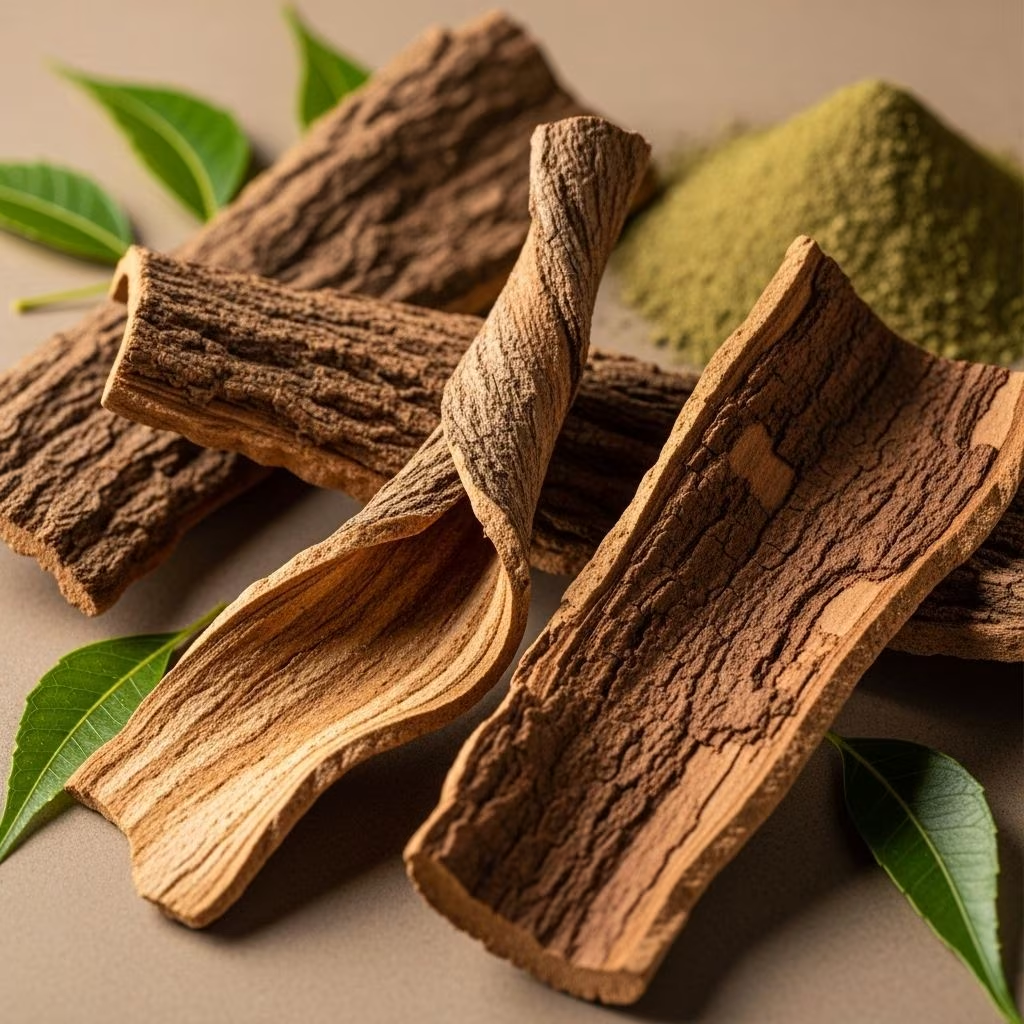
Neem bark, derived from the hardy Azadirachta indica tree, has held a revered place in traditional medicine for centuries. Widely used across the Indian subcontinent and beyond, neem bark is recognized not only for its robust medicinal profile but also for its characteristic bitter taste and myriad applications in daily life. This extensive guide explores every facet of neem bark: from its botanical origins and chemical constituents to its traditional and modern uses, proven health benefits, and what to expect if you ever taste it yourself.
Introduction: Neem Bark in Context
Neem bark is sourced from the neem tree (Azadirachta indica), a plant native to India and Southeast Asia, and now cultivated in various tropical regions worldwide. It stands as a testament to nature’s pharmacy: a natural remedy referenced in Ayurvedic, Siddha, and Unani texts and employed in both household and commercial health applications. In particular, neem bark is lauded for its antiseptic, anti-inflammatory, antioxidant, and astringent properties, all of which contribute to its longstanding reputation as a healing agent.
Botany and Origin of Neem
The neem tree is a fast-growing, broad-leaved evergreen belonging to the mahogany family (Meliaceae). Mature trees typically reach 15–30 meters in height, boasting wide, spreading branches and dense, rounded crowns. The trunk features moderately thick, furrowed bark, while the roots penetrate deep into the soil, contributing to its drought resistance.
The neem tree is capable of surviving in poorly watered soils, making it common in arid and semi-arid climates where few trees thrive. Each part of the tree is valued, but the bark is especially prized for its medicinal and therapeutic potential.
| Feature | Description |
|---|---|
| Family | Meliaceae |
| Height | 15–30 meters (49–98 feet) |
| Bark | Moderately thick, deeply furrowed, brown to greyish in color |
| Leaves | Compound, pinnate with toothed leaflets; evergreen (deciduous in drought) |
| Distribution | Native to Indian Subcontinent; introduced to Africa, Southeast Asia, and Latin America |
Chemical Constituents of Neem Bark
The bark of the neem tree harbors a remarkable array of bioactive phytochemicals that confer its medicinal prowess. The principal classes of compounds found in the bark include:
- Limonoids (e.g., nimbin, nimbidin, nimbolide): Potent anti-inflammatory and antimicrobial properties.
- Flavonoids: Well-known antioxidants that protect cells from oxidative stress.
- Tannins: Responsible for astringency, useful in wound healing.
- Saponins: Exhibit mild diuretic and immune-stimulating effects.
- Polyphenolic compounds: Enhance the bark’s antioxidant and antimicrobial activities.
These constituents underpin many of the pharmacological benefits attributed to neem bark in both traditional and scientific contexts.
Traditional Uses of Neem Bark
For millennia, neem bark has been a cornerstone of traditional healing systems in India and surrounding regions. Its uses span preventive, therapeutic, and culturally significant applications:
- Wound and skin care: The bark’s powdered form is directly applied to wounds, cuts, and ulcers for its antiseptic and healing-promoting qualities.
- Oral hygiene: Chewing neem twigs or using bark powder as a natural toothpaste helps combat dental plaque, bleeding gums, and bad breath.
- Digestive support: Bark decoctions are prescribed for digestive problems and to expel intestinal worms.
- Fever and infection: Neem bark infusions are consumed to lower fever and fight infectious diseases in folk medicine.
- Ayurvedic balancing: Used to balance the body’s “Kapha” dosha by cooling and calming the system.
Common Ways Neem Bark Is Used Traditionally
- Ground into powder and mixed with water for oral rinses or digestive tonics.
- Steeped as a decoction or infusion for drinking or topical washing.
- Incorporated into Ayurvedic herbal preparations for various ailments.
Modern Uses and Applications
Advances in phytochemistry and global interest in natural remedies have increased the popularity of neem bark far beyond Asia. Today, neem bark is harnessed in a diverse range of products:
- Toothpastes and mouthwashes: Leveraged for its antibacterial properties in promoting gum health and cleanliness.
- Herbal teas and supplements: Used for metabolism support, immune modulation, and detoxification.
- Skin salves and soaps: Valued for its potential to soothe inflammatory skin conditions and minor wounds.
- Veterinary and pest control products: Bark extracts are combined into ointments for wounds or used as eco-friendly pesticides due to their insecticidal qualities.
Medicinal Benefits of Neem Bark
The therapeutic reputation of neem bark is built on centuries of use and modern research highlighting numerous health benefits:
- Antiseptic and antimicrobial effects: Protects against a range of bacteria, fungi, and viruses, making it effective for topical and internal infections.
- Anti-inflammatory properties: Reduces swelling and irritation, beneficial in treating oral and skin diseases.
- Support for oral hygiene: Regular use of neem bark (chewing sticks, powder, rinses) alleviates gum disease, reduces plaque build-up, and prevents bad breath.
- Digestive aid and antihelmintic: Used in traditional medicine to address stomach upset, ulcerations, and to expel intestinal worms.
- Antioxidant activity: Counters oxidative stress that can contribute to chronic diseases.
- Potential blood sugar regulation: Some studies suggest neem bark may help modulate blood glucose levels when consumed as part of a controlled wellness regimen.
- Fever reduction and support during malarial infection: Traditionally, neem bark decoctions have been used to help lower fevers and aid during malarial attacks.
While neem bark’s efficacy for many of these benefits is strongly supported in folk medicine, ongoing clinical studies are seeking to establish its role in evidence-based therapeutics. As with all herbal remedies, it should supplement—not replace—professional medical treatment where warranted.
Taste Profile of Neem Bark
Neem bark is best known for its distinctly bitter and astringent taste. This bitterness is attributed to its high content of limonoids and tannins—compounds which also endow the bark with many of its acclaimed health benefits.
- On the palate, neem bark delivers an immediate, sharp bitterness followed by earthy and woody notes.
- The astringency can cause a characteristic dry sensation in the mouth.
- When included in infusions or culinary applications, the bitterness is often balanced with other herbs and ingredients.
- Despite—or because of—this taste, neem bark is a key component in many traditional remedies, as bitterness is traditionally associated with cleansing and detoxification in Ayurveda.
Methods of Preparation and Consumption
Neem bark can be utilized in several ways, tailored to its intended use and the preparation method common to a particular culture or tradition:
- Chewing sticks: Small twigs cut from young neem branches are chewed and used as natural toothbrushes for oral hygiene.
- Bark powder: Bark is dried, ground, and used in tooth powders, skin pastes, and digestive tonics.
- Decoction or infusion: Bark pieces are simmered in water to extract their active compounds, consumed as teas or used for gargling and washing.
- Capsule or tablet form: Processed neem bark is made available in standardized extracts for supplemental use.
In some traditional Indian cuisine, the bitterness of neem bark or leaves is sometimes incorporated as a flavoring in special dishes or “pachadis.” However, due to its strong taste, culinary use of the bark itself is much less common than that of the leaves.
Potential Side Effects and Precautions
Neem bark is generally safe when used in moderation for short periods; however, as with any potent herbal remedy, there are important considerations:
- Pregnancy and breastfeeding: Neem bark and related products should be avoided by pregnant or breastfeeding women, as certain compounds may have uterine-stimulating or hormonal effects.
- Children: Do not administer neem bark to infants or young children without medical advice, due to the risk of adverse reactions.
- Pre-existing conditions and medication interactions: Individuals with autoimmune diseases, diabetes, or on immunosuppressive therapy should consult a healthcare provider before using neem bark, as it can modulate immune function and blood sugar.
- Possible gastrointestinal irritation, allergic reaction, or hypoglycemia can occur in sensitive individuals.
Appropriate dosage, preparation, and professional guidance are key to minimizing risks while benefiting from neem bark’s therapeutic potential.
Frequently Asked Questions (FAQs)
Q: What is neem bark used for in Ayurveda?
A: Neem bark is renowned in Ayurveda for supporting oral hygiene, promoting skin healing, balancing body energies, and acting as a general detoxifier due to its bitter and astringent properties.
Q: How does the taste of neem bark compare to other herbal remedies?
A: Neem bark is more bitter and astringent than most common herbs, making its taste much stronger than that of mint, tulsi, or chamomile. Its bitterness, however, is considered therapeutically desirable in many traditional systems.
Q: Can I use neem bark every day?
A: Short-term, moderate use as recommended by traditional guidelines is generally considered safe for healthy adults. Long-term or high-dose use should only occur under professional supervision.
Q: Are there any scientific studies backing neem bark’s benefits?
A: Preliminary research and traditional use suggest antibacterial, anti-inflammatory, and immune-supportive benefits. Ongoing clinical studies are further clarifying its mechanisms and efficacy for specific conditions.
Q: Is the bark safe to use for pets or animals?
A: Neem bark extracts are sometimes used in veterinary care, especially for skin issues and as natural pest repellents. However, dosage and safety must be tailored to the animal species and overseen by a veterinarian.
Conclusion
Neem bark stands out as one of nature’s most versatile herbal medicines, rooted in ancient tradition and supported by a growing body of scientific interest. Its distinct taste, healing qualities, and adaptability have ensured its continued relevance in oral care, traditional medicine, and beyond. As with all herbal products, informed and judicious use is essential for gaining the benefits while avoiding unnecessary risks.
References
- https://en.wikipedia.org/wiki/Azadirachta_indica
- https://www.artofliving.org/in-en/ayurveda/tips/uses-of-neem
- https://www.britannica.com/plant/neem-tree
- https://www.ncbi.nlm.nih.gov/books/NBK234651/
- https://www.missouribotanicalgarden.org/PlantFinder/PlantFinderDetails.aspx?taxonid=282701
- https://www.ncbi.nlm.nih.gov/books/NBK234637/
- https://www.medicalnewstoday.com/articles/325048
- https://www.rxlist.com/supplements/neem.htm
- https://www.nparks.gov.sg/florafaunaweb/flora/2/7/2738


