


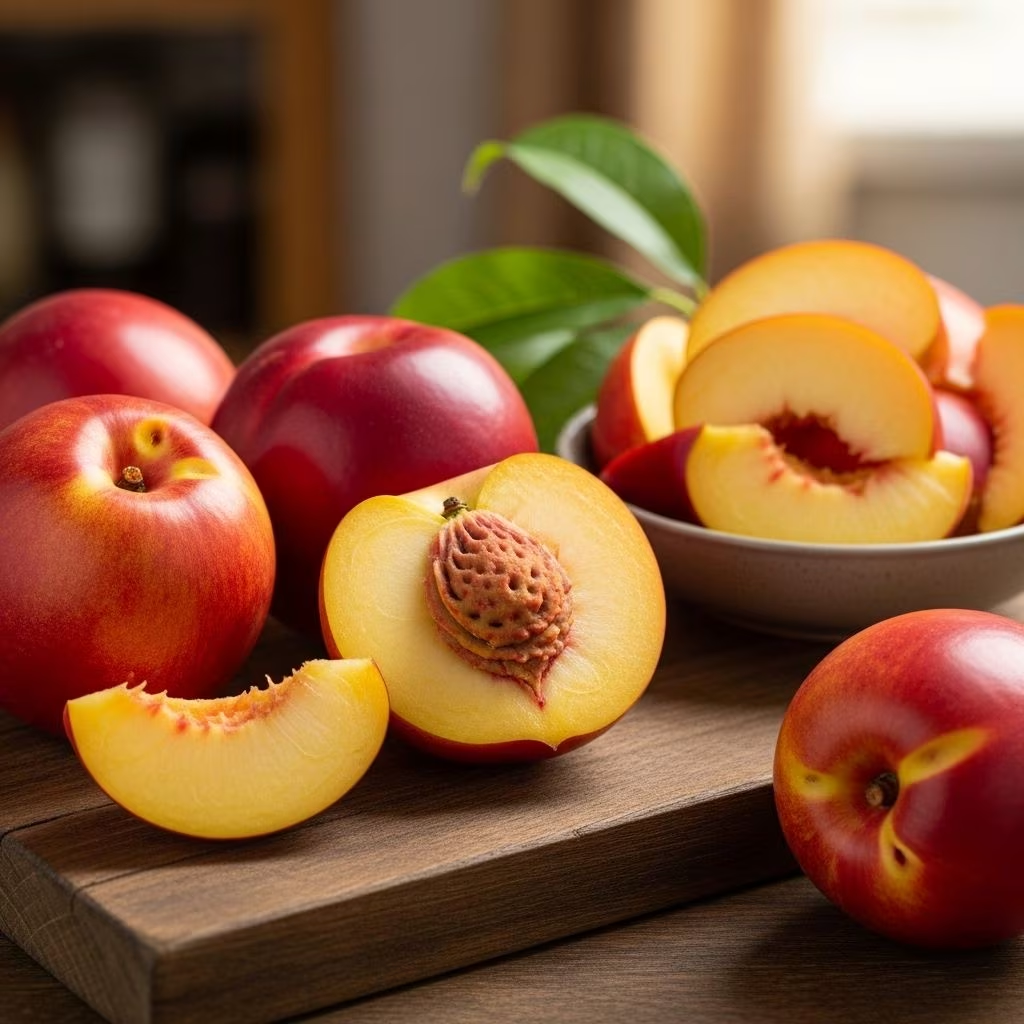
Nectarines, celebrated for their smooth skin and vibrant flavors, are more than just a summer treat—they are a powerhouse of nutrition, history, and culinary potential. This guide delves deep into the world of nectarines, equipping you with the knowledge to enjoy them to the fullest.
Introduction to Nectarines
Nectarines belong to the species Prunus persica var. nucipersica. Often called “shaved peaches” or “fuzzless peaches,” nectarines are, in fact, a smooth-skinned genetic variant of peaches. Their juicy, aromatic flesh and vibrant colors make them a summer staple in fruit bowls, salads, and desserts .
Origins and History
The nectarine, like the peach, originated in China over 2,000 years ago. Its name comes from its honey-sweet flavor and the English word “nectar,” meaning the sweet liquid found in flowers . Ancient writings show nectarines spreading from China along the Silk Road to Persia, the Mediterranean, and eventually Europe and the Americas.
Genetically, nectarines and peaches are nearly identical; the main difference lies in the skin texture gene. Nectarines carry a recessive gene responsible for their smooth skin, while the fuzzy skin of peaches is dominant . Occasionally, a peach tree can even produce a nectarine fruit due to a natural mutation called “bud sport” .
Physical Characteristics and Varieties
Main Features
- Typical size: 5–7 cm (2–3 in) in diameter
- Shape: Round, sometimes slightly oval
- Skin: Smooth, shiny, red, golden, or yellow hues; delicate and easily bruised
- Flesh: White, yellow, or sometimes red; dense, semi-firm, juicy
- Stone (pit): Large, either freestone or clingstone
Freestone vs. Clingstone Nectarines
| Type | Description |
|---|---|
| Freestone | Pit separates easily from the flesh; great for fresh eating and baking. |
| Clingstone | Flesh clings to the pit; usually juicier and preferred for canning. |
Popular Nectarine Varieties
- Fantasia: Large, bright yellow flesh, tangy-sweet flavor.
- Snow Queen: White flesh, very sweet and floral aroma.
- Double Delight: Known for intense aroma and flavor.
- Panamint: Small to medium fruit, spicy-sweet taste .
Nutritional Value and Health Benefits
Nutrition Facts (per 100 grams of raw nectarine)
- Calories: ~44 kcal
- Carbohydrates: ~10.5 g
- Sugars: ~7.9 g
- Dietary Fiber: ~1.7 g
- Protein: ~1.1 g
- Fat: ~0.3 g
- Vitamin C: ~5.4 mg (about 9% of daily value)
- Vitamin A, Potassium, Niacin, and smaller amounts of Vitamin K, E, and B-complex vitamins
Major Health Benefits
- Rich in Antioxidants: Contains vitamin C, beta-carotene, polyphenols, and anthocyanins (especially in red- or purple-fleshed varieties), which help neutralize free radicals and reduce cell damage.
- Supports Immune Function: Vitamin C boosts the immune system and may help in wound healing.
- Aids Digestion: Dietary fiber supports healthy digestion and regularity, preventing constipation.
- Promotes Skin Health: Both vitamin C and A are crucial for collagen production and skin repair.
- Heart Health: Low in fat, sodium-free, and high in plant compounds, making nectarines heart-friendly. Potassium content helps regulate blood pressure.
- Weight Management: Low calorie and high water content make nectarines a healthy, satisfying snack.
- May Help Lower Risk of Chronic Disease: Phytochemicals in nectarines are linked to reduced risk of certain cancers and type 2 diabetes.
Culinary Uses: How to Eat and Cook Nectarines
Nectarines shine in both sweet and savory dishes, thanks to their unique flavor balance and juicy texture. Their edible skin means no peeling is necessary, making preparation simple and quick.
Raw Uses
- Eat fresh out of hand or sliced into fruit salads.
- Add to yogurt, smoothie bowls, or oatmeal for a morning boost.
- Pair with cheese and cured meats for a summery appetizer.
Cooked and Prepared Uses
- Bake into pies, cobblers, crisps, or galettes.
- Grill halved nectarines to caramelize their sugars; serve with ice cream or ricotta.
- Preserve as jams, jellies, chutneys, or compotes.
- Blend into sauces for poultry, pork, or fish dishes.
- Cube and toss into salsas with tomatoes, onions, and herbs for a vibrant flavor.
Beverage Uses
- Juice for a refreshing drink or smoothie ingredient.
- Muddle in cocktails or mocktails for natural sweetness.
Taste Profile and Aroma
Nectarines are celebrated for their sweet, fragrant, and slightly tangy flavor. The aroma is reminiscent of honey with subtle spice notes. Nectarine flavor can be described as:
- Sweet: More apparent in white-fleshed varieties due to lower acidity.
- Tangy/Tart: Especially in yellow-fleshed nectarines, attributed to natural fruit acids .
- Complex: Hints of nectar, warm spice, and sometimes wine-like undertones.
Ripe nectarines emit a floral, honeyed, and inviting aroma, signaling readiness for consumption .
Nectarine vs. Peach: Key Differences
| Aspect | Nectarine | Peach |
|---|---|---|
| Skin | Smooth, glossy, no fuzz | Velvety, fuzzy texture |
| Flavor | Slightly more tangy, sometimes spicier | Sweeter and milder, especially in white varieties |
| Texture | Firm, dense, juicy | Softer, can be more delicate |
| Genetics | Recessive smooth-skin gene | Dominant fuzzy-skin gene |
| Varieties | Freestone or clingstone | Freestone or clingstone |
| Culinary Uses | No need to peel skin for most recipes | May require peeling in sensitive dishes |
How to Select, Store, and Prepare Nectarines
Choosing the Best Nectarines
- Look for fruits with a vibrant yellow or golden base color (not green, which indicates underripeness).
- Should feel heavy for their size, suggesting juiciness.
- Skin should be taut, smooth, and free from blemishes.
- A honey-like aroma at the stem indicates ripeness .
Storage Tips
- Store under-ripe nectarines at room temperature until they yield to gentle pressure.
- Ripe nectarines can be refrigerated (preferably in a breathable bag) and should be consumed within 3–5 days.
- Excess nectarines can be sliced and frozen for smoothies, baking, or sauces.
Preparation
- Simply wash and eat—no peeling needed.
- Cut along the natural seam, twist to separate halves, and discard the pit (freestone types make this easier).
- Can be sliced, diced, pureed, or grilled depending on use.
Fun Facts About Nectarines
- Nectarine trees can grow up to 9 meters (almost 30 feet) in ideal uncultivated conditions but are kept much shorter on orchards .
- A single tree may bear both peaches and nectarines, thanks to genetic mutations .
- There are over 100 commercial nectarines varieties worldwide .
- The word “nectarine” has been used in English since the early 17th century.
Frequently Asked Questions (FAQs)
Q: Are nectarines and peaches the same fruit?
A: Genetically, nectarines are simply smooth-skinned peaches. The primary difference is a single gene responsible for fuzziness—the recessive gene gives nectarines their trademark smooth skin .
Q: Are nectarines healthier than peaches?
A: Both fruits are nutritionally similar. Nectarines sometimes have slightly higher potassium and vitamin A, but both are excellent sources of fiber, vitamin C, and antioxidants.
Q: How do I ripen nectarines at home?
A: Leave them at room temperature out of direct sunlight. Placing them in a brown paper bag with a banana or apple can speed up the process, thanks to the ethylene gas those fruits produce.
Q: Are nectarines safe for people with allergies?
A: People with peach allergies should avoid nectarines, as the proteins and potential allergens are nearly identical. Always consult an allergist with specific concerns.
Q: Can I grow a nectarine tree at home?
A: Yes! Nectarine trees require full sun, well-drained soil, and regular thinning of fruitlets to produce large, sweet fruit. Be mindful of pruning and potential peach/nectarine diseases.
References
- Specialty Produce: Nectarines Information and Facts
- Britannica: Nectarine | Description, Peach, Nutrition, Uses, Facts, & Cultivation
- Lane Southern Orchards: The Differences Between Peaches and Nectarines
- Wikipedia: Peach & Nectarine
References
- https://specialtyproduce.com/produce/Nectarines_1806.php
- https://www.britannica.com/plant/nectarine
- https://lanesouthernorchards.com/blogs/news/the-differences-between-peaches-and-nectarines
- https://en.wikipedia.org/wiki/Peach
- https://dictionary.cambridge.org/us/dictionary/english/nectarine
- https://www.aprifel.com/en/nutritional-sheet/nectarine-white/
- https://www.missouribotanicalgarden.org/PlantFinder/PlantFinderDetails.aspx?taxonid=252662&isprofile=0&pt=7


