


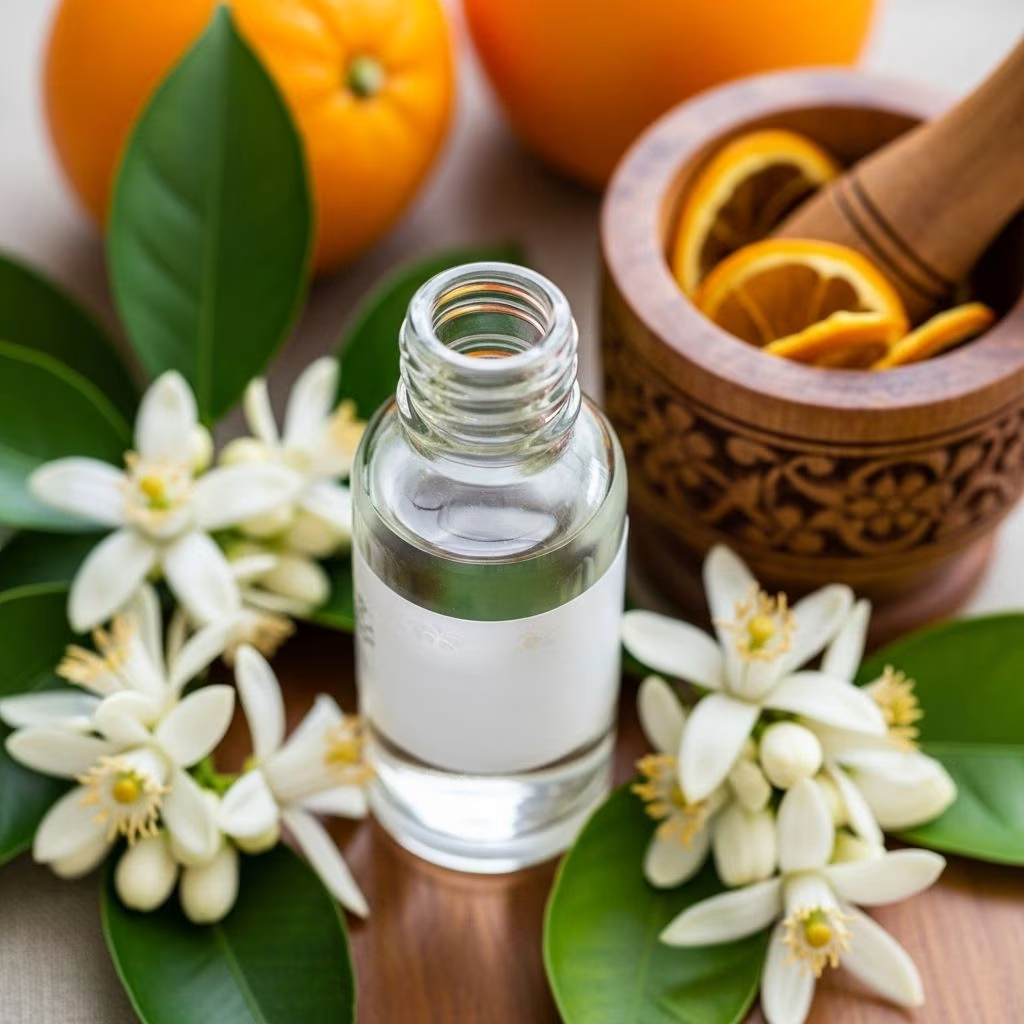
Orange blossom water, renowned for its delicate floral aroma and multifaceted benefits, has fascinated cultures for centuries. This aromatic hydrosol is treasured in beauty rituals, culinary traditions, and wellness practices, making it an essential ingredient in households across the Mediterranean, Middle East, and beyond. This article provides a comprehensive guide to orange blossom water, covering its history, extraction methods, numerous health and beauty benefits, diverse uses, unique taste profile, and much more.
What Is Orange Blossom Water?
Orange blossom water is a fragrant, clear liquid hydrosol produced by distilling the fresh petals of the bitter orange tree (Citrus aurantium), also known as Seville orange. Unlike orange essential oil, orange blossom water is gentle and suitable for direct application on the skin and as a food ingredient. Its unique aroma is both floral and citrusy, making it a cherished element in many global traditions.
History and Origins of Orange Blossom Water
The bitter orange tree is native to Southeast Asia but has been cultivated for centuries across the Mediterranean basin and North Africa. Orange blossoms symbolize purity and innocence, especially in Mediterranean and Middle Eastern cultures. The process of distilling orange blossoms into water is believed to have originated in ancient Persia, spreading throughout the Arab world, Southern Europe, and North Africa through trade and conquests.
Historically, orange blossom water was used both for its enchanting scent in perfumes and as a flavoring and remedy in traditional medicine. By the Renaissance, it was a symbol of royalty and refinement in European courts, used in cosmetic formulas and delectably scented confections.
How Orange Blossom Water Is Made
Orange blossom water is produced through the steam distillation of fresh orange blossoms. The key steps are:
- Carefully harvesting the white, aromatic blossoms of the bitter orange tree during the peak of spring.
- Water and blossoms are placed together in a still, where steam gently extracts the fragrance and beneficial compounds.
- The resulting condensate separates into orange blossom essential oil (neroli oil) and the aromatic water, the latter being orange blossom water.
This artisanal process captures the full spectrum of the flower’s complex, ethereal aroma while preserving its water-soluble nutrients and volatile compounds.
Benefits of Orange Blossom Water
Orange blossom water is renowned for its broad spectrum of beauty, wellness, and culinary benefits. Below, the proven and traditional benefits are explored in detail:
For Skin
- Tones and Firms the Skin: Orange blossom water is a natural facial toner suitable for all skin types, especially oily and acne-prone skin. It helps tighten pores, firm the skin, and reduce the appearance of fine lines due to its vitamin C content and antioxidants.
- Brightens Complexion: Its gentle exfoliating and skin-lightening properties help fade dark spots and even out the skin tone, leaving the complexion radiant and glowing.
- Soothes Inflammation and Redness: Thanks to its anti-inflammatory and antimicrobial properties, orange blossom water calms redness, soothes sensitive skin, and alleviates sunburn, rashes, and irritation.
- Controls Acne: By balancing skin pH and regulating oils, it is an effective ally for controlling acne and clarifying skin texture.
- Smoothes and Softens Skin: Regular use can add moisture, improve texture, and produce a healthy, youthful glow.
For Hair
- Nourishes and Hydrates: Orange blossom water adds softness and shine to hair, making it feel and look healthier.
- Soothes the Scalp: Its mild antimicrobial properties help calm scalp irritation and reduce itchiness or flakiness.
For Body and Mind
- Relaxes Nerves and Calms Anxiety: Used in aromatherapy and topical application, orange blossom water is known for its deeply relaxing and sedative effects. It reduces stress, lowers tension, and promotes a peaceful sleep, making it a popular ingredient in bedtime rituals and relaxing baths.
- Natural Perfume: The seductive scent infuses the skin, hair, and even spaces with an uplifting floral freshness. Unlike synthetic fragrances, it is mild and rarely irritates sensitive skin.
- Migraine Relief: Traditional use includes alleviating headaches and migraines, likely due to its calming properties and soothing aroma.
For Digestion and Immune Health
- Digestive Aid: Orange blossom water is a gentle anti-spasmodic, traditionally consumed after meals in the Middle East (as “white coffee”) to soothe the stomach, reduce bloating, and ease indigestion.
- Immune Support: Its high antioxidant content helps counteract free radicals and supports immune function when consumed regularly.
- Oral Health: Used as a mild mouthwash, it can help maintain oral hygiene due to its natural antimicrobial properties.
Popular Uses of Orange Blossom Water
- Skincare Routine: As a toner, facial mist, or cleanser to refresh, cleanse, and hydrate the skin.
- Haircare: Spritzed onto the scalp or added to shampoo to hydrate hair and calm irritation.
- Aromatherapy: Added to bath water, diffusers, or linen sprays for relaxation and sleep support.
- Perfume: Lightly dabbed onto pulse points or used as a natural room fragrance.
- Mouthwash: Used as a gentle, aromatic rinse for fresh breath and oral care.
- Culinary Uses: Incorporated into desserts, beverages, and savory dishes for unique flavor.
Orange Blossom Water in Culinary Traditions
Orange blossom water’s subtle floral notes have made it a beloved component in culinary arts:
- Baked Goods: Used to flavor cakes, cookies, and sweets in Mediterranean, French, and Middle Eastern cuisines—such as madeleines, baklava, Turkish delight (lokum), and Moroccan ghriba cookies.
- Beverages: Added to lemonades, teas, cocktails, and traditional drinks like Lebanese “white coffee” (simply orange blossom water in hot water).
- Desserts: Essential in custards, rice puddings, and ice creams for a floral lift.
- Savory Dishes: Occasionally used in meat marinades and rice dishes, lending a subtle aroma.
Table: Culinary Uses of Orange Blossom Water by Region
| Region | Signature Dishes/Beverages |
|---|---|
| Middle East | Baklava, Mahalabia (milk pudding), “White Coffee”, Turkish Delight |
| North Africa | Moroccan pastries, Pastilla (savoury pie), Salads |
| Europe | Madeleines, French lemonade, Spanish roscón |
Taste Profile of Orange Blossom Water
Orange blossom water imparts a delicate, sweet, floral flavor with soft citrus undertones. The taste is subtle, never overwhelming, and reminiscent of blooming orange groves—fresh, lightly fruity, and slightly honeyed. When added to food or drink, a small quantity suffices to lift flavors and impart sophistication, but overuse may result in soapy or perfumey notes.
How to Select and Store Orange Blossom Water
- Quality: Choose authentic, pure orange blossom water without added artificial fragrances, flavorings, or alcohol.
- Packaging: Prefer glass bottles, as plastic can leach flavors.
- Storage: Store in a cool, dark place. Refrigeration extends shelf life and maintains scent and efficacy.
- Shelf Life: Typically 1–2 years after opening, but always check for off odors or discoloration.
Potential Side Effects and Precautions
- Topical Application: Orange blossom water is generally well-tolerated. Rarely, it can cause mild skin irritation. Conduct a patch test if you have sensitive skin.
- Ingestion: Pure hydrosol is food-safe in moderate amounts. Avoid formulations with added chemicals when using for culinary purposes.
- Allergies: Those with citrus allergies should avoid use.
Frequently Asked Questions (FAQs)
Q: Is orange blossom water the same as rose water?
A: No, orange blossom water is distilled from bitter orange blossoms, while rose water is made from rose petals. Each has a distinct aroma and taste, though both are used in similar ways for beauty and culinary purposes.
Q: Can orange blossom water help with anxiety or sleep?
A: Yes, both traditional wisdom and modern aromatherapy recognize orange blossom water’s ability to calm nerves and promote relaxation. Sipping a small amount or adding it to bath water are common practices for stress relief and better sleep.
Q: How do you use orange blossom water in daily life?
A: Orange blossom water can be used as a facial toner, hair spray, natural perfume, in bath water, and as an ingredient in both savory and sweet culinary dishes and beverages.
Q: Is orange blossom water safe for children?
A: Pure orange blossom water is gentle enough for use on the skin of babies and children, especially in skincare, but avoid ingestion in large quantities for infants. Always check for added ingredients and perform a skin patch test on sensitive skin.
Q: Can orange blossom water replace synthetic fragrances or toners?
A: Yes, it is a natural alternative with added skin and mood benefits due to its mineral and antioxidant content.
Final Thoughts
Orange blossom water unites centuries of tradition with modern wellness, offering a gentle, aromatic solution for skin health, stress relief, culinary creativity, and holistic wellbeing. Its fragrance lingers long after use, a subtle reminder of the beauty and nourishment drawn from nature’s most delicate flowers.
References
- https://completewellbeing.com/article/6-benefits-of-orange-blossom-water-for-health-and-beauty-a-safety-warning/
- https://moroccanelixir.com/blogs/experience/orange-blossom-water-8-benefits-for-beauty
- https://www.bycrescence.com/benefits-of-orange-blossom-water/
- https://takarom.com/benefits-of-orange-blossom-water/
- https://maureenabood.com/ingredient-orange-blossom-water-or-mazaher/
- https://us.panierdessens.com/blogs/journal/toutes-les-vertus-de-la-fleur-doranger
- https://boisdejasmin.com/2013/07/10-ways-to-use-orange-blossom-water-perfume-beauty-cooking-recipes.html
- https://demainbeauty.com/en/blogs/blog/comment-la-fleur-doranger-peut-elle-avoir-un-effet-sur-le-stress


