


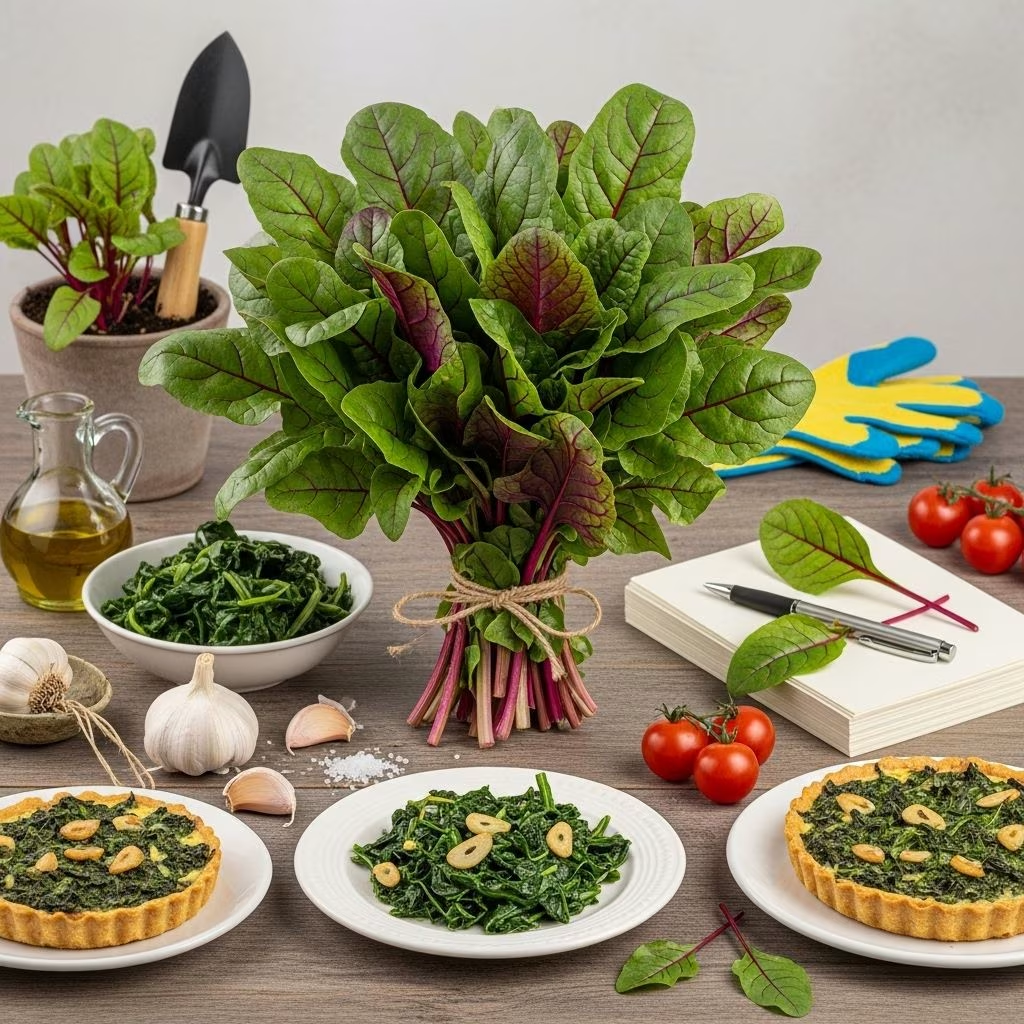
What Is Orach?
Orach, scientifically known as Atriplex hortensis, is a remarkable leafy green vegetable that deserves recognition in modern gardens and kitchens. Also called garden orache, red orach, mountain spinach, French spinach, or simply orach, this hardy annual plant belongs to the amaranth family (Amaranthaceae) and serves as an excellent warm-weather alternative to traditional spinach.
This ancient vegetable was once a staple in European cuisine before spinach gained popularity. Today, orach is experiencing a renaissance among gardeners and chefs who appreciate its unique characteristics: it’s less likely to bolt in hot weather, tolerates poor soils, and offers a distinctive salty-sweet flavor profile that sets it apart from other leafy greens.
Native to Asia and Europe, orach has naturalized across North America, Australia, and New Zealand, demonstrating its adaptability and resilience. The plant’s common name derives from the Latin ‘aurago,’ meaning golden herb, reflecting its historical value as both a food and medicinal plant.
History and Origin
Orach boasts an impressive historical pedigree, possibly ranking among the most ancient cultivated plants. Archaeological evidence suggests that orach was valued by ancient Romans and Greeks as early as 400 BC, who recognized it as both a nutritious food source and medicinal plant. These civilizations were responsible for introducing orach to Central Europe and Germany, where it remained a dietary staple throughout the Middle Ages.
The plant’s journey from the Near East and Orient to European tables illustrates its remarkable adaptability and nutritional value. Medieval Europeans relied heavily on orach as a primary leafy green, often combining it with other herbs and vegetables to create hearty, nutritious meals. It wasn’t until the discovery and widespread cultivation of true spinach that orach gradually disappeared from kitchen gardens, relegated to the status of a wild plant or garden weed.
Interestingly, orach maintained its presence in Mediterranean regions longer than in northern Europe, where it continued to be grown and consumed as ‘French Spinach’ until spinach became the preferred choice. Today, this historical vegetable is making a comeback among heritage seed enthusiasts and sustainable gardeners who appreciate its low-maintenance nature and unique culinary properties.
Physical Characteristics and Varieties
Orach presents a striking appearance that distinguishes it from other leafy greens. Unlike its relatives that form basal rosettes, orach grows continuously upward, reaching impressive heights of 2 to 6 feet depending on variety and growing conditions. The plant features an erect, branching stem that supports its substantial foliage throughout the growing season.
The leaves of orach are particularly noteworthy, displaying arrow-shaped, triangular, or oblong-ovate forms that measure 5 to 25 centimeters in length. These leaves have smooth or slightly serrated edges and possess a comparatively thin texture with a distinctive slightly acidic taste. The foliage arrangement is alternate along the stem, creating an attractive architectural presence in the garden.
Color Varieties
Orach offers gardeners and cooks three primary color variations, each with distinct visual and culinary characteristics:
Red Orach: The most commonly cultivated variety features vibrant burgundy or deep red leaves with a ruby sheen when held to sunlight. Red orach serves dual purposes as both a culinary ingredient and ornamental plant, making it valuable for edible landscaping projects.
Green Orach: The traditional green variety resembles spinach in appearance but maintains orach’s characteristic leaf shape and growth habit. This variety often proves less visually striking than red orach but offers reliable performance and familiar appearance.
White/Yellow Orach: Less common varieties display pale green, white, or yellowish foliage, providing unique coloration options for diverse garden designs and culinary presentations.
The inconspicuous flowers of orach appear in small clusters, displaying greenish or reddish colors that often correspond to the foliage color. These flowers can be male, female, or hermaphrodite, and pollination occurs through self-pollination, wind, or insect activity.
Nutritional Benefits of Orach
Orach delivers impressive nutritional value that rivals and often exceeds many common leafy greens. This ancient vegetable provides essential vitamins, minerals, and compounds that support overall health and wellness.
Vitamin Content
Orach stands out as an excellent source of vitamin A, particularly notable in its seeds, which are often ground into meal or flour. The leaves contain significant amounts of vitamin C, supporting immune system function and collagen synthesis. Additionally, orach provides valuable amounts of vitamin K, essential for bone health and blood clotting mechanisms.
Mineral Profile
The plant’s remarkable ability to thrive in saline and alkaline soils translates into a rich mineral profile. Orach naturally accumulates minerals from the soil, storing them in its leaves and creating a nutrient-dense food source. This mineral concentration contributes to orach’s characteristic salty flavor and provides essential electrolytes including sodium, potassium, and magnesium.
Iron content in orach leaves supports healthy blood formation and oxygen transport, while calcium contributes to bone and teeth health. The presence of various trace minerals reflects orach’s adaptability to diverse soil conditions and its efficient nutrient uptake mechanisms.
Antioxidant Properties
Like many deeply colored vegetables, red orach varieties contain anthocyanins and other antioxidant compounds that help protect cells from oxidative damage. These compounds contribute to the plant’s vibrant coloration while providing potential health benefits including anti-inflammatory properties and cardiovascular support.
Taste Profile and Culinary Comparison
Orach offers a distinctive flavor profile that sets it apart from other leafy greens while remaining familiar enough to substitute for spinach in most recipes. The taste is often described as mild and chard-like, but with a notable salty edge that reflects the plant’s natural mineral concentration.
Flavor Characteristics
The primary flavor notes of orach include a subtle earthiness combined with a pleasant saltiness that eliminates the need for additional salt in many dishes. Young leaves tend to be milder and less bitter than spinach, making them particularly appealing for raw applications and salads. As leaves mature, they develop a slightly more pronounced flavor while maintaining their characteristic mineral taste.
The salty flavor component stems from orach’s remarkable ability to tolerate and thrive in saline soils, naturally concentrating minerals in its tissues. This characteristic makes orach particularly valuable for coastal gardens and areas with challenging soil conditions.
Textural Qualities
Fresh orach leaves possess a tender texture when young, similar to baby spinach but with slightly more substance. The leaves maintain good structure when cooked, making them suitable for both quick sautéing and longer cooking methods. Unlike spinach, which can become mushy when overcooked, orach retains some body and doesn’t release excessive moisture during cooking.
Culinary Uses and Cooking Methods
Orach’s versatility in the kitchen makes it an excellent addition to various culinary applications. Its mild flavor and sturdy texture allow for creative uses ranging from fresh salads to cooked preparations.
Fresh Applications
Young orach leaves excel in fresh preparations, particularly in mixed green salads where their subtle salty flavor adds complexity without overwhelming other ingredients. The colorful varieties, especially red orach, provide visual appeal and nutritional diversity to salad combinations. Orach leaves can be used as wraps for small appetizers or incorporated into sandwiches and wraps as a spinach substitute.
Cooked Preparations
Orach responds well to various cooking methods, behaving similarly to spinach but with greater heat tolerance. Popular cooking applications include:
Sautéing: Quick sautéing with garlic and olive oil highlights orach’s natural flavors while maintaining optimal texture. The leaves wilt quickly but retain more structure than spinach.
Steaming: Light steaming preserves nutrients while softening the leaves for use in side dishes or as components in larger meals.
Braising: Longer cooking methods work well with mature orach leaves, which can be braised with other vegetables or incorporated into stews and soups.
Stuffing: The larger leaves of orach make excellent wrappers for stuffed preparations, similar to cabbage leaves but with a more delicate flavor profile.
Seed Utilization
Beyond the leaves, orach seeds offer additional culinary opportunities. Historically, these seeds were ground into meal and mixed with flour for bread making, adding nutritional value and a subtle nutty flavor. The seeds can also be toasted and used as a crunchy garnish or processed to create natural blue dye for culinary presentations.
Growing Orach: A Gardener’s Guide
Orach’s reputation as an easy-to-grow vegetable makes it an excellent choice for both novice and experienced gardeners. Its low maintenance requirements and adaptability to various conditions make it a reliable addition to any vegetable garden.
Planting Requirements
Despite being marketed as a warm-season alternative to spinach, orach is actually a cool-season plant that simply doesn’t bolt as quickly as spinach when temperatures rise. Seeds germinate best in soil temperatures between 50°F and 65°F, with emergence typically occurring within 7 to 14 days under optimal conditions.
Plant seeds directly in the garden in early spring, approximately 2-3 weeks before the last expected frost. Orach seeds remain viable for up to 5 years when properly stored, making them a good investment for long-term garden planning.
Soil Conditions
One of orach’s greatest advantages is its tolerance for poor soil conditions. The plant thrives in alkaline and saline soils that would challenge many other vegetables, making it valuable for coastal gardens or areas with challenging soil chemistry. While orach adapts to various soil types, it performs best in well-draining soil with moderate fertility.
The plant’s low nutrient requirements mean it doesn’t need heavily amended soil or frequent fertilization, making it an economical and sustainable choice for resource-conscious gardeners.
Spacing and Layout
Given orach’s potential to reach 4-6 feet in height, proper spacing is essential for optimal growth and garden management. Plant seeds 12-18 inches apart in rows spaced 2-3 feet apart to accommodate the plant’s mature size and allow for air circulation.
Orach’s impressive height makes it suitable for use as a backdrop plant in vegetable gardens or as a natural screen or border. The attractive foliage, particularly of red varieties, provides ornamental value while producing edible harvests.
Harvesting and Storage Tips
Proper harvesting techniques maximize both yield and quality of orach crops while encouraging continued production throughout the growing season.
Harvesting Methods
Begin harvesting orach when leaves reach 4-6 inches in length, typically 6-8 weeks after planting. Focus on young, tender leaves for the best flavor and texture, as older leaves can become tough and more strongly flavored. Use the cut-and-come-again method, harvesting outer leaves while allowing the center to continue growing.
Regular harvesting encourages new growth and extends the productive period. Plants can provide multiple harvests from late spring through fall when managed properly, making orach a valuable long-season crop.
Storage Guidelines
Fresh orach leaves should be used promptly after harvesting for optimal flavor and nutritional value. When storage is necessary, wrap unwashed leaves in slightly damp paper towels and place them in perforated plastic bags in the refrigerator. Properly stored orach typically maintains quality for 3-5 days.
For longer-term preservation, orach leaves can be blanched and frozen, though this affects texture and limits use to cooked applications. Dehydrating orach creates a shelf-stable product that can be used as a seasoning or rehydrated for cooking.
Environmental Benefits and Sustainability
Orach offers significant environmental advantages that make it an excellent choice for sustainable gardening practices. Its natural adaptability and low resource requirements contribute to more resilient and environmentally friendly food production systems.
Soil Improvement
Orach’s ability to thrive in saline and alkaline soils makes it valuable for rehabilitating challenging growing areas. The plant can help improve soil conditions over time while producing food, making it useful for permaculture and regenerative growing systems.
Water Efficiency
The plant’s drought tolerance and low water requirements make it suitable for water-wise gardening approaches. This characteristic is particularly valuable in regions facing water restrictions or climate challenges.
Biodiversity Support
Orach flowers attract beneficial insects and pollinators, contributing to garden ecosystem health. The plant’s extended flowering period provides resources for beneficial insects throughout the growing season.
Orach vs. Other Leafy Greens
| Characteristic | Orach | Spinach | Swiss Chard | Kale |
|---|---|---|---|---|
| Heat Tolerance | High | Low | Medium | Medium |
| Soil Requirements | Very Low | Medium | Medium | Medium |
| Plant Height | 4-6 feet | 6-12 inches | 12-24 inches | 12-36 inches |
| Flavor Profile | Mild, salty | Mild, earthy | Slightly bitter | Strong, bitter |
| Harvest Period | Extended | Short | Extended | Extended |
| Ornamental Value | High (red varieties) | Low | High | Medium |
Frequently Asked Questions
Q: Is orach safe to eat raw?
A: Yes, orach is completely safe to eat raw. Young leaves are particularly tender and make excellent additions to salads and fresh preparations. The mild, slightly salty flavor is pleasant when consumed fresh.
Q: How does orach compare nutritionally to spinach?
A: Orach provides comparable or superior nutritional value to spinach, with higher mineral content due to its natural salt tolerance. It’s particularly rich in vitamin A, especially in the seeds, and provides good amounts of vitamin C, vitamin K, iron, and calcium.
Q: Can I grow orach in containers?
A: While possible, orach’s potential 4-6 foot height makes it challenging for container growing. If attempting container cultivation, choose dwarf varieties and use large, deep containers with good drainage. Regular harvesting can help manage plant size.
Q: Why does orach taste salty?
A: Orach’s salty flavor comes from its natural ability to tolerate and concentrate minerals from saline soils. This adaptation allows the plant to store minerals in its leaves, creating the characteristic salty-sweet flavor profile.
Q: How long does it take orach to mature?
A: Orach leaves can be harvested as early as 6-8 weeks after planting when they reach 4-6 inches in length. The plant continues producing harvestable leaves throughout the growing season with regular harvesting.
Q: Can orach self-seed in the garden?
A: Yes, orach readily self-seeds when allowed to flower and set seed. This can be beneficial for establishing naturalized patches, but gardeners should monitor for unwanted spread, as orach can become weedy in some conditions.
Q: What’s the best way to cook orach?
A: Orach cooks similarly to spinach but retains better texture. Quick sautéing with garlic and olive oil, light steaming, or braising all work well. The key is not to overcook, as orach maintains its structure better than spinach but can become tough if cooked too long.
References
- https://en.wikipedia.org/wiki/Atriplex_hortensis
- https://www.gardeningknowhow.com/edible/vegetables/orach/how-to-grow-orach-plants.htm
- https://plantura.garden/uk/vegetables/orach/orach-overview
- https://foodwise.org/foods/orach/
- http://www.gardening.cornell.edu/homegardening/scene80ea.html
- https://foragerchef.com/orache-saltbush/
- https://laidbackgardener.blog/2017/05/23/orach-an-ancient-vegetable-thats-new-again/
- https://www.dictionary.com/browse/orach
- http://www.missouribotanicalgarden.org/PlantFinder/PlantFinderDetails.aspx?kempercode=a666


