


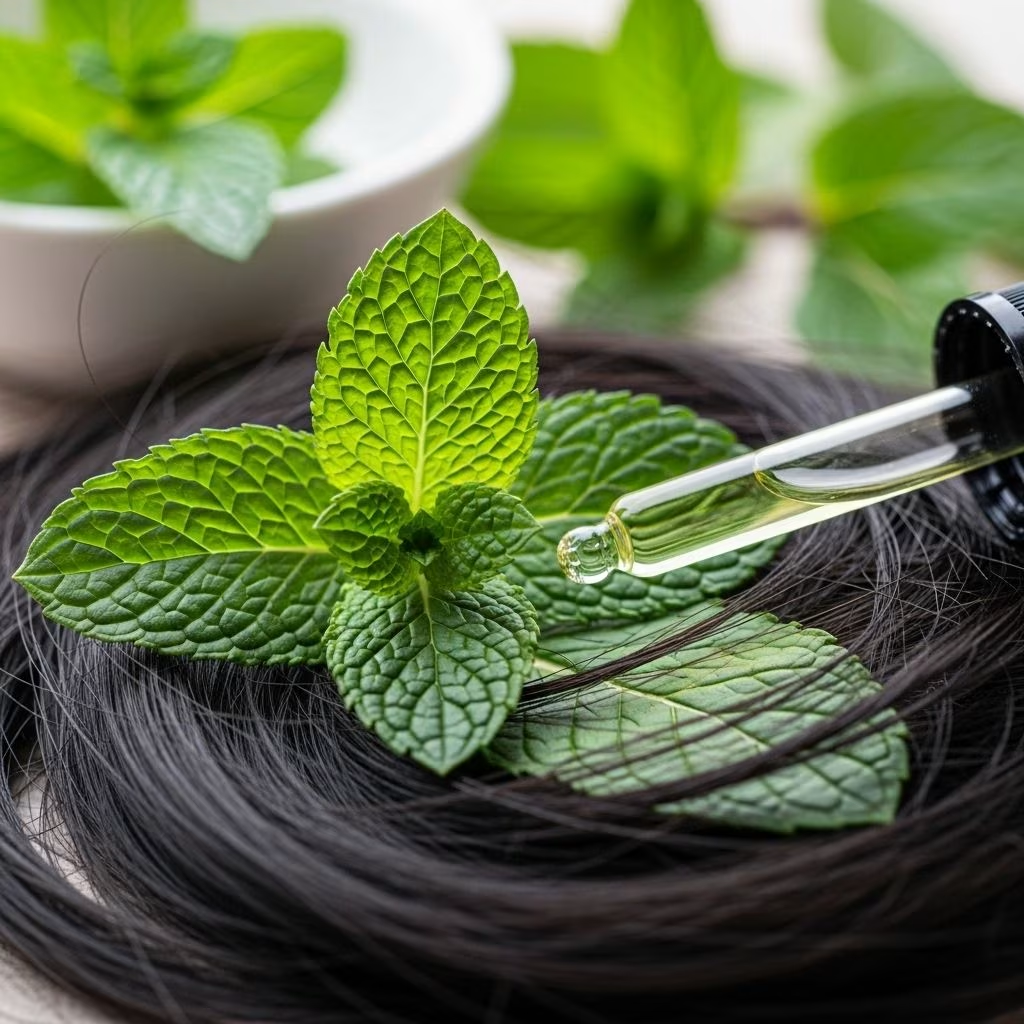
Peppermint oil has gained prominence as a natural remedy for various hair concerns, from promoting growth to soothing the scalp. With a growing body of scientific studies and anecdotal evidence, this essential oil is now a celebrated addition to many hair care routines.
Introduction to Peppermint Oil
Peppermint oil is an essential oil derived from the Mentha piperita plant, known for its penetrating aroma and characteristic cooling effect. It’s widely used in cosmetics, medicinal applications, and aromatherapy. Rich in menthol, peppermint oil offers therapeutic properties that extend to the scalp and hair.
Key Components:
- Menthol: Provides vasodilation (improving blood flow), cooling, and antibacterial properties.
- Menthone: Contributes to the oil’s scent and therapeutic action.
- Other constituents: Include limonene and pulegone, contributing to its bioactivity.
The unique combination of these components is why peppermint oil is not only a fragrant addition to products but also boasts genuine benefits for hair and scalp health.
Scientific Evidence Behind Peppermint Oil for Hair
Numerous studies and clinical observations have explored the impact of peppermint oil on hair health and regrowth, revealing promising outcomes.
- Hair Growth Stimulation: Research demonstrates that peppermint oil can cause faster and thicker hair growth compared to control groups. For example, a 2014 study found that topical application of 3% peppermint oil led to a significant increase in dermal thickness, hair follicle number, and follicle depth in mice when compared with saline, jojoba oil, and even minoxidil—the standard pharmaceutical hair growth solution.
- Blood Flow and Vasodilation: The menthol in peppermint oil acts as a vasodilator, which means it widens blood vessels and increases blood flow to the scalp. This improved circulation helps deliver more oxygen and nutrients to hair follicles, essential for growth and follicle health.
- DHT Blocking Potential: Peppermint oil is believed to possess properties that help lower dihydrotestosterone (DHT) levels, a hormone closely linked to pattern hair loss.
- Evidence Strength: Much evidence comes from animal studies and early-stage clinical trials. While the findings are positive and supported by credible methodologies, larger-scale human research is needed for conclusive results.
Key Hair Benefits of Peppermint Oil
Using peppermint oil in your hair regimen can yield several important hair health benefits:
- Promotes Hair Growth: By inducing the hair follicles’ anagen (growth) phase and improving follicle health, peppermint oil can promote the growth of thicker, longer hair.
- Improves Scalp Circulation: Vasodilation caused by menthol increases blood flow, enhancing the delivery of nutrients to the scalp and follicles.
- Soothes Itchy, Dry, or Flaky Scalp: Peppermint oil is cooling, anti-inflammatory, and has antimicrobial properties—making it ideal for reducing scalp itchiness and combating mild dandruff.
- May Block DHT-Induced Hair Loss: The oil’s potential to reduce DHT activity could benefit those experiencing androgenic alopecia or pattern hair loss.
- Controls Excess Sebum and Promotes Scalp Cleanliness: Thanks to its antimicrobial action, peppermint oil can help maintain scalp hygiene and may reduce mild scalp infections.
- Refreshing Scent and Sensation: The cooling, tingling feeling enhances the shower experience and leaves the scalp invigorated.
Who Can Benefit?
- Those experiencing thinning or slow-growing hair (men and women).
- Individuals with dry, itchy, or flaky scalps.
- Anyone looking to naturally boost scalp health and hair vitality.
- People seeking DHT-blocking, non-pharmaceutical hair care ingredients.
How to Use Peppermint Oil for Hair
Peppermint oil is versatile and can be incorporated into various hair care routines. Here are the most effective and safest methods for home use:
1. Scalp Massage
- Mix 2–3 drops of peppermint essential oil with 1 tablespoon of a carrier oil (such as coconut, jojoba, or almond oil).
- Gently massage the mixture into the scalp with fingertips, focusing on thinning areas or the entire scalp.
- Leave on for 15–20 minutes.
- Rinse thoroughly with a gentle shampoo.
- Repeat 2–3 times per week for best results.
2. Add to Shampoo or Conditioner
- Add 5 drops of peppermint oil for every ounce (30ml) of shampoo or conditioner.
- Mix thoroughly and use your hair care product as usual.
- Avoid direct contact with eyes and use sparingly to prevent scalp sensitivity.
3. Hot Oil Treatment
- Warm 2 tablespoons of carrier oil (not hot), add 3–4 drops of peppermint oil, and mix well.
- Apply to scalp and hair, massaging gently.
- Wrap hair in a towel or use a shower cap for 20–30 minutes.
- Wash out with a mild shampoo.
4. Leave-In Sprays / Scalp Tonics
- Combine 1 cup of distilled water with 5–6 drops of peppermint oil and optional soothing oils (like rosemary or lavender).
- Pour into a spray bottle and shake before use.
- Mist lightly onto your scalp after washing or as needed to refresh.
DIY Peppermint Oil Hair Care Recipes
Peppermint Oil Hair Mask (Strength & Growth)
- 2 tablespoons coconut oil
- 1 tablespoon castor oil
- 3 drops peppermint essential oil
- Mix, apply to scalp and hair, leave on 30 minutes, shampoo thoroughly.
Daily Scalp Spray
- 100ml distilled water
- 5 drops peppermint essential oil
- 2 drops tea tree oil (optional, for dandruff control)
- Shake and spray on roots daily for scalp freshness.
Potential Side Effects and Safety Precautions
While peppermint oil offers several benefits, users should remain mindful of possible side effects and take necessary precautions:
- Skin Irritation or Sensitivity: Direct application of undiluted essential oil can cause burning, redness, or stinging. Always dilute peppermint oil with a carrier oil before use.
- Eye Irritation: The intense menthol vapor may cause eye irritation if it comes into contact. Rinse eyes with cool water if accidental exposure occurs.
- Allergic Reactions: Some individuals may develop an allergic response. Conduct a small patch test on the inner forearm before full application.
- Pregnancy and Breastfeeding: Consult a healthcare provider before use during pregnancy or breastfeeding.
- Children: Not recommended for very young children due to potency and risk of respiratory irritation.
- Excessive Use: Overuse can dry out scalp and hair. Limit application frequency to 2–3 times weekly.
Peppermint Oil vs. Other Hair Growth Ingredients
How does peppermint oil stack up against other well-known options for promoting hair growth? The table below compares its properties to those of popular alternatives:
| Ingredient | Hair Growth Efficacy | Main Mechanism | Usage Consideration |
|---|---|---|---|
| Peppermint Oil | High (in animal studies), promising in humans | Vasodilation, improved circulation, DHT blocking | Must be diluted, risk of skin sensitivity |
| Minoxidil | Clinically proven for androgenic alopecia | Vasodilation, unknown exact cellular mechanism | Possible irritation, requires continued use |
| Rosemary Oil | Moderate (some studies comparable to minoxidil) | Improved circulation, anti-inflammatory | Generally well tolerated, patch test recommended |
| Caffeine | Emerging evidence for follicle stimulation | Counteracts DHT, stimulates follicle activity | Common in shampoos, efficacy varies |
Expert Tips for Maximizing Results
- Mix with other effective oils such as rosemary or tea tree for a synergistic blend.
- Be consistent: Visible results often require several weeks to months of regular use.
- Combine with good hair care practices: Gentle washing, scalp massage, and a balanced diet support hair health.
- Protect from sun and heat: As peppermint oil can mildly increase scalp sensitivity, avoid direct sunlight post-application.
- Adjust for hair type: Those with sensitive skin should dilute more heavily; those with oily scalps may use more liberally.
Frequently Asked Questions (FAQs)
Q: Can peppermint oil regrow hair on bald patches?
A: Peppermint oil stimulates healthy follicles and enhances circulation, which may support new hair growth in areas with functioning follicles. Results on advanced baldness or inactive follicles are limited, and overall effectiveness varies by individual.
Q: How often should I use peppermint oil for best results?
A: Use 2–3 times per week. Excessive application can risk irritation or dryness.
Q: Will peppermint oil change my hair texture?
A: While not altering natural hair texture, it can make hair feel fresher and more voluminous due to its cleansing and follicle-stimulating effects.
Q: Can I leave peppermint oil in my hair overnight?
A: It’s best not to leave peppermint oil mix on the scalp overnight to reduce risk of irritation. Rinse out after recommended durations unless a specific leave-in product is designed for overnight use and is very diluted.
Q: Is there anyone who should avoid using peppermint oil?
A: Those with sensitive skin, allergies, pregnant or breastfeeding women, young children, and individuals with certain medical conditions (particularly respiratory or skin conditions) should either avoid use or consult a healthcare provider beforehand.
Conclusion: Is Peppermint Oil Right for Your Hair?
Peppermint oil provides a science-backed, accessible means to support hair growth, promote scalp circulation, and maintain overall hair and scalp health. Blending traditional wisdom with emerging studies, it remains a valuable tool in holistic hair care—when used safely and consistently.
References
- https://www.diviofficial.com/blogs/ingredients/peppermint-hair-growth-science
- https://pubmed.ncbi.nlm.nih.gov/25584150/
- https://www.healthline.com/health/peppermint-oil-for-hair
- https://www.hims.com/blog/peppermint-oil-for-hair-growth
- https://www.medicalnewstoday.com/articles/319397
- https://mansapublishers.com/ijim/article/view/4875
- https://wimpoleclinic.com/blog/peppermint-oil-for-hair-benefits-uses-and-side-effects/


