


Introduction
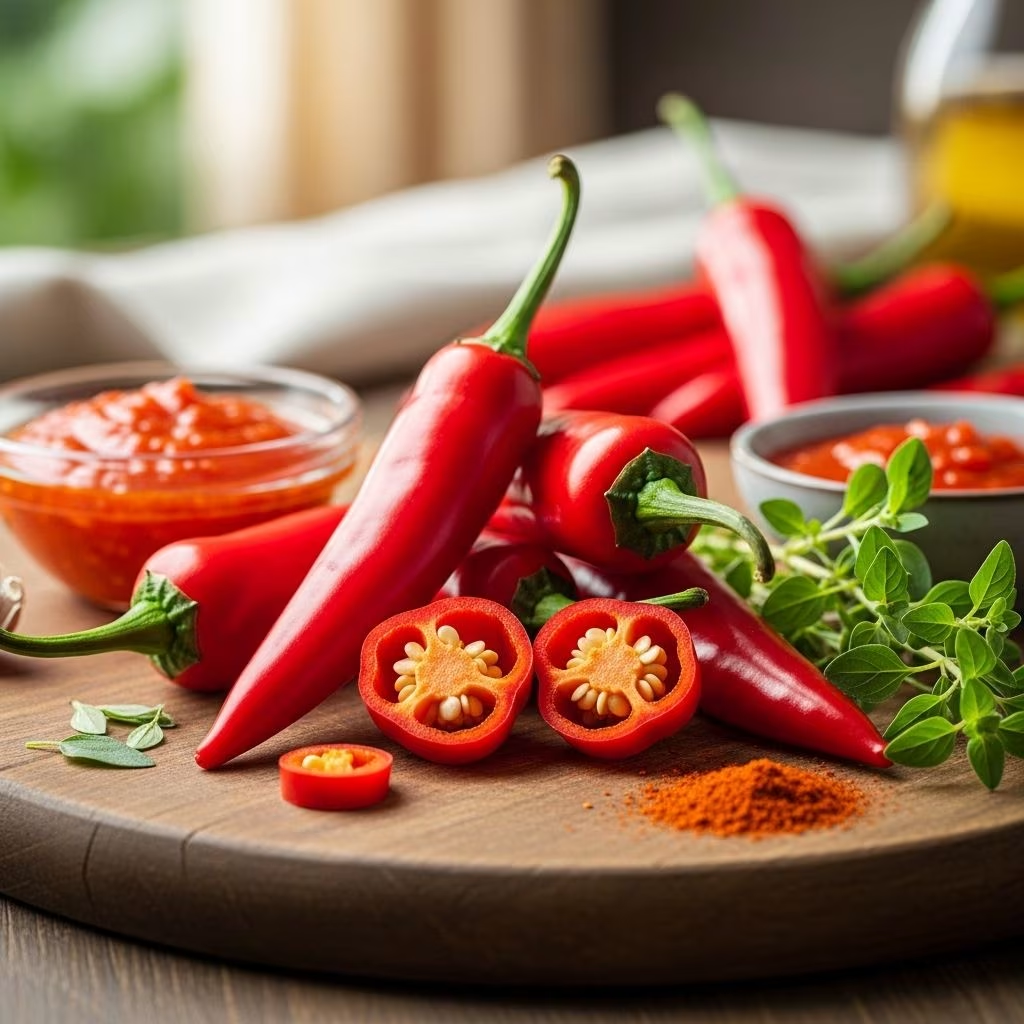
Peri Peri, also known as piri piri or pili pili, holds an esteemed place in global gastronomy as both a fiercely spicy chili and a vibrant, multifaceted sauce. With its fiery reputation, intricate taste, and storied journey from African fields to kitchens across the world, Peri Peri tantalizes the senses and enriches culinary traditions. This article delves into the legacy, health benefits, uses, and flavor nuances of Peri Peri, helping you appreciate why this small chili has achieved legendary status.
Origin and Etymology
The history of Peri Peri is deeply intertwined with Portuguese exploration and African agriculture. The pepper itself, a cultivar of Capsicum frutescens known as African bird’s eye chili, was originally found in Central and South America before Portuguese explorers encountered and cultivated it in Mozambique during the 15th century.
- Portuguese Influence: Portuguese traders and settlers introduced the chili to their colonies, especially in Mozambique and Angola, where it flourished in local cuisine.
- Etymology: The word “peri-peri” is derived from the Swahili phrase “piri piri,” meaning “pepper,” with alternate spellings reflecting different African languages and Portuguese pronunciation.
- Spread: From Africa, it traveled to Portugal and Brazil, becoming part of both culinary and medicinal traditions.
Today, Peri Peri peppers are cultivated in several African nations (Mozambique, Zambia, Malawi) and remain a vital ingredient in Portuguese, African, and fusion cuisines.
Culinary Profile and Ingredients
Peri Peri manifests itself in both a raw chili pepper and a rich, complex sauce. The sauce typically comprises the following ingredients:
- African bird’s eye chili (Peri Peri pepper) – provides the signature heat
- Lemon or vinegar – adds tang and brightness
- Salt and oil – balances flavors and enhances texture
- Garlic, onion, bell peppers – deepen the savoriness
- Paprika, oregano, basil, bay leaves – layered spices for aroma and flavor
Variations may include additional ingredients such as coconut milk, peanut butter (e.g., in Macau’s African Chicken), and other regional seasonings.
Health Benefits of Peri Peri
Beyond its flavor, Peri Peri offers several noteworthy health advantages:
- Rich in Vitamins: Peri Peri peppers are abundant in vitamin C and vitamin A, supporting immune function and skin health.
- Antioxidant Properties: Capsaicin, the compound responsible for spiciness, acts as a powerful antioxidant, combating free radicals that contribute to aging and disease.
- Metabolism Boost: Capsaicin stimulates metabolism and can promote fat burning, potentially aiding weight management.
- Anti-Inflammatory Effects: Chili compounds have shown anti-inflammatory benefits in various studies, which may help with chronic inflammation.
- Digestive Health: While spicy foods must be consumed in moderation, capsaicin can increase digestive enzyme production and help control harmful bacteria in the gut.
- Heart Health: Some research suggests regular chili consumption may support cardiovascular health by promoting healthy blood flow and reducing cholesterol.
*Note: Individuals with sensitive stomachs or digestive issues should consume Peri Peri peppers and sauce cautiously, as excessive spice may aggravate discomfort.
Uses in Global Cuisine
Peri Peri’s culinary versatility is legendary, serving as a staple in both traditional and contemporary recipes:
- Marinade: The sauce’s acidity and spice make it ideal for marinating chicken, fish, prawns, tofu, and vegetables before grilling or roasting.
- Dipping Sauce: Used as a dip for fries, vegetables, breads, and appetizers.
- Seasoning: Powdered Peri Peri or rubs add zest to popcorn, nuts, roasted snacks, and even salad dressings.
- Casseroles & Stews: Imparts heat and depth to dishes such as stews, curries, and casseroles, especially in African, Portuguese, and fusion cuisine.
- Burgers and Sandwiches: A spicy spread or topping for burgers, wraps, and sandwiches.
- Fusion Cuisine: Macau’s national dish, Galinha à Africana (African Chicken), incorporates Peri Peri along with local Chinese flavors using coconut milk and five-spice powder.
Its broad uses have helped make Peri Peri a global phenomenon, inspiring restaurant chains and home cooks alike.
Taste Profile and Scoville Heat
The unique blend of heat, tang, sweetness, and earthy undertones defines Peri Peri’s signature taste:
- Heat: Peri Peri peppers rank high on the Scoville scale, typically between 50,000 and 175,000 heat units, delivering potent but nuanced spiciness.
- Tang: Lemon juice and vinegar offer refreshing brightness.
- Sweetness: Some undertone sweetness balances the sauce’s fiery edge.
- Earthiness: Smoky paprika and garlic lend depth and complexity.
- Aroma: Herbal notes from oregano and basil round out the profile.
The result is a sauce that isn’t just hot—it’s complex, balancing spice with brightness and subtle sweetness, making foods more exciting without overwhelming the palate.
Popular Recipes Featuring Peri Peri
- Peri Peri Chicken – The most iconic recipe, involving marinating chicken in the sauce and grilling it to smoky perfection, often served with fries or salad.
- Peri Peri Prawns – Seafood benefits from the tangy spice, either grilled or sautéed.
- Peri Peri Cashews – Roasted with Peri Peri seasoning for a spicy snack.
- Vegetarian Peri Peri: Tofu, mushrooms, and paneer make excellent spicy dishes when marinated and roasted or grilled.
- Peri Peri Pizza: A drizzle over pizza lends bold flavor to cheese, vegetables, or meats.
Each recipe showcases the sauce’s adaptability across proteins, grains, and vegetables, contributing to its worldwide appeal.
Peri Peri Around the World
While Peri Peri’s roots lie in Africa and Portugal, its reach is now truly global:
- South Africa: Ubiquitous in local cuisine and BBQs, Peri Peri sauce and chicken are ever-present.
- Portugal: Integral to both rustic and fine dining, frequently paired with seafood.
- United Kingdom & Global Fusion: Popularized by restaurant chains (e.g., Nando’s), Peri Peri has become a household staple.
- Brazil: Portuguese traders brought bird’s eye chili to Brazil, where similar variants (e.g., malagueta) are now key ingredients in national recipes.
- Macau: Cultural fusion resulted in Afro-Chinese specialties like African Chicken.
The migration and adaptation of Peri Peri highlight its universal charm and ability to enrich diverse culinary traditions.
Nutritional Information Table
| Nutrient | Per 1 Tbsp (15g) Sauce |
|---|---|
| Calories | ~12 |
| Total Fat | 0g |
| Sodium | 130mg |
| Total Carbohydrate | 3g |
| Sugars | 1g |
| Vitamin C | 10% Daily Value |
| Capsaicin | ~0.5mg |
Values are approximate and may vary with recipe variations and brand.
Frequently Asked Questions (FAQ)
Q: Is Peri Peri and piri piri the same thing?
A: Yes. The terms refer to both the chili pepper and sauce, varying mostly by regional spelling—Peri Peri in English-speaking Africa and piri piri in Portuguese-speaking countries.
Q: How spicy is Peri Peri?
A: Peri Peri peppers are among the spiciest commonly used chilies, reaching up to 175,000 Scoville units. However, sauces can be made mild or extra hot depending on recipe and dilution.
Q: Can I make Peri Peri sauce at home?
A: Absolutely. Blend fresh bird’s eye chilies, garlic, lemon, vinegar, salt, and preferred spices to craft a vibrant homemade sauce.
Q: Is Peri Peri sauce gluten-free?
A: Most homemade and commercial Peri Peri sauces are naturally gluten-free, but it’s wise to check labels for additives.
Q: What dishes pair best with Peri Peri?
A: Peri Peri shines on grilled chicken, seafood, roasted vegetables, and in sandwiches or wraps.
Conclusion
Peri Peri (piri piri) stands at the crossroads of history, culture, and bold flavor. From its African and Portuguese roots to its global present, these fiery chilies have left an indelible mark on cuisine—embodying both tradition and innovation. Whether you seek a metabolic boost, crave spicy excitement, or yearn to explore new culinary horizons, Peri Peri delivers complexity, heat, and health in every vibrant drop.
References
- https://africandreamfoods.com/blogs/articles/the-history-of-peri-peri
- https://www.luisa-paixao.us/blogs/life-in-portugal/piri-piri-recipes-and-origins-of-the-fiery-portuguese-pepper
- https://en.wikipedia.org/wiki/Piri_piri
- https://itssouper.com/blogs/blog/the-history-of-peri-peri
- https://tincanfish.com/blogs/pedros-peixe/what-is-peri-peri-or-piri-piri-sauce
- https://salty-savory-sweet.com/blogs/the-spice-and-tea-thymes-the-spice-and-tea-shoppe/blog-humble-beginnings-to-global-sensation-the-history-of-peri-peri-spice
- https://www.nandosperiperi.com/what-is-peri-peri
- https://www.sbs.com.au/food/article/uncovering-the-origins-of-peri-peri-sauce/hfaa4sybb


