


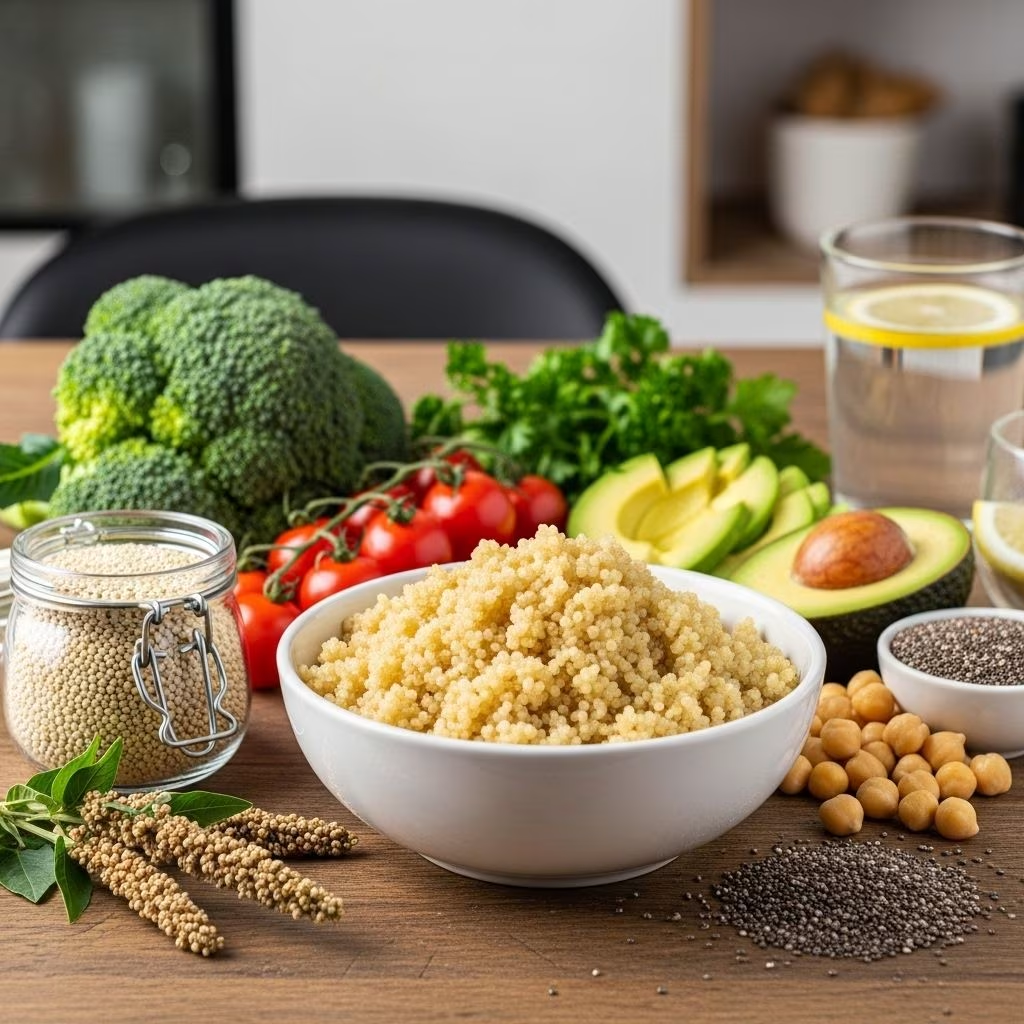
Quinoa (pronounced KEEN-wah) is more than just a food trend—it’s a highly nutritious seed whose impressive nutrient profile, culinary flexibility, and appealing taste have earned it superfood status across the globe.
This in-depth guide covers everything you need to know about quinoa: its botanical origins, nutritional and health benefits, how to use it, and what to expect in terms of flavor.
Table of Contents
- What Is Quinoa?
- Origins and History of Quinoa
- Nutritional Profile of Quinoa
- Health Benefits of Quinoa
- Culinary Uses of Quinoa
- What Does Quinoa Taste Like?
- How to Cook and Prepare Quinoa
- Types and Varieties of Quinoa
- Potential Drawbacks and Considerations
- Frequently Asked Questions
What Is Quinoa?
Quinoa is a flowering annual plant cultivated primarily for its starchy seeds, which are edible and exceptionally nutrient-dense. Although often referred to as a grain or whole grain, quinoa is technically a pseudocereal—a seed consumed in much the same way as common grains like rice or barley, but botanically distinct from true cereal grains.
In culinary contexts, quinoa serves as a high-protein, gluten-free alternative to standard grains, making it especially popular among those with dietary restrictions.
Origins and History of Quinoa
Originating in the Andean region of South America—including modern-day Peru, Bolivia, and Ecuador—quinoa was domesticated over 5,000 years ago and played a central role in the diet of the Inca civilization.
Quinoa’s resilience in harsh, high-altitude climates and its ability to grow in poor soil made it a critical crop for ancient Andean cultures. The Incas referred to it as the “mother of all grains,” and many indigenous communities continue to revere and cultivate it today.
Only recently has quinoa achieved global prominence thanks to its robust nutritional profile and adaptability in modern diets.
Nutritional Profile of Quinoa
Quinoa is celebrated for being highly nutritious, dense in essential nutrients, and unusually high in both plant-based protein and fiber when compared to typical grains.
Below you’ll find the complete nutritional breakdown for one cup (about 185 grams) of cooked quinoa:
| Nutrient | Amount |
|---|---|
| Calories | 222 |
| Protein | 8 grams |
| Total Fat | 3.55 grams |
| Saturated Fat | 0.43 grams |
| Carbohydrates | 39 grams |
| Dietary Fiber | 5 grams |
| Folate | 19% DV |
| Magnesium | 28% DV |
| Vitamin B6 | 13% DV |
| Copper | 39% DV |
| Iron | 15% DV |
| Zinc | 18% DV |
| Manganese | 51% DV |
| Phosphorus | 22% DV |
| Potassium | 7% DV |
It also contains trace amounts of calcium, vitamin E, and other B-vitamins, but is naturally gluten-free—a key factor in its popularity among those with celiac disease or gluten intolerance.
Complete Protein
Unlike most plant-based foods, quinoa is a source of complete protein, meaning it provides all nine essential amino acids required for human health in sufficient quantities. This makes it an especially valuable food for vegetarians and vegans.
High in Fiber
One cup of cooked quinoa contains about 5 grams of dietary fiber—higher than most white or brown rice. This fiber supports digestive health, helps control blood sugar, and promotes satiety.
Rich in Micronutrients
- Magnesium: Supports nerve, muscle, and bone health.
- Iron: Essential for the formation of red blood cells and transport of oxygen.
- Zinc: Influences immune function and wound healing.
- Folate: Vital for DNA synthesis and cell division.
Other Beneficial Compounds
- Antioxidants: Quinoa contains plant compounds quercetin and kaempferol. These antioxidants may reduce inflammation and help protect against chronic diseases.
- Manganese and phosphorus: Important for metabolism, bone health, and cellular energy production.
Health Benefits of Quinoa
Research supports a wide array of health benefits associated with regular consumption of quinoa, mainly due to its unique nutrient balance.
Key Health Benefits
- Supports healthy weight management: Its high protein and fiber content promote satiety and reduce hunger cravings, which may help prevent overeating.
- Helps balance blood sugar: The low glycemic index and rich fiber content contribute to steadier blood glucose levels, making quinoa a good choice for people with diabetes or those aiming for stable energy.
- Promotes heart health: Soluble fiber and specific antioxidants in quinoa can lower total cholesterol and potentially reduce risk factors for heart disease.
Quercetin and kaempferol, key antioxidants, also have anti-inflammatory properties that benefit cardiovascular health. - Improves digestive health: Significant fiber content helps support regular bowel movements and gut health.
- Gluten-free nutrition: Naturally free of gluten, quinoa is a safe and nutritionally superior substitute for wheat-based grains, especially for individuals with gluten intolerance or celiac disease.
- Source of complete protein: Provides all essential amino acids, making it ideal for muscle repair, growth, and overall daily protein intake, especially in plant-based diets.
- High in vitamins and minerals: Regular inclusion of quinoa can address common dietary deficiencies, particularly in magnesium, iron, and folate.
- Antioxidant and anti-inflammatory effects: Flavonoids like quercetin may help protect against inflammation and cell damage caused by oxidative stress.
Culinary Uses of Quinoa
Quinoa’s neutral yet subtly nutty flavor, light fluffy texture, and ease of preparation allow it to be incorporated into nearly any meal.
Popular Ways to Use Quinoa
- As a rice substitute in bowls, stir-fries, or pilafs.
- Base for salads, both cold and warm (e.g., quinoa tabbouleh).
- Breakfast porridge: Served hot like oatmeal, with sweet or savory add-ins.
- In soups and stews: Adds bulk, protein, and nutrition.
- Ingredient in veggie burgers or meatless balls.
- Baking: Flour made from ground quinoa is used in gluten-free breads, muffins, pancakes, and cookies.
- Side dish: Served simply with herbs, spices, or a squeeze of lemon.
- Stuffed vegetables: Used as a filling for peppers, zucchini, and more.
Easy Substitution
Quinoa is often used in place of rice, couscous, bulgur, or even pasta in recipes. Its mild flavor blends seamlessly with seasonings, dressings, or sauces, making it a versatile pantry staple.
What Does Quinoa Taste Like?
Quinoa has a distinctive, yet mild flavor profile. Most describe it as nutty, earthy, and slightly grassy with a subtle hint of sweetness.
- The texture is light and fluffy when cooked properly, with each grain remaining separate rather than sticking together.
- Red and black varieties tend to retain more bite and have a stronger, earthier flavor than white quinoa.
- Uncooked quinoa naturally has a bitter, soapy taste due to the presence of saponins, but modern commercial varieties are usually pre-rinsed to remove this aftertaste.
As a result, quinoa is usually described as highly adaptable but not overpowering in flavor, making it suitable for both sweet and savory preparations.
How to Cook and Prepare Quinoa
Cooking quinoa is straightforward, taking about 15 minutes from start to finish. Most packaged quinoa has already been rinsed, but a quick rinse under cold water is still recommended to remove any residual saponins and ensure a pleasant, non-bitter taste.
- Rinse: Place quinoa in a mesh strainer and rinse thoroughly under running water.
- Cook: For every 1 part quinoa, use 2 parts water or broth. Bring to a boil, reduce to a simmer, cover, and cook for 15 minutes or until the water is absorbed.
- Rest: Remove from heat and let it stand for 5 minutes to allow any remaining moisture to absorb.
- Fluff: Use a fork to fluff the cooked quinoa before serving.
Flavoring tips: Cook quinoa in vegetable, chicken, or beef broth instead of water for added flavor, or try toasting the dry quinoa in a pan before boiling to enhance its nutty aroma.
Types and Varieties of Quinoa
There are several hundred cultivated varieties of quinoa, though the following three are the most widely available and consumed:
- White quinoa: The most common variety, lightest in color and flavor, with the fluffiest texture when cooked.
- Red quinoa: Firmer and chewier than white, with a stronger, earthy taste. Keeps its shape better in salads.
- Black quinoa: Slightly sweeter yet earthier than other varieties, with the most pronounced crunch and visual appeal.
Blended or tri-color quinoa mixes are also common and provide varying colors, textures, and tastes in a single dish.
Potential Drawbacks and Considerations
- Saponins: Natural compounds in the quinoa seed coat can make it taste bitter if not rinsed. Most commercial quinoa is pre-rinsed, but rinsing at home ensures optimal flavor.
- Oxalates: Like spinach and some other greens, quinoa contains moderate oxalates. People prone to kidney stones should moderate intake or consult their health practitioner.
- Allergies: While rare, some individuals may be sensitive to quinoa or saponins.
- Calories: Quinoa is more calorie-dense than vegetables, so portion control is important for those on calorie-restricted diets.
Frequently Asked Questions (FAQs)
1. Is quinoa gluten-free?
Yes. Quinoa is naturally gluten-free and safe for people with celiac disease or gluten sensitivities.
2. Can quinoa help with weight loss?
Its high protein and fiber increase feelings of fullness and may help with reduced calorie intake, supporting healthy weight loss when incorporated into a balanced diet.
3. How does quinoa compare to rice nutritionally?
Quinoa generally contains more protein and fiber than white or brown rice, as well as higher levels of certain minerals. It is also a source of complete protein, which rice lacks.
4. Does quinoa need to be rinsed before cooking?
Most commercial quinoa is pre-rinsed, but rinsing again is recommended to eliminate residual saponins and prevent any bitterness.
5. Can quinoa be eaten raw?
Raw quinoa is not digestible as-is. To enjoy its nutritional benefits, it should be cooked before consumption. However, the seeds can be ground into flour for use in uncooked or baked recipes, or sprouted under controlled, sanitary conditions.
6. What are good flavor pairings for quinoa?
Quinoa pairs well with herbs (cilantro, parsley, basil), citrus, roasted or grilled vegetables, beans, nuts, seeds, cheese, and both savory and sweet sauces or dressings.
7. Is quinoa safe for babies?
Yes, quinoa is nutritious and easy to digest. After appropriate introduction per pediatric advice, it can be used in place of rice or other grains in purees and baby foods. Always check for allergies with new foods.
Conclusion
Quinoa is a highly nutritious, ancient pseudocereal prized for its impressive protein content, essential micronutrients, antioxidants, and ease of preparation. Its nutty taste, chewy texture, and culinary versatility make it an ideal staple for today’s diverse eating patterns.
Whether you’re looking for a gluten-free alternative, a plant-based protein source, or simply a new kitchen essential, incorporating quinoa into your diet has wide-ranging benefits—both for your health and your palate.
References
- https://www.urmc.rochester.edu/encyclopedia/content?contenttypeid=76&contentid=20035-1
- https://www.healthline.com/nutrition/8-health-benefits-quinoa
- https://en.wikipedia.org/wiki/Quinoa
- https://www.medicalnewstoday.com/articles/274745
- https://medlineplus.gov/ency/patientinstructions/000731.htm
- https://nutritionsource.hsph.harvard.edu/food-features/quinoa/
- https://pmc.ncbi.nlm.nih.gov/articles/PMC8840215/
- https://www.webmd.com/diet/health-benefits-quinoa


