


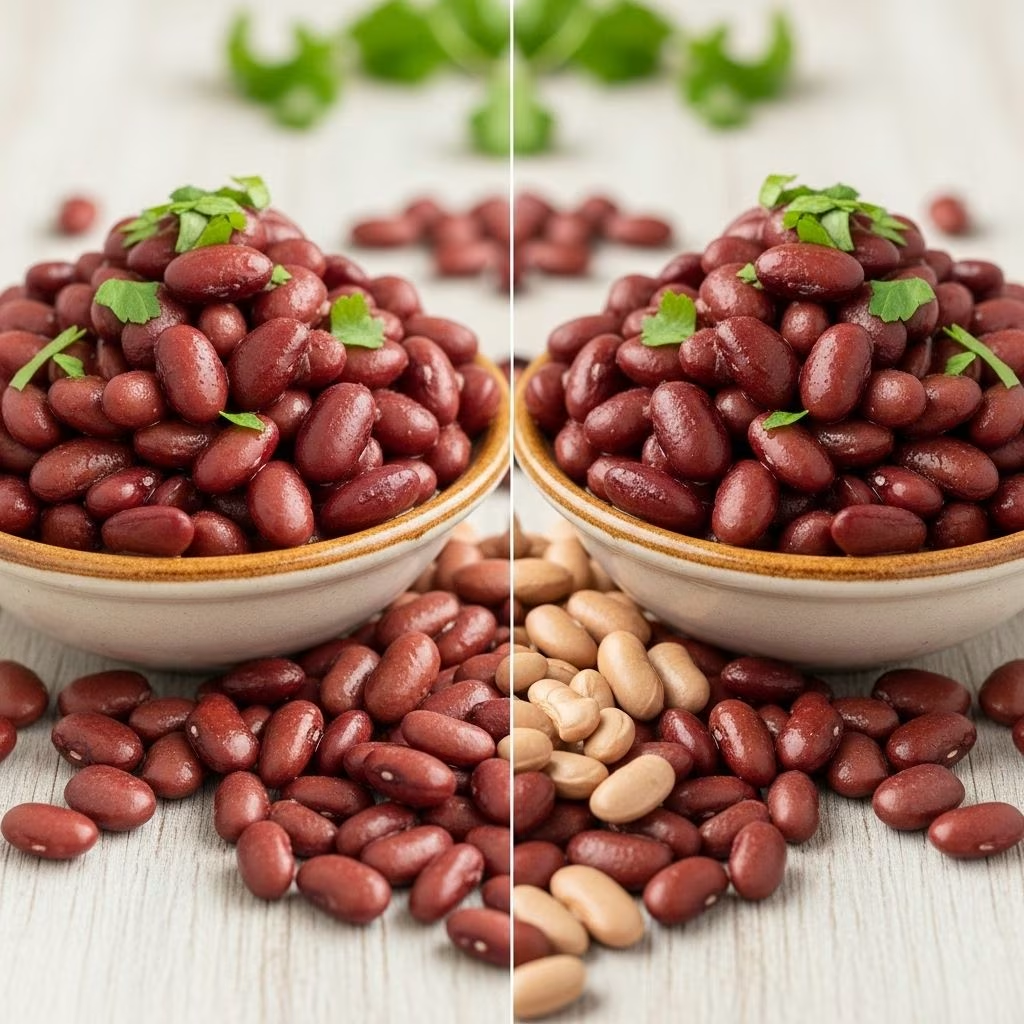
Red beans and kidney beans are highly popular legumes known for their impressive nutritional profile, adaptability in various cuisines, and significant health benefits. Despite the frequent confusion between the two, distinct differences exist. This guide covers what sets these beans apart, their detailed nutrition, wide-ranging benefits, culinary uses around the world, and what to expect from their taste and texture.
Overview: Red Beans vs. Kidney Beans
Although the names are often used interchangeably, red beans and kidney beans are distinct varieties:
- Red beans: Smaller, oval-shaped with a lighter red or pinkish hue. Often called “small red beans”, these are commonly used in Caribbean, Latin American, and some Southern U.S. dishes.
- Kidney beans: Larger, plump, and kidney-shaped. Recognizable by their deep red color and glossy skin, kidney beans are popular in Indian, Mexican, and Cajun cuisines.
Both beans are legumes from the Phaseolus vulgaris family and share similar nutritional benefits, though there are subtle differences in texture, mineral content, and specific culinary use.
Red Beans and Kidney Beans at a Glance
| Characteristic | Red Beans | Kidney Beans |
|---|---|---|
| Size & Shape | Small, oval, pinkish-red | Larger, plump, kidney-shaped |
| Color | Lighter or pink-red | Deep, glossy red |
| Texture (cooked) | Soft, creamy | Firm, meaty |
| Cuisine Examples | Caribbean, Creole, Latin American | Indian, Mexican, Cajun, Chili |
Nutritional Value
Red beans and kidney beans are nutritional powerhouses. Both provide essential nutrients, but their profiles feature small differences. Here are some detailed comparisons based on a 1/2 cup (cooked) serving.
Macronutrient Comparison
| Nutrient | Red Beans (89g) | Kidney Beans (115g) |
|---|---|---|
| Calories | ~112 | ~113 |
| Carbohydrates | 20 g | 28 g |
| Dietary Fiber | 6.5 g | 8.5 g |
| Protein | 8 g | 9 g |
| Fat | 0 g | 0 g |
Note: Canned beans may contain added sodium compared to home-cooked beans.
Key Micronutrients (per 1/2 cup)
- Iron: Red beans: 2.3 mg | Kidney beans: 2.6 mg
- Magnesium: Red beans: 60 mg | Kidney beans: 40 mg
- Phosphorus: Red beans: 193 mg | Kidney beans: 125 mg
- Folate: Red beans: 139 mcg | Kidney beans: 115 mcg
- Copper: Red beans: 0.34 mg | Kidney beans: 0.21 mg
- Manganese: Red beans: 0.65 mg | Kidney beans: 0.42 mg
Red beans tend to contain a little more magnesium, phosphorus, copper, and manganese, while kidney beans are slightly ahead in protein and iron.
Health Benefits
Both red and kidney beans offer a wealth of health benefits, thanks to their robust combination of plant protein, fiber, vitamins, minerals, and antioxidant compounds. Here are some science-backed reasons to add these beans to your diet:
- High in Plant-Based Protein
Beans are among the best plant-based protein sources, with about 8–9 grams per half-cup cooked. They are excellent meat alternatives for vegetarians and vegans and support muscle maintenance and repair.
- Excellent Source of Fiber
Both red and kidney beans supply large amounts of dietary fiber (6.5–8.5 g per half-cup). Fiber aids digestion, keeps you feeling full, supports healthy cholesterol levels, and helps regulate blood sugar.
- Heart Health
Low in fat and cholesterol—but rich in potassium, magnesium, and fiber—these beans promote heart health by helping to lower blood pressure, reduce LDL (bad) cholesterol, and prevent atherosclerosis.
- Blood Sugar Regulation
Despite their carbohydrate content, the fiber and resistant starch in beans slow glucose absorption, helping manage blood sugar and insulin response. The American Diabetes Association considers them a valuable food for diabetes management.
- Antioxidant Rich
Manganese and other polyphenols in beans support antioxidant defenses, combatting oxidative stress and lowering disease risk.
- Natural Detoxifier
Kidney beans are rich in molybdenum, a trace mineral that helps detoxify sulfites commonly found in processed foods.
- Blood Pressure Control
The potassium, magnesium, and soluble fiber work together to regulate blood pressure, reducing hypertension risk.
- Energy Boost & Metabolism
Manganese plays a role in nutrient metabolism and energy production.
- Supports Brain and Nervous System
B-vitamins and minerals found in red and kidney beans support nervous system health and cognitive function.
- Tissue Repair & Immune Support
Vitamins and minerals like B6, copper, iron, and zinc aid tissue repair, support the immune system, and promote skin and hair health.
- Reduces Migraine, Cataracts & Asthma Symptoms
Magnesium and vitamin B compounds help reduce migraine frequency, risk of cataracts, and can relieve certain asthma symptoms.
- Gut Health
Resistant starch found in these beans acts like fiber and supports digestive health by feeding beneficial gut bacteria and maintaining colon health.
Culinary Uses
Red beans and kidney beans are culinary staples worldwide, prized for their ability to absorb flavors, bulk up dishes, and provide lasting nourishment. Here is how they’re most commonly used:
- Stews and Chili
Kidney beans’ firm texture holds up well in slow-cooked stews, curries, and chili. They’re a classic ingredient in American chili con carne and Indian rajma.
- Rice Dishes
Red beans are iconic in Caribbean and Southern cooking, particularly in dishes like Louisiana red beans and rice, Puerto Rican habichuelas, and Cuban congrí.
- Salads
Both beans make protein-rich additions to salads, such as three-bean salad, tossed green salads, or cold pasta salads.
- Soups
Beans add creaminess and depth to minestrone, bean soups, and vegetable-based broths.
- Veggie Burgers and Purees
Mashed kidney or red beans are used in bean burgers, tacos, burritos, and as a thickener for dips and spreads.
- Breakfasts and Sides
Common in full English or vegetarian breakfasts, and often served as a flavorful side to meats or roasted vegetables.
Taste and Texture
- Red Beans: Mild, slightly sweet and nutty flavor. Their creamy texture makes them ideal for slow-cooked, saucy dishes.
- Kidney Beans: Slightly earthier, more robust flavor. Their meaty firmness allows them to retain shape in hearty, spicy dishes.
Both beans readily absorb herbs, spices, and sauces, enhancing their appeal in diverse recipes.
Selection and Storage
- Dry beans: Choose beans free from cracks and moisture, and store in a cool, dry place. Shelf life: up to a year.
- Canned beans: Opt for low-sodium or no-salt-added varieties. Rinse before use to reduce sodium and remove canning liquid.
- Cooked beans: Refrigerate in an airtight container for up to 4–5 days, or freeze for up to 3 months.
How to Cook Red and Kidney Beans
Proper preparation maximizes nutrition and reduces compounds that can cause digestive upset.
- Soaking (for dry beans): Rinse and soak overnight (8–12 hours). Discard soaking water; rinse beans before cooking.
- Cooking: Simmer soaked beans in fresh water for 45–90 minutes until tender. Avoid adding salt or acidic ingredients until beans are soft, as this can delay cooking.
- Quick-Soak: Boil beans for 2 minutes, remove from heat, soak for 1 hour, then cook as above.
- Pressure cooking: Reduces cooking time to 15–30 minutes.
- Important: Boil kidney beans vigorously for at least 10 minutes to destroy toxins (phytohemagglutinin) present in raw/undercooked beans.
Possible Side Effects and Considerations
- Digestive discomfort: Beans contain fiber and oligosaccharides, which can cause gas or bloating. Gradually increase intake and ensure beans are well-cooked.
- Anti-nutrients: Compounds like lectins and phytates can decrease with proper soaking and cooking.
- Allergies: Rare, but possible; consult with a healthcare provider if concerned.
- Sodium: Canned beans are often high in sodium; choose low-sodium options or rinse thoroughly before eating.
Frequently Asked Questions (FAQs)
Q: Are red beans and kidney beans the same thing?
A: No, they are related but distinct. Red beans are smaller, oval, and lighter in color, while kidney beans are larger and kidney-shaped. Both offer similar nutrition with subtle differences.
Q: Are red/kidney beans healthy for everyone?
A: Yes, for most people. They are rich in plant protein, fiber, and key micronutrients. Properly cooked beans are suitable for most diets, but those with allergies or certain medical conditions should consult their doctor.
Q: How can I reduce gas from beans?
A: Gradually increase the amount of beans in your diet, soak and rinse dry beans thoroughly, and ensure they are fully cooked to reduce digestive discomfort.
Q: Can I eat kidney beans raw?
A: No, raw or undercooked kidney beans contain toxins (phytohemagglutinin) which are destroyed by boiling for at least 10 minutes.
Q: Are canned beans as healthy as dried beans?
A: Canned beans are nutritionally similar but often higher in sodium. Choose reduced-sodium options and rinse before use.
Q: What cuisines use red or kidney beans?
A: Red/kidney beans feature in Creole, Caribbean, Indian, Mexican, and many other international cuisines, appearing in curries, stews, rice dishes, and salads.
References
- https://yourlatinanutritionist.com/blog/red-beans-vs-kidney-beans
- https://www.practo.com/healthfeed/20-health-benefits-of-kidney-beans-3524/post
- https://district.schoolnutritionandfitness.com/hamburg_1501717446202/files/Health%20Benefits%20of%20Red%20Beans.pdf
- https://www.healthline.com/nutrition/foods/kidney-beans
- https://www.hollandandbarrett.com/the-health-hub/food-drink/nutrition/kidney-beans-benefits/
- https://www.vinmec.com/eng/blog/what-are-the-benefits-of-red-beans-en
- https://www.youtube.com/watch?v=2ExhKD5S-0w
- https://www.health.harvard.edu/heart-health/legume-of-the-month-red-beans


