


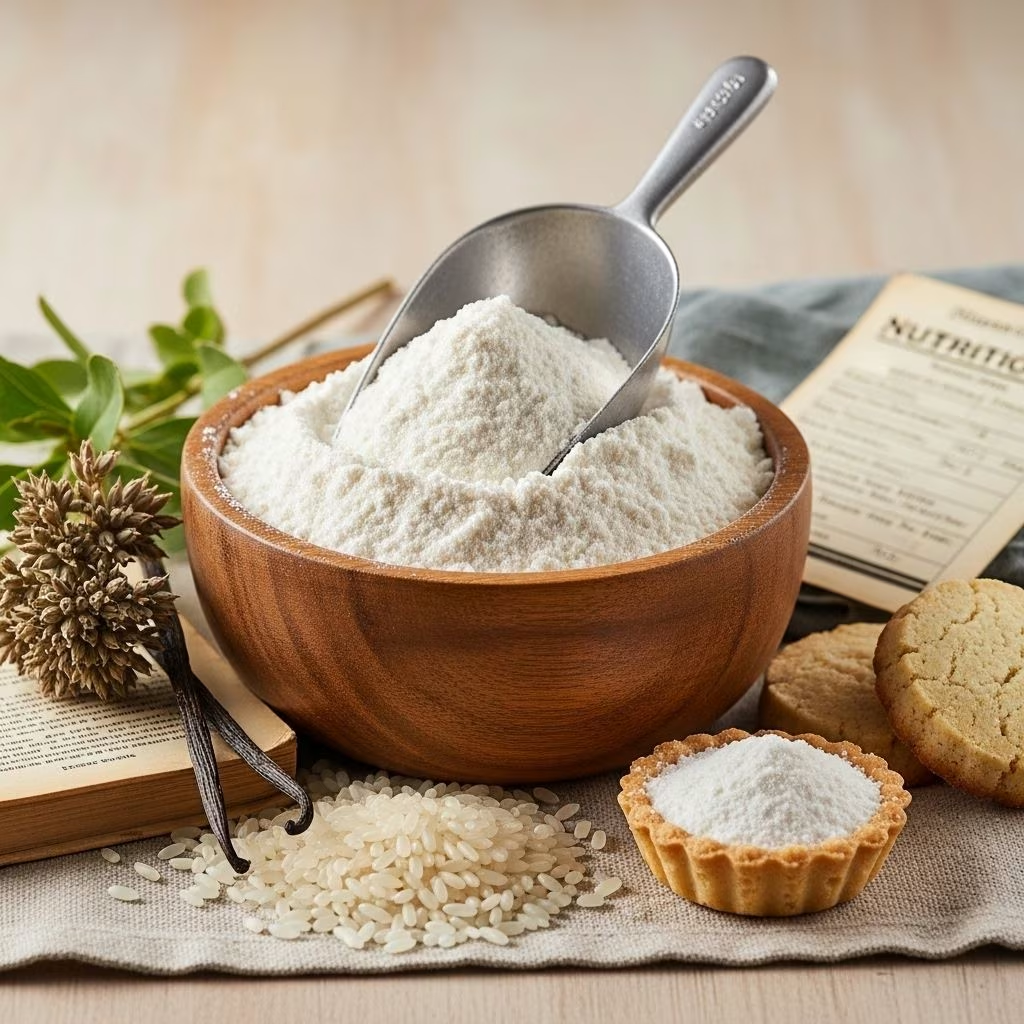
Rice flour is a versatile, naturally gluten-free flour celebrated in culinary traditions around the world. Its unique textural properties and subtle flavor make it essential in both traditional baking and contemporary gluten-free recipes. This comprehensive guide explores rice flour’s role in baking, recommended substitutes, and its nutritional profile, whether you’re a seasoned baker or navigating gluten-free living.
What Is Rice Flour?
Rice flour is a finely milled powder derived from either white or brown rice grains. It comes in three primary forms:
- White Rice Flour: Made from polished, hulled white rice. It’s smooth and subtle in flavor.
- Brown Rice Flour: Produced from whole grain brown rice, retaining the bran and germ for a slightly nutty, hearty flavor and added fiber.
- Sweet Rice Flour (Glutinous Rice Flour): Made from sticky, short-grain rice, this flour is crucial for chewy or sticky textures (like mochi) despite being gluten-free.
Each type of rice flour has unique textural characteristics that influence baked goods, making selection important for recipe success.
Baking Uses of Rice Flour
Rice flour’s fine texture, neutral taste, and gluten-free nature make it invaluable in baking. It’s commonly used for:
- Gluten-Free Baked Goods: Rice flour is a staple flour in gluten-free blends, often used for cakes, pastries, cookies, breads, and pancakes.
- Thickening Agent: Its ability to thicken makes it excellent for soups, sauces, and pie fillings—ideal for people allergic to wheat starch.
- Crispy Coatings and Batters: Adds crunch to coatings for fried foods, tempura, or baked items.
- Texture Enhancer: Increases tenderness, crispiness, or chewiness, depending on the recipe. Sweet rice flour imparts signature stickiness in mochi and chewy cookies.
- Blending: Rice flour is often blended with other gluten-free flours or starches to mimic ‘all-purpose’ characteristics.
Rice Flour in Global Baking Traditions
Rice flour is foundational in the cuisines of East Asia, Southeast Asia, parts of India, and Portugal. It appears in products ranging from delicate shortbread to springy steamed buns and crispy pancakes.
Popular Sweet and Savory Recipes with Rice Flour
Rice flour is featured in a wide array of both sweet and savory recipes worldwide. Its adaptability lends itself to innovative and classic creations alike:
- Cookies: Examples include gluten-free Scottish shortbread, Italian Baci di Dama (hazelnut sandwich cookies), and chewy Japanese mochi cookies.
- Cakes and Muffins: Rice flour provides lightness to sponges, chiffon cakes, and muffins, such as Portuguese bolos de arroz and gluten-free carrot cake cupcakes.
- Pancakes and Crepes: Used in crispy Vietnamese banh xeo, Korean vegetable pancakes, sweet American-style pancakes, and lacy gluten-free crepes.
- Steamed Buns and Dumplings: Staples like Chinese turnip cake, cheung fun (steamed rice noodle rolls), Korean injeolmi (rice cake), and sticky rice dumplings.
- Doughnuts and Waffles: Includes mochi doughnuts, sweet cheese mochi waffles, and gluten-free Belgian-style waffles.
- Gluten-Free Breads: Noted in crunchy bread crusts or combined in gluten-free sandwich loaves and hamburger buns.
- Pastry Crusts: An excellent flour for gluten-free pie crusts and tart shells, delivering a crispy, flaky texture.
- Fried Foods: Enhances texture in classics like fried chicken (e.g., Japanese Mochiko Chicken), tempura, and croquettes.
You’ll find rice flour at the heart of recipes from classic mochi and sesame balls to modern gluten-free brownies, cakes, and biscuits.
Sample Rice Flour Recipe Table
| Dish | Type of Rice Flour | Characteristics |
|---|---|---|
| Scottish Shortbread | White Rice Flour | Flaky, tender, crisp |
| Mochi | Sweet Rice Flour | Chewy, sticky |
| Korean Pancakes | White/Brown Rice Flour | Light, crisp |
| Bolos de Arroz | White Rice Flour | Moist, airy crumb |
| Gluten-Free Pie Crust | Blend (includes Rice Flour) | Buttery, crumbly |
Benefits of Baking with Rice Flour
- Gluten-Free: Ideal for those with celiac disease or gluten intolerance.
- Neutral Flavor: Does not overpower other ingredients, making it suitable for both sweet and savory baking.
- Crunch and Tenderness: Adds desired crispness to cookies and pastries or tenderness to cakes and muffins.
- Allergy-Friendly: Suitable for most diets, as it is naturally vegan, not a common allergen, and contains no wheat, dairy, or nuts.
Rice flour helps bakers achieve textures that are difficult to replicate using only wheat or other gluten-free flours.
Top Rice Flour Substitutes
If you run out of rice flour or want to experiment, a range of flours can serve as substitutes, each with distinct outcomes:
- Sorghum Flour: Mild flavor and similar texture; often used interchangeably in gluten-free blends.
- Oat Flour: Offers a chewy, hearty feel; works well in muffins and pancakes but may add a stronger flavor profile.
- Potato Starch or Cornstarch: Can mimic rice flour’s lightness and crispness in coatings and as thickeners.
- Tapioca Flour (Starch): Adds elasticity to doughs; commonly blended with other gluten-free flours.
- Coconut Flour: Very absorbent, so use sparingly and adjust liquids if substituting; brings a nutty-sweet flavor.
- Chickpea or Bean Flours: Suitable for savory bakes but may present a stronger, earthy taste.
- Almond Flour: Good for airy, tender cakes, though it is denser and richer in fat than rice flour.
For best results, substitute rice flour with blends or combinations rather than a single alternative, and remember to adjust the recipe for liquid absorption and binding capacity.
Rice Flour vs. Other Gluten-Free Flours (Comparison Table)
| Flour | Texture Outcome | Flavor | Best Uses |
|---|---|---|---|
| Rice Flour | Light, crisp, neutral | Mild | Pastries, cookies, cakes |
| Sorghum Flour | Soft crumb | Mild, earthy | Breads, muffins |
| Oat Flour | Moist, chewy | Nutty, hearty | Pancakes, banana bread |
| Tapioca Starch | Elastic, chewy | Neutral | Chewy cakes, thickeners |
| Coconut Flour | Dense, absorbent | Sweet, nutty | Cakes, brownies |
Rice Flour Nutrition: Facts and Considerations
Rice flour provides a safe, versatile flour option with a nutritional profile reflective of its grain type:
- Calories & Carbs: High in carbohydrates, moderate in calories, and virtually fat-free. White rice flour contains fewer nutrients than brown rice flour due to milling and removal of the bran.
- Protein: Generally low; protein content is less than wheat flour.
- Fiber: White rice flour is low in fiber, but brown rice flour can be a source of dietary fiber from the bran.
- Micronutrients: Offers small amounts of B vitamins and minerals, especially in brown rice flour.
- Gluten-Free: Safe for those with gluten intolerance or celiac disease.
Below is a sample nutrition comparison (per 1/4 cup, approximate values):
| Nutrient | White Rice Flour | Brown Rice Flour |
|---|---|---|
| Calories | 145 | 150 |
| Protein (g) | 2.4 | 3.0 |
| Carbohydrates (g) | 32 | 31 |
| Fiber (g) | 0.5 | 2.0 |
| Fat (g) | 0.3 | 1.5 |
Note: Rice flour lacks the fortification often added to wheat flour (such as iron and folate), so consider a balanced diet if wheat is entirely replaced.
Tips for Successful Baking with Rice Flour
- Blend for Best Results: Rice flour works well when blended with other gluten-free flours like potato starch, tapioca starch, or almond flour for enhanced texture.
- Add Binding Agents: Because it lacks gluten, rice flour benefits from additions like xanthan gum, psyllium husk, eggs, or chia seeds to bind and retain moisture.
- Monitor Liquid Absorption: Rice flour can be more absorbent than wheat flour, so recipes may require more liquid or fat.
- Rest the Batter: Let gluten-free batters rest before baking to prevent grittiness and improve moisture distribution.
- Sift for Smoothness: Always sift rice flour to avoid lumps in delicate cakes and sauces.
Frequently Asked Questions (FAQs)
Q: Is rice flour truly gluten-free?
Yes, rice flour—whether white, brown, or sweet rice—is naturally gluten-free and can be safely consumed by those with celiac disease or gluten sensitivities.
Q: Can rice flour completely replace wheat flour in baking?
Rice flour cannot always replace wheat flour one-for-one due to different binding and structural properties. Success is more likely when used in combination with other gluten-free flours and binding agents for optimal texture and rise.
Q: What’s the best way to store rice flour?
Store rice flour in an airtight container in a cool, dry place for up to six months. For longer storage, keep it in the refrigerator or freezer to prevent rancidity, especially for brown rice flour due to its higher oil content.
Q: Does rice flour have a distinctive taste?
Rice flour has a mild, neutral taste, making it suitable for most baking applications without altering flavors. Brown rice flour offers a slightly nutty note, while sweet rice flour is notably bland but provides a sticky texture.
Q: Are there any health concerns with using rice flour?
Rice flour is safe for most; however, those following a low-carb diet or concerned about arsenic levels in rice should consume it in moderation and balance flour sources in their diet.
Conclusion
Rice flour’s simplicity, adaptability, and gluten-free credentials ensure its popularity in both traditional and modern kitchens. Whether transforming classic recipes to accommodate dietary restrictions or seeking new baking adventures, understanding its unique properties unlocks a broad spectrum of delicious possibilities—from cakes and cookies to breads and dumplings. With mindful substitutions and strategic blending, rice flour guarantees both taste and texture in gluten-free baking.
References
- https://apinchofadventure.com/rice-flour-recipes-w-pictures/
- https://everydayglutenfreegourmet.ca/how-to-use-rice-flour/
- https://www.snixykitchen.com/flour/sweet-rice-flour/
- https://thesoundofcooking.com/rice-flour-recipes/
- https://bojongourmet.com/gluten-free-flour/sweet-rice-flour/
- https://georgeats.com/recipes/gluten-free-desserts-with-rice-flour/


