


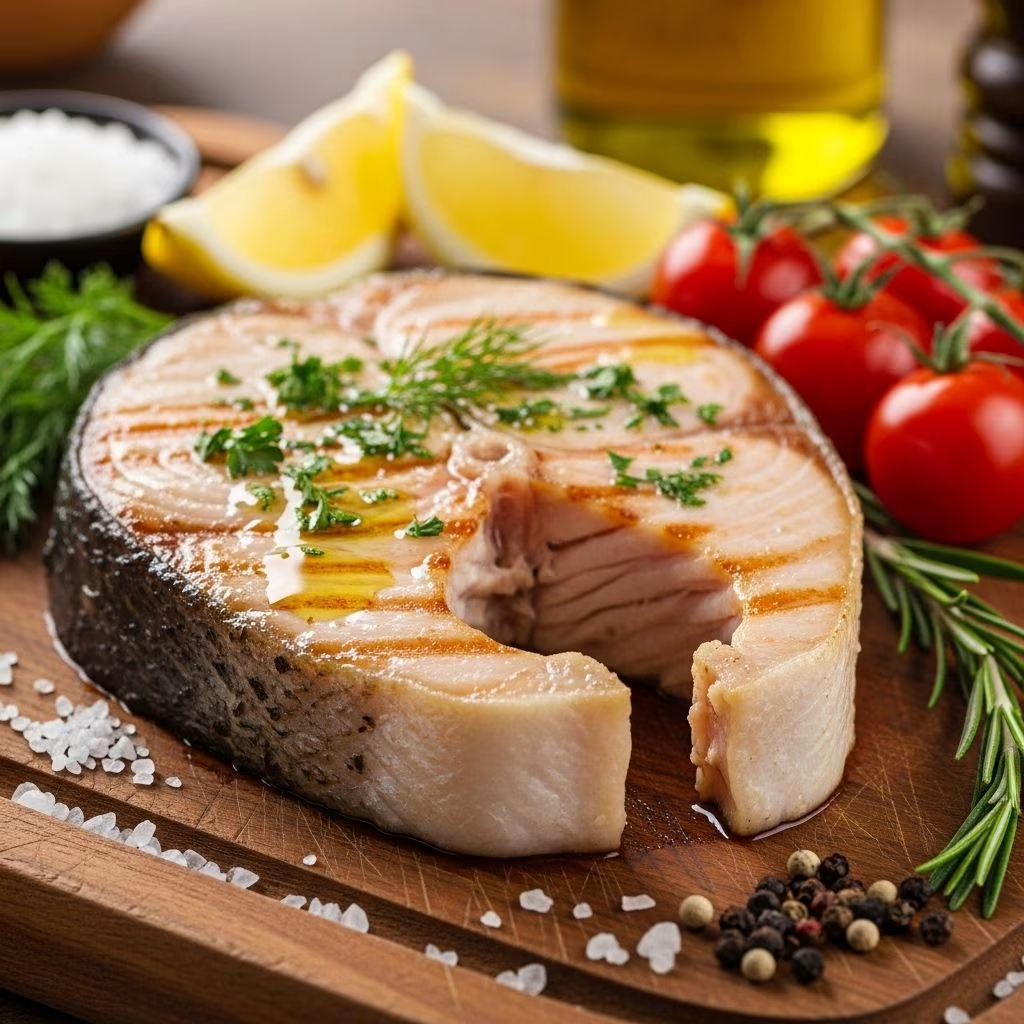
Swordfish, one of the giants of the ocean and prized for centuries by chefs and fishers alike, is renowned not only for its unique appearance and athletic prowess but also for its culinary excellence. This article explores swordfish in detail: from its fascinating biology and ecological role to its nutritional value, health benefits, taste profile, and culinary applications. Seafood enthusiasts, nutritionists, and curious gourmands alike will find a comprehensive introduction to what makes swordfish remarkable.
About Swordfish: Anatomy and Biology
The swordfish (Xiphias gladius) is a large, predatory fish famous for its elongated, flat, sword-like bill, which it uses to slash at and stun prey. It is the only extant member of the family Xiphiidae and can be readily distinguished by the following features:
- Long, flat bill: The upper jaw forms a sharp, flattened extension often comprising up to a third of its total length.
- Dorsal fins: Two dorsal fins are present. The first is tall and rigid; the second is smaller and sits further back.
- Absence of teeth and scales in adults: While young swordfish have small teeth and scales, these are lost entirely as they mature.
- Colors: Dark brown or purple on the back, fading to silver or light brown on the sides and belly.
- Size: Swordfish can grow to 15 feet (over 4.5 meters) and weigh up to 1,400 pounds (635 kg), though most specimens are smaller.
Notable Adaptations:
- Speed: Swordfish are among the fastest fish in the ocean, reaching speeds up to 60 mph (100 km/h). The streamlined body and powerful caudal (tail) fin contribute to these bursts of acceleration.
- Specialized tissue: A unique organ behind the eyes generates heat, enabling swordfish to hunt in the cold, deep waters by maintaining vision and brain temperature.
| Feature | Description |
|---|---|
| Scientific Name | Xiphias gladius |
| Family | Xiphiidae |
| Length | Typically 6–10 feet (up to 15 feet) |
| Weight | 150–1,400+ pounds |
| Lifespan | 4–15 years |
| Distinctive Trait | Sword-like upper jaw |
Distribution, Habitat, and Behavior
Distribution: Swordfish are highly migratory and are found in tropical and temperate oceans worldwide, including the Atlantic, Pacific, and Indian Oceans. They are remarkably tolerant of a wide range of water temperatures — from 41 to 80°F (5 to 27°C).
Habitat: Swordfish inhabit both the surface and depths of the open sea, often diving to depths between 650 and 2,000 feet (200–600 meters). Large adults migrate toward the surface at night, which is the prime time for commercial and sport fishing.
Diet and Hunting: As apex predators, swordfish feed primarily on smaller fish (such as mackerel, herring, and bluefish), squid, and crustaceans. They use their bill to injure or stun prey, making them easier to catch and swallow whole since adults lack teeth.
Reproduction and Life Cycle:
- Swordfish grow rapidly and reach sexual maturity at 4–6 years.
- Females can release up to 30 million eggs in a single spawning season.
- Eggs are fertilized externally and float near the surface to hatch within days.
Nutritional Profile of Swordfish
Swordfish is considered a nutritional powerhouse among seafood selections. Below is an overview of the major nutrients found per 100-gram cooked portion:
| Nutrient | Amount | Benefits |
|---|---|---|
| Calories | 120–130 kcal | Low-calorie protein source |
| Protein | 20–22 g | Muscle growth and repair |
| Fat | 4–6 g | Satiety, energy, fatty acids |
| Omega-3s (EPA/DHA) | ~1 g | Heart and brain health |
| Selenium | ~55 mcg (up to 80% DV) | Antioxidant, thyroid support |
| Vitamin D | Notable | Bone, immune health |
Health Benefits of Swordfish
Consuming swordfish provides multiple health benefits, linked to its rich content of proteins, healthy fats, vitamins, and minerals:
- Lean Protein Source: High-quality protein supports muscle development, metabolism, and tissue repair.
- Omega-3 Fatty Acids: Supplies EPA and DHA, which support heart health, reduce inflammation, and are beneficial for brain function.
- Selenium: Swordfish is among the richest seafood sources of selenium, an antioxidant important for immune defense and thyroid function.
- Vitamin D: Provides notable dietary vitamin D, which helps maintain healthy bones and support immune system regulation.
- Low in Carbohydrates: As with most fish, swordfish contains virtually no carbohydrates, making it suitable for low-carb diets.
Note: While swordfish has undeniable health benefits, certain populations (e.g., pregnant women, nursing mothers, young children) should limit their consumption due to its potential mercury content. See Potential Risks and Considerations for details.
Culinary Uses and Preparation Techniques
Swordfish is prized in the kitchen for its firm texture and mild, slightly sweet flavor, making it a versatile option for cooks and chefs. Its meaty consistency allows it to be cooked similarly to steak or chicken breast, withstanding high heat and bold seasonings.
Popular Cooking Methods
- Grilling: Swordfish steaks resist flaking and hold up on the grill, developing a smoky, charred crust and juicy interior.
- Broiling: Thick swordfish steaks can be quickly cooked under direct heat, ideal for caramelizing the surface while preserving tenderness.
- Pan-searing: A fast way to develop a golden crust; works well when finished with a sauce of herbs, citrus, or capers.
- Baking: Suitable for hearty preparations with vegetables and Mediterranean flavors.
- Ceviche: In some cultures, swordfish is marinated and cured with citrus juices for a fresh, tangy dish (ensure use of sushi-grade, parasite-free fish).
Pairings and Recipe Ideas
- Citrus-based marinades and salsas (lemon, orange, lime)
- Fresh herbs like basil, thyme, and parsley
- Rustic sides such as grilled vegetables, potatoes, or salads
- Wine pairings favor crisp whites (Sauvignon Blanc) or light reds (Pinot Noir)
Tip: Avoid overcooking; swordfish dries out if left too long on the heat. It is safe and delicious when still slightly moist in the center.
Taste, Texture, and Cooking Profiles
Swordfish is distinct among seafood for its dense, firm, meaty flesh and delicate, slightly sweet flavor. These characteristics appeal to those who enjoy milder fish or wish for a seafood experience closer to steak or pork.
- Color: Raw swordfish flesh is pale pink to ivory; it whitens and becomes opaque when cooked.
- Texture: Dense enough to be cut into thick steaks, slices cleanly, and holds together during cooking.
- Moisture: Swordfish remains juicy if not overcooked; its moderate oil content helps retention of moisture.
- Flavor Pairings: Swordfish’s mildness takes well to bold seasonings, zesty citrus, olives, capers, garlic, and fresh tomatoes.
Comparison Table: Swordfish vs. Other Popular Fish
| Characteristic | Swordfish | Tuna | Salmon | Halibut |
|---|---|---|---|---|
| Texture | Firm, meaty | Firm, steak-like | Rich, flaky | Dense, large flakes |
| Flavor | Mild, slightly sweet | Mild to strong | Rich, buttery | Mild, subtly sweet |
| Fat Content | Moderate | Moderate-high | High | Low-moderate |
Sustainability and Ethical Considerations
Swordfish populations have faced historical declines due to overfishing and bycatch. However, fisheries management and conservation efforts in many regions have helped stabilize stocks, particularly in the North Atlantic. Consumers should:
- Look for swordfish labeled as “harpoon caught,” “longline caught in the North Atlantic,” or “certified sustainable” by a reputable third-party organization.
- Avoid sources linked to illegal, unreported, and unregulated fishing practices.
- Advocate for responsible consumption and research current guidance from organizations like NOAA Fisheries and seafood watch programs.
Note: Some swordfish stocks (particularly in the Mediterranean and parts of the Pacific) remain at risk; always check current recommendations for your region before purchasing.
Potential Risks and Considerations
Mercury Levels: Like many large predatory fish, swordfish can accumulate significant levels of methylmercury. Guidelines from food safety authorities recommend that pregnant women, nursing mothers, young children, and women planning pregnancies avoid or limit swordfish consumption.
- General guidance: Most adults can safely enjoy swordfish in moderation (e.g., once or twice a month).
- Vulnerable groups: Should opt for fish lower in mercury, such as salmon, tilapia, or sardines.
Proper sourcing and responsible consumption ensure swordfish remains a sustainable and enjoyable choice for most seafood lovers.
Frequently Asked Questions (FAQs)
Q: What makes swordfish different from other fish?
A: Swordfish are easily identified by their long, flat bill, lack of scales and teeth in adults, and robust, meaty texture. They are fast swimmers and tolerate wide temperature ranges.
Q: Is swordfish safe to eat raw?
A: Sushi-grade swordfish can be eaten raw, often in ceviche or sashimi, but always ensure the source is reputable and the fish is properly frozen to eliminate parasites.
Q: How often can I eat swordfish?
A: Due to possible mercury content, healthy adults are advised to consume swordfish occasionally rather than regularly, while sensitive groups should avoid it or consult a healthcare provider.
Q: What is the best way to cook swordfish?
A: Swordfish steaks are best grilled, broiled, or pan-seared. Avoid overcooking to maintain juiciness and flavor.
Q: Does swordfish taste “fishy”?
A: No, swordfish has a mild, slightly sweet flavor, making it appealing even to those who typically avoid “fishy” seafood varieties.
Final Thoughts
Swordfish stands out among seafood for its impressive physical traits, excellent nutritional profile, and robust, versatile culinary uses. When sourced sustainably and enjoyed as part of a balanced diet, swordfish delivers both flavor and health benefits suited for food lovers and the health-conscious alike.
References
- https://www.ebsco.com/research-starters/zoology/swordfish
- https://www.floridamuseum.ufl.edu/discover-fish/species-profiles/swordfish/
- https://www.fisheries.noaa.gov/species/north-pacific-swordfish
- https://myfwc.com/wildlifehabitats/profiles/saltwater/billfish/swordfish/
- https://a-z-animals.com/animals/swordfish/
- https://en.wikipedia.org/wiki/Swordfish
- https://www.fisheries.noaa.gov/species/north-atlantic-swordfish
- https://mainattraction.org/florida-keys-swordfish-facts/
- https://animals.howstuffworks.com/fish/swordfish.htm


