


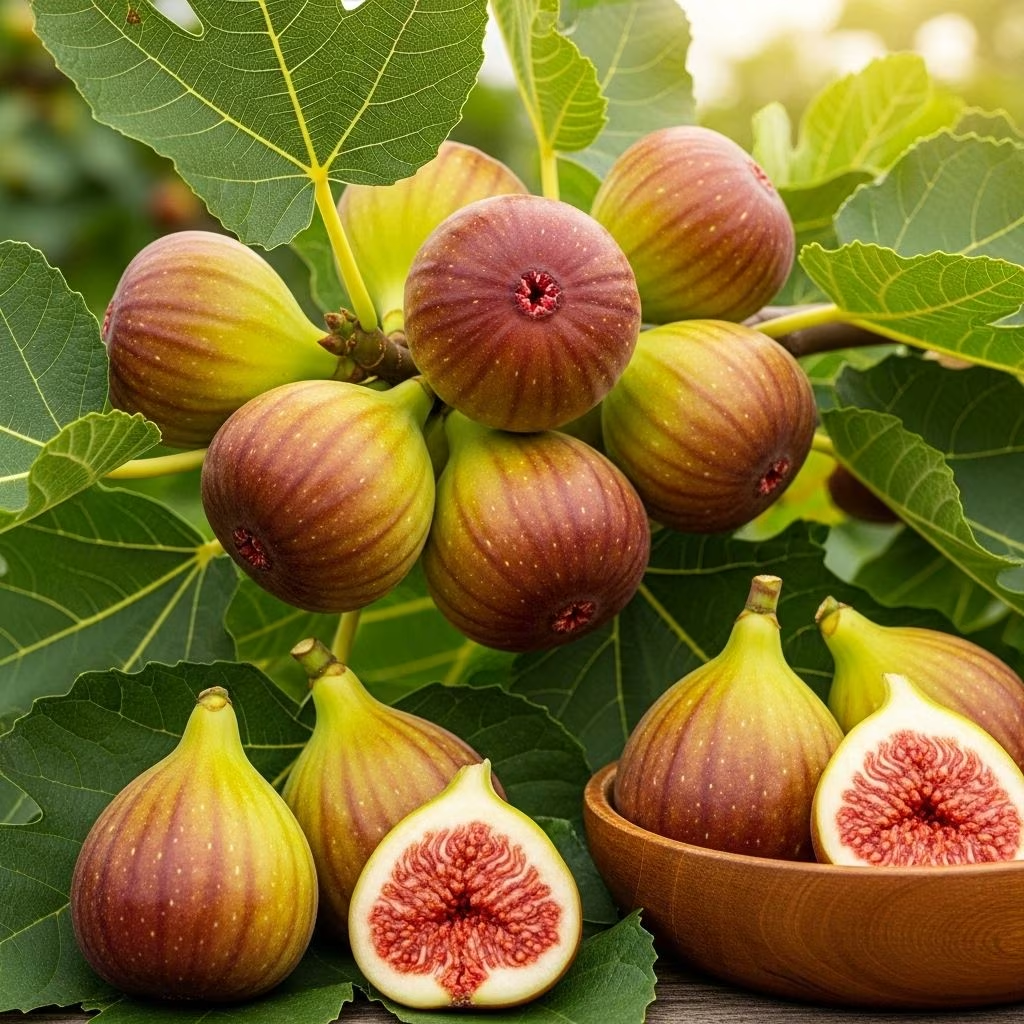
The sycamore fig (Ficus sycomorus), also known as sycomore, sycamore, or fig-mulberry, is a tree revered for its widespread ecological, cultural, and nutritional significance. Native primarily to Africa south of the Sahara and some regions of the Middle East, this member of the Moraceae family features a unique biology, a deep-rooted historical legacy, and an array of practical uses that extend far beyond its fruit.
Botanical Description
The sycamore fig is a large, evergreen or semi-deciduous tree reaching heights of over 20 meters in optimal conditions. It is recognized by:
- Dense, broadly spreading crown of branches
- Bark: Greenish-yellow to orange, exfoliating in thin, papery strips to expose pale yellow inner bark
- Leaves: Oval to heart-shaped, rough in texture, papery or slightly leathery, measuring up to 20 centimeters long, arranged spirally around the twigs and displaying prominent yellowish veins beneath
- Fruits: The edible figs are small (2–3 cm diameter), initially buff-green, ripening to yellow, orange, or red, and grow in clusters both in leaf axils and directly from the trunk on short stems
| Attribute | Detail |
|---|---|
| Scientific Name | Ficus sycomorus |
| Common Names | Sycamore fig, Pharaoh’s fig, Mulberry fig, Sycamore (Bible) |
| Height | Up to 20 meters (66 ft) |
| Origin | East and central Africa, Middle East |
| Foliage | Evergreen or semi-deciduous, rough, oval leaves |
| Fruit | Edible fig, 2–3 cm diameter, clusters |
Pollination in the sycamore fig is intricately linked to a unique wasp species (family Agaonidae) that enters the fig’s urn-shaped structure, ensuring both pollination and the development of new wasps within the fruit.
Historical and Cultural Significance
The sycamore fig boasts a profound historical and symbolic presence:
- Ancient Egyptian Reverence: Regarded as the symbol of immortality and the “tree of life”; wood, fruit, and even twigs have been unearthed in abundance in ancient tombs.
- Biblical References: Mentioned multiple times in the Hebrew Bible, often associated with abundance, well-being, and protection.
- Middle Eastern and African Folklore: Associated with spiritual protection, prosperity, and continuity.
In the past, sycamores were commonly planted around artificial pools in Egyptian gardens, serving ceremonial and ornamental purposes. The tree’s offerings appeared in art, myth, and everyday rituals.
Distribution and Ecology
Ficus sycomorus is indigenous to:
- Sub-Saharan Africa (East and southern regions in particular)
- Some Middle Eastern and Mediterranean areas (notably Egypt, Israel, and the Levant)
- Warm, riverine habitats, favoring locations near streams, rivers, springs, and lake margins
Outside of its original range, it is sometimes cultivated in subtropical climates and botanical gardens due to its impressive shade and ornamental value.
Ecological Importance
- Keystone species: The sycamore fig produces fruit nearly all year round, providing a vital food source for a wide range of wildlife, including monkeys, baboons, birds, bats, antelopes, and warthogs.
- Unique pollination: It depends on the fig wasp for fruit development, a striking example of plant-insect coevolution.
Sycamore Fig Cultivation
Cultivating the sycamore fig is relatively straightforward in warm, moist regions:
- Propagation: Best achieved via truncheons (cuttings from mature branches) due to difficulties in obtaining viable seeds.
- Growth needs: Thrives in moist but well-drained soils (sandy or loamy), with full sun exposure, and ample water supply; roots are highly invasive, so the tree should not be planted near buildings, walls, or sewage lines.
- Time to maturity: Can take 20-50 years to reach full height (>12 meters).
- Hardiness: Not frost-tolerant; grows well in subtropical to tropical climates.
| Aspect | Details |
|---|---|
| Irrigation | Requires regular watering, especially in early stages |
| Soil | Sandy or loamy, moist but well-drained |
| Position | Full sun or partial shade |
| Propagation | Truncheons or cuttings (not from seed) |
| Risks | Invasive roots—plant far from infrastructure |
Nutritional Value and Health Benefits
The sycamore fig provides compounds and nutrients beneficial for human health. Although specific nutrition compositions may vary, figs in the Ficus genus are known for:
- High in dietary fiber
- Rich in natural sugars (glucose, fructose), fostering quick energy recovery
- Providing vitamin C, several B vitamins, and minerals such as calcium, potassium, and magnesium
- Contains antioxidants, which may aid in reducing oxidative stress
Key Health Benefits
- Digestive Health: High fiber content supports regular bowel movements and gut well-being
- Potential Antimicrobial and Antioxidant Activity: Studies of related figs suggest antimicrobial properties and possible antioxidants
- Supplement to Animal Diets: The fruit is also a vital food for many wild animals throughout the year, maintaining biodiversity
Traditional and Modern Uses
Sycamore fig trees have served people for millennia, with practical and symbolic significance. Key uses include:
- Wood: Soft but workable; ancient Egyptians used it to make coffins, though it is unsuitable for most modern timber applications due to softness
- Bark: In Uganda, the bark is harvested and used to produce barkcloth, a traditional textile material with significant cultural value
- Fruit: Eaten raw or occasionally dried; sometimes processed into preserves or used as animal feed. The fruit is less sweet and smaller than culinary figs but is still valued in some cultures for its sustained harvest and use in local recipes
- Shade and Ornamental Use: Planted for shade in homestead landscapes and along riverbanks
- Ceremonial and Symbolic Roles: Associated with offerings, rituals, and artwork from ancient times
Taste and Culinary Profile
The taste and texture of sycamore figs differ from commercial fig varieties (like Ficus carica):
- The fruit is small, harder, and less sweet than modern common figs
- Texture: Chewy; sometimes grainy
- Flavor: Mildly sweet with earthy, sometimes woody undertones; flavor intensifies as fruit ripens to a yellowish-red
Despite the tougher skin and less pronounced sugar content, the fruit is prized for its ability to be consumed fresh almost year-round in its natural habitat, which made it a crucial part of subsistence diets in many regions.
Some regional traditions involved gashing or bruising the fruit to induce ripening and enhance sweetness—a method practiced since ancient times in Egypt.
Common Culinary Uses
- Fresh eating: Picked directly from the tree and consumed as a snack, especially by children and rural populations
- Dried fruit: Extended shelf life in hot climates
- Local preserves: Occasionally used in chutneys, jams, and preserves, although less commonly than sweeter fig species
- Animal forage: Fruit left on the ground is eaten by livestock and wildlife
Environmental and Ecological Impacts
- Promotes Biodiversity: Supports complex webs of pollinators, frugivorous animals, and other species by providing continual fruit
- Soil Stability: Large root systems help bind soil, reduce erosion along riverbanks, and support fragile riparian ecosystems
Caution: The tree’s invasive roots can damage built structures, including foundations, walls, and water lines; planting should be carefully planned, especially in urban or residential settings.
Potential Risks and Considerations
- Latex production: All parts of the tree, especially unripe fruit and leaves, contain latex, which may be irritating to the skin; gloves are recommended when handling
- Skin allergens: Some individuals may experience mild allergic reactions after contact with sap or leaves
- Invasive roots: Plan placement well away from buildings, pipes, or paved areas
Overall, the species is considered easy to grow in suitable climates and relatively low-maintenance beyond initial establishment.
Frequently Asked Questions (FAQs)
Q: Are all figs from the sycamore fig edible?
A: Yes, the fruit of the sycamore fig is edible, though it is less sweet and softer than most cultivated figs. The fruit is safe when fully ripe; unripe fruit may cause discomfort due to latex content.
Q: How do sycamore figs differ from common figs?
A: Sycamore figs (Ficus sycomorus) are generally smaller, harder, and less sweet than common figs (Ficus carica). They have a different flavor profile and are adapted to different ecological niches.
Q: Is the sycamore fig tree suitable for home gardens?
A: Only in large plots, away from any buildings or pipes, due to its invasive roots and massive size at maturity.
Q: How is the sycamore fig related to ancient cultures?
A: It was a sacred tree in Ancient Egypt, featured in tombs, myths, and artwork, and is referenced in religious texts for its abundance and symbolic meaning.
Q: What are its main ecological benefits?
A: The tree provides constant food for various birds and mammals, aids in stabilizing riverbanks, and fosters unique plant-pollinator relationships by supporting specific wasp species.
References
- https://en.wikipedia.org/wiki/Ficus_sycomorus
- https://www.rhs.org.uk/plants/158820/ficus-sycomorus/details
- https://pza.sanbi.org/ficus-sycomorus-subsp-sycomorus%C2%A0
- https://www.sabisabi.com/discover/wild-facts/sycamore-fig-tree
- https://treesofjoy.com/the-sycamore-fig-ficus-sycomorus/
- https://infonet-biovision.org/trees/sycamore-fig
- https://www.foreststreesagroforestry.org/wp-content/uploads/2021/10/From-Tree-to-Fork-Sycamore-fig.pdf
- https://blog.londolozi.com/2018/03/13/londolozis-real-trees-of-life-the-sycamore-fig/
- https://www.cabidigitallibrary.org/doi/full/10.1079/cabicompendium.24184


