


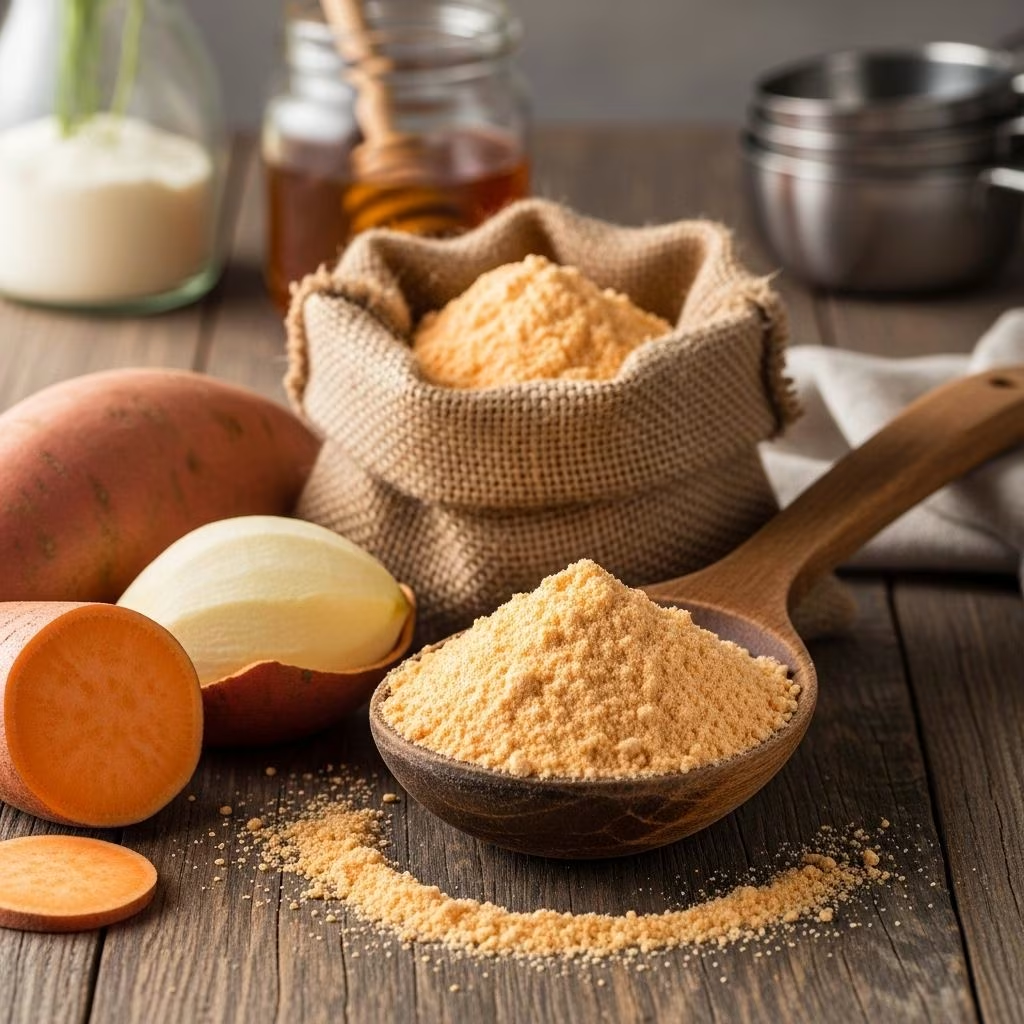
Sweet potato flour has rapidly become a favorite among bakers and health-conscious cooks for its gluten-free versatility, unique flavor, and impressive nutritional profile. Whether you want to experiment with new baking recipes, replace wheat flour due to dietary needs, or simply add variety to your kitchen, this comprehensive guide offers everything you need to know about sweet potato flour. Explore its baking applications, find the best substitutes, and understand the nutrition it brings to your table.
What Is Sweet Potato Flour?
Sweet potato flour is a fine powder made by drying and grinding sweet potatoes. Unlike starches that extract only the carbohydrate element, sweet potato flour retains the full tuber’s fiber, vitamins, and minerals. It has a characteristic orange or off-white color depending on the sweet potato variety used. Its flavor profile is subtle and naturally sweet, making it highly adaptable for both sweet and savory dishes.
- Gluten-free: Suitable for individuals with celiac disease or gluten sensitivities.
- Whole food source: Made from the entire root, not just isolated starch.
- Distinct taste: Adds mild sweetness and earthy notes to baked goods.
- Popular in African, Asian, and South American cuisines.
Nutritional Profile of Sweet Potato Flour
Sweet potato flour is notable for offering a combination of complex carbohydrates, dietary fiber, and an abundance of vitamins and minerals, making it more nutritious than many refined flours.
| Nutrient | Amount | Main Benefits |
|---|---|---|
| Calories | 340 kcal | Energy |
| Carbohydrates | 80 g | Complex energy source |
| Dietary Fiber | 8 g | Digestive health |
| Protein | 4 g | Muscle maintenance |
| Fat | 0.5 g | Virtually fat-free |
| Vitamin A | Up to 8000 IU | Eye & immune health |
| Potassium | 980 mg | Heart & nerve function |
| Iron | 2 mg | Blood health |
| Calcium | 45 mg | Bone support |
| Vitamin C | 3.1 mg | Immune support |
It is naturally low in fat and contains no gluten, making it an excellent choice for gluten-free and allergen-free baking. Its high beta-carotene content (Vitamin A) is evident in the vivid color of orange-fleshed sweet potato flour.
Baking Uses: How to Use Sweet Potato Flour in Recipes
Sweet potato flour’s most celebrated attribute is its versatility in baking. The slightly sweet flavor and moisture retention it imparts make it a valuable ingredient in a wide array of both sweet and savory recipes.
Main Baking Applications
- Gluten-free baking: Sweet potato flour is ideal for pancakes, muffins, brownies, cakes, and cookies, offering structure and tenderness without gluten.
- Bread and rolls: Adds moisture, color, and a mild sweetness. Especially good for gluten-free, moist dinner rolls and breakfast breads.
- Pasta and gnocchi: Used in homemade gnocchi and pasta, contributing a unique flavor profile and naturally enhancing color.
- Thickener and binder: Works well as a thickener in soups, gravies, and sauces due to its starch content.
- Flatbreads and pancakes: Perfect for soft flatbreads, crepes, and vegan pancakes.
Baking Tips
- Sweet potato flour absorbs more liquid than wheat flour; recipes may need extra moisture (milk, eggs, oil).
- For best texture, it’s often combined with other gluten-free flours like rice, almond, or oat flour.
- Due to its natural subtle sweetness, you may reduce added sugars in recipes by about 10-20%.
- Aim for up to 25-35% sweet potato flour blended into gluten-free baking mixes for optimal results.
Key Health Benefits
- Rich in antioxidants: High in beta-carotene and polyphenols, helping combat oxidative stress.
- Enhanced gut health: Good fiber content can aid in digestion and promote healthy gut flora.
- Blood sugar support: Complex carbs with a lower glycemic index than many refined grains mean more stable energy releases.
- Allergy-friendly: Gluten-free, nut-free, and egg-free (when used in vegan recipes), accommodating multiple dietary needs.
Best Substitutes for Sweet Potato Flour
Should you run out of sweet potato flour or need to find a replacement due to taste, texture, or availability, here are some top alternatives to consider:
| Substitute | Similarity | Cooking Notes |
|---|---|---|
| Potato Flour | Most similar starch and texture, neutral flavor | Substitute 1:1 in most recipes, lower in vitamins |
| Pumpkin Flour | Sweet, earthy, and colorful | Blend at 1:1; moisture absorption differs |
| Cassava Flour | Gluten-free, mild flavor | Better in breads & pancakes; absorbency varies |
| Rice Flour | Mild and gluten-free | Lighter; may alter texture. Use in combination |
| Chickpea Flour | Protein-rich, slightly nutty | Pairs well in savory baking, not as sweet |
| Coconut Flour | Absorbs a lot of moisture | Use with more liquid or blend with other flours |
Note: Each substitute reacts differently in recipes; experiment with ratios and expect variations in taste and texture.
Storage and Handling
Sweet potato flour is best kept in an airtight container in a cool, dry place, protected from moisture and bugs. For longer storage life (up to 12 months):
- Store in the refrigerator or freezer in a sealed bag or jar.
- Keep away from direct sunlight.
- Label with the date of opening for freshness tracking.
Popular Sweet Potato Flour Recipes
Unleash your creativity with these delicious recipes that harness the unique qualities of sweet potato flour. Perfect for family meals, special diets, or culinary exploration.
Sweet Potato Flour Pancakes
- 1 cup sweet potato flour
- 1/2 cup almond or coconut milk
- 2 eggs (or flax eggs for vegan)
- 1 tbsp coconut or brown sugar
- 1 tsp baking powder
- 1/2 tsp cinnamon (optional)
Mix all ingredients, cook pancakes on a greased skillet for 2-3 minutes per side, and serve with fruit or yogurt.
Great as a quick breakfast or snack.
Homemade Gnocchi with Sweet Potato Flour
- 600g cooked sweet potato (mashed)
- 500g sweet potato flour
- 2 egg yolks
- Spices (salt, pepper, turmeric, nutmeg)
Knead all ingredients into a dough, shape into gnocchi pieces, and cook in boiling water until they float.
Pairs well with creamy sauces or sautéed greens.
Sweet Potato Flour Cake
- 2 cups sweet potato flour
- 1/2 cup coconut sugar
- 1/2 cup non-dairy milk
- 3 eggs
- 1/2 cup melted coconut oil or butter
- 1 tbsp vanilla extract
- 1/2 tsp cinnamon
- 1/2 tsp baking powder
- 1/2 tsp baking soda
- A pinch of salt
Sift dry ingredients, beat wet ingredients, combine to form batter, and bake at 180°C (350°F) for 35-40 minutes.
Serve with fresh fruit or a dusting of icing sugar.
Homemade Sweet Potato Flatbread (Roti)
- 1 cup mashed sweet potatoes
- 1 cup all-purpose or gluten-free flour
Mix into a soft dough, roll thin, and cook on a hot dry skillet for 1 minute per side.
Serve warm with butter or used as a wrap for fillings.
Sweet Potato Flour Dinner Rolls
- 125 g sweet potato (mashed)
- 180 g warm milk
- 50 g granulated sugar
- 7 g dry yeast
- 50 g egg (about 1 large)
- 375 g bread flour (or gluten-free substitute)
- 9 g salt
- 42 g softened butter (or vegan margarine)
Knead ingredients into a dough, rise until doubled, shape into rolls, and bake. Glaze with melted butter and honey for extra flavor.
Frequently Asked Questions (FAQs)
Q: Is sweet potato flour the same as sweet potato starch?
A: No, sweet potato flour contains the entire root and offers fiber, vitamins, and minerals, while sweet potato starch is a refined carbohydrate and does not provide the same nutritional value.
Q: Can I use sweet potato flour as a direct 1:1 substitute for regular flour in all recipes?
A: Not always. Because it absorbs more liquid, recipes need adjustments to wet ingredients, and it works best blended with other flours in most baked goods.
Q: Does sweet potato flour taste sweet?
A: It has a naturally mild sweetness but is not overpowering, making it suitable for both sweet and savory dishes.
Q: Is sweet potato flour gluten-free?
A: Yes, it is naturally gluten-free and suitable for gluten-intolerant diets.
Q: Can I make my own sweet potato flour at home?
A: Yes! Simply peel and slice sweet potatoes, dehydrate or oven-dry, then grind into a fine powder using a high-speed blender or food processor. Store tightly sealed.
Conclusion
Sweet potato flour offers a unique combination of flavor, nutrition, and kitchen versatility, making it an excellent addition to the modern baker’s pantry. Whether you’re preparing pancakes for breakfast, creating gluten-free breads, or seeking an allergy-friendly thickener, integrating sweet potato flour opens up a variety of creative cooking opportunities. Experiment with blends, try some of the recipes above, and enjoy the vibrant benefits this ancient tuber brings to your table.
References
- https://www.fitness-world-nutrition.com/en/blogs/news/farine-de-patate-douce-recette-des-idees-saines-et-delicieuses-pour-vos-plats
- https://www.bienmanger.com/2C637_Sweet_Potato_Flour.html
- https://www.happyfoodstube.com/homemade-sweet-potato-flatbread-roti/
- https://www.youtube.com/watch?v=olDKDvyFQv0
- https://thatgirlcookshealthy.com/sweet-potato-flour/


