


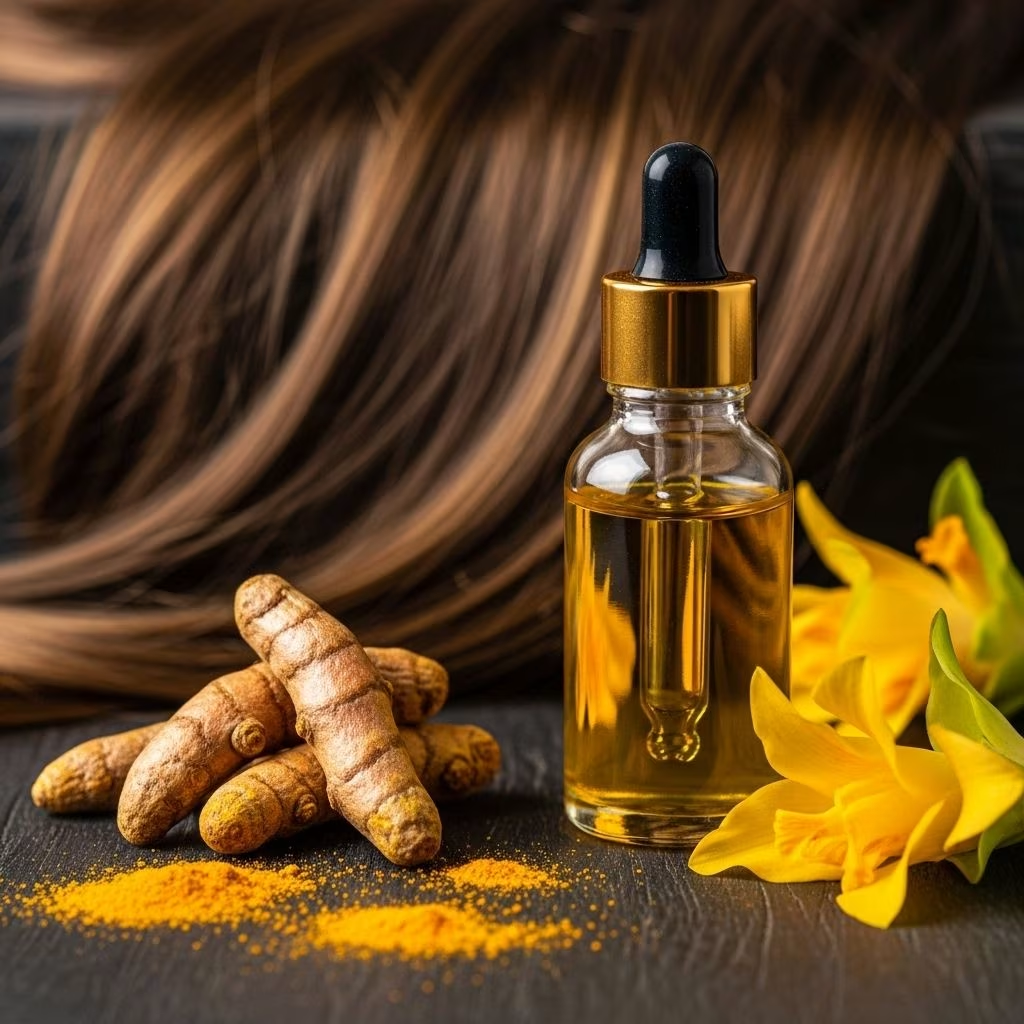
In the vast world of natural hair care, few ingredients have earned a reputation as impressive as turmeric oil. Derived from the golden-yellow root of the Curcuma longa plant, turmeric oil is celebrated for its antibacterial, antifungal, anti-inflammatory, and antioxidant properties. When carefully incorporated into hair routines, this potent essential oil can address a range of concerns from scalp issues to hair thinning, offering a holistic boost for overall hair health.
Introduction
Turmeric has been a staple in Ayurvedic and holistic medicine for centuries, revered for its broad spectrum of healing abilities. These spans from skin care, joint support, to culinary uses. In recent years, turmeric essential oil has gained popularity as an effective and versatile solution for common hair and scalp problems. Backed by emerging research and a compelling history of anecdotal results, turmeric oil offers multiple benefits for hair, making it a must-consider addition to your routine.
Key Hair Benefits of Turmeric Oil
Turmeric oil’s positive impact on hair is largely attributed to its active compound curcumin, alongside a variety of essential oils, vitamins, and minerals. Below are the core benefits substantiated by experts and clinical studies:
1. Combats Dandruff and Scalp Inflammation
- Anti-inflammatory and antimicrobial actions help soothe itchy, flaky, or irritated scalps, providing relief from dandruff and reducing the risk of secondary infections.
- Regular use can help maintain a balanced scalp environment, critical for healthy hair growth.
2. Promotes Hair Growth and Reduces Hair Loss
- Curcumin may reduce local inflammation that restricts hair follicle function, a leading factor in hair thinning and loss.
- Boosts microcirculation: Turmeric oil can stimulate blood flow to the scalp, delivering nutrients and oxygen to hair follicles to support their activity and growth phase.
- Potential DHT-blocking effects: Emerging laboratory research suggests curcumin may inhibit the effects of dihydrotestosterone (DHT), a hormone involved in androgenetic alopecia or pattern hair loss.
3. Regulates Excess Oil and Maintains Scalp Balance
- Antimicrobial and anti-inflammatory effects help curb oiliness and address microbial imbalances on greasy scalps, supporting a cleaner, fresher scalp.
4. Protects Against Environmental Damage
- Rich in antioxidants, turmeric oil neutralizes free radicals and protects hair from ultraviolet rays, pollution, and other harmful environmental influences.
- This facilitates stronger, shinier hair that’s more resistant to breakage and dullness.
5. Supports Psoriasis and Eczema-Prone Scalps
- A 9-week randomized controlled trial found that topical turmeric oils and gels significantly reduced redness, scaling, and irritation in people with mild-to-moderate scalp psoriasis compared to placebo.
- Curcumin’s soothing action makes it a gentle adjunct for other inflammatory scalp disorders.
6. May Support Thicker, Glossier Hair
- By supporting scalp health and follicle nutrition, long-term use of turmeric oil may contribute to thicker, fuller, and glossier hair, although definitive human data are still forthcoming.
How to Use Turmeric Oil for Hair
For all its strengths, turmeric oil is very potent and should not be used undiluted. Here’s how to safely and effectively use it to harness the above benefits:
1. Turmeric Oil Scalp Massage
- Mix 2–4 drops of turmeric essential oil with about 2 tablespoons of a carrier oil, such as coconut, jojoba, almond, or olive oil.
- Section your hair and gently massage the blend into your scalp using circular motions for 5–10 minutes.
- Leave in for at least 30–60 minutes (or overnight for deeper penetration), then shampoo and condition as usual.
- Repeat 1–2 times per week for best results.
2. As an Ingredient in a Hair Mask
- Add 2–3 drops of turmeric oil to your favorite DIY hair mask—such as those using yogurt, aloe vera gel, honey, or mashed banana.
- Apply evenly from roots to tips and cover with a shower cap.
- Leave on for 20–45 minutes, then shampoo thoroughly to remove any residue.
3. In Shampoos and Conditioners
- Add 2 drops of turmeric essential oil per ounce of your regular shampoo or conditioner.
- Wash as usual to infuse your hair-washing routine with turmeric’s therapeutic benefits.
4. Targeted Spot Treatment
- For dandruff or persistent scalp irritation, use a cotton swab to gently dab diluted turmeric oil onto affected areas.
- Let sit for 15–30 minutes before rinsing.
5. Overnight Repair Treatment
- For intensive nourishment, massage a blend of turmeric oil and carrier oil (1:10 ratio) into your scalp at night. Wrap your hair in a towel or use a shower cap to protect bedding.
- Shampoo thoroughly in the morning.
Note:
Always perform a small patch test on your inner arm before first topical use to rule out any allergic reaction.
Top Tips for Using Turmeric Oil on Hair
- Always dilute: Turmeric oil is highly concentrated. Never apply undiluted essential oils directly to the scalp.
- Choose quality: Look for pure, organic turmeric essential oil from reputable suppliers to avoid additives or solvents.
- Avoid overuse: Start once a week; increase frequency gradually based on tolerance and results.
- Protect clothing and linens: Turmeric oil has a yellow tint that may stain. Use old towels or clothing during treatment.
- Pair with other oils: Combine turmeric oil with oils like tea tree (for flakiness) or rosemary (for added growth) for customized benefits.
- Monitor for irritation: Discontinue use at the first sign of redness, itching, or excessive dryness.
Side Effects and Safety Precautions
Overall, turmeric oil is considered safe for most users when properly diluted and used with reasonable frequency. However, some common concerns and possible side effects include:
- Skin Sensitivity: May cause redness, burning, or rash in very sensitive individuals or those with allergies to turmeric or members of the ginger family.
- Allergic Reaction: Patch test before use. Avoid if you have a known allergy to Curcuma species.
- Staining: Turmeric’s natural colorants can stain skin, nails, and fabrics. If this happens, wash the area promptly with soap and water.
- Overuse Risks: Using essential oils in excessive amounts can increase the risk of irritation or, rarely, folliculitis.
- Avoid eyes and mucous membranes: Essential oils should never come into direct contact with the eyes, inner nose, or mouth.
Who Should Avoid Turmeric Oil on Hair?
- Pregnant or breastfeeding women (unless advised by a healthcare provider)
- Children under age 6
- Individuals taking medications that may interact with turmeric (e.g., certain blood thinners)
- Those with scalp wounds, open lesions, or serious skin diseases
Comparison: Turmeric Oil vs Other Popular Hair Oils
| Oil Type | Main Benefits | Best For | Precautions |
|---|---|---|---|
| Turmeric Oil | Anti-inflammatory, antimicrobial, antioxidant, may inhibit DHT | Scalp inflammation, dandruff, hair loss, dullness | Potential skin sensitivity, staining |
| Coconut Oil | Deep hydration, reduces protein loss, anti-fungal | Dry or damaged hair, frizz | Can cause build-up, may clog pores if not washed out |
| Castor Oil | Moisturizing, may support growth, eyebrow/eyelash care | Thicker hair, managing breakage | Sticky texture, can clog follicles |
| Rosemary Oil | Stimulates blood flow, supports follicles, anti-dandruff | Thinning hair, patchy scalp | Always dilute to avoid irritation |
| Tea Tree Oil | Antibacterial, antifungal, clears dandruff, soothes itch | Oily, dandruff-prone scalp | Can be too drying for some, must dilute |
Frequently Asked Questions (FAQs)
Q: Is turmeric oil a proven remedy for hair loss?
A: Current medical research on turmeric oil for hair loss is promising—but not yet definitive. Evidence suggests curcumin, the standout compound in turmeric, may help lower scalp inflammation and inhibit hormones linked to pattern hair loss. However, large-scale studies are still needed to confirm its role as a frontline treatment.
Q: Can turmeric oil kill or damage hair follicles?
A: Turmeric oil does not destroy hair follicles. While turmeric is sometimes touted for hair removal, those effects are typically mild and slow-acting, and curcumin is more likely to support follicle health by boosting blood flow and reducing inflammation.
Q: How often can I apply turmeric oil to my hair?
A: Start with once a week, gradually increasing to 2–3 times weekly if tolerated and desired. Frequent daily use is not recommended due to the risk of irritation and staining.
Q: Will turmeric oil stain my hair or scalp?
A: Turmeric oil is less likely to stain hair, but may leave a yellowish tint on very light hair or fair skin if used in excess. Always dilute with carrier oil and wash thoroughly to reduce the risk.
Q: Is turmeric oil suitable for all hair types?
A: Yes, most hair types (straight, wavy, curly, textured) can benefit from turmeric oil’s scalp-soothing and strengthening properties. Adjust carrier oil blends based on whether hair is oily or dry.
Conclusion
Turmeric oil is a powerful, science-backed addition to any holistic hair care routine, offering a unique blend of anti-inflammatory, antimicrobial, and antioxidant properties. It may help support scalp health, manage dandruff, promote growth, and protect hair from environmental stressors. When used regularly and correctly, turmeric oil can contribute to stronger, healthier, and more radiant hair. As always, practice caution, conduct spot tests, and consult your healthcare provider if you have specific conditions or sensitivities.
References
- https://www.vedaoils.com/blogs/essentialoils/turmeric-oil-for-hair
- https://www.hims.com/blog/turmeric-for-hair
- https://www.healthline.com/health/turmeric-hair-removal
- https://pmc.ncbi.nlm.nih.gov/articles/PMC10111629/
- https://vegamour.com/blogs/blog/curcumin-turmeric-for-hair-growth
- https://pubmed.ncbi.nlm.nih.gov/28190468/
- https://perfecthairhealth.com/turmeric-curcumin/
- https://miraclebotanicals.com/a/blog/the-bountiful-benefits-of-turmeric-essential-oil
- https://blog.theayurvedaexperience.com/ayurvedic-benefits-of-turmeric-on-skin-and-hair/


