


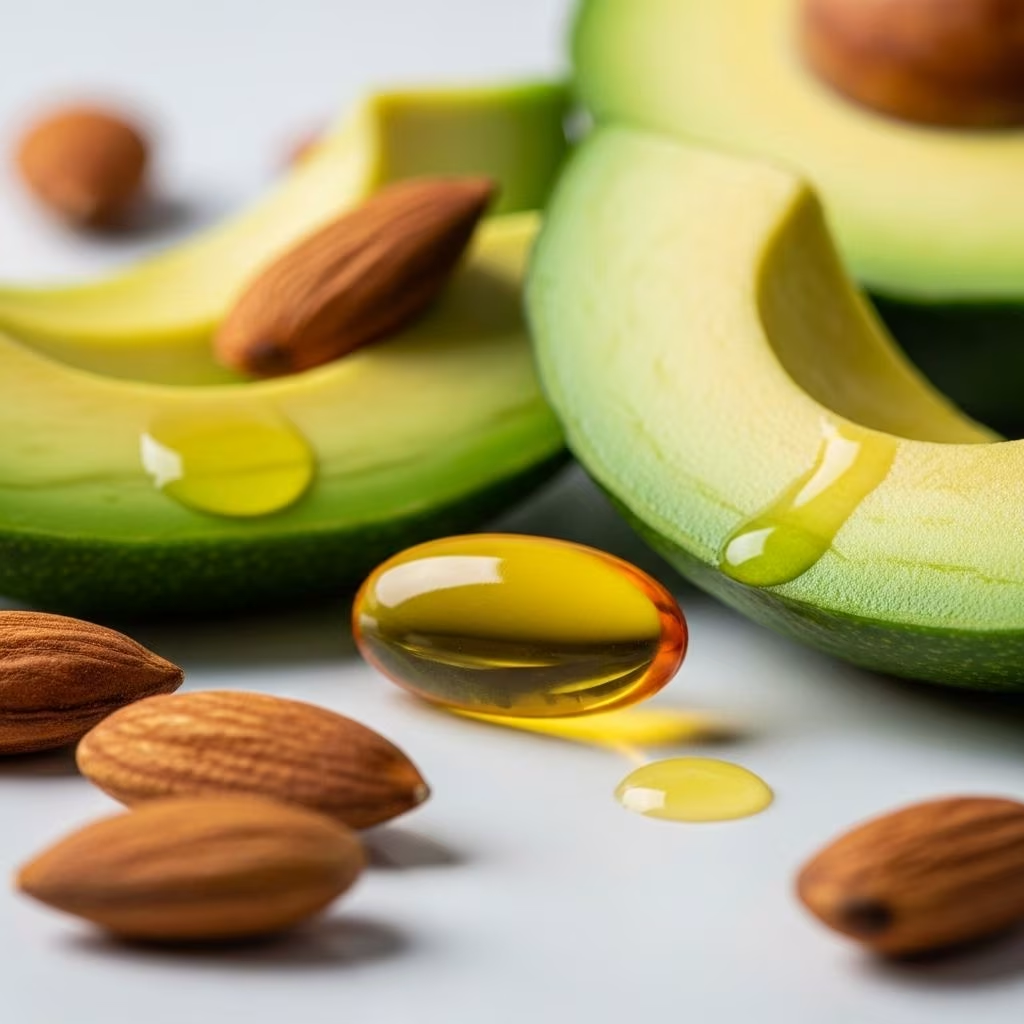
Vitamin E, particularly in the form of tocopherols and tocotrienols, is renowned for its multifaceted role in promoting skin health. As a key fat-soluble antioxidant, vitamin E is vital for maintaining the integrity, appearance, and function of human skin. This article provides an in-depth exploration of vitamin E’s benefits, its applications in both topical and oral forms, and the side effects every user should consider.
Overview: What Is Vitamin E?
Vitamin E is a family of eight fat-soluble compounds comprising four tocopherols and four tocotrienols. Alpha-tocopherol is the most biologically active form found in the human body, but tocotrienols also demonstrate significant skin-related benefits.(1,2)
- Tocopherols: The primary form in human tissues, especially alpha-tocopherol.
- Tocotrienols: More potent antioxidants in certain experimental skin studies.
Vitamin E must be obtained from the diet or supplements, as the human body cannot synthesize it. It is commonly present in foods like nuts, seeds, leafy greens, and plant oils.
Biological Role of Vitamin E in Skin
Vitamin E is critical for the skin’s defense against environmental and internal stresses through its antioxidant and anti-inflammatory properties. Its main biological functions in the skin include:
- Neutralizing free radicals generated by UV exposure and pollution, thus reducing oxidative stress.
- Protecting skin lipids and cellular components from peroxidation and damage.
- Support for wound healing and reduction of inflammation.
- Preserving skin barrier function to retain moisture and prevent transepidermal water loss (TEWL).
Skin Benefits of Vitamin E
Antioxidant Defense Against Aging and UV Damage
Vitamin E’s hallmark benefit is its potent antioxidant capacity, defending the skin from photoaging and other forms of oxidative stress.(1,2) Relevant research has found:
- Reduces wrinkles, pigmentation changes, and collagen breakdown associated with aging and chronic solar exposure.
- Prevents UV-induced DNA damage, lipid peroxidation, and inflammation when used topically or in conjunction with other antioxidants (notably vitamin C).
- Mitigates erythema (redness), edema (swelling), and sunburn when used before or immediately after UV exposure, according to both animal and human studies.(2)
Photoprotective Effects
Vitamin E provides photoprotection by increasing the skin’s resistance to ultraviolet (UV) damage, known as Minimal Erythemal Dose (MED). Research highlights:
- Combined supplementation of vitamin E with vitamin C provides stronger protection against UV-induced erythema (sunburn) than either alone.(2)
- Mixes of tocopherols and tocotrienols have outperformed alpha-tocopherol alone in animal models for reducing UV damage and tumor formation.(1,2)
- Topical application can reduce oxidative changes, DNA damage, and pigmentation caused by UV exposure.
Anti-Inflammatory Properties
Vitamin E suppresses inflammation pathways and can help modulate the skin’s immune response:
- Reduces the expression of enzymes and cytokines responsible for inflammatory processes in the skin after UV exposure.(2)
- Useful in chronic inflammatory skin conditions such as eczema, atopic dermatitis, and even in acne management, where vitamin E levels are often lower in affected individuals.(3)
- Limits swelling, thickening, and the appearance of redness or flare-ups.
Moisturizing and Barrier Enhancement
Vitamin E strengthens the skin’s lipid barrier, minimizing moisture loss:
- Improves hydration and helps retain moisture in the stratum corneum.
- Enhances skin softness and may reduce roughness, contributing to a smoother appearance.(1)
Reduction of Hyperpigmentation and Scarring
- Topical vitamin E may lighten dark spots (hyperpigmentation) and support even skin tone when used in combination with other actives (e.g., vitamin C).
- Traditionally used on scars to potentially improve cosmetic appearance, though outcomes are variable and more research is needed on efficacy.
Uses of Vitamin E in Skincare
Vitamin E’s recognized properties have led to its inclusion in a wide variety of skincare products and dermatological formulations:
- Topical creams, serums, and lotions: For dryness, irritation, anti-aging, and after-sun repair.
- Body oils and ointments: To treat or soothe stretch marks, scars, and rough patches.
- Lip balms: For chapped lips and moisture maintenance.
- Sunscreens and after-sun products: For additional protection and repair post-UV exposure.
- Supplements (oral): Sometimes used to complement skin health from within, though efficacy and safety vary with dose and formulation.
Emerging and Specialized Uses
| Condition | Role of Vitamin E |
|---|---|
| Atopic Dermatitis | Supplementation and topical use may reduce symptoms due to its anti-inflammatory effects. |
| Psoriasis | Serum levels often lower in affected individuals—potential benefit with supplementation, as adjunct to other therapies.(3) |
| Wound Healing | Applied to support regeneration, though results depend on wound type and formulation. |
| Melasma/Hyperpigmentation | May lighten pigmentation and boost effects of other brightening agents. |
| Photoaging Prevention | Protects supporting structures of the skin, slows formation of fine lines and age spots. |
Vitamin E Formulations: Oral vs. Topical
Vitamin E’s effectiveness is influenced by its method of delivery and the specific type (tocopherol vs. tocotrienol or esterified forms):
- Topical Application: Most research supports topical vitamin E as effective for delivering high concentrations to the outermost skin layers. Best results are obtained with non-esterified alpha-tocopherol or tocotrienols.(1,2)
- Oral Supplementation: Oral vitamin E increases skin antioxidant defenses more gradually and systematically, but is more useful as a long-term, overall health strategy, or in combination with other antioxidants. Tocotrienol levels can be higher than tocopherol in skin tissue after oral administration.(1)
- Esterified Forms (e.g., tocopheryl acetate): Often used in cosmetics for improved shelf life but may require enzymatic conversion in the skin to be biologically active, causing a potential delay in antioxidant effect.(2)
Recommended Practices
- Combining topical and oral use may have additive or synergistic benefits, especially for photoprotection.
- Formulations that combine vitamin E with vitamin C or other antioxidants tend to offer more robust protection against oxidative stress.(2)
- Always use vitamin E as directed and patch test if using a new topical product to minimize the risk of allergic reaction.
Potential Side Effects and Safety Concerns
Though generally safe for most people, vitamin E—especially in high doses—can have drawbacks:
- Skin irritation: Some individuals experience redness, itching, or a rash, often related to high-concentration serums or allergy to certain formulations.
- Contact dermatitis: Rare, but can occur, particularly with oxidized (old) vitamin E or sensitive skin types.
- Acne breakouts: Oily formulations may clog pores, potentially worsening acne, especially in those prone to breakouts.
- Systemic side effects (oral):
- Very high oral doses of vitamin E (over 400 IU/day) may increase the risk of bleeding (by interfering with vitamin K), and could have interactions with anticoagulants or chemotherapy agents.
- Excessive supplementation has also been tentatively linked to increased risk of certain health issues (e.g., hemorrhagic stroke) when misused.
- Allergic reactions: Rare, but possible; symptoms include itching, swelling, or hives at the site of application.
Note: Pregnant or breastfeeding women, individuals with chronic illnesses, or those taking blood thinners should consult healthcare providers before using high-dose vitamin E supplements.
Efficacy and Limitations
Despite ample studies supporting vitamin E’s skin benefits, its effectiveness varies according to:
- Product formulation and stability: Vitamin E rapidly oxidizes upon exposure to air or light—freshness and packaging matter.
- Combination with other antioxidants: Synergistic effects observed when paired with vitamin C, but not always with vitamin E alone.(2)
- Individual skin types and sensitivities.
- Scientific evidence for some traditional uses (e.g., scar healing) remains mixed, and more controlled human trials are still needed.
Key takeaway: Use vitamin E as part of a broader routine for optimal skin health—don’t rely on it as a single magic solution.
Frequently Asked Questions (FAQs)
Q: Is vitamin E suitable for all skin types?
A: While generally safe for most, those with oily or acne-prone skin should use vitamin E cautiously as it may exacerbate breakouts in rare cases.
Q: How soon can I expect to see results from using vitamin E for skin?
A: Antioxidant and anti-inflammatory effects can start within days to weeks, but results for hyperpigmentation and visible aging may take 2–3 months of consistent use.
Q: Can I take vitamin E orally and apply it topically at the same time?
A: Yes, combined use is considered safe and may be beneficial; consult a healthcare provider, especially if using oral supplements at higher doses.
Q: Is there a risk in using vitamin E on open wounds or fresh scars?
A: Only apply vitamin E to intact, clean skin unless directed by a healthcare professional; using it early on open wounds may delay healing in rare cases or cause irritation.
Q: Are tocopherol and tocotrienol equally effective in skincare?
A: Tocotrienols may offer stronger antioxidant protection in some studies, but both forms are beneficial for the skin. Product choice should depend on specific needs and skin response.
References
- (1) Effects of tocotrienol on aging skin: A systematic review
- (2) Vitamin E and Skin Health | Linus Pauling Institute
- (3) Serum vitamin E levels and chronic inflammatory skin diseases
References
- https://www.frontiersin.org/journals/pharmacology/articles/10.3389/fphar.2022.1006198/full
- https://lpi.oregonstate.edu/mic/health-disease/skin-health/vitamin-E
- https://pmc.ncbi.nlm.nih.gov/articles/PMC8670689/
- https://ej-clinicmed.org/index.php/clinicmed/article/view/354
- https://www.mayoclinic.org/drugs-supplements-vitamin-e/art-20364144
- https://health.clevelandclinic.org/vitamin-e-for-skin-health


