


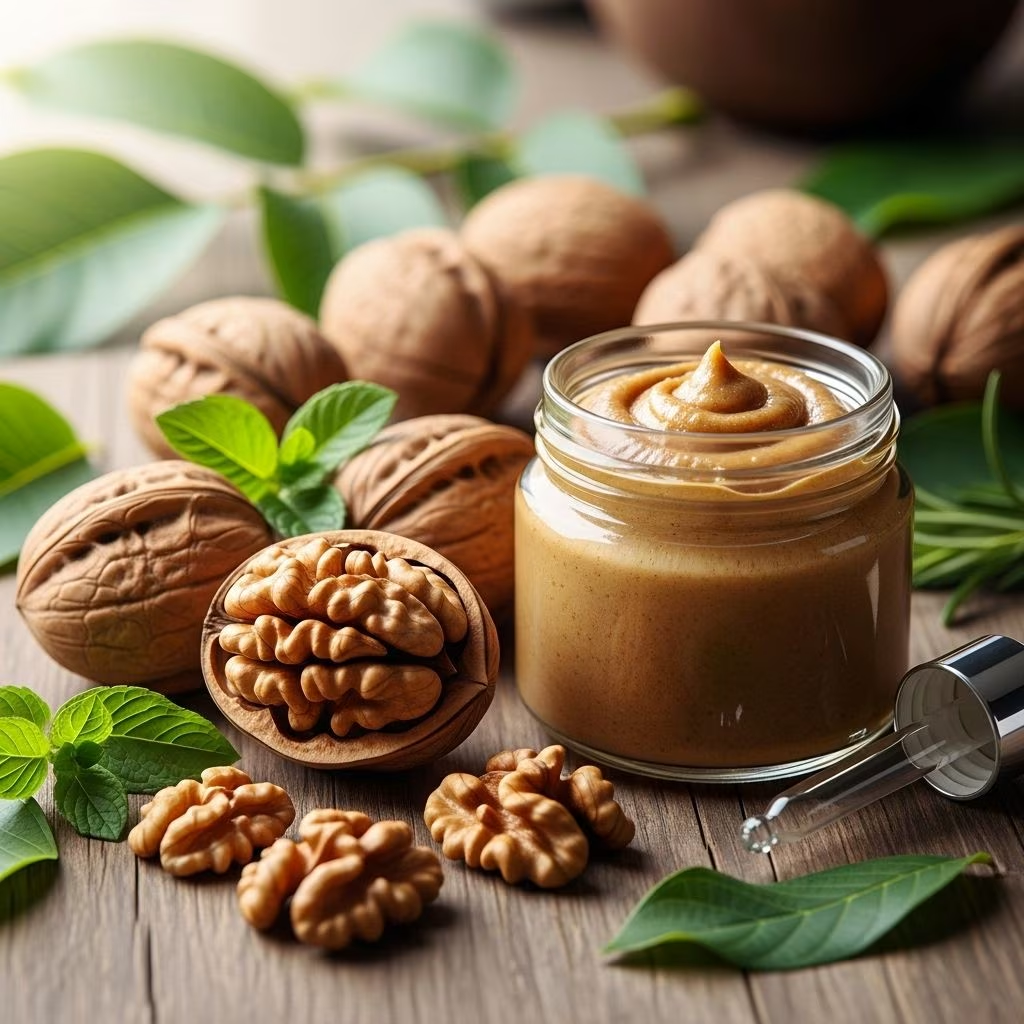
Walnut butter is rapidly gaining recognition not just as a nutrient-dense superfood, but as a potent, natural resource for maintaining radiant, healthy skin. Derived from pressing or grinding walnuts into a smooth paste, walnut butter is rich in essential fatty acids, vitamins, and bioactive compounds that offer unique cosmetic and therapeutic benefits. In this extensively researched guide, we uncover why walnut butter is an emerging star in natural skincare, explore its science-backed properties, detailed application techniques, and practical tips for integrating it into your daily beauty regimen.
What Is Walnut Butter?
Walnut butter is a creamy, nutrient-rich spread made from ground walnuts. While it is gaining popularity as a healthy food, its unique blend of fatty acids, antioxidants, and vitamins also makes it increasingly sought after in the world of skincare. Walnut butter is characterized by:
- A smooth, luxurious texture and subtle, nutty aroma
- Richness in natural oils, particularly alpha-linolenic acid (ALA), a form of omega-3 fatty acid
- High levels of vitamin E and polyphenolic compounds with strong antioxidant properties
- Absence of trans fats and artificial additives (when freshly prepared or bought natural)
Typically, walnut butter used for cosmetic purposes is unsweetened, unflavored, and made from pure walnuts, sometimes with minimal processing to retain its bioactive qualities.
Nutritional Profile of Walnut Butter Relevant to Skin Health
The unique benefits of walnut butter for the skin are rooted in its dense nutritional profile. Key components that interact synergistically to nurture skin health include:
| Nutrient | Role in Skin Health |
|---|---|
| Omega-3 Fatty Acids (ALA) | Anti-inflammatory, enhances skin barrier, reduces dryness and irritation |
| Vitamin E | Antioxidant, protects against UV-induced damage, slows premature aging |
| Polyphenols/Antioxidants | Neutralizes free radicals, promotes skin repair, enhances glow |
| Protein and Amino Acids | Supports tissue repair, maintains skin structure and resilience |
| Magnesium | Soothes inflammation, aids enzymatic functions, supports healthy cell turnover |
| Phytosterols and Squalene | Improves barrier function, mimics skin’s own moisturizing lipids |
These nutrients act on multiple levels, supporting not just the surface but the overall health and resilience of the skin.
Skin Benefits of Walnut Butter
Backed by both traditional use and emerging scientific insights, walnut butter offers a range of benefits for various skin types and conditions. Key skin benefits include:
- Deep Moisturization: The rich fatty acid profile penetrates deeply to hydrate and soften even the driest skin, restoring suppleness and radiance.
- Antioxidant Defense: Walnut butter is packed with vitamin E and polyphenols that neutralize free radicals and protect against environmental damage, reducing signs of aging.
- Anti-Inflammatory Effects: Its omega-3s calm redness, irritation, and inflammatory skin conditions such as eczema or psoriasis.
- Support for Skin Barrier Function: Omega-3s and phytosterols strengthen the skin’s protective barrier, helping to maintain hydration and resilience against allergens and pollutants.
- Promotion of Healing: Protein, amino acids, and magnesium help accelerate skin regeneration and repair of minor wounds or blemishes.
- Improvement of Skin Tone and Texture: Regular use supports smoother, brighter skin, and reduces the appearance of fine lines and uneven pigmentation.
Clinical studies on vegetable oils and butters demonstrate their ability to influence skin hydration, integrity, and repair capacity, with walnut’s unique composition positioning it as a promising skin superfood.
How Walnut Butter Works on Skin
The benefits of walnut butter on skin are delivered via its ability to:
- Enhance Skin Penetration: The lipids present in walnut butter improve permeability, ensuring nutrients reach deeper layers of the skin.
- Reinforce Natural Oil Matrix: Walnut’s unsaturated fatty acids integrate with the skin’s lipid matrix, helping lock in moisture and prevent transepidermal water loss (TEWL).
- Combat Oxidative Stress: The high antioxidant load reduces cellular damage caused by UV radiation, pollution, and intrinsic aging
- Modulate Inflammation: The omega-3 and magnesium content works to reduce inflammatory cascades, thus calming irritable, reddened, or sensitive skin.
Walnut butter’s similar composition to skin’s own lipids makes it both effective and generally well-tolerated, even by those with sensitive skin.
Cosmetic Uses of Walnut Butter
In natural beauty and mainstream formulations, walnut butter is increasingly used for:
- Face Moisturizers: As a nourishing night cream or added to day moisturizers for extra hydration.
- Body Balms and Butters: As part of rich body creams or balms to treat dry elbows, knees, or cracked heels.
- Natural Exfoliants: When mixed with sugar or oats, forms a gentle natural scrub that exfoliates while leaving skin soft.
- Hair and Scalp Masks: Soothes dry scalp, adds shine, and nourishes hair (briefly, as focus is on skin but benefits extend to scalp as skin).
- After-sun Care: Soothes sun-exposed skin and helps counteract redness and dehydration.
- Lip Balms: Hydrates and protects the delicate skin of the lips.
How to Apply Walnut Butter on Skin
For optimal results, the application method and frequency matter. Here’s a comprehensive guide:
Preparation and Patch Test
- Choose 100% pure, cold-pressed walnut butter. Avoid versions with added sugar or salt.
- Patch Test First: Apply a small amount to a discreet area (like the wrist or behind the ear) and wait 24 hours to check for any adverse reactions.
Step-by-Step Face Application
- Cleanse skin thoroughly and pat dry.
- Scoop out a pea-sized amount of walnut butter. Warm it between fingers to soften.
- Gently massage onto the face in small, upward circular motions. Focus on drier, rougher areas.
- Allow 10–15 minutes for absorption. If desired, pat away excess with a tissue—especially if used as a mask.
- Use 2–3 times per week for normal to dry skin, or as a weekly intensive treatment for oily or sensitive skin.
Body & Target Area Application
- Apply generously to rough, cracked skin (elbows, knees, heels, hands) after bathing or before bed.
- For extremely dry areas, wrap with a cloth after application to enhance penetration overnight.
Blending with Other Ingredients
- Mix with a few drops of jojoba or rosehip oil for added nourishment.
- Add to unscented body lotions or hair masks for, multipurpose benefits.
DIY Skin Care Recipes with Walnut Butter
Try these simple at-home remedies for specific skin concerns:
- Deep Hydrating Mask:
Mix 1 tablespoon walnut butter with 1 teaspoon honey and a few drops of lavender oil. Apply to face, leave for 20 minutes, then rinse. - Gentle Exfoliating Scrub:
Combine 1 tablespoon walnut butter with 1 tablespoon finely ground oats. Massage gently onto damp skin, rinse well. - Soothing Body Butter:
Whip 2 tablespoons walnut butter with 1 tablespoon coconut oil and a few drops of vitamin E oil for a rich all-over body balm. - Lip Nourisher:
Apply a tiny amount directly to cracked lips, or blend with shea butter for intense overnight renewal.
Potential Side Effects & Precautions
While walnut butter is generally safe for topical use, it’s important to be aware of the following considerations:
- Nut Allergies: Avoid walnut butter entirely if you have a known tree nut allergy. Always patch test before full-face application.
- Pore-Clogging Potential: Though walnut butter is lighter than other butters, those with acne-prone or very oily skin should use it sparingly and monitor skin response.
- Spoilage: Store walnut butter in an airtight container away from heat and light to prevent rancidity. Check for unusual odors before use.
- Additives in Commercial Products: Always check ingredient lists for extra sugars, flavorings, or preservatives which may irritate sensitive skin.
As with any new skin care ingredient, consult a dermatologist if you are unsure about suitability, especially if you have underlying skin conditions.
Frequently Asked Questions (FAQs)
Q: Can walnut butter help with eczema or psoriasis?
A: The blend of omega-3 fatty acids and antioxidants in walnut butter may help reduce inflammation and soothe symptoms of eczema or psoriasis. However, if you have nut allergies or highly sensitive skin, consult a healthcare professional before use.
Q: Is it safe to use walnut butter on the face every day?
A: While walnut butter can be deeply nourishing, daily use may be too rich for some skin types. Start with two to three times a week and adjust based on your skin’s response.
Q: Does using walnut butter clog pores?
A: Walnut butter is typically less comedogenic than heavy oils, but individuals with oily or acne-prone skin should patch test first. Use sparingly and observe for any clogging or breakouts.
Q: Can I apply walnut butter to sunburned skin?
A: Yes, the anti-inflammatory and moisturizing properties of walnut butter may help soothe sunburned or irritated skin. Ensure the butter is pure and free from flavorings or additives for this purpose.
Q: How do I store walnut butter for skin care?
A: Store in a cool, dark place in an airtight jar. If the butter develops an off-odor or unusual color, discard and prepare or purchase fresh butter.
Conclusion
Walnut butter stands out among natural skin care options for its exceptional balance of omega-3s, antioxidants, vitamins, and bioactive nutrients. Embracing walnut butter in your skincare routine can help hydrate, protect, and rejuvenate your skin with the purity of nature. Always use pure, additive-free walnut butter, perform a patch test, and enjoy the deep nourishment this superfood brings to your radiant, healthy complexion.


