


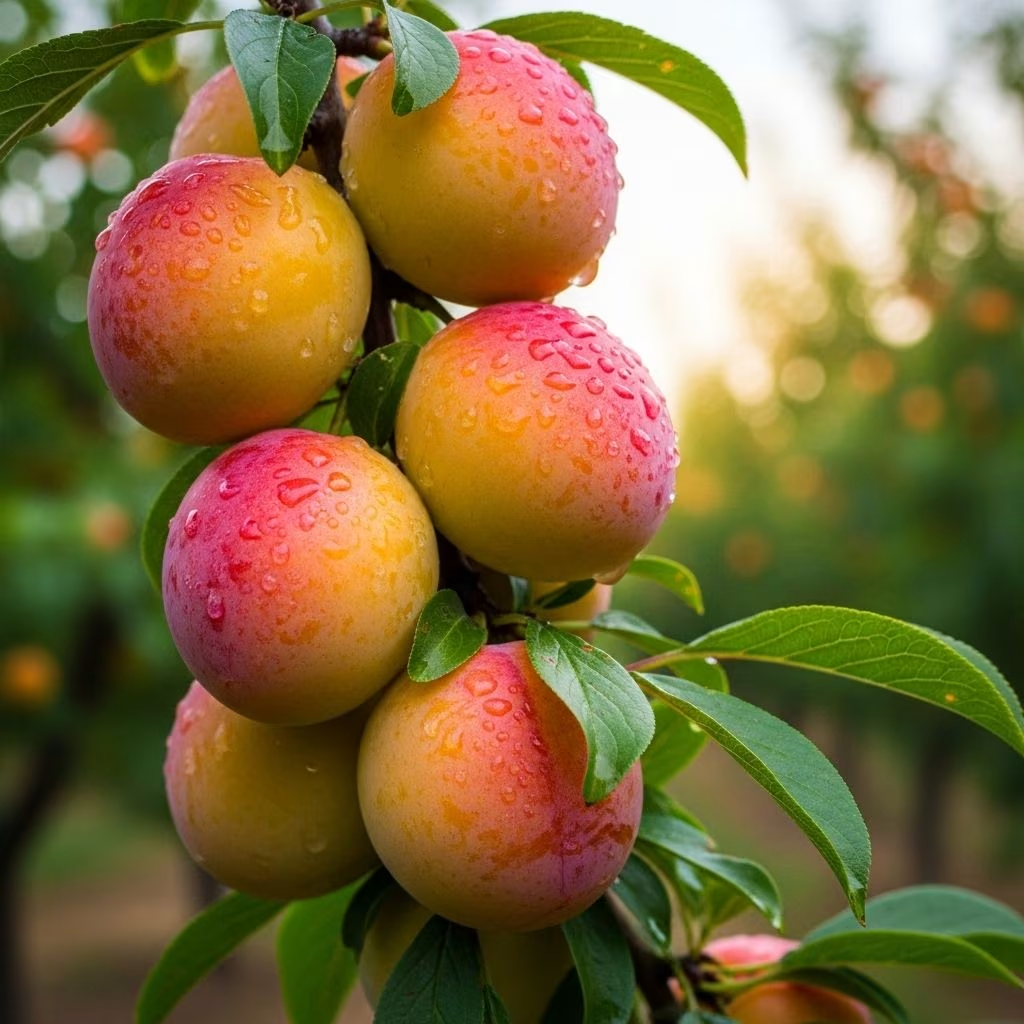
Victoria plums are renowned as one of the most cherished and versatile fruits in British gardens. With their storied heritage, unique flavor profile, and diverse uses, Victoria plums have earned their place as a staple in both orchards and kitchens. This article provides an in-depth look at what sets Victoria plums apart, their nutritional and health advantages, practical tips for growing, and creative ways to enjoy this beloved fruit.
Introduction to Victoria Plum
The Victoria plum (Prunus domestica ‘Victoria’) is a medium to large-sized fruit, recognized for its beautiful reddish-purple skin and golden-yellow, succulently juicy flesh. Highly prized across the UK, Victoria plums are both a culinary delight and a mainstay in home gardens. Their self-fertility, reliable cropping, and dual purpose (cooking and fresh eating) make them an ideal choice for beginner and expert gardeners alike.
History and Origins
Named in honor of Queen Victoria, this plum variety traces its roots back to 19th-century England—specifically Suffolk, where it was introduced around 1840. Despite persistent myths, the often-cited origin in Alderton, Sussex, is unlikely as this place does not exist in that county. The Victoria plum quickly spread throughout the UK and Europe, achieving commercial success in Sweden in 1844 under the name ‘Denyer’s Victoria.’ Its popularity endures today, largely due to its adaptability, yield, and culinary versatility.
Key Facts About Its Origin:
- First introduced: Circa 1840, Suffolk, England
- Commercial introduction: Sweden, 1844 by nursery owner Denyer
- Named after: Queen Victoria (1819–1901)
Appearance and Physical Characteristics
Victoria plums are easily recognized by their distinctive shape and vibrant skin tone. A changing array of hues marks the fruit’s ripening process: plums start off green, transition to orange-red, and finally mature into a deep purple or dark red.
| Attribute | Description |
|---|---|
| Skin Color | Green (unripe) → Red-Orange (cooking) → Purple/Dark Red (fully ripe) |
| Flesh Color | Golden-yellow or dark yellow |
| Shape | Oval or ovate |
| Average Fruit Size | 5 cm (length) × 3 cm (width); ~45g per fruit |
| Tree Habit | Compact, rounded; average height 2.5–3.5 meters |
| Leaf & Blossom | Average green leaves; single white, nectar-rich blossoms |
Taste and Flavor Profile
The taste of Victoria plums evolves during the ripening process, making them uniquely suited for various culinary applications:
- Culinary Stage (Orange/Red Skin): When partially ripe, Victoria plums are tart and acidic—an ideal balance for jams, preserves, and pies. The fruit is firm with a good texture that holds up to heat, breaking down slightly and delivering a deep, aromatic flavor with subtle almond notes.
- Eating Stage (Purple/Dark Red Skin): Fully ripened plums are sweeter, juicier, and less tart, with the sugar content peaking for maximum flavor. At this stage, they are enjoyable fresh off the tree, though still not quite as sweet or complex as premium dessert plums. The flesh remains firm yet melting, and the juice is abundant.
The skin is easily peelable, while the stone is semi-clinging—sometimes requiring gentle coaxing to remove from the flesh.
Victoria plums also contain the anthocyanin chrysanthemin, which contributes both to their color and potential antioxidant content.
Nutritional Content and Health Benefits
Victoria plums are not only a treat for the taste buds but also a healthful addition to your diet. They provide a range of vitamins, minerals, and beneficial plant compounds:
Nutritional Highlights (per 100g, average for plums):
- Calories: 46 kcal
- Carbohydrates: 11 g
- Dietary Fiber: 1.4 g
- Sugars: 9.9 g
- Vitamin C: 9.5 mg
- Vitamin A: Moderate
- Potassium: 157 mg
- Antioxidants: Anthocyanins, notably chrysanthemin
Key Health Benefits:
- Boost Immune Health: Rich vitamin C content supports immune function and tissue repair.
- Digestive Support: Dietary fiber aids regularity and supports gut bacteria.
- Antioxidant Protection: Anthocyanins and vitamin C help protect cells from oxidative stress.
- Heart Health: Potassium assists in regulating blood pressure and muscle function.
- Low in Calories: Plums offer sweetness without a high caloric load, ideal for healthy snacks.
Victoria plums are also said to have a traditional reputation for supporting digestion and digestive comfort, especially when consumed fresh or as part of preserves.
Culinary Uses and Cooking
Victoria plums are one of the most versatile fruits found in home kitchens, excelling both in sweet and savory preparations:
Popular Culinary Uses:
- Fresh Eating: Enjoy fully ripe plums as a snack, in fruit salads, or with cheese.
- Jams and Preserves: Their high acidity and pectin level make excellent, flavor-packed jams that set well and have luscious color.
- Pies, Tarts, and Crumbles: Sliced Victoria plums hold texture and provide rich, complex flavor when cooked.
- Compotes and Sauces: Stew with a touch of sugar and spices for a tangy or sweet sauce suitable for poultry, pork, or desserts.
- Chutneys and Pickles: Their inherent tartness balances sugar and vinegar in savory preserves or relishes.
- Baking: Add to cakes, muffins, or turnovers for a burst of seasonal taste.
When cooking, use reverse-ripening: select plums with orange/red skin for pies, jams, and preserves due to their higher acidity and firmer flesh; for fresh desserts, always opt for deep purple, fully ripe plums with maximum sweetness.
Recipe Ideas:
- Victoria Plum Jam: Simmer halved plums with sugar and a splash of lemon juice until thick. For extra depth, add a cinnamon stick.
- Classic Crumble: Layer cut plums under a buttery crumb topping, and bake until bubbling and golden.
- Roasted Plums: Slow-roast quartered ripe plums with honey and vanilla for a decadent dessert or breakfast topping.
Growing Victoria Plum Trees
Victoria plum trees are highly valued by horticulturists due to their self-fertility, productivity, and adaptability:
Essential Growing Info:
- Tree Size: Mature height 2.5–3.5 meters; spread 2–3 meters (compact, garden-friendly)
- Growth Habit: Rounded, moderate vigor
- Flowering Time: Early—typically March to April in the UK
- Fruit Ripening: Late August to early September (some regions as late as mid-September)
- Self-Fertile: Does not require a pollinating partner (Pollination Group 3), but will produce even larger crops if grown near other plums
- Soil Requirements: Neutral to slightly chalky, deep, loose, fertile, and well-drained
Site Selection & Planting Tips:
- Choose a sunny, sheltered spot away from strong winds.
- Ensure good soil drainage to prevent root rot and fungal diseases.
- Plant in autumn or early spring for best establishment.
- Provide regular moisture, especially during fruit set and ripening.
Care & Maintenance:
- Pruning: Prune annually in late spring or summer to remove dead wood and keep the canopy open.
- Thinning: Thin developing fruits to avoid over-burdening branches and encourage larger, tastier plums.
- Fertilization: Apply balanced fertilizer in early spring and mulch to retain moisture.
Special Features:
- Excellent cold and frost resistance (hardy to -20 °C)
- Well-suited to small gardens due to compact size
- Reliable annual cropping with heavy yields
- White spring blossoms provide early nectar for bees
- Awarded the RHS Award of Garden Merit for quality and reliability
Harvesting, Storage, and Preservation
Harvest when plums are fully colored and slightly soft to the touch, usually from the third week of August into September, depending on location and weather. To avoid bruising, gently twist plums from the stalk.
Post-Harvest Care:
- Storage: Freshly picked plums can keep for up to a week at room temperature or in the refrigerator.
- Freezing: Halve and pit ripe plums, then freeze in airtight containers—great for use in cooking or baking all year.
- Preserving: Victoria plums excel in jams, preserves, and compotes. Their natural acidity and high pectin content mean preserves set well and retain vibrant flavor.
- Drying: Plums can be dried to make prunes, though Victoria is less commonly used for this purpose due to its juiciness.
Pests, Diseases, and Maintenance
Victoria plums are robust and relatively trouble-free, though a few pests and diseases may occasionally pose problems:
Common Issues:
- Aphids and Caterpillars: Can cause leaf curl and minor damage—treat with organic sprays or encourage predators such as ladybirds.
- Brown Rot: A fungal disease affecting fruit—prevent by removing all fallen fruit promptly, thinning overcrowded fruit, and ensuring good air circulation.
- Mold: Particularly affects fruit during wet summers—harvest promptly when ripe and refrigerate if unsure.
- Brittle Wood: Victoria plums can have fragile branches under heavy fruit load—thin fruit and support laden branches to avoid breakage.
The Victoria plum tree has outstanding resistance to cold and frosty spring conditions, making it suitable for most climates in the UK and similar regions.
Frequently Asked Questions (FAQs)
Q: What are the best uses for Victoria plums?
A: Victoria plums are prized for both cooking and fresh eating. Use firmer, orange-red plums for flavorful preserves, and fully ripe purple plums for sweet desserts or fresh snacking.
Q: Are Victoria plums healthy?
A: Yes, they are low in calories, rich in vitamin C and antioxidants, offer dietary fiber for digestive health, and support heart health due to their potassium content.
Q: When is the best time to pick Victoria plums?
A: Pick when plums are richly colored and slightly soft, usually from late August to early September. Sampling is the best way to ensure ripeness and balanced sweetness and acidity.
Q: Do Victoria plum trees need a pollinator?
A: No, they are self-fertile, but planting another plum variety nearby can enhance crop size and quality.
Q: How long does a Victoria plum tree live?
A: They tend to have a shorter lifespan than some fruit trees due to heavy cropping, but with careful pruning and maintenance, many trees thrive and yield well for several decades.
Conclusion
Victoria plums remain a perennial favorite for gardeners and cooks alike—offering reliable harvests, outstanding culinary flexibility, and a truly British legacy in every bite. If you’re seeking a classic, easy-to-grow fruit with both sweet and tart flavors, Victoria plum is an essential addition to your garden or kitchen.
References
- https://gardenfocused.co.uk/fruitarticles/plums/variety-victoria.php
- https://en.wikipedia.org/wiki/Victoria_plum
- https://www.jardins-du-monde.be/en/fruit-trees/1342-5065-plum-tree-victoria.html
- https://www.orangepippin.com/varieties/plums/victoria
- https://www.orangepippintrees.com/trees/plum-trees/plum-trees-european/victoria
- https://whatplantisthis.io/plant/plum-victoria-prunus-domestica-victoria-d
- https://www.gardeningknowhow.com/edible/fruits/plum/growing-victoria-plums-in-gardens.htm
- https://gardenmuseum.org.uk/learning-september-plums/juicy-facts/
- https://www.fruit-trees.com/fruit-trees-care-and-planting-tips/how-to-plant-and-grow-a-victoria-plum-tree-1620728871.html


