


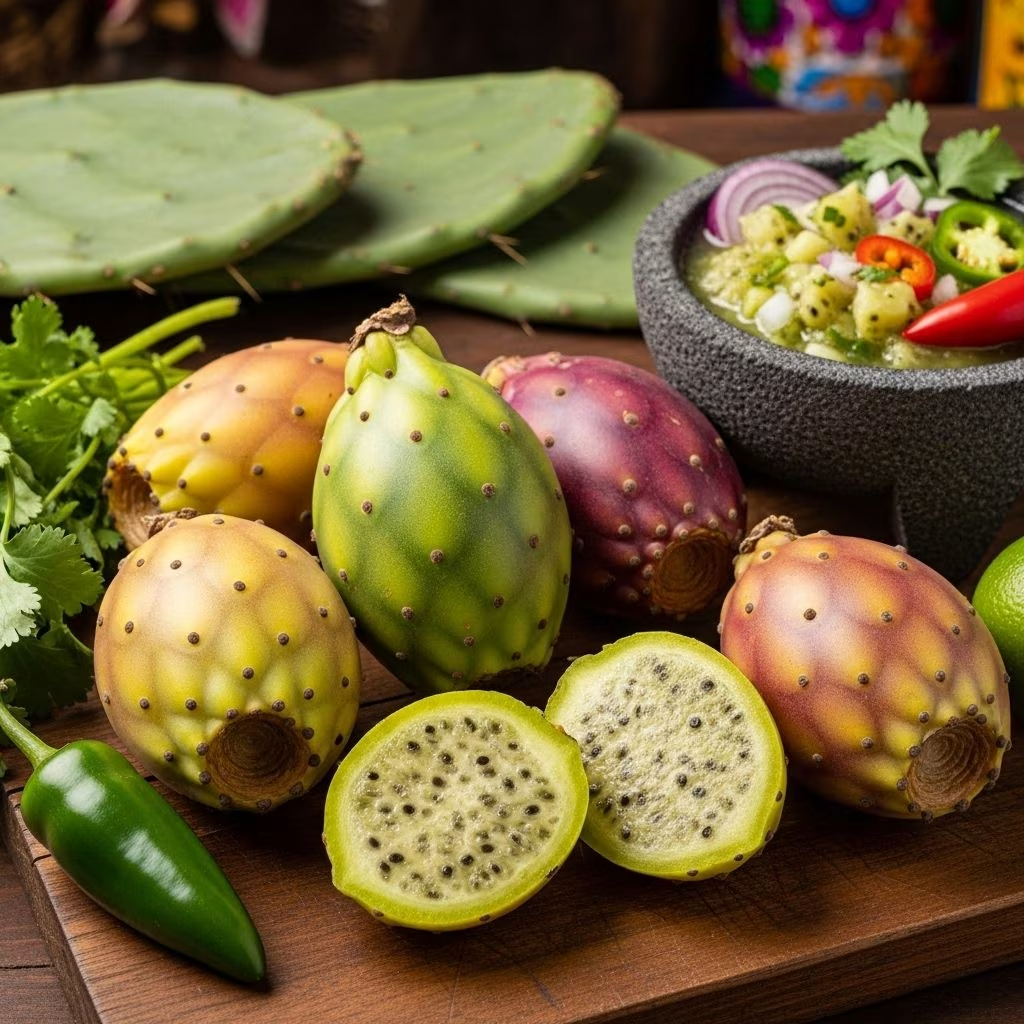
Xoconostle: Nutritional Benefits, Culinary Uses, and Unique Taste of Mexico’s Sour Cactus Fruit
Xoconostle is a fruit that has gained attention for its vibrant flavor profile, remarkable nutrition, and centuries-old presence in Mexican cuisine. Although less globally recognized than its sweet prickly pear cousin, xoconostle stands out for its tangy complexity and versatility in both traditional and modern dishes. This comprehensive guide delves into all facets of xoconostle—its origin, nutritional advantages, health benefits, uses, and distinctive taste.
What Is Xoconostle?
Xoconostle (pronounced choko-nose-leh) is a distinctive fruit produced by the Opuntia matudae cactus, native to Mexico. Unlike the sweet prickly pear (tuna), xoconostle is renowned for its tart, citrus-like flavor, and is botanically classified as a sour variety of prickly pear cactus fruit. The fruit is pear-shaped and tapers to a gentle point, typically measuring 5–7 centimeters in length and 4–5 centimeters in diameter. Its skin shifts from pale green to pink blush as it ripens, while the juicy flesh ranges from bright green to pale peach or pink, culminating in a vivid red seed cavity at the center.
The term “xococ” in the ancient Nahuatl language translates to “sour,” distinguishing xoconostle from the “tuna” species which are sweet.
Origin and History of Xoconostle
Xoconostle has been cultivated and cherished in Mexico for centuries, serving both as a food staple and as a remedy in traditional medicine. The cactus thrives in hot, arid environments, particularly across Central and Northern Mexico. Historically, indigenous peoples harvested xoconostle not only for its sustained culinary use but also for its reputed health benefits. Its enduring popularity stems from its ability to flourish under harsh conditions, making it an integral part of local diets and farming culture.
As awareness of xoconostle’s nutritional advantages grows, the fruit is increasingly appearing in health food stores and farmer’s markets worldwide, signaling its rising status as a superfood.
Nutritional Profile and Health Benefits
Nutritional Composition (per 100g)
| Nutrient | Amount |
|---|---|
| Calories | ~50 kcal |
| Dietary Fiber | High |
| Vitamin C | Rich |
| Vitamin E | Present |
| Calcium | Rich |
| Betalains | High (antioxidants) |
| Carotenoids | Present |
Key Health Benefits
- Rich Source of Fiber: Xoconostle’s high fiber content aids digestive health, helping regulate bowel movements and address constipation or bloating.
- Vitamin C Boost: With substantial vitamin C levels, the fruit contributes to immune support, improved skin health, and enhanced iron absorption.
- Calcium and Bone Strength: Offers a notable amount of calcium, supporting bone density and overall skeletal health.
- Antioxidant Action: Betalains, phytochemicals responsible for the fruit’s deep red pigment, provide potent antioxidant and antimicrobial benefits—especially concentrated in the seeds. Betalain levels in xoconostle seeds may even surpass those in many common berries and red fruits.
- Carotenoids and Vitamin E: The fruit contains beneficial carotenoids and vitamin E, supporting vision, skin health, and cellular protection.
Culinary Uses: Traditional and Modern Applications
Xoconostle is celebrated for its versatility in culinary contexts—from traditional Mexican recipes to contemporary kitchen experiments. Its pronounced tartness makes it well suited to both savory and sweet dishes.
Traditional Uses in Mexican Cuisine
- Salsas and Sauces: Xoconostle is a staple in traditional Mexican salsas (e.g., salsa de xoconostle) and sauces. Its acidity enhances the flavors of chili and tomato, adding nuance to classic dishes.
- Mole de Olla: Xoconostle is commonly used in mole de olla, a Mexican soup or stew, lending a sour accent that balances the rich, spicy broth.
- Preserves and Candies: The fruit is often preserved in syrup or made into traditional Mexican candies, appreciated for its unique flavor profile.
Modern Culinary Innovations
- Fresh Fruit Salads: Sliced xoconostle adds a bright, tart contrast to fruit and vegetable salads.
- Beverages: Xoconostle makes a tangy base for cocktails, aguas frescas, or refreshing syrups. Its sharpness is especially popular in margaritas and other mixed drinks.
- Dressings and Marinades: The sourness amplifies vinaigrettes and marinades, contributing layers of citrus-like flavor.
- Creative Vegan Dishes: Xoconostle can substitute for citrus in vegan dishes, giving an extra punch to salsas, grain bowls, and cooked vegetables.
Taste Profile: How Does Xoconostle Taste?
Xoconostle is characterized by a distinct sour tang and an acid-forward finish, making it a memorable experience for those accustomed only to sweet cactus fruits. The flavor has been described as a cross between a lemon or lime and a mild stone fruit, with an underlying earthy cactus note. The juicy flesh is refreshing yet tart—an ideal palate cleanser—and the bright red seeds, while edible, provide a gentle crunch and concentrated bursts of tangy flavor. This unique blend of sour and sweet makes xoconostle a favorite for those seeking bold new flavor experiences.
The fruit’s texture is smooth and juicy, and the sourness increases as the fruit ripens and the blush intensifies.
Acquiring and Preparing Xoconostle
While xoconostle may be less common outside of Mexico, it can increasingly be found at Latin markets, specialty food stores, and online retailers. Selection and preparation are key:
- Selection: Choose fruits with firm skin and a pale green to pink blush—indicators of proper ripeness.
- Handling: Carefully remove small spines before peeling. Their removal leaves tiny circular scars on the skin.
- Preparation: Slice the fruit in half and scoop out the seed cavity, which is centralized. The flesh can be eaten raw, blended, or cooked according to the recipe. Seeds are edible but can be discarded or saved for antioxidant-rich additions.
Xoconostle vs. Prickly Pear: Key Differences
| Feature | Xoconostle (Opuntia matudae) | Prickly Pear (Opuntia spp., “Tuna”) |
|---|---|---|
| Flavor Profile | Sour, acidic, tangy | Sweet, mild |
| Fruit Color | Pale green to pink blush; peach or pink flesh with red center | Varies: deep red, purple, yellow, green |
| Seed Distribution | Centralized cavity, edible | Distributed throughout the flesh |
| Culinary Uses | Soups, salsas, drinks, preserves | Eaten raw, in desserts, jams, juices |
| Phytonutrient | High betalains | Varied phytonutrients, fewer betalains |
Recipe Inspirations and Serving Ideas
Xoconostle Margarita
- Ingredients: 5 large xoconostle, 2 tablespoons sugar, 2 tablespoons water, 4 ounces tequila blanco, ice, lime wedge.
- Instructions: Peel and halve xoconostle, scoop out the central pink seed portion. Blend the pale halves with sugar and water until smooth. Add tequila and ice, shake, and serve in sugar-rimmed glasses decorated with cactus flowers.
Xoconostle Salsa
- Roast xoconostle, tomatoes, chilies, and garlic.
- Blend with cilantro, salt, and lime juice for a tangy salsa perfect with tortilla chips or grilled proteins.
Xoconostle in Mole de Olla
- Add peeled and chopped xoconostle to traditional Mexican beef or vegetable stew.
- Let the sour notes balance the earthy and spicy flavors of the broth.
Xoconostle Syrup
- Simmer peeled xoconostle slices with sugar and water; strain to create a tangy syrup for cocktails, mocktails, or dressings.
Frequently Asked Questions (FAQs)
Q: What makes xoconostle nutritionally superior to other cactus fruits?
A: Xoconostle’s concentrated levels of antioxidants (betalains), fiber, and vitamin C—particularly in its seeds—distinguish it from sweet prickly pears and many other fruits.
Q: Is xoconostle safe to eat raw?
A: Yes, xoconostle can be enjoyed raw once peeled and the seeds removed. Its tart flavor shines in fresh salads as well as smoothies and salsas.
Q: How do I store fresh xoconostle?
A: Store xoconostle in the refrigerator for up to one week, or preserve by making syrup, jam, or dehydration for longer shelf life.
Q: Can xoconostle help with digestive health?
A: The high fiber content of xoconostle supports healthy digestion and regulates bowel function, making it beneficial for digestive well-being.
Q: Where can I find xoconostle outside of Mexico?
A: Look for xoconostle in Latin American specialty markets, farmers’ markets with exotic produce, or through online retailers. Its growing popularity means it’s becoming more widely available globally.
Conclusion
With its bold sour flavor and array of health benefits, xoconostle offers an exciting alternative for culinary enthusiasts and health-conscious eaters alike. Whether mixed into salsas, blended into drinks, or savored raw, xoconostle continues to captivate palates and enrich global kitchens with its ancient heritage and modern appeal.
References
- https://specialtyproduce.com/produce/Xoconostle_Cactus_Fruit_14388.php
- https://driedfruitsguide.com/xoconostle-cactus-fruit-information-and-facts/
- https://nibblesandfeasts.com/2019/04/xoconostle-cactus-fruit-margarita/
- https://en.wikipedia.org/wiki/Opuntia_matudae
- https://www.ranchogordo.com/products/xoconostle-plain-dried
- https://www.youtube.com/watch?v=3RJzBzkM7kg
- https://www.centralmarket.com/product/xoconostle-cactus-fruit/861195


