


Introduction to Asthma Community Network
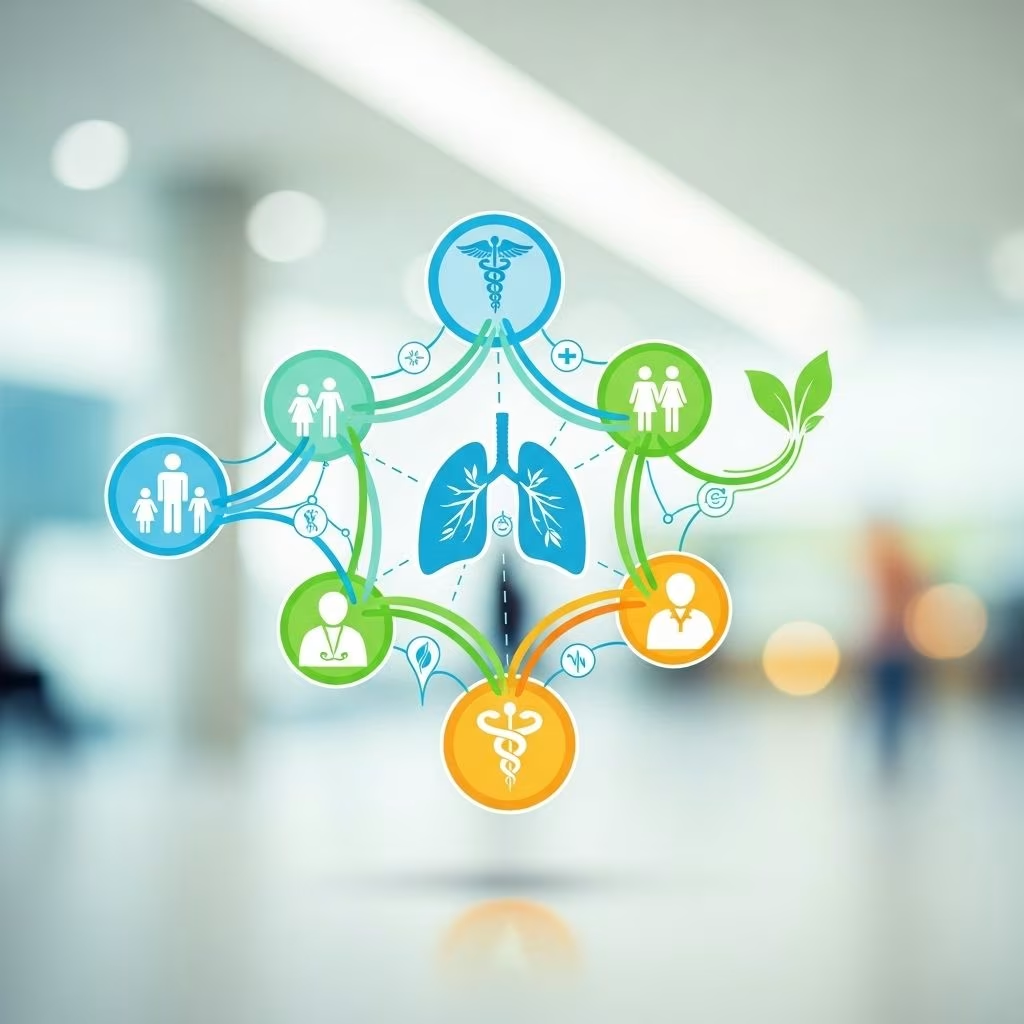
The Asthma Community Network (ACN) serves as a pivotal platform for community-based asthma programs, connecting health providers, government agencies, nonprofits, and other organizations to enhance asthma care and outcomes. This network is designed to facilitate the sharing of best practices and resources among its members, ultimately improving the quality of life for individuals with asthma.
## Benefits of MembershipThe ACN offers several benefits to its member programs, including:- Real-time access to other programs: Connect with hundreds of community-based asthma programs across the nation, facilitating collaboration and knowledge sharing.- Cutting-edge internet tools: Utilize advanced online tools for collaboration, problem-solving, and learning.- Mentorship opportunities: Engage with experienced mentors who can guide program development.- Extensive resource bank: Access a comprehensive library of webinars, guides, and other valuable resources.- Program profiles: Highlight your program’s activities with a dedicated profile page.- Event listings: Post and find local, regional, and national events.- National recognition: Apply for national asthma awards to recognize your program’s achievements.- Financing In-Home Asthma Care Microsite: Access specialized resources for in-home asthma care, including financing options and workforce development strategies.
Objectives and Goals
The primary goal of the ACN is to improve asthma care by providing a structured environment for learning and collaboration. By fostering partnerships and sharing successful strategies, the network aims to reduce asthma-related hospitalizations and improve patient outcomes.
Community-Based Asthma Programs
Community-based asthma programs play a crucial role in managing asthma effectively. These programs often involve local health workers, schools, and community centers working together to educate families about asthma management and prevention.
### Key Components of Community-Based Programs- Education and Awareness: Provide educational sessions for parents and caregivers to understand asthma better and manage it effectively.- Environmental Interventions: Implement strategies to reduce exposure to asthma triggers at home and in public spaces.- Healthcare Access: Ensure that families have access to necessary medical care and resources for managing asthma.
Effective Strategies for Asthma Management
Effective asthma management involves a combination of medication adherence, environmental control, and patient education. Strategies such as using asthma action plans, monitoring air quality, and avoiding known triggers are crucial for preventing asthma attacks.
Six EXHALE Strategies for Asthma Management
The Pennsylvania Asthma Control Program employs the following six strategies, known as EXHALE, to improve asthma outcomes:
- E – Educate patients, families, and healthcare providers about asthma self-management.
- X – eXtinguish smoking and secondhand smoke exposure.
- H – Home visits to assess and mitigate environmental triggers.
- A – Achieve high-quality, accessible medical care.
- L – Linkages to community resources and support services.
- E – Encourage and monitor adherence to treatment plans.
Community Education Programs
Community education programs are vital for empowering families to manage asthma. A study by the University of Pennsylvania demonstrated the effectiveness of peer-led education programs in improving asthma knowledge and quality of life among urban parents.
Innovations in Asthma Management
Recent updates in asthma management focus on personalized care, including the use of biologicals for severe asthma and smart therapy (single maintenance and reliever therapy) for better management of asthma in children.
Frequently Asked Questions (FAQs)
Q: What is the Asthma Community Network?
A: The Asthma Community Network is a platform for community-based asthma programs to share best practices and resources to improve asthma care.
Q: Why are community-based asthma programs important?
A: These programs are crucial for providing localized support and education, leading to better asthma management and outcomes.
Q: What are some effective strategies for asthma management?
A: Key strategies include patient education, trigger avoidance, and adherence to treatment plans.
Conclusion
In conclusion, the Asthma Community Network and community-based programs play a vital role in enhancing asthma care by promoting collaboration, education, and access to resources. By joining the ACN and participating in local initiatives, individuals and organizations can contribute to improving asthma outcomes and quality of life for those affected by this chronic condition.
References
- https://www.asthmacommunitynetwork.org
- https://www.epa.gov/asthma/asthma-community-network
- https://www.asthmacommunitynetwork.org/about/whoweare
- https://reporter.nih.gov/project-details/11175402
- https://www.youtube.com/watch?v=IPkv0XqFIdk
- https://pmc.ncbi.nlm.nih.gov/articles/PMC2568435/
- https://www.pa.gov/agencies/health/diseases-conditions/chronic-disease/asthma


