


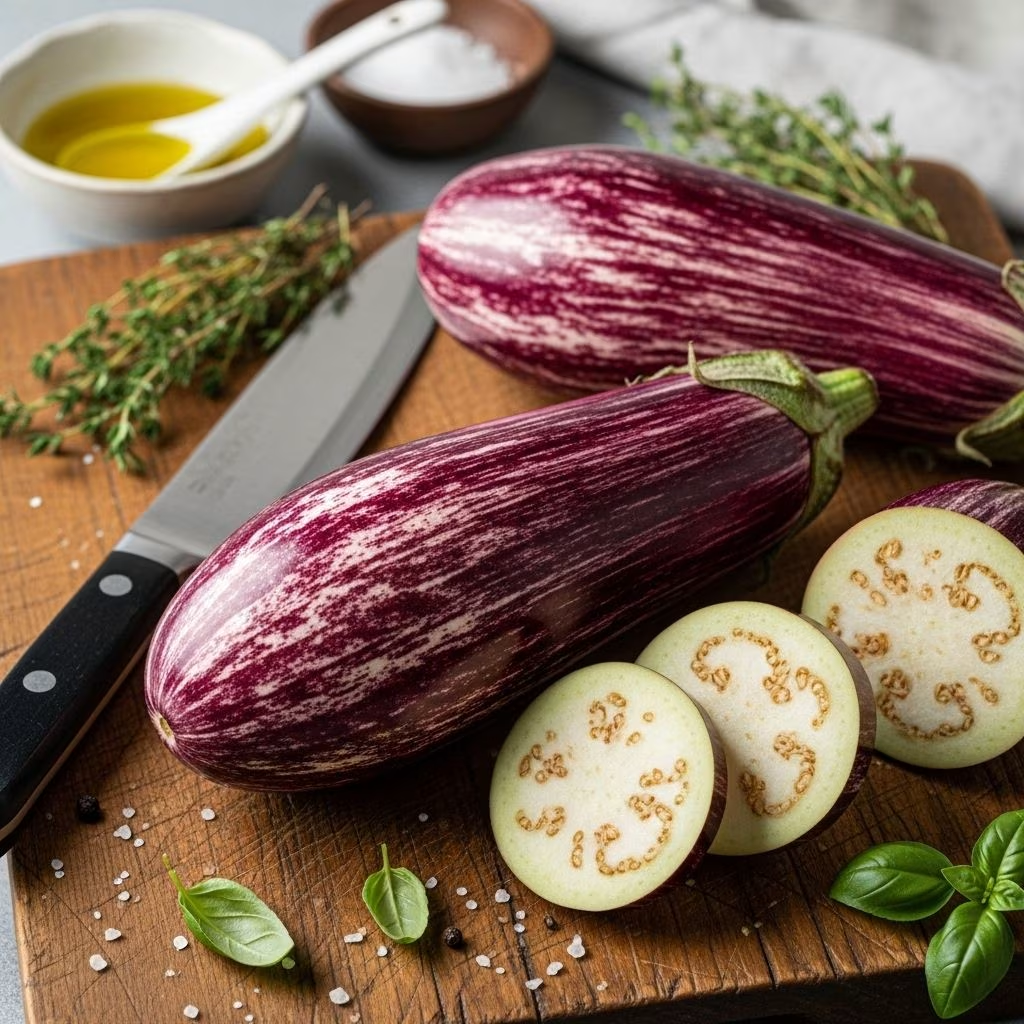
The zebra eggplant, known for its bold purple and white stripes, is a visually stunning and flavorful variety that has captivated cooks and gardeners worldwide. This guide offers an in-depth look at what makes zebra eggplant unique, how you can cook with it, its nutritional benefits, and what to expect in terms of taste and versatility.
What Is Zebra Eggplant?
Zebra eggplant is a specialty variety of Solanum melongena, belonging to the nightshade family. It is frequently referred to as graffiti eggplant, striped eggplant, or Sicilian eggplant due to its striking purple-and-white stripes reminiscent of artful brushstrokes.
Though native to Mediterranean regions, zebra eggplant varieties can be found at farmers’ markets and gourmet grocers worldwide, with peak availability from mid-summer through early fall.
Visual Characteristics and Varieties
- Shape & Size: Zebra eggplants are typically small to medium in size, averaging 7 to 15 centimeters (3 to 6 inches) in length. Their shape is typically oval or oblong with slightly squat, blunt ends.
- Striping: The thin, taut skin is covered with distinctive purple and white stripes. The color pattern is variegated and can range from streaked to mottled, depending on the specific variety.
- Flesh: Inside, the white flesh is springy yet dense, filled with tiny cream-colored seeds. The flesh is more moist and tender compared to standard globe eggplants, and it oxidizes quickly once cut.
- Varieties: “Graffiti,” “Zebra,” and “Sicilian” are blanket terms for many similar cultivars grown throughout the world.
| Feature | Zebra Eggplant | Globe Eggplant |
|---|---|---|
| Size | 3–6 inches | 6–10 inches |
| Shape | Oblong, oval | Round, oval |
| Skin | Purple & white stripes; thin | Solid dark purple; thick |
| Flavor | Semi-sweet, mild, fruity | Neutral, mildly bitter |
| Preparation | No salting needed | Often salted to reduce bitterness |
Unique Attributes
- The zebra eggplant’s thinner skin and succulent, tender flesh make it ideal for quick-cooking and dishes that showcase delicate textures.
- Its visual appeal adds color and vibrancy to any dish.
Nutritional Benefits
Like other eggplants, zebra eggplant is low in calories and packs key nutrients that support health.
- Fiber: Supports digestive health.
- Potassium: Aids in maintaining electrolyte balance.
- Iron: Necessary for hemoglobin and oxygen transport.
- Vitamins C, B, K: Strengthen immune function and support wound healing.
- Calcium, Magnesium, Manganese: Promote bone, metabolic, and overall body health.
- Folate and Niacin: Support cellular energy production.
In addition, the leaves of zebra eggplant (varieties such as Solanum aethiopicum from Africa) are rich in iron, calcium, vitamin C, and riboflavin, and are consumed in stews and side dishes traditionally.
Culinary Uses and Cooking Methods
Zebra eggplant’s semi-sweet flavor and firm yet melt-in-your-mouth texture make it a favorite in kitchens around the globe:
- Grilling: Sliced or halved zebra eggplants grill beautifully, yielding a smoky, caramelized sweetness and tender consistency.
- Roasting & Baking: Roasted zebra eggplant develops a soft, rich, and mildly fruity flavor profile, ideal as a side dish or base for stuffing.
- Sautéing: Dice and sauté with other vegetables and aromatics for a savory quick dish, or use in stir-fries.
- Stuffing: Due to its size and thin skin, zebra eggplant is perfect for stuffing—try lamb, quinoa, chickpeas, fresh herbs, or cheese-based mixtures.
- Soups & Stews: Adds both texture and gentle sweetness to Mediterranean and African-style braises and vegetable stews.
- Raw Use: Some varieties (notably African strains) are palatable enough for raw consumption and can be added to salads or fresh salsas.
No need for salting: Most zebra eggplants do not require salting before cooking since bitterness is very low, and moisture content is well balanced.
Taste Profile
- Semi-Sweet Flavor: Zebra eggplant is renowned for a mild, slightly sweet, and lightly fruity flavor that sets it apart from the more bitter globe types.
- Tender Consistency: Upon cooking, the flesh becomes remarkably soft, succulent, and melting.
- No Bitterness: Unlike many eggplants, zebra cultivars are noted for their lack of the astringent qualities and bitter aftertaste, making them accessible for all palates.
The appealing notes of zucchini, mild berries, and subtle nuttiness make zebra eggplant suitable for both savory and fusion cuisine.
Growing Zebra Eggplant
Zebra eggplant is a relatively easy plant to grow in warm climates and is available as seed from specialty farms and seed banks.
- Growing Conditions: Needs warm soil, full sunlight, and regular watering—transplant when night temperatures remain above 50°F.
- Spacing: Plant two to three feet tall vines around 12–18 inches apart.
- Harvest: Fruits mature in about 70 days; regular picking ensures optimal flavor and yield.
- Leaf Use: Young leaves are also harvested and used as nutritious greens.
Health Benefits
Including zebra eggplant or its leaves in your diet can have several wellness impacts:
- Digestive Support: Fiber content promotes regularity and gut health.
- Immune Boost: Vitamin C and other antioxidants help strengthen the immune system and defend against illness.
- Bone Health: Minerals like calcium and magnesium are vital for bone strength.
- Cognitive Function: B vitamins and iron support brain health and energy metabolism.
- Low-Calorie: Can be included in weight-conscious diets as a nutritious and filling vegetable.
In some African communities, the leaves are specially prized for their micronutrient density, contributing to nutritional security where access to diverse foods is limited.
Popular Recipes Featuring Zebra Eggplant
-
Grilled Zebra Eggplant Slices
Brush slices with olive oil, sprinkle with fresh herbs, and grill until deeply marked and tender. Serve with cucumber raita or yogurt dip. -
Lamb-Stuffed Zebra Eggplant
Roast whole or halved eggplants, scoop out centers, and stuff with a spiced mixture of ground lamb, smoked paprika, cumin, preserved lemon, and za’atar. Bake and top with feta or goat cheese. -
African Zebra Eggplant Stew
Sauté chopped leaves and fruit with onion, garlic, anise, mushrooms, hot pepper, parsley, and nutmeg. Serve over rice, couscous, boiled yucca, or yams. -
Baked Zebra Eggplant Boats
Halve eggplants, roast until just tender, and fill with quinoa, chickpeas, herbs, preserved lemon, and top with toasted pine nuts.
Tips for Preparation
- Choose fruit that feels heavy for its size, with glossy skin and no sagging or blemishes.
- Zebra eggplant does not require peeling—thin skins remain tender even after cooking.
- Cut just before use to minimize oxidation and browning of flesh.
Cultural Significance
The zebra eggplant carries particular cultural and culinary relevance in Mediterranean, Middle Eastern, and African cuisines:
- In Africa (Solanum aethiopicum), both the fruit and young leaves are essential food sources and used in traditional soups, stews, and medicinal recipes.
- The striped skin is often celebrated for its visual impact at formal meals and festive occasions.
- In Mediterranean and Sicilian kitchens, zebra eggplant features prominently in vegetarian and lamb-based dishes.
Frequently Asked Questions (FAQs)
Q: What does zebra eggplant taste like?
A: Zebra eggplant has a mild, semi-sweet, and lightly fruity flavor with tender, melt-in-your-mouth consistency. It is far less bitter than regular eggplant varieties.
Q: Do you need to salt zebra eggplant before cooking?
A: No, zebra eggplant’s low bitterness and balanced moisture make salting unnecessary for most recipes.
Q: Can zebra eggplant be eaten raw?
A: Some varieties, especially African types, can be eaten raw. However, most are preferred cooked for optimal flavor and texture.
Q: Where can you buy zebra eggplant?
A: Zebra eggplant is available at farmers’ markets, specialty grocers, and select online retailers, especially in mid-summer to early fall.
Q: Is zebra eggplant nutritious?
A: Yes, zebra eggplant provides fiber, potassium, iron, vitamins, and antioxidants with very few calories. The leaves provide additional minerals and vitamins.
Q: What are common substitutes for zebra eggplant?
A: Substitute with fairy tale eggplant, globe eggplant, or Italian varieties if zebra is unavailable, but adjust for thinner skin and sweeter taste.
References
- https://specialtyproduce.com/produce/Graffiti_Eggplant_1796.php
- https://www.thedailymeal.com/1247004/a-beginners-guide-to-the-wide-world-of-eggplant-varieties/
- https://northcircleseeds.com/products/zebra-eggplant
- https://www.gardeningknowhow.com/edible/vegetables/eggplant/types-of-eggplant.htm
- https://urbanfarmandkitchen.com/13-best-eggplant-varieties-to-grow-with-recipes-photos/
- https://vegvariety.cce.cornell.edu/main/showVarieties.php?searchCriteria=eggplant&searchIn=1&crop_id=0&sortBy=overallrating&order=DESC
- https://www.cabidigitallibrary.org/doi/pdf/10.5555/20113300170
- https://specialtyproduce.com/produce/Japanese_Eggplant_404.php


