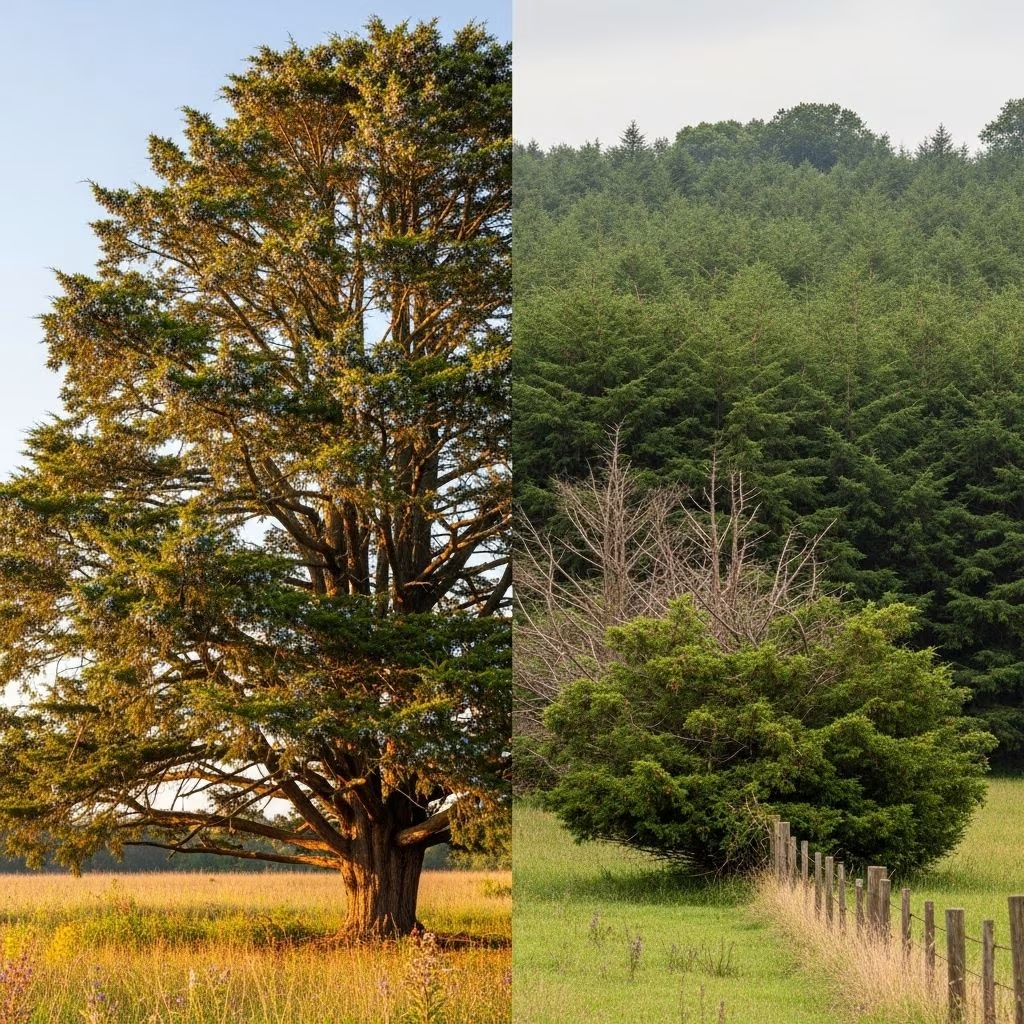
15 Everyday Actions to Help the Environment in 2025
Caring for the environment means making choices, both big and small, that safeguard our planet for future generations. The coming decade is crucial for global climate action. While governments and corporations play an important role, individual actions remain essential. These 15 practical steps can help you make a lasting difference—at home, work, and in your community.
1. Conserve Energy At Home
- Switch off lights and electronics when not in use.
- Use energy-efficient LED bulbs and appliances.
- Insulate your home to reduce heating and cooling needs.
Reducing energy consumption directly lowers your carbon footprint. Every kilowatt-hour saved reduces demand for fossil fuel-based electricity, decreasing pollution and greenhouse gas emissions. Simple efficiency upgrades and mindful habits add up to meaningful impact.
2. Reduce, Reuse, and Recycle
- Avoid single-use products and packaging as much as possible.
- Reuse containers, bags, and jars for shopping and storage.
- Recycle paper, plastic, glass, metals, and electronics appropriately.
Before throwing something away, consider if it can be reused or repaired. Recycling materials conserves resources and keeps waste out of landfills, where it can release methane—a powerful greenhouse gas. Closed-loop recycling reduces the need for raw resource extraction.
3. Eliminate Single-Use Plastics
- Bring your own reusable bags, bottles, and utensils.
- Choose products with minimal or compostable packaging.
- Support businesses that prioritize plastic-free options.
Plastic pollution harms wildlife and contaminates ecosystems. Choosing alternatives helps curb ocean pollution, protects animals, and cuts down the fossil fuels needed for plastic production.
4. Embrace Sustainable Transportation
- Walk, bike, or use public transportation whenever possible.
- Carpool or use ride-sharing apps to reduce vehicle use.
- Consider electric or hybrid vehicles for your next car.
Transportation is a major contributor to greenhouse emissions. Reducing car trips and choosing cleaner options reduces air pollution and saves resources. Active travel also contributes to personal health and wellbeing.
5. Save Water, Every Day
- Fix leaks promptly and install low-flow fixtures.
- Take shorter showers and turn off the tap when not in use.
- Collect rainwater for garden or lawn use.
Freshwater is a finite resource. Conserving water helps maintain healthy ecosystems and prepares communities for droughts caused by climate change.
6. Eat With the Planet in Mind
- Choose plant-based meals more often.
- Buy local and seasonal produce to cut down transportation emissions.
- Support organic and sustainably grown food.
Your food choices impact climate, land use, and water systems. Reducing meat and dairy intake conserves land and water, and shrinks your carbon footprint. Local and sustainable food supports community farmers and reduces reliance on industrial agriculture.
7. Compost Your Food Scraps
- Set up a backyard compost bin or use a municipal program.
- Avoid sending organic waste to landfill, where it creates methane.
- Use finished compost to nourish gardens, trees, and lawns.
Composting transforms food waste into soil-rich fertilizer, supporting healthy plants and minimizing landfill pollution.
8. Plant Trees, Support Reforestation
- Join local tree-planting groups or community forest projects.
- Plant native species to support local ecosystems.
- Donate to reforestation charities or global initiatives.
Trees absorb carbon dioxide, provide shade, support wildlife, and stabilize soils. Large-scale reforestation efforts are among the most effective solutions to climate change and biodiversity loss.
9. Shop Mindfully and Sustainably
- Research brands that practice ethical sourcing and fair labor.
- Choose quality over quantity; avoid fast fashion and disposable products.
- Support local artisans and businesses.
Every purchase sends a message to manufacturers. Conscious consumers drive market demand for sustainability, fair trade, and responsible manufacturing.
10. Rethink Your Diet, Cut Food Waste
- Buy what you need, use leftovers creatively, and store food properly.
- Donate excess food to local charities or food banks.
- Learn proper portion sizes and plan meals ahead.
Globally, food waste represents a huge loss of resources and contributes to greenhouse gases. Smarter shopping and eating habits conserve resources and help address hunger.
11. Contribute to Local Wildlife and Pollinators
- Grow native plants that support bees, butterflies, and birds.
- Install bat houses or insect hotels in your garden.
- Protect existing habitats and green spaces.
Healthy biodiversity supports pollination, pest control, and ecosystem balance. Even small gardens provide vital refuge for urban pollinators and wildlife.
12. Support Clean Energy and Green Power
- Switch your electricity provider to renewable sources, if available.
- Install solar panels or participate in community wind projects.
- Advocate for clean energy policies in local government.
Transitioning to renewable energy helps fight climate change and supports innovation. Clean energy reduces air pollution and creates green jobs.
13. Get Involved—Volunteer and Advocate
- Join local environmental organizations or citizen science projects.
- Attend community meetings to champion green initiatives.
- Educate friends and neighbors—share what you have learned.
Grassroots activism helps pass environmental legislation, promotes awareness, and inspires others to act. Collective engagement amplifies your impact.
14. Start or Participate in Community Gardens
- Work with neighbors to transform unused spaces into vibrant gardens.
- Grow food, flowers, and trees to support soil health and pollinators.
- Support local food systems and connect with your community.
Community gardens restore degraded land, build resilience, and improve urban food security. Hands-on participation fosters a deeper connection to nature.
15. Educate Yourself and Others
- Stay informed about environmental issues and solutions.
- Share resources and information with your family and friends.
- Encourage schools, workplaces, and institutions to go green.
Learning and sharing knowledge multiplies the reach of every positive action. The more people act in concert, the greater the planet-wide impact.
Why Now? The Power of Individual Change
The urgent challenge of our time is finding ways to preserve a livable climate and protect the natural world. With extreme weather, loss of biodiversity, and pollution reaching critical levels, action cannot wait. Each of these steps, repeated by millions, adds up to transformation. As the 2025 Earth Day theme—Our Power, Our Planet—reminds us, meaningful change starts with us.
Frequently Asked Questions (FAQs)
Q: Are small actions enough to make a difference?
A: Yes. When many people adopt thoughtful habits, their combined effect can shift markets, influence policy, and protect ecosystems.
Q: Which is the most powerful environmental action?
A: Planting trees and supporting reforestation offer multiple benefits: absorbing carbon, restoring habitats, and protecting soil and water.
Q: How can I reduce my carbon footprint at home?
A: Start by saving energy, conserving water, eating less meat, and choosing renewable energy if possible. Every step counts.
Q: Where can I join a local environmental project?
A: Community gardens, tree planting initiatives, wildlife habitat restoration, and local sustainability organizations—search online or ask your municipality for opportunities.
Q: What impact does composting have?
A: Composting turns food waste into valuable soil, reduces landfill emissions, and helps grow healthier plants for biodiversity and climate resilience.
Summary Table: 15 Actions and Their Environmental Benefits
| Action | Core Benefit |
|---|---|
| Conserve Energy | Lower carbon emissions, save resources |
| Reduce, Reuse, Recycle | Minimize waste, conserve materials |
| Eliminate Single-Use Plastics | Protect oceans and wildlife |
| Sustainable Transportation | Cut air pollution, reduce emissions |
| Save Water | Protect freshwater resources |
| Eat Sustainably | Reduce climate and land impact |
| Compost Food Scraps | Reduce landfill methane, improve soil |
| Plant Trees | Sequester carbon, restore habitats |
| Shop Mindfully | Drive sustainable supply chains |
| Cut Food Waste | Conserve resources, fight hunger |
| Support Wildlife | Maintain biodiversity, ecosystem health |
| Support Clean Energy | Advance renewables, cut emissions |
| Volunteer and Advocate | Promote awareness, support change |
| Community Gardens | Improve soil, food security, local resilience |
| Educate Yourself & Others | Multiply collective impact |
Take Action: Be the Change Our Planet Needs
Protecting the environment starts with what you do today. Whether you plant a tree, pass on a plastic straw, join a volunteer cleanup, or shift your purchases, you are part of a movement. Find one new action to start right now and encourage others to join you. The future depends on the choices we make—let’s ensure we choose a thriving planet for all.
References
- https://www.youtube.com/watch?v=GbR6Rn_QBf0
- https://trees.org/2025/04/18/earth-day-2025-7-simple-acts-to-help-the-planet/
- https://sustainabilitynews.substack.com/p/10-sustainability-trends-that-will
- https://standfortrees.org/blog/earth-day-activities/
- https://earth.org/the-biggest-environmental-problems-of-our-lifetime/
- https://ecologi.com/articles/blog/20-impactful-climate-actions-businesses-can-take-in-2025