Knowing what should never go down your drain is essential for protecting both your home’s plumbing and the greater environment. While it might seem convenient to wash away kitchen leftovers, household cleaners, or toiletries, many of these items lead to clogged pipes, expensive repairs, or water pollution. Below, we break down common culprits, why they’re hazardous, and safer alternatives for disposal.
Why Being Careful With Drains Matters
Pipes are designed for water and limited biodegradable waste. When inappropriate materials are sent down the kitchen, bathroom, or utility drains, blockages, pipe corrosion, and environmental damage can result. Municipal wastewater systems often can’t filter out certain chemicals or micro-waste, leading to long-term water pollution and harm to sewer infrastructure.
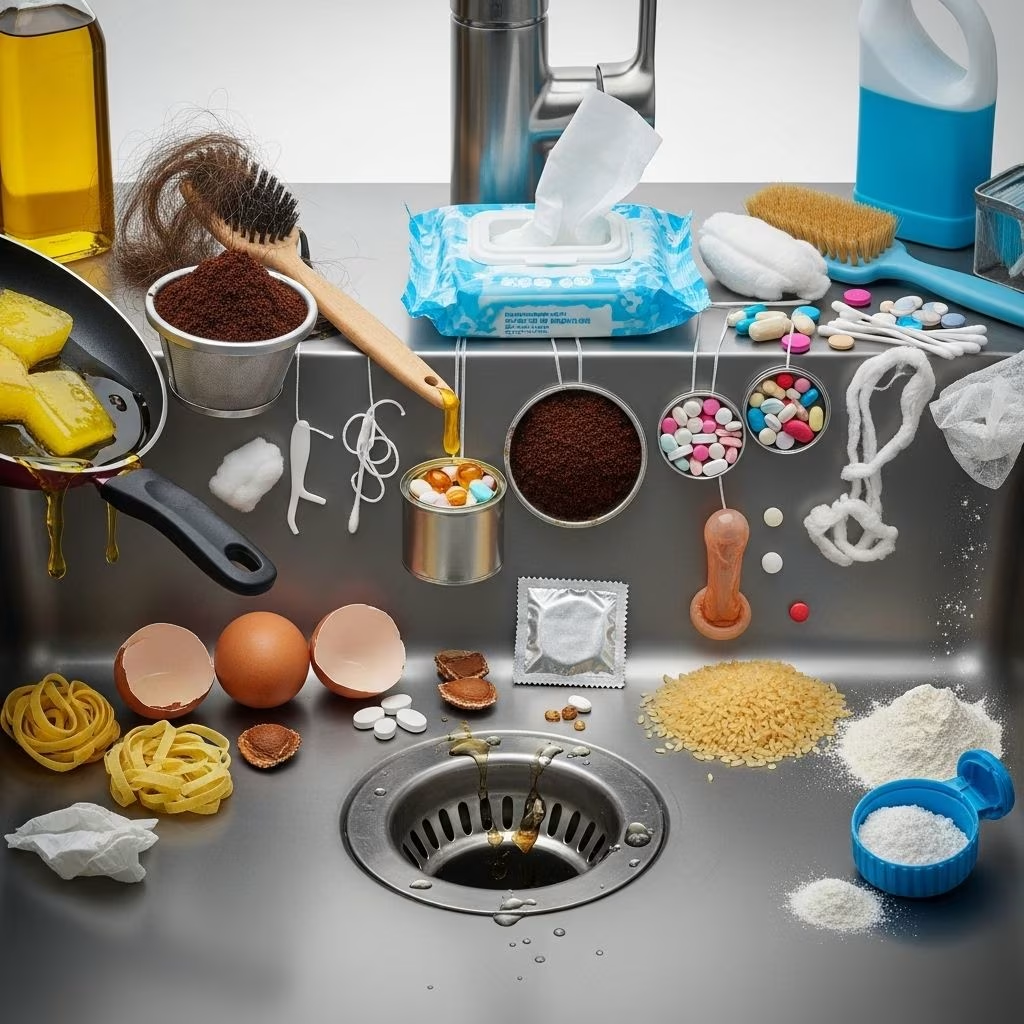
The List: Items You Should Never Put Down the Drain
- Cooking Oil, Fats, and Grease
- Coffee Grounds
- Eggshells
- Medications
- Paint and Solvents
- Produce Stickers
- Paper Towels and Cotton Products
- ‘Flushable’ Wipes and Cleaning Cloths
- Flour and Starches
- Pasta and Rice
- Personal Care Products
- Cat Litter
- Household Chemicals and Cleaners
- Nuts, Seeds, and Hard Shells
- Bones and Food Scraps
- Candle Wax
- Hair
- Motor Oil and Automotive Fluids
1. Cooking Oil, Fats, and Grease
Fats, oils, and grease solidify as they cool—even if poured as a liquid. As they accumulate, they create sticky blockages that trap other debris inside pipes and municipal sewers. Over time, this leads to massive buildups known as “fatbergs.” These can cause water backups, mainline clogs, and expensive repairs, both in homes and at city wastewater plants.
Alternative: Allow grease to cool and harden in a container. Throw it in the trash or take large quantities to a hazardous waste facility.
2. Coffee Grounds
Despite their small size, coffee grounds clump together, combining with grease and soap in your pipes to create stubborn blockages. They do not dissolve and often collect in drain bends.
Alternative: Compost coffee grounds or dispose of them in the garbage.
3. Eggshells
Many assume eggshells can be ground up by garbage disposals, but these fragile fragments get caught in pipes and mix with other debris, leading to solid blockages. The membrane layers of eggshells are especially sticky in pipes.
Alternative: Compost eggshells or dispose of them with food waste in the trash.
4. Medications
Flushing prescription pills, over-the-counter drugs, or liquid medicines introduces pharmaceuticals into water systems, which treatment plants can’t fully remove. These contaminants can harm aquatic life and even return in trace amounts in drinking water.
Alternative: Take medications to a local pharmacy drop-off or drug take-back program.
5. Paint and Solvents
Paint, thinners, solvents, varnish, nail polish remover, and certain glues contain hazardous chemicals and heavy metals. When poured down the drain, these components pollute water systems, disrupt wastewater treatment, and can cause explosive gases to form in plumbing.
Alternative: Use up all paint and solvents if possible. Otherwise, deliver leftovers to a hazardous waste facility.
6. Produce Stickers
Those small produce stickers on fruits and vegetables are not biodegradable and tend to stick to the inside of pipes. Eventually, they adhere to pipe bends and catch on other trash, creating a gridlock that leads to significant clogs.
Alternative: Remove stickers and dispose of them in the garbage before rinsing produce.
7. Paper Towels and Cotton Products
Paper towels, cotton balls, and cotton swabs may look harmless, but they do not break down in water the same way as toilet paper. They swell, collect debris, and create tough-to-remove obstructions deep in the system.
Alternative: Place all paper towels and cotton products in the trash, not the drain.
8. ‘Flushable’ Wipes and Cleaning Cloths
Though labeled as “flushable,” most wipes remain intact for days or weeks in sewers, unlike toilet paper. They are responsible for much of the massive blockages and municipal repair jobs. Even facial or baby wipes should never go down any drain.
Alternative: Dispose of all wipes in the trash, regardless of labeling.
9. Flour and Starches
Flour, cornstarch, and baking powder mix with water to form a sticky, glue-like paste, which clings to pipe walls and catches on other debris. This hardened substance can slowly choke a drain line entirely.
Alternative: Throw away flour, dough, or cake batter remnants in garbage or compost (if appropriate).
10. Pasta and Rice
Both pasta and rice expand when exposed to water—even after cooking. Any quantity pushed down the drain continues to swell, blocking pipes and catching on to grease or other food scraps.
Alternative: Place excess pasta and rice in the trash or compost (if possible), never down the drain.
11. Personal Care Products
- Dental floss: Non-biodegradable and tangles with other debris, forming net-like blockages.
- Hair: Collects into masses, trapping soap and other substances. A primary cause of shower drain clogs.
- Feminine hygiene products: Highly absorbent and do not break down, creating large obstructions.
Alternative: Use a drain guard to collect hair, and dispose of floss and hygiene items in the trash.
12. Cat Litter
Litter is designed to absorb moisture; most types—clay, silica, or even those labeled flushable—clump disastrously in pipes and contribute to major backups. Cat waste contains pathogens that wastewater plants can’t process effectively.
Alternative: Scoop litter and solid waste into biodegradable bags, then place in the trash bin.
13. Household Chemicals and Cleaners
Disinfectants, bleach, ammonia, and other harsh chemicals react with each other and corrode pipes. They’re also dangerous to the environment, as many sewage treatment plants are not designed to neutralize them.
Alternative: When possible, use up products completely or take extra chemicals to a household hazardous waste center. For everyday cleaning, consider less harmful options like vinegar or baking soda.
14. Nuts, Seeds, and Hard Shells
Nuts and large seeds are tough for garbage disposals and pipes alike. They create a gritty sludge or clump that is nearly impossible to break down, leading to persistent clogs.
Alternative: Toss all shells and pits into your compost or general waste.
15. Bones and Food Scraps
Even small bones cannot be ground efficiently by disposals and can break the blades, or get stuck in the U-bend of the drain. All solid food waste (especially large scraps) should be kept out of the sink.
Alternative: Dispose of bones in the trash; fruit and vegetable scraps can go in compost if appropriate.
16. Candle Wax
Candle wax, when poured down drains, rapidly cools and solidifies inside pipes, forming a stubborn, often complete blockage.
Alternative: Let wax harden, then scrape it out and discard it in the trash.
17. Hair
Hair is especially notorious in shower and bathroom sinks. It weaves itself together with soap, grease, and other debris, steadily accumulating into a thick, rope-like mass that slows flow dramatically.
Alternative: Use drain covers to catch hair and clear them regularly into the trash.
18. Motor Oil and Automotive Fluids
Not only do these fluids harm pipes, but they’re also significant groundwater and environmental hazards. A small amount of oil can contaminate thousands of gallons of water, harming wildlife and polluting drinking water sources.
Alternative: Recycle used oil and automotive fluids at a certified hazardous waste facility or auto shop.
Protecting Your Drains: Best Practices
- Install mesh drain covers to catch food, hair, and debris before they enter pipes.
- Compost food waste whenever possible.
- Wipe oily pans with a paper towel before rinsing in the sink; discard towels in the trash.
- Read product labels and dispose according to hazardous waste guidelines as needed.
- Schedule regular professional drain inspections to prevent costly backups.
Table: Commonly Misplaced Items and Alternatives
| Item | Why It’s Harmful | Proper Disposal |
|---|---|---|
| Cooking Oil | Solidifies and forms clogs | Trash or hazardous waste center |
| Flushable Wipes | Do not break down, cause major sewer blockages | Trash |
| Coffee Grounds | Clump together, causing blockages | Compost or trash |
| Paint | Toxic chemicals pollute water systems | Hazardous waste facility |
| Eggshells | Fragments stick in pipes | Compost or trash |
| Hair | Forms rope-like clogs with soap | Trash (use drain catchers) |
| Medications | Pollute water, harm wildlife | Take-back programs |
Frequently Asked Questions (FAQs)
Q: Should I use chemical drain cleaners for clogs?
A: Chemical drain cleaners can corrode pipes and harm septic systems. For minor clogs, try natural methods like a plunger or a mixture of baking soda and vinegar. For persistent issues, consult a plumber.
Q: Can I pour vinegar and baking soda down the drain?
A: Yes, these are generally safe for most drains and can help break up small clogs naturally. Limit the amount and avoid if you have older pipes that could be damaged by repeated applications.
Q: Are kitchen disposals safe for all types of waste?
A: No. Only small, soft food scraps should go in disposals. Avoid fibrous, starchy, or hard items like bones, shells, and greasy substances—even with a disposal.
Q: Is it okay to flush animal waste down the toilet?
A: Cat litter and dog waste should not be flushed, as they contain pathogens and litter can clog pipes. Use biodegradable bags for trash disposal instead.
Q: What are eco-friendly ways to dispose of kitchen waste?
A: Composting is the best option for produce scraps, coffee grounds, and eggshells. Use designated drop-off or collection programs for hazardous liquids and chemicals.
Conclusion
Avoiding these 18 common drain hazards is key to preserving the health of your plumbing and preventing pollution. Make a habit of responsible disposal and routine maintenance to protect your household and the wider ecosystem.
References
- https://www.brothersplumbing.ca/blog/drain-line/20-things-you-should-never-dump-down-the-drain/
- https://raytheplumber.com/uncategorized/10-things-you-should-never-put-down-the-drain/
- https://www.youtube.com/watch?v=i9Xfm0TEDkY
- https://summitdrain.ca/10-items-you-should-never-put-down-the-drain/
- https://slableak.us/plumbing-services/drains/things-you-should-never-put-down-the-drain/
- https://www.homeserve.com/en-us/blog/home-improvement/garbage-disposal-dos-and-donts/
- https://brazos.org/about-us/news/current-news/articleid/2429/ignorance-is-not-bliss-the-consequences-of-pouring-grease-down-your-drain