


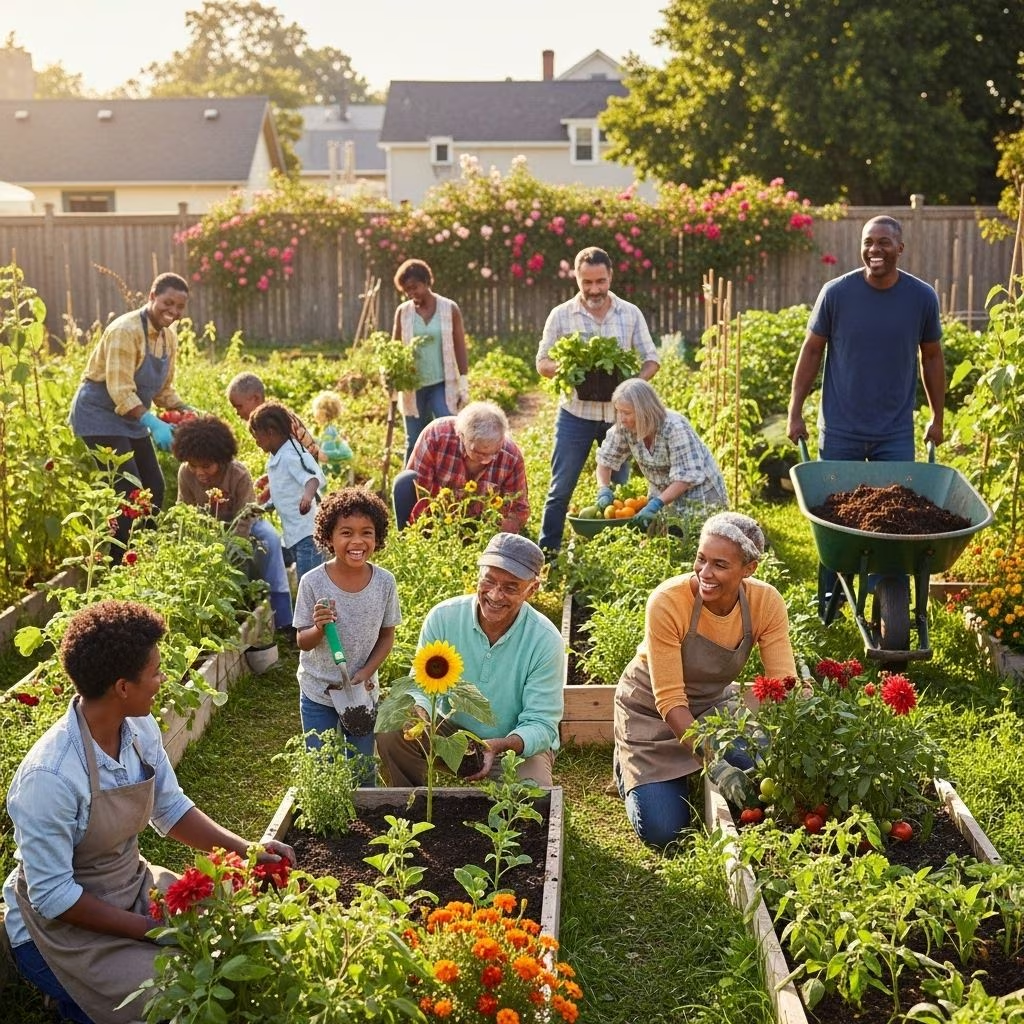
Introduction to Community Gardening
Community gardening is a vibrant way to bring people together, fight food insecurity, and beautify public spaces. These gardens not only provide a space for individuals to grow their own fruits and vegetables but also serve as hubs for social interaction and environmental stewardship.
## Benefits of Community Gardening### Social BenefitsCommunity gardens offer a unique opportunity for people to connect with their neighbors and build relationships. Gardening together breaks down barriers like language and socio-economic differences, creating a sense of unity and belonging. Participants often report reduced feelings of loneliness and increased social connections, which are crucial for mental health.### Environmental BenefitsThese gardens play a significant role in environmental conservation. By using sustainable practices like composting and rainwater harvesting, community gardens help reduce urban pollution and promote biodiversity. They also provide educational opportunities for learning about ecological systems and sustainable living.### Economic BenefitsCommunity gardens can help address food insecurity by providing fresh produce to those who may not have access to it otherwise. This not only improves nutrition but also supports local food systems, which can boost local economies.## Designing a Community Garden### Permaculture PrinciplesSome community gardens adopt permaculture principles to maximize their environmental impact. Permaculture involves designing systems that are self-sustaining and integrate multiple functions, such as food production and habitat creation. This approach encourages gardens to mimic natural ecosystems, enhancing biodiversity and resilience.### Cooperative ManagementMany community gardens operate under a cooperative model, where members work together to manage the space without individual plots. This model encourages collaboration and shared responsibility, fostering a strong sense of community among gardeners.## Establishing a Community GardenStarting a community garden requires careful planning and engagement with the local community.- Identify a Location: Look for underutilized urban spaces that can be transformed into gardens.- Build Partnerships: Collaborate with local organizations, schools, and government agencies to secure resources and support.- Engage the Community: Involve potential gardeners in the planning process to ensure the garden meets local needs and interests.## Examples of Successful Community Gardens### ICT TreehuggersThe ICT Treehuggers project in Wichita is an example of how community gardens can transform neglected spaces into thriving community hubs. They organize regular gardening sessions and social events, bringing people together and promoting environmental justice.### Guerrilla GardenersIn Capitol Hill, Washington D.C., guerrilla gardeners have been transforming neglected public spaces into vibrant gardens without permission. Despite their unconventional approach, these gardeners have gained recognition and support from local authorities, highlighting the potential for grassroots initiatives to drive positive change.## Challenges Facing Community GardensDespite their benefits, community gardens often face challenges such as finding suitable locations, securing funding, and sustaining long-term engagement. Addressing these challenges requires innovative solutions and collaborative efforts from both the community and local authorities.## Future of Community GardeningAs urban populations grow and environmental concerns intensify, community gardening is likely to become even more important. It offers a holistic approach to urban planning, combining social interaction, food production, and environmental stewardship. As people become more aware of these benefits, community gardens are poised to play a significant role in shaping healthier, more resilient communities.
Frequently Asked Questions (FAQs)
Q: What are the main benefits of community gardening?
A: Community gardening provides social benefits through building relationships, environmental benefits like promoting biodiversity and reducing pollution, and economic benefits by addressing food insecurity.
Q: How can I start a community garden?
A: Start by identifying a suitable location, building partnerships with local organizations, and engaging with the community to ensure that the garden meets local needs and interests.
Q: What role does permaculture play in community gardens?
A: Permaculture principles help community gardens become more sustainable and resilient by mimicking natural ecosystems and integrating multiple functions like food production and habitat creation.


