


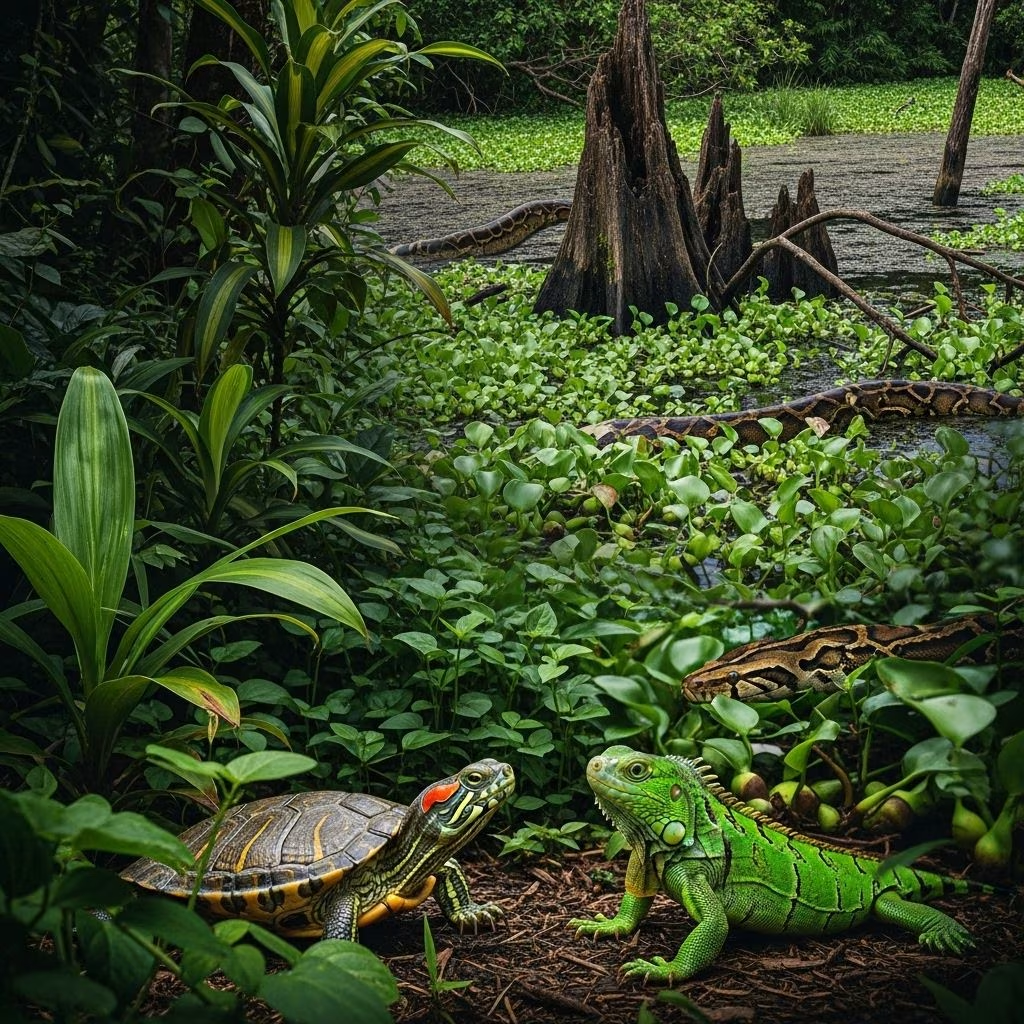
Exotic pets capture the imagination with their rarity, beauty, and novelty, but when these animals are released or escape into the wild, their impact on native ecosystems can be profound and devastating. The intersection of the exotic pet trade and environmental health is a growing, global issue—leading to biological invasions that threaten biodiversity, disrupt ecosystems, and cause long-term ecological and economic harm.
The Appeal and Growth of Exotic Pet Ownership
While cats and dogs continue to dominate as household companions, a significant portion of the pet industry now revolves around ‘exotics’: animals such as reptiles, amphibians, birds, tropical fish, and even small mammals that are not traditionally domesticated. The exotic pet industry is a multi-billion dollar, global market spanning legal trade, unregulated backyard breeding, and black-market smuggling.
- Many exotic animals are marketed as cute, inexpensive, or low-maintenance when young, luring in well-intentioned but unprepared buyers.
- Reptiles, amphibians, and ornamental fish are among the most commonly traded exotics, alongside certain turtles, birds, and mammals.
- The demand for exotic pets has deep roots in human fascination with the rare and unusual, as well as a desire for status or unique companionship.
How Exotic Pets Become Invasive Species
Exotic species become invasive when they establish self-sustaining populations outside their native range and begin to negatively impact local ecosystems. Most often, this process begins with individual pets escaping or, more commonly, being intentionally released into the wild by overwhelmed owners. Key drivers include:
- Underestimation of Growth and Needs: Many animals grow much larger, live much longer, or require more care than initially realized. For example, pythons that start as hatchlings can grow over 18 feet long.
- Financial and Space Constraints: As pets mature, their costs in food, housing, and veterinary care soar.
- Misinformation or Lack of Surrender Options: Without clear guidelines or facilities for surrender, owners may see releasing pets as the only alternative to euthanasia.
- Accidental Escapes: Poor enclosures, natural disasters, or simple negligence can result in escapes.
Once free, if the habitat is suitable, these animals can reproduce and thrive, eventually disrupting the ecological balance of their new homes.
A Cascade of Consequences: Ecological and Economic Impact
Invasive species—whether plants, animals, or pathogens—can fundamentally alter ecosystems. The release of exotic pets is a leading cause in the establishment of such invaders. Consequences include:
- Predation on native wildlife: Many exotics are effective predators with few natural checks in new environments, preying on vulnerable local species.
- Competition for resources: Invasive pets often outcompete native animals for food, nesting sites, and other vital resources.
- Disease transmission: Exotics can introduce novel pathogens to which local fauna lack immunity.
- Disruption of food webs: New predators or grazers can unravel complex ecological relationships built over millennia.
- Significant economic costs: Efforts to control invasive populations and repair ecosystem damage are costly, ongoing, and often only partially effective.
Case Studies: From Pets to Environmental Threats
Burmese Pythons in the Florida Everglades
The Burmese python is perhaps the most notorious example. Native to Southeast Asia, these snakes were imported legally as pets starting several decades ago. Inevitably, as the snakes grew too large to handle, owners began releasing them. Now, breeding populations dominate the Everglades, causing devastating declines in native mammals:
- Raccoon and opossum populations dropped more than 98% since the late 1990s.
- Bobcats declined by nearly 88%. Marsh rabbits, cottontails, and foxes disappeared entirely from affected parts of the park.
- Native birds, reptiles, and even endangered species are now at increased risk.
Efforts to control Burmese pythons have involved removal programs, public hunts, and scientific tracking, but the established population continues to devastate local biodiversity.
Red-Eared Slider Turtles
The Red-eared slider (Trachemys scripta elegans), native to parts of the southern United States, became a global pet phenomenon. Attractive and easy to care for as juveniles, these turtles often outlive the commitment of their owners, who release them into local ponds and streams. Consequences include:
- Becoming one of the world’s most widespread invasive reptiles.
- Outcompeting indigenous turtle species for food and nesting habitat.
- Introducing new diseases into waterways and altering aquatic food chains.
Goldfish and Freshwater Fish
Unwanted goldfish and other aquarium fish species are often released into lakes, ponds, and rivers. These species may quickly adapt, reproduce, and severely disturb the aquatic ecosystem:
- Goldfish uproot aquatic vegetation, stir up sediments, and compete with native fish for food.
- Other invaders, such as the zebra mussel (sometimes introduced via “moss balls” in aquariums), can clog waterways and damage infrastructure.
Other Notable Examples
- Lantana camara – Originally brought as a decorative shrub, it now dominates many habitats, notably in India, and disrupts native plant communities.
- Kudzu Vine – Imported for erosion control and ornamental use, it has transformed landscapes in the southern U.S., famously dubbed ‘the vine that ate the South.’
Why the Problem Persists: Social and Psychological Factors
The persistence of this ecological problem is rooted in several social and psychological dynamics:
- Impulse buying: People often purchase exotic pets based on appearance, novelty, or low upfront costs, rarely considering the lifetime commitment, needs, or risks.
- Insufficient regulation: Many exotic animals are easily acquired with little oversight or mandatory education for buyers.
- Lack of rehoming resources: Humane, accessible alternatives to release—such as rescue programs and adoption agencies—are too rare or poorly publicized.
- Misinformation: Owners may underestimate the ecological consequences of releasing non-native pets or mistakenly believe it is harmless or humane.
Preventative Strategies and Solutions
Addressing the invasive species crisis resulting from released pets requires coordinated action at the personal, institutional, and governmental levels:
- Education before purchase: Providing clear, accessible information on the growth, lifespan, and needs of exotic species can help dissuade ill-informed purchases.
- Legislation and regulation: Enforcing stricter laws around the sale, ownership, and import of exotic species reduces the risk of accidental or intentional release.
- Surrender and rehoming programs: Establishing safe, easy-to-access facilities or campaigns for pet hand-over lessens the incentive to release animals to the wild.
- Public awareness campaigns: Sharing stories of ecological harm and invasive outbreaks builds community responsibility.
- Monitoring and rapid response: Early detection and swift intervention can eradicate emerging populations before they become established.
Many experts argue prevention is dramatically less expensive and more effective than control or eradication after establishment.
Responsible Pet Ownership: What Can Individuals Do?
Anyone considering or currently owning an exotic pet can help protect ecosystems by following these guidelines:
- Research before you buy: Learn about the animal’s adult size, lifespan, habitat, diet, and legal status.
- Commit to long-term care: Evaluate your capacity to provide for the animal throughout its life—including costs, requirements, and possible changes in your circumstances.
- Never release pets: Find alternatives such as surrendering to a rescue or participating in buy-back/take-back events if you cannot continue caring for the animal.
- Spread the word: Educate friends, family, and your community about the risks associated with releasing exotic pets.
Frequently Asked Questions (FAQs)
What is an invasive species?
An invasive species is a non-native organism that establishes a self-sustaining population outside its natural range and causes ecological, economic, or human health harm, often outcompeting native species and disrupting local ecosystems.
Why do people release exotic pets into the wild?
Owners may release pets because the animals outgrow their expectations, become too difficult or expensive to maintain, or due to a lack of awareness about the risks and limited resources for rehoming alternatives.
What are the environmental impacts of released exotic pets?
Released pets can establish invasive populations that prey on or compete with native species, disrupt food webs, introduce diseases, and, in extreme cases, drive local species to extinction.
Is it illegal to release exotic pets into the wild?
In many regions, it is illegal to release non-native species into the wild due to their potential to harm native environments. Laws vary by species and location, and breaking them can result in serious penalties.
How can I safely rehome an unwanted exotic pet?
Consult local animal shelters, exotic pet rescues, wildlife organizations, or government agencies. Many areas offer amnesty programs, buy-backs, or designated drop-off events for unwanted pets.
Key Takeaways
- The trade and unintentional release of exotic pets is a primary driver of the global invasive species crisis.
- High-profile cases like Burmese pythons and red-eared sliders highlight the devastating potential of pet releases on local ecosystems.
- Personal responsibility, education, and community action are crucial for preventing future environmental harm.
Protecting biodiversity starts at home. By choosing pets wisely, committing to their long-term care, and advocating for environmental stewardship, individuals can help curtail the spread of invasive species and safeguard our planets’ ecological heritage.
References
- https://www.glerl.noaa.gov/blog/2023/08/16/from-interesting-pet-to-invasive-species-the-dangers-of-releasing-exotic-plants-and-animals-into-the-wild/
- https://www.rutgers.edu/news/exotic-pets-most-popular-are-also-most-likely-be-released-wild
- https://news.wildlifesos.org/exotic-pets-and-a-deep-dive-into-luxury-wildlife-trade-and-invasive-species/
- https://biodiversity.utexas.edu/news/features/pets-invasive-species-amphibians-and-reptiles
- https://www.ifaw.org/journal/exotic-pets-alien-species-concern
- https://www.youtube.com/watch?v=mUjK79jXim0


