


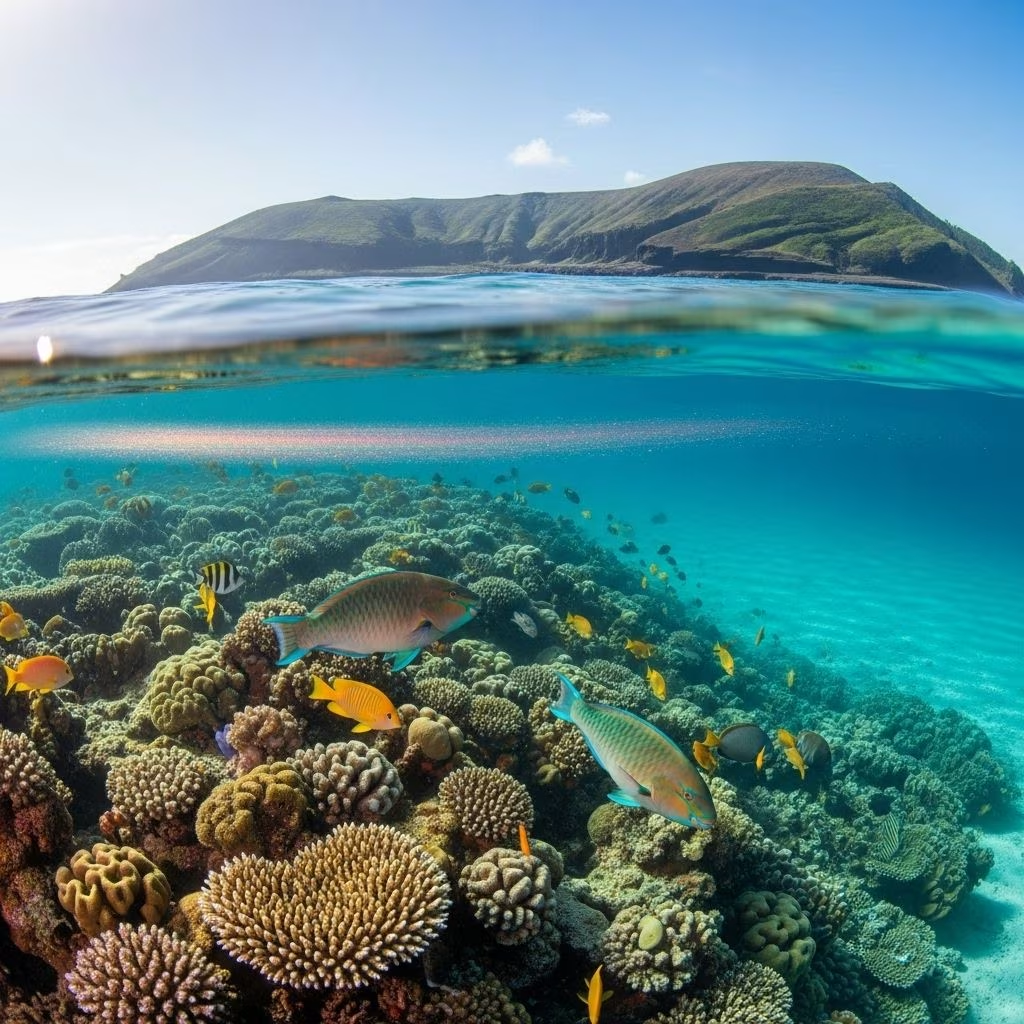
Sunscreen Pollution Threatens Hawaii’s Hanauma Bay
Hanauma Bay, a stunning marine life conservation area and one of Hawaii’s most iconic natural landmarks, faces an alarming threat: pollution from chemical sunscreens. Despite bans and growing awareness, the unique structure of the bay, combined with high tourist traffic and environmental blind spots, means that the peril to coral reefs and marine life is far from over.
Why Hanauma Bay Matters
Located on Oahu’s southeastern shore, Hanauma Bay is a volcanic crater flooded by the Pacific, harboring a delicate coral reef ecosystem. The bay is a major draw for snorkelers and nature lovers worldwide, with pre-pandemic visitation exceeding 3,000 to 10,000 tourists daily. Its adaptive management as a protected area is considered a model for marine conservation, but this popularity comes with steep environmental costs.
- High Biodiversity: The bay is home to dozens of native fish species, endangered Hawaiian monk seals, and green sea turtles.
- Fragile Ecosystem: The enclosed nature of the bay causes pollutants to persist longer than in open waters, amplifying their ecological effects.
- Tourism Pressure: Past decades have seen enormous surges in visitor numbers, compounding human impact.
The Science Behind Sunscreen Pollution
Sunscreen pollution is driven by chemical compounds, especially oxybenzone and octinoxate, used to absorb ultraviolet rays. As swimmers, snorkelers, and sunbathers flock to the bay, these substances wash off skin and clothing, entering marine environments both directly and via runoff from beach showers and facilities.
How Does It Enter the Water?
- Direct Transfer: Tourists swimming, wading, or snorkeling with sunscreen applied wash chemicals directly into the bay.
- Beach Showers: Showers near beaches, intended to rinse off salt and sand, also wash sunscreen residues into the sand and water, where they leach into the ocean.
- Runoff from Urban Areas: Rainfall and irrigation can carry sunscreen residues from inland areas into coastal zones.
Persistence and Accumulation
Research shows that even a single day’s worth of sunscreen pollution can linger in Hanauma’s waters for over two days due to its volcanic walls. This retention means pollution accumulates rapidly with each new wave of visitors, leaving little chance for natural dilution or removal.
Toxic Effects on Coral and Marine Life
| Chemical Compound | Main Environmental Impact | Species Affected |
|---|---|---|
| Oxybenzone | DNA damage, coral bleaching, interferes with coral larvae development | Corals, fish, invertebrates, sea turtles, monk seals |
| Octinoxate | Hormonal disruption, coral bleaching, deformities in marine larvae | Corals, tropical fish, aquatic invertebrates |
| Other UV Filters | Bioaccumulation, chronic toxicity in marine food webs | Various marine organisms |
Oxybenzone and octinoxate are particularly notorious for:
- Promoting coral bleaching, a process where corals expel their symbiotic algae and lose color, often leading to death
- Damaging coral DNA and interfering with reproduction
- Hampering coral larvae’s ability to settle and grow, stunting future reef formation
- Affecting the health of endangered sea turtles, monk seals, and other marine life that depend on the reef
Beyond Hanauma: A Global Pollution Problem
Hanauma Bay’s problems are far from unique. The impact of sunscreen-derived UV filters is now recognized on a global scale, affecting coral reefs from the Caribbean to the South Pacific, and even remote areas like the Arctic. UV filters are detected in all marine environments, and with 25% of applied sunscreen washing off during one swim, a single busy beach can deposit upwards of 35 kg of these chemicals daily.
Wastewater and Beach Showers: Unseen Pathways
While direct swimmer contamination is significant, research has highlighted two overlooked sources:
- Beach Showers: A 2022 study verified that sand and water near Hanauma’s showers showed highly elevated sunscreen residues. The trend directly correlated with high tourist numbers, demonstrating the compounding effect of human habits.
- Wastewater Effluent: Conventional sewage treatment is unable to remove many UV filter chemicals, meaning they are released back into the environment. In coastal zones, this effluent can enter the marine ecosystem through outfalls or run-off.
- Recycled Water in Agriculture: Use of biosolids and recycled water as fertilizer can transfer these pollutants back into watersheds, further complicating management efforts.
This multifaceted problem means that even ‘reef-safe’ behavior by individuals may not be sufficient if systemic pathways remain unchecked.
Public Health and Human Exposure
While the main focus is on marine life, sunscreen chemicals also pose emerging questions for human health:
- Molecules like oxybenzone are detectable in humans after topical application, raising questions about long-term exposure and hormonal effects.
- Communities depending on coastal waters for food may be at risk if fish and shellfish accumulate these substances.
- Further research is needed to understand chronic, low-level exposure in both people and non-target species.
Legislative Action and Policy Shifts
Landmark Ban on Chemical Sunscreens
Responding to the crisis, Hawaii became the first U.S. state to pass a landmark ban on the sale of sunscreens containing oxybenzone and octinoxate, effective January 1, 2021. The legislation was spearheaded by scientists, environmental groups, and community advocates. The goal: to reduce the chemical load on reef ecosystems significantly.
- More U.S. states and countries are considering similar legislation.
- There is growing encouragement for travelers to use mineral-based ‘reef-safe’ sunscreens that utilize non-nanotized zinc oxide or titanium dioxide.
- The National Academies of Sciences have called for ongoing ecological risk assessments and stricter regulation where needed.
Are Mineral and Reef-Safe Sunscreens Truly Safe?
Not all ‘reef-safe’ sunscreens are created equal. While mineral-based products using non-nanotized zinc oxide and titanium dioxide are generally considered safer, concerns persist over nano-sized particles’ effects on marine life, as well as the full lifecycle environmental impact of large-scale adoption. Labeling alone is insufficient; robust independent testing is required to validate safety claims.
Best Practices for Sun Protection and Marine Conservation
- Wear protective clothing, hats, and sunglasses: Physical barriers reduce the need for sunscreen.
- Use mineral-based, non-nano sunscreen: Avoid chemical UV filters such as oxybenzone, octinoxate, and avobenzone.
- Avoid peak sun hours: Limit sun exposure from 10 am to 4 pm.
- Shower before entering protected waters: Rinse off any residual sunscreen, lotion, or cosmetics prior to swimming.
- Support legislation: Advocate for local bans on harmful chemicals and increased marine protection funding.
Ongoing Research and Critical Knowledge Gaps
Comprehensive studies examining the chronic effects of low-level sunscreen exposure on marine food webs are still emerging. Scientists urge:
- Long-term monitoring of coral health in areas with varying tourism pressure
- Research into the effects on sensitive life stages, such as coral larvae and juvenile fish
- Better understanding of interactions between sunscreen pollution and other environmental stressors such as warming and acidification
- Improved wastewater treatment and pollution mitigation technologies
Without urgent action and continued research, sunscreen pollution is likely to compound existing threats to ocean health globally.
Community Involvement: The Key to Hanauma’s Future
Efforts at Hanauma Bay offer a blueprint for community-driven stewardship. Partnerships between government, scientists, nonprofit organizations, and local champions have been essential in:
- Educating visitors about reef-safe behaviors
- Monitoring water quality and pollutant levels
- Lobbying for state and local protective legislation
- Encouraging alternative tourism models that emphasize ecological sensitivity
Frequently Asked Questions (FAQs)
Q: Why are oxybenzone and octinoxate so harmful for coral reefs?
A: These chemicals damage coral DNA, promote bleaching, inhibit growth and larvae development, and bioaccumulate in marine food chains, leading to mass coral decline.
Q: Is swimming without sunscreen a safe choice?
A: Physical sun protection through clothing and shade is the safest alternative for both humans and the reef. If sunscreen is needed, opt for non-nano mineral formulas that are proven to be reef-safe.
Q: What else can visitors do to help protect Hanauma Bay?
A: Follow posted guidelines, rinse off before entering the water, avoid wearing cosmetics or sprays that contain UV filters, and support conservation efforts through responsible tourism and advocacy.
Q: Are there alternatives to chemical sunscreens that really work?
A: Yes, broad-spectrum mineral sunscreens containing only non-nanotized zinc oxide or titanium dioxide provide effective UV protection and are much less harmful to the environment.
Q: How can policy changes make a difference?
A: Legislation banning harmful chemicals has already reduced pollution in Hawaii’s bays and influenced global markets. Supporting these measures helps drive innovation in safer sun protection while ensuring long-term marine ecosystem health.
Conclusion: The Way Forward
Protecting Hanauma Bay and other treasured marine environments requires a combination of policy, education, scientific research, and responsible tourism. While bans on specific chemicals are a critical step, comprehensive management—including improved waste treatment, ongoing monitoring, and shifting social attitudes toward ‘reef-safe’ behavior—is essential for the health of Hawaii’s reefs and the biodiversity they support.
References
- https://coastalscience.noaa.gov/news/oxybenzone-sunscreen-threatens-hanauma-bays-coral-reefs/
- https://friends-of-hanauma-bay.mystagingwebsite.com/portfolio/sunscreen-pollution/
- https://oceanographicmagazine.com/news/impact-of-sunscreens-on-marine-life-needs-urgent-investigation/
- https://www.sciencepolicyjournal.org/article_1038126_jspg240106.html
- https://pml.ac.uk/news/sunscreens-potential-impact-on-marine-life-needs-urgent-investigation-new-study-reveals/
- https://phys.org/news/2025-02-sunscreen-potential-impact-marine-life.html


