


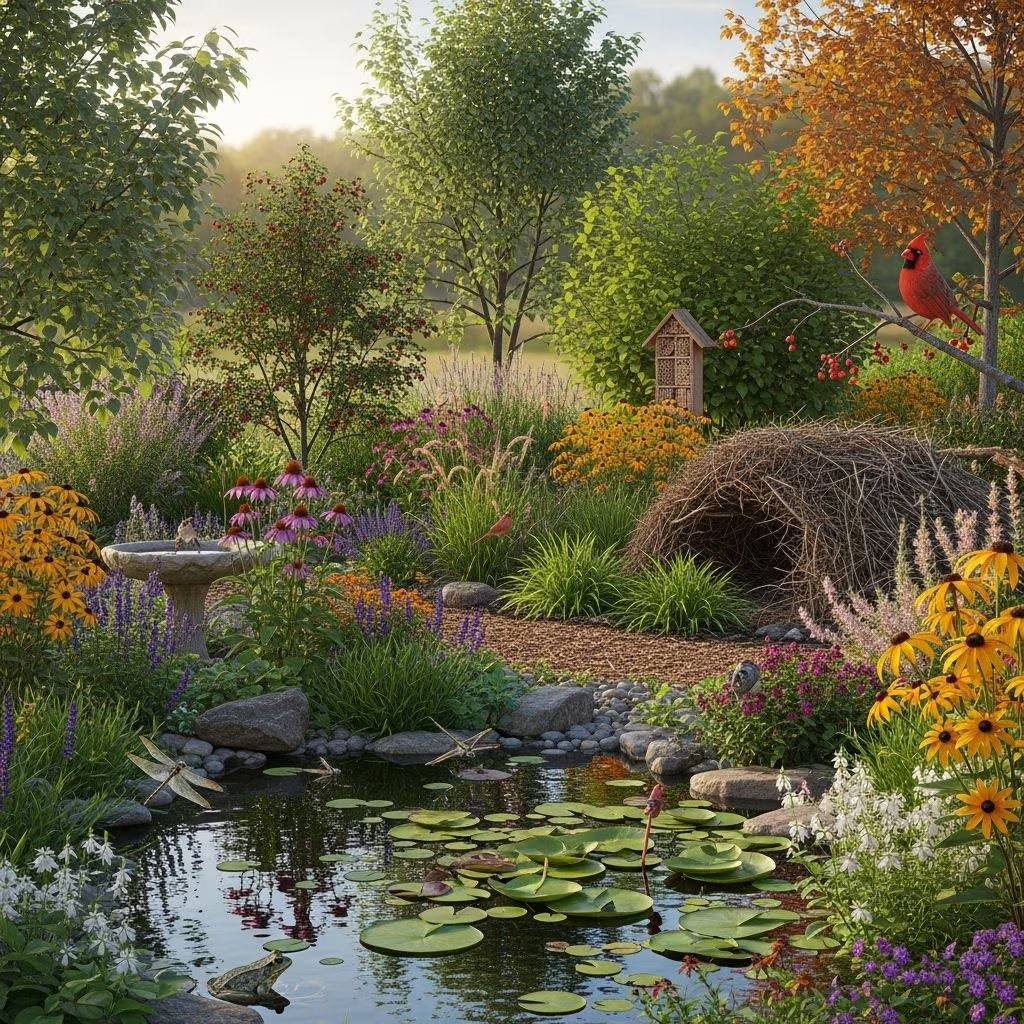
How to Create a Certified Wildlife Habitat
Wildlife faces increasing threats from habitat loss, urban expansion, and environmental changes. Transforming your outdoor spaces into a Certified Wildlife Habitat not only supports local biodiversity, but also promotes a thriving, resilient ecosystem that benefits both wildlife and humans. This guide explores the core principles and steps for turning any yard, garden, or shared green space into an officially recognized sanctuary for wildlife.
Why Create a Certified Wildlife Habitat?
Designing and certifying a wildlife habitat brings a multitude of ecological and personal rewards:
- Boosts Biodiversity: Native plantings and wildlife-friendly features attract and support a variety of birds, pollinators, insects, amphibians, and small mammals.
- Supports Native Species: Creating habitat corridors can ease the negative effects of fragmented landscapes.
- Sparks Environmental Stewardship: Certified habitats can inspire neighbors and communities to adopt more sustainable land practices.
- Educational Opportunities: These gardens are living classrooms, ideal for teaching children and adults alike about ecology and conservation.
- Personal Enjoyment & Wellbeing: Watching wildlife thrive in your garden can be deeply rewarding and connect you intimately to the natural world.
The Five Basic Elements of a Certified Wildlife Habitat
The National Wildlife Federation (NWF) established five essential elements that every certified wildlife habitat must provide. Whether your project is a backyard, apartment patio, schoolyard, or urban plot, these fundamentals remain the same.
1. Food Sources
Wildlife needs reliable food available year-round. Your habitat must include at least three distinct types of food sources. Native plants are vital because they offer natural sustenance tailored to local wildlife. Key food sources include:
- Native Plants: Trees, shrubs, flowers, and grasses provide seeds, fruits, nectar, pollen, and foliage that local wildlife require.
- Berries and Seeds: Species like sunflowers or beautyberry offer nutrition to birds and small mammals.
- Nectar and Pollen: Flowering plants support butterflies, bees, and hummingbirds throughout the growing season.
- Fruits and Nuts: Trees such as pecan and plum nourish squirrels, foxes, and many bird species.
- Sap and Leaf Litter: Oaks and other trees produce sap consumed by insects; leaf litter supports decomposers and provides cover for ground-dwellers.
- Host Plants: Certain native plants, like milkweed, are essential for caterpillars and specialist insects throughout their life cycles.
Supplemental food sources (used alongside natural plantings) can include:
- Bird feeders offering seeds, suet, or nectar
- Squirrel feeders
- Butterfly feeders
- Hummingbird feeders
Note: While feeders play an important role, the focus should remain on natural, plant-based nutrition tailored to local species.
2. Water Sources
All animals need water to survive. Certified wildlife habitats require at least one water source, which can be as simple or elaborate as your space allows. Good options include:
- Birdbaths: Regular cleaning prevents the spread of disease and mosquito breeding.
- Small Ponds or Water Gardens: Attract frogs, dragonflies, and birds; essential for amphibians.
- Streams or Creeks: Natural or constructed, they provide continuous moisture for a variety of wildlife.
- Rain Gardens: Collect runoff and double as pollinator habitat.
- Shallow Dishes or Containers: Placed on balconies or patios for insects, birds, or mammals.
Ensure that water is always clean, and replenish it regularly. Adding rocks or sticks helps smaller animals access water safely.
3. Cover & Shelter
Wildlife need places to hide from predators, shelter from harsh weather, and rest. Certified habitats require at least two types of cover features:
- Dense Shrubs & Thickets: Provide instant concealment for birds, rabbits, and other creatures.
- Trees (Evergreen and Deciduous): Offer year-round structure for a range of species.
- Brush Piles & Log Piles: Made from pruned branches or yard debris, these attract reptiles, amphibians, and insects.
- Rock Piles or Stone Walls: Create cool, secure hiding spaces for amphibians and small mammals.
- Meadows & Tall Grass: Taller plantings give ground birds and insects cover to thrive.
- Man-made shelters: Install bird houses, bat boxes, or toad abodes where natural options are limited.
4. Places to Raise Young
Wildlife need safe, supportive environments to breed and raise their offspring. Certified habitats must include at least two features suitable for nurturing young:
- Mature Trees & Shrubs: Birds, squirrels, and pollinators nest in branches or hollows.
- Host Plants for Caterpillars: Vital for butterflies such as monarchs, which lay eggs exclusively on milkweed.
- Nesting Boxes or Houses: Support cavity-nesting species unable to find natural sites.
- Wetlands or Water Gardens: Required for aquatic-breeding frogs, toads, and dragonflies.
- Leaf Litter, Brush Piles, or Logs: Many amphibians and insects lay eggs in soil or decomposing vegetation.
- Dense Hedge Rows or Thickets: Shelter young from predators and harsh conditions.
5. Sustainable Gardening Practices
Sustainability is a cornerstone of certified habitats. The NWF requires at least two sustainable practices for certification (ideally one from each of three broad categories):
| Category | Examples of Practices |
|---|---|
| Soil & Water Conservation |
|
| Control of Exotic/Invasive Species |
|
| Organic (Chemical-Free) Methods |
|
Emphasize native plants (ideally 50-70% of your landscape), minimize chemicals, and model ecological balance to protect pollinators and vulnerable wildlife species.
Selecting and Planting Native Species
Native plants form the backbone of every certified wildlife habitat, offering food, shelter, and breeding sites tailored to local wildlife. When choosing plants:
- Consult native plant societies, extension services, or online plant databases for region-specific species.
- Select a diverse mix of trees, shrubs, perennials, wildflowers, grasses, and groundcovers.
- Design for continuous bloom throughout the season to ensure year-round nectar and pollen.
- Avoid double-flowered cultivars, which may be visually appealing but often lack nectar and pollen.
- Consider replacing some lawn areas with mixed plantings, meadows, or prairie pockets.
Step-by-Step: Certifying Your Wildlife Habitat
After creating all required habitat elements and adopting sustainable practices, you can apply for official certification from the National Wildlife Federation.
- Assess Your Space: Use the NWF’s Habitat Essentials Checklist to ensure all requirements are satisfied (food, water, cover, places to raise young, and sustainable practices).
- Document Your Habitat: Take photographs and note your plant choices and habitat features (this will aid your application).
- Apply Online: Visit the National Wildlife Federation website and complete the certification form. Supply requested information about your yard, features, plants, and conservation practices.
- Pay the Fee: There is a standard application fee (currently around $20-$25, supporting NWF’s habitat work).
- Display Your Credentials: Once approved, you’ll receive a Certified Wildlife Habitat certificate and the option to purchase a yard sign to showcase your commitment.
Tip: Certification applies to nearly any type of property—home yards, balconies, schools, parks, businesses, and places of worship.
Maintaining and Evolving Your Habitat
- Regularly monitor plants and habitat features. Remove invasive species as they appear.
- Refresh water sources to prevent stagnation and disease.
- Replenish mulch and compost to maintain soil health.
- Supplement plantings to add seasonal diversity, boosting food and shelter options.
- Continue learning and adapting by observing what species use your habitat most.
Common Mistakes and How to Avoid Them
- Overreliance on Feeders: Feeders are beneficial but cannot replace native plants and natural ecological function.
- Too Much Lawn: Lawns support very little wildlife. Replace as much as possible with beds of native flowers, shrubs, and grasses.
- Using Chemicals: Synthetic fertilizers, pesticides, and herbicides harm beneficial insects and birds. Opt for organic solutions.
- Poor Plant Selection: Avoid non-native, ornamental, or invasive plants that disrupt local ecosystems.
Sample Planting Plan for a Small Garden
| Type | Recommended Choices | Benefits |
|---|---|---|
| Trees | Red maple, serviceberry, oak, willow | Provide shelter, nesting sites, acorns, and berries |
| Shrubs | Elderberry, viburnum, blueberry | Cover, berries, nesting for songbirds |
| Perennials/Wildflowers | Milkweed, purple coneflower, goldenrod | Host plants, nectar, pollen, attract pollinators |
| Grasses | Little bluestem, switchgrass | Cover for birds, supports insects |
Frequently Asked Questions (FAQs)
What size yard do I need to qualify?
There is no minimum or maximum size. Certification depends on meeting habitat requirements, not property dimensions. Even apartment balconies can qualify if all elements are provided.
Can I use non-native plants?
While you may include some ornamentals, strive for at least 50-70% native plant cover. Native species have far greater benefits for local wildlife and ecosystem health.
How much does it cost to certify my habitat?
The National Wildlife Federation charges a nominal certification fee (typically $20-$25), which supports conservation work nationally and locally.
Will a certified habitat attract pests?
Healthy, balanced habitats rarely suffer pest outbreaks. Native predators (birds, toads, beneficial insects) manage pest populations naturally without chemicals.
How can I get my community involved?
Start a local wildlife gardening club, organize habitat tours, or work with schools for larger community-wide certification projects. Neighborhoods and towns can earn community-level recognition.
Are there ongoing requirements after certification?
Maintenance is encouraged to ensure habitats remain functional and beneficial. Renew native plantings, keep water clean, and continue sustainable gardening practices.
Additional Resources
- National Wildlife Federation’s Certified Wildlife Habitat program
- Regional native plant societies and extension offices
- Invasive species awareness and management programs
- Online plant and wildlife databases for your state or region
Transforming your green space into a Certified Wildlife Habitat is an impactful way to support the planet, connect with nature, and enjoy the beauty of a living, breathing landscape. Every property, no matter how small, can help reverse habitat loss and restore critical links in the web of life.
References
- https://savetarrantwater.com/creating-a-certified-wildlife-habitat/
- https://www.redfin.com/blog/certified-wildlife-habitat/
- https://www.nwf.org/-/media/PDFs/Garden-for-Wildlife/Certified-Wildlife-Habitat/NWF_Garden-Certification-Checklist.pdf
- https://www.nwf.org/Native-Plant-Habitats/Create-and-Certify
- https://backyardhabitats.org/certification-criteria/
- https://certifiedwildlifehabitat.nwf.org
- https://ncwf.org/our-work/garden-for-wildlife/certified-wildlife-habitat/
- https://www.nwf.org/Native-Plant-Habitats/Create-and-Certify/At-Home


