


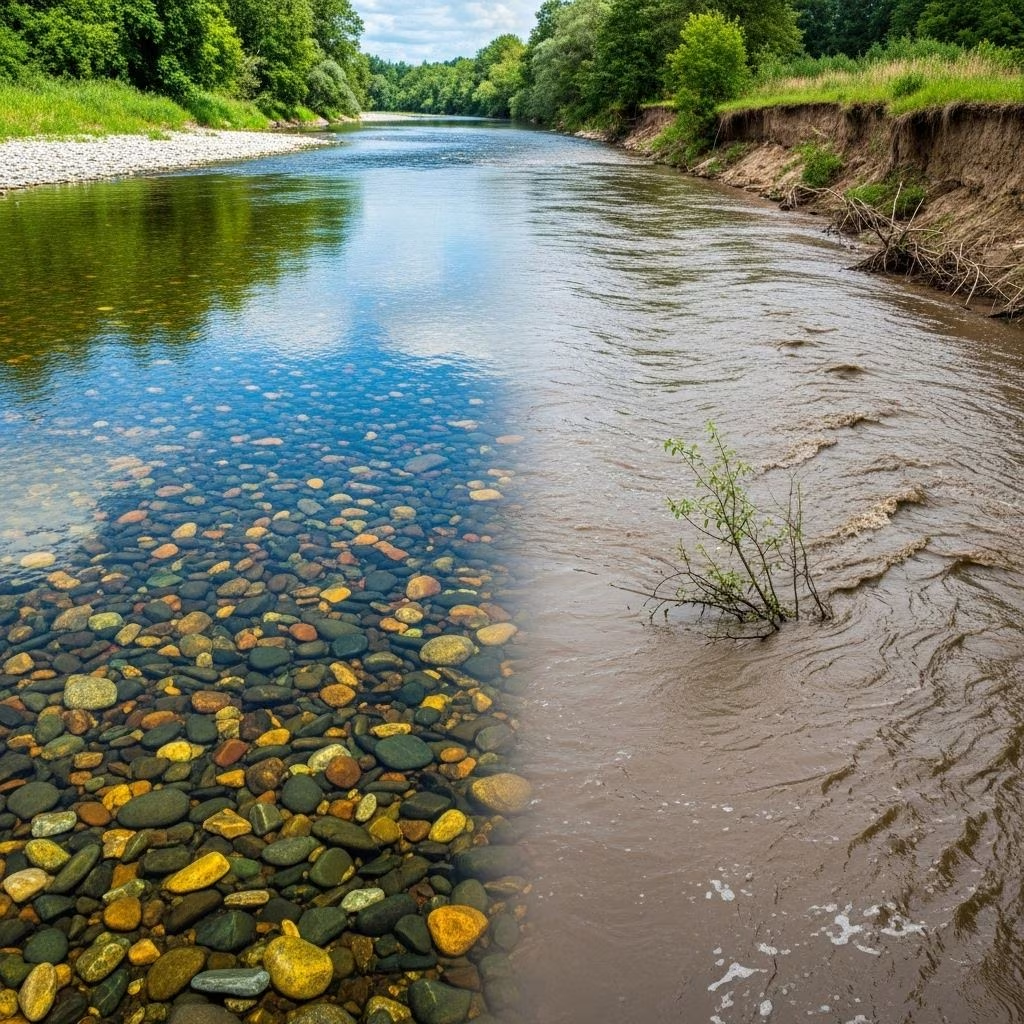
What Is Sediment Pollution?
Sediment pollution is the process by which loose particles of soil, sand, and minerals—created most often by the erosion of land—are washed or blown into water bodies, especially through rainfall and stormwater runoff. Although sediment is a natural component in aquatic systems, excessive accumulation from human activities drastically alters water quality and disrupts aquatic life.
Sources of Sediment Pollution
The primary contributors to sediment pollution originate from both natural processes and human activities. Recognizing these sources is essential for understanding and addressing the problem.
- Surface Erosion: Raindrops strike bare or poorly vegetated soil with enough force to detach soil particles, especially during heavy or prolonged rainfall. The resulting runoff picks up and carries these particles into nearby streams and lakes.
- Construction Activities: Areas disturbed for building roads, homes, and commercial properties often lack protective ground cover, leading to large amounts of exposed soil susceptible to erosion and runoff.
- Agricultural Operations: Plowed fields and overgrazed pastures lose vegetation that would otherwise hold soil in place, leading to run-off laden with sediment when it rains.
- Deforestation and Logging: The removal of trees and underbrush exposes soil surfaces, making them vulnerable to erosion.
- Stream Channel Modification: Straightening or altering natural stream courses, lining them with concrete, or installing culverts can increase the speed and volume of water flow. This agitates streambanks and beds, causing more sediment to be suspended and transported downstream.
- Industrial Sites and Mining: Mining exposes large areas of bare earth, and runoff from spoil piles or tailings can extend sediment issues for miles. Industrial sites without erosion controls contribute similarly.
- Unpaved Roads and Trails: Poorly maintained roads, especially in rural or forested areas, produce chronic sources of sediment each time it rains.
The Process of Erosion and Sediment Transport
Erosion is a natural process but is greatly exacerbated by human activity. Sediment typically enters water systems through several pathways:
- Sheet Flow: Initial rainfall spreads out thinly across the surface, detaching and transporting soil particles simultaneously.
- Rills and Gullies: As sheet flow concentrates, it forms small channels (rills) or larger cuts (gullies), increasing the sediment-carrying capacity of water.
- Bank and Channel Erosion: Modification of waterways and their banks for flood protection or land use further destabilizes sediments, releasing even more soil into streams and rivers.
- Flood Events: Sudden, heavy rainfall can wash huge quantities of sediment from urban and agricultural landscapes in a short time, sometimes increasing sediment loads by orders of magnitude for days or weeks following the event.
Types of Sediment Found in Waterways
- Suspended Sediments: Fine particles of silt, clay, and organic matter that remain floating in water, giving it a cloudy or muddy appearance (turbidity).
- Bedload Sediments: Larger particles, like gravel or pebbles, that roll or bounce along the streambed rather than being carried in suspension.
- Depositional Sediments: Sediment that settles out of the water column and accumulates on the bed of the water body, often blanketing habitats below.
How Sediment Affects Water Quality
When sediment pollution occurs, it alters physical, chemical, and biological aspects of waterways:
- Increased Turbidity: Too many suspended particles cause water to look opaque and muddy. High turbidity reduces light penetration, inhibiting photosynthesis in aquatic plants and decreasing oxygen levels.
- Temperature Increases: Dark, turbid water absorbs more sunlight, raising temperatures, which can be lethal for cold-water fish species.
- Nutrient and Pollutant Transport: Sediment is a carrier for other pollutants, including phosphorous, nitrogen, heavy metals (lead, mercury), pesticides, bacteria, and organic chemicals. These contaminants adhere to the surface of sediment particles, traveling further and persisting longer in the ecosystem.
- Clogging of Water Intakes: Municipal and industrial water treatment facilities face greater challenges and higher costs treating water with high sediment and associated pollutants.
Impact of Sediment on Aquatic Life
Excessive sediment harms rivers, lakes, wetlands, and their inhabitants in many ways:
- Habitat Destruction: Sediment smothers the spaces between rocks and gravel used by fish and aquatic insects for shelter, feeding, and laying eggs.
- Oxygen Depletion: As sediment settles, it decreases oxygen in bottom waters, stressing or killing organisms that rely on clean, oxygen-rich substrates.
- Reduced Species Diversity: Sensitive species, especially those that need clear, clean water to reproduce, are often replaced by more tolerant organisms, resulting in a less balanced ecosystem.
- Impaired Feeding and Growth: Many species, such as trout and bass, rely on sight for hunting. Turbid water impedes their ability to feed, stunting population growth and diversity.
- Bioaccumulation of Toxins: Pollutants attached to sediment can be ingested by bottom-dwelling creatures, entering the food chain and concentrating up to higher trophic levels, including humans.
Human Health and Economic Impacts
- Drinking Water Treatment Costs: Treating sediment-laden water for human consumption requires more advanced—and expensive—filtration and disinfection processes.
- Flood Risk: Accumulated sediment can reduce the depth and flow of water bodies, increasing the risk of flooding during heavy rain events.
- Navigation and Recreation: Sediment accumulation in harbors, lakes, and boating channels restricts water traffic and diminishes the value of recreational waters, impacting tourism and local economies.
Global and Regional Patterns
Sediment pollution is a worldwide phenomenon, but some regions and countries are more acutely affected due to intensive agriculture, rampant deforestation, unregulated construction, and inadequate water management policies. Research confirms a global rise in sediment loads corresponding to these human activities. Studies indicate torrential rain events, exacerbated by climate change, can dramatically increase sediment and nutrient runoff, amplifying pollution episodes and threatening coastal and marine environments with heavy loads of nitrogen, phosphorus, and organic material.
Solutions: Preventing and Controlling Sediment Pollution
Comprehensive management strategies are essential to combat sediment pollution effectively. These approaches include engineering, policy, education, and restoration.
- Erosion Control: Plant cover crops, trees, and grasses to shield bare soil. Install silt fences, terracing, and buffer strips around construction and agricultural sites to minimize runoff velocity and soil loss.
- Stormwater Management: Use retention ponds, wetlands, and rain gardens to slow and capture stormwater, allowing sediment to settle before entering natural waterways.
- Sustainable Farming Practices: Implement conservation tillage, contour farming, and rotational grazing to reduce plowing and soil disturbance, minimizing sediment movement from fields to streams.
- Streambank Protection: Use natural materials, such as native vegetation and biodegradable mats, to reinforce streambanks and prevent their collapse into the waterway.
- Urban Planning and Construction: Require and enforce erosion and sediment control plans for all new development. Limit unnecessary clearing and grading of land.
- Dredging and Restoration: In heavily impacted areas, periodic removal of excess sediment and restoration of natural streambeds and banks help restore normal flow, habitat, and water quality.
- Legislation and Policy: Enforce existing regulations like the Clean Water Act, encourage best management practices, and develop new policies tailored to current sediment challenges.
- Public Education: Raise awareness about responsible land use, the importance of keeping construction sites covered, and the necessity of proper waste disposal to minimize sediment pollution.
Frequently Asked Questions About Sediment Pollution
What makes sediment pollution worse than natural sedimentation?
While all flowing waters naturally contain some sediment, pollution occurs when human actions accelerate soil erosion and sediment delivery beyond what local ecosystems can absorb. Excessive sediment brings more pollutants, reduces biodiversity, and increases treatment costs—and these impacts often persist for decades.
Is sediment pollution only a concern in rural or agricultural areas?
No. Urban environments also contribute significant sediment through impervious surfaces, construction, and altered waterways. Both rural and urban areas are critical sources and must be managed accordingly.
Can sediment pollution be cleaned up after it occurs?
While some remediation is possible through dredging, restoration, or biotechnological methods, prevention is far more effective and less expensive than cleanup after the fact.
How does climate change affect sediment pollution?
Climate change intensifies rainfall and flooding events, dramatically increasing runoff, accelerating erosion, and leading to greater sediment and nutrient loads entering aquatic systems. This makes sediment management even more urgent.
Does sediment always harm aquatic organisms, or can it ever be beneficial?
Natural levels of sediment are part of aquatic ecosystems, providing necessary nutrients and habitats. However, excess sediment from human activity typically overwhelms these systems, causing widespread harm.
Key Takeaways
- Human activities have vastly increased the rate and volume of sediment pollution worldwide.
- Sediment carries a suite of other pollutants, compounding its threat to water quality, health, and biodiversity.
- Prevention—through erosion control, better land management, and education—is more effective and sustainable than remediation.
- Everyone—farmers, builders, policymakers, and the public—has a role in protecting water from sediment pollution.


