Jacklighting: The Nighttime Practice That Changed Wildlife Laws
Jacklighting is a hunting practice steeped deeply in North American folklore, outdoor culture, and legislative history. While it might seem like a simple technique—using artificial light at night to hunt animals—jacklighting is both a symbol of ingenuity and an infamous chapter in the story of wildlife conservation. Today, the practice stands largely condemned by both ethical hunters and environmentalists, and its legacy has shaped modern hunting laws.
What Is Jacklighting?
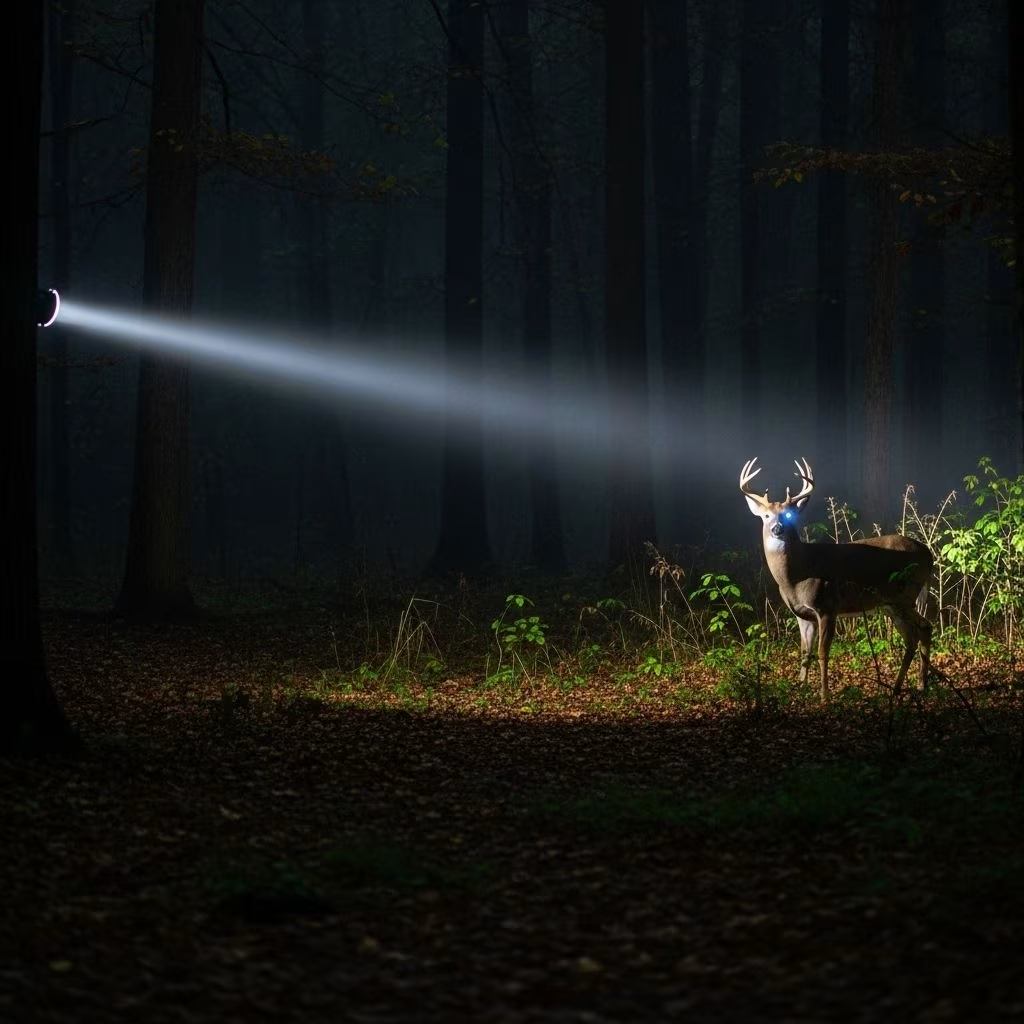
Jacklighting is the act of hunting animals at night by shining a powerful light—typically a lantern, spotlight, or the headlights of a vehicle—into their habitat. The light causes animals such as deer, rabbits, or fish to freeze or become mesmerized, making them vulnerable and easier to kill or catch. This tactic has also been known by other names like spotlighting, lamping, or simply night hunting.
- Origin of the Term: The word “jacklight” refers to the lantern or device used in the practice, with roots in early American and Canadian hunting slang.
- Species Targeted: Most commonly deer, but also rabbits, raccoons, and fish (such as spearing fish attracted to lights).
- Methods: Lights are shone from a vehicle or by hand, often with a shooter waiting nearby to take action when animals are stunned by the beam.
The Science Behind Jacklighting
Many animals are nocturnal or crepuscular (active at dawn or dusk) and have eyes adapted for low-light conditions. A sudden burst of bright light at night can immobilize or disorient them. This physiological reaction—a momentary freezing or lingering in the open—gives hunters an unfair advantage.
The History of Jacklighting
The use of artificial light to hunt dates back centuries, paralleling improvements in lighting technology. From early lanterns to modern halogen spotlights, the basic approach has remained the same.
- Indigenous and early settler use: Some Indigenous peoples used fire or torches for night fishing or hunting, but such uses were typically sustainable and regulated by tradition.
- Colonial America: European settlers, with fewer cultural taboos and increasing demand for game, made jacklighting a widespread practice, particularly for commercial hunting.
- 19th and early 20th centuries: As game populations declined, conservationists began to connect jacklighting with overhunting and wildlife depletion.
The Proliferation of Jacklighting
Jacklighting became notorious as a means for poachers and unscrupulous hunters to harvest large numbers of deer and other wildlife with minimal effort. In the late 1800s and early 1900s, as rural roadways were established and automobile headlights improved, jacklighting became even more effective and rampant.
This surge in night hunting contributed directly to the decline of several species and local wildlife populations—a turning point for conservation efforts in North America.
The Legal Response and Wildlife Protection Laws
Widespread and unregulated jacklighting posed a threat not only to animal populations but also to local economies and the traditions of ethical hunting. In response, legislators and conservationists pushed for restrictions and bans.
- Early Legislation: The first laws targeting jacklighting appeared in the late 19th and early 20th centuries, often in states or provinces that experienced severe wildlife declines.
- Modern Regulations: Today, jacklighting is illegal in most states and provinces for the vast majority of game animals. Violations typically carry significant fines, potential jail time, and loss of hunting privileges.
- Enforcement Tactics: Conservation officers use decoy animals, night patrols, and advanced surveillance tools to catch offenders.
| Region | Status of Jacklighting | Notable Penalties |
|---|---|---|
| United States | Widely illegal (varies by state) | Fines, jail, license revocation |
| Canada | Illegal in most provinces | Fines, equipment seizure |
| Europe | Generally prohibited | Fines, community sanctions |
Jacklighting vs. Traditional Hunting: Ethical and Practical Contrasts
Jacklighting is sharply differentiated from ethical hunting traditions. Below is a comparison that illustrates why jacklighting is so controversial both among hunters and conservationists.
| Traditional Hunting | Jacklighting | |
|---|---|---|
| Time of Activity | Daylight hours | Nighttime/darkness |
| Tools | No artificial illumination for animals | Spotlights, vehicle headlights |
| Fair Chase Principle | Animals have a sporting chance | Animals are immobilized/disoriented |
| Legal Status | Legal with permits, seasonal | Illegal in most regions |
| Ethical Reputation | Widely respected | Widely condemned |
Why Is Jacklighting Considered Unethical?
The opposition to jacklighting is multifaceted, drawing upon both environmental and ethical frameworks.
- Violates ‘Fair Chase’: Ethical hunters argue the practice removes skill and sportsmanship by guaranteeing an easy kill.
- Disturbs Ecosystems: Nighttime disruption impacts not just target species but an entire network of nocturnal animals.
- Promotes Overharvesting: It enables the reckless and rapid depletion of local animal populations, reducing opportunities for lawful, sustainable hunting and viewing.
- Animal Welfare Concerns: Critics say that stunning or blinding animals before a lethal shot is inhumane.
Legal Consequences and Enforcement
Modern wildlife protection agencies treat jacklighting as a serious offense. Conservation officers use a variety of enforcement techniques:
- Placing realistic animal decoys in known illegal hunting zones to catch offenders in the act.
- Utilizing night-vision and thermal cameras for nocturnal patrols.
- Seizing firearms, vehicles, and spotlights used in violations.
Penalties can be severe, reflecting the importance of deterring jacklighting to protect dwindling wildlife populations.
The Modern Debate: Are There Any Exceptions?
Some jurisdictions allow limited spotlighting or night hunting for specific purposes, such as controlling invasive or overpopulated species (e.g., wild hogs or coyotes in certain regions). However, these activities are strictly regulated and differ conceptually and ethically from indiscriminate jacklighting.
- Typically require special permits.
- May occur only on private land or in response to demonstrated ecological need.
- Often supervised or reported to authorities to minimize abuse.
Even in these cases, the core concerns associated with animal suffering and wider ecological disruption remain part of the debate.
The Cultural Image of Jacklighting
Jacklighting occupies a peculiar space in North American culture: it is both the stuff of outdoor adventure stories and the subject of fish and game warnings. For non-hunters, the practice often becomes synonymous with poaching and environmental disregard.
In popular literature and rural oral histories, tales of jacklighting evoke a sense of resourcefulness and rural rebellion, but this image is increasingly at odds with the wider shift toward conservation and respect for wildlife.
Protecting Wildlife: A Call for Consistency and Enforcement
The fight to end jacklighting is ongoing, requiring cooperation among hunters, conservationists, lawmakers, and the public. Ensuring healthy wildlife populations demands:
- Continued public education about the importance of ethical hunting and wildlife protection.
- Rigorous, consistent enforcement of night hunting and jacklighting laws.
- Support for scientific research on nighttime animal behavior and the impact of artificial light pollution.
Responsible hunters and conservation groups widely agree that upholding ‘fair chase’ principles and respecting legal regulations are foundational for enduring wildlife populations.
Frequently Asked Questions (FAQs)
What animals are typically targeted with jacklighting?
Deer are the most common targets, but jacklighting has also been used for rabbits, raccoons, and even certain fish species in historical contexts.
Is jacklighting ever legal?
In most North American jurisdictions, jacklighting is illegal, except in rare cases with specific permits for managing invasive species or on private land for pest control, under strict regulations.
How do law enforcement officers detect jacklighting?
Officers use wildlife decoys, night vision equipment, and stakeouts at known hotspots to catch offenders. Infrared cameras and public tips are also valuable tools.
Why do some defend jacklighting as tradition?
Some view it as a cultural or historical practice in rural areas. However, shifting conservation values and wildlife declines have tilted opinion heavily against it.
What are the penalties for jacklighting?
Penalties typically include heavy fines, possible jail time, revocation of hunting licenses, and confiscation of equipment and vehicles used during the violation.
Additional Resources
- Organizations: Look to your state, provincial, or national wildlife agency for up-to-date regulations and educational materials.
- Books & Articles: Scholarly articles on wildlife law, as well as resources from hunter education associations, provide further context.
- Ethics in Hunting: Explore resources from conservation organizations on the principles of ‘fair chase’ and ethical wildlife interaction.
Summary Table: Jacklighting at a Glance
| Aspect | Details |
|---|---|
| Definition | Night hunting using artificial light to immobilize animals |
| Main Targets | Deer, rabbits, raccoons, fish (historically) |
| Legal Status | Widely illegal, with rare exceptions |
| Key Concerns | Unfair, unethical, disrupts ecosystems, depletes wildlife |
| Penalties | Fines, jail, license revocation, equipment seizure |
| Legacy | Helped shape modern wildlife protection laws |