Waterfalls have long captivated the human imagination, evoking visions of wild landscapes and untamed rivers. But what happens when these roaring natural wonders are woven into the fabric of cities—where cascading water transforms concrete jungles and urban parks alike? Across the globe, urban waterfalls bridge nature and metropolis, inviting residents and visitors to bask in their mist, thunder, and marvel, often just steps away from bustling streets.
Why Are Urban Waterfalls So Alluring?
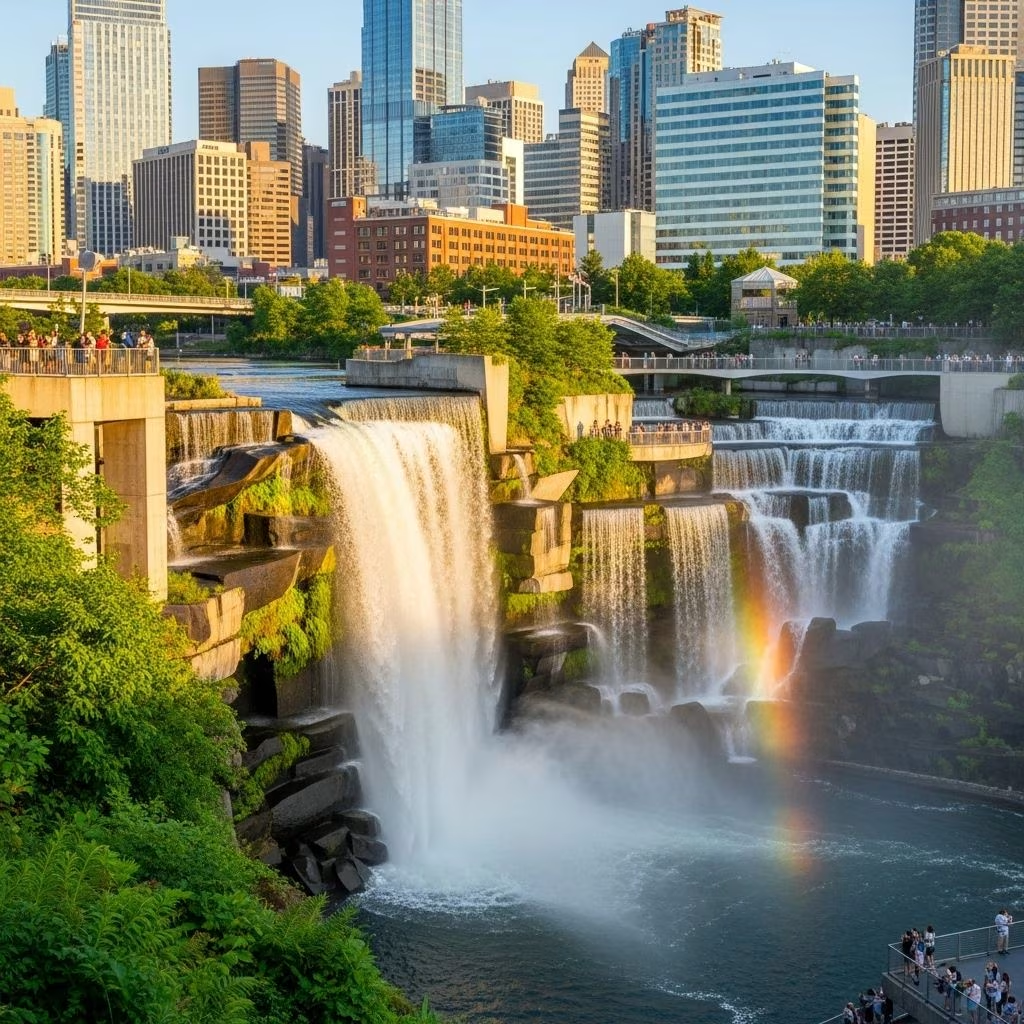
City-dwellers are drawn to water not only for refreshment or recreation, but for the sense of tranquility, energy, and renewal it brings to dense environments. Urban waterfalls—be they naturally occurring or ingeniously engineered—offer soothing soundscapes, lush settings, wildlife habitats, and public gathering spaces in the midst of brick and steel. They also serve as powerful visual and cultural touchstones, often becoming icons of their host cities.
- Natural urban falls tap into rivers and streams running through city centers.
- Man-made cascades reimagine water’s journey, bringing drama and calm to plazas, gardens, and architectural wonders.
- They are magnets for locals, tourists, and artists alike, inspiring awe and community spirit.
Most Famous Urban Waterfalls Around the World
Though waterfalls often evoke remote wilderness, some of the planet’s grandest or most imaginative cascades are nestled right in urban cores:
1. Niagara Falls (Niagara Falls, Ontario & New York)
Niagara Falls is the world’s most iconic urban waterfall, straddling the border between Canada and the United States. Its trio of massive falls—Horseshoe, American, and Bridal Veil—collectively send more than 3,100 tons of water thundering over the edge every second. The urban sprawl of Niagara Falls, Ontario and Niagara Falls, New York, frame the spectacle with observation towers, parks, and a vibrant tourist strip, making it a jaw-dropping centerpiece of metropolitan life.
- Height: Up to 51 meters (167 feet)
- Claim to Fame: Most powerful waterfall in North America, easily accessible from both Canada and the U.S.
- Experience: Boat tours, extensive parks, nighttime illumination, and energy generation.
2. Iguazu Falls (Puerto Iguazú, Argentina & Foz do Iguaçu, Brazil)
Although surrounded by lush parks, Iguazu Falls famously straddles two cities and borders, offering both urban accessibility and rainforest immersion. Over 275 individual cascades drop into a subtropical chasm, with elevated walkways bringing city dwellers directly to the misty edge.
- Height: Up to 80 meters (262 feet)
- Claim to Fame: UNESCO World Heritage Site, cross-border marvel, sweeping rainbows, and the legendary Devil’s Throat.
- Experience: Bridges, city parks, and cultural festivals feature the falls as a living backdrop.
3. Spokane Falls (Spokane, Washington, USA)
Spokane Falls is central to the identity of downtown Spokane, where the Spokane River splits dramatically into two cascading branches. A centerpiece of Riverfront Park, the falls have anchored industry, rail, hydroelectric power—and more recently, rejuvenation as a vibrant urban core.
- Height: 14-45 meters (46–146 feet) depending on the season.
- Claim to Fame: The largest city-centered waterfall in the United States.
- Experience: Scenic cable car rides, walkways, and a lively arts scene.
4. Cloud Forest Waterfall (Singapore)
Singapore’s Cloud Forest at Gardens by the Bay is home to the world’s tallest indoor man-made waterfall, plunging 35 meters (115 feet) through a lush, climate-controlled conservatory. Set amidst glass and greenery, the site reimagines what a waterfall can be—combining botanical beauty with city spectacle and eco-education.
- Height: 35 meters (115 feet)
- Claim to Fame: Tallest indoor waterfall when it opened, futuristic urban oasis.
- Experience: Mist walks, biodiversity exhibits, and sparkling night lights.
5. Rain Vortex (Jewel Changi Airport, Singapore)
Rain Vortex at Jewel Changi Airport is the world’s tallest indoor waterfall at 40 meters (131 feet). Surrounded by tropical forests and gardens inside one of Asia’s busiest airports, this engineering feat is a showpiece of contemporary urban design, blending transit, shopping, and spectacle. The waterfall takes center stage during daily light and sound performances, captivating travelers and locals alike.
- Height: 40 meters (131 feet)
- Claim to Fame: Tallest indoor waterfall worldwide, architectural and horticultural wonder.
- Experience: Immersive canopy walks, restaurants, shopping, and nature trails beneath a soaring glass dome.
6. Cascata delle Marmore (Terni, Italy)
Towering in the city of Terni, Cascata delle Marmore is the world’s tallest man-made waterfall, constructed by the ancient Romans. Water tumbles an astonishing 165 meters (541 feet) in three drops from the Velino River, with urban parks and observation points providing spectacular city views.
- Height: 165 meters (541 feet)
- Claim to Fame: World’s tallest man-made waterfall, historic engineering marvel.
- Experience: Scheduled water releases, light shows, and lush walks among ancient ruins.
7. Artificial Waterfalls in Urban Plazas
Many cities have embraced custom-designed water features as urban centerpieces, blending architecture and spectacle:
- Urban waterfalls in plazas and shopping centers (such as Madrid’s Plaza Río 2, San Francisco’s Yerba Buena Gardens, and Dubai’s Dubai Waterfall) create dynamic gathering spots and cooling microclimates.
- City buildings repurposed with waterfalls in hotels, offices, and museums offer visual interest and relaxing soundtracks for city life.
The Role of Urban Waterfalls: Nature, Culture, and City Life
Why do waterfalls hold such power in the urban imagination?
- Natural and man-made falls anchor city parks, plazas, and greenways, making them magnets for festivals, performances, and public celebrations.
- Hydraulic engineering provides energy, irrigation, and cooling benefits, echoing the ancient traditions of water management in urban development.
- Ecological sanctuaries form around waterfalls, sheltering birds and plant life even in the densest metropolitan areas.
- Art and symbolism: Waterfalls feature in local myths, public art, and urban branding.
Table: Comparison of Notable Urban Waterfalls
| Name | Location | Type | Height | Key Feature |
|---|---|---|---|---|
| Niagara Falls | Niagara Falls, ON & NY | Natural | 51 m | Incredible power; border landmark |
| Spokane Falls | Spokane, WA | Natural/Urbanized | 14–45 m | Central to city identity |
| Cloud Forest Waterfall | Singapore | Man-made (Indoor) | 35 m | Botanical garden centerpiece |
| Rain Vortex | Singapore Airport | Man-made (Indoor) | 40 m | Inside airport dome, light shows |
| Cascata delle Marmore | Terni, Italy | Man-made | 165 m | An ancient engineering feat |
Other Noteworthy Urban Waterfalls
- High Falls (Rochester, New York): 29-meter (96-foot) waterfall in the city’s heart, powering early industry and modern festivals.
- Kegon Falls (Nikko, Japan): Although in a national park, its easy access from Nikko makes it an urban-adjacent wonder.
- Cheonggyecheon Stream (Seoul, South Korea): Revitalized city stream blends multiple cascading features and urban park life.
Architectural and Ecological Benefits
Waterfalls add more than beauty to cities—they provide practical, ecological, and psychological advantages:
- Microclimate cooling: The movement and evaporation of water reduces surrounding temperatures and improves air quality.
- Habitat creation: Urban falls support birds, insects, fish, and plants, bringing biodiversity to unlikely urban places.
- Stormwater management: Cascades and rain gardens help filter and slow runoff in flood-prone areas.
- Mental health: Study after study shows that the sights and sounds of flowing water ease stress and promote well-being.
Planning Your Visit: How to Experience Urban Waterfalls
With easy accessibility, city waterfalls are perfect for spontaneous refreshment or memorable outings. Here’s how to make the most of your visit:
- Visit after rainfalls or during scheduled releases for peak flow and spectacular photo opportunities.
- Arrive early or late to enjoy softer light and fewer crowds.
- Check for nearby urban parks, viewing decks, boat tours, or festival schedules that feature the falls.
- Engage with local guides or park rangers to learn about the falls’ history, ecology, and cultural significance.
Urban Waterfalls and the Future of City Design
As city planners, architects, and communities reimagine the sustainable city, waterfalls—whether natural, restored, or engineered—play an ever greater role. Their presence signals a new relationship between urban development and the living landscape, merging ecological awareness and human delight.
- Restoration projects are bringing buried or channelized rivers back to daylight—complete with new cascades and plantings.
- Mixed-use developments now incorporate programmable waterfalls that shift with seasons, events, and nighttime lighting.
- Citizen-driven initiatives advocate for greener, more playful cities—with waterfalls a recurring dream and design motif.
9
Frequently Asked Questions (FAQs)
Q: Are there any naturally occurring urban waterfalls?
A: Yes, several cities are built around pre-existing waterfalls, such as Niagara Falls (Canada/US), Spokane Falls (Spokane, WA), and High Falls (Rochester, NY). These natural features have shaped local culture and history for centuries.
Q: What is the tallest man-made waterfall in an urban area?
A: Cascata delle Marmore in Terni, Italy, is widely recognized as the tallest man-made urban waterfall, with water plunging a total of 165 meters (541 feet).
Q: Can urban waterfalls improve city living?
A: Absolutely. Urban waterfalls contribute to mental well-being, offer visual cooling, provide habitats for wildlife, and support recreational and cultural activities.
Q: Are water usage and sustainability concerns for man-made falls?
A: Modern urban waterfall installations often use recycled water systems and energy-efficient pumps, and may switch off or reduce flow during droughts to conserve resources.
Q: Are urban waterfalls accessible year-round?
A: Many can be enjoyed year-round, especially those fed by regulated rivers or indoor installations like Singapore’s Rain Vortex. However, natural flows may vary seasonally with rainfall and snowmelt.
Conclusion: The Living Pulse of the City
Urban waterfalls celebrate the synergy between city and nature, offering moments of drama, calm, and inspiration within fast-paced environments. Whether splashing in historic rivers or tumbling through futuristic glass domes, these cascades serve as green lungs, communal hearts, and living symbols of a city’s unstoppable vitality.
References
- https://en.wikipedia.org/wiki/List_of_waterfalls
- https://alittleadrift.com/best-waterfalls-around-the-world/
- https://mylifesamovie.com/11-rare-waterfalls-totally-worth-chasing/
- https://resurgencejourney.substack.com/p/urban-waterfalls-real-and-imagined
- https://www.getyourguide.com/explorer/travel-inspiration/beautiful-waterfalls-around-the-world/
- https://adventureinstead.com/waterfall-elopement-guide/