


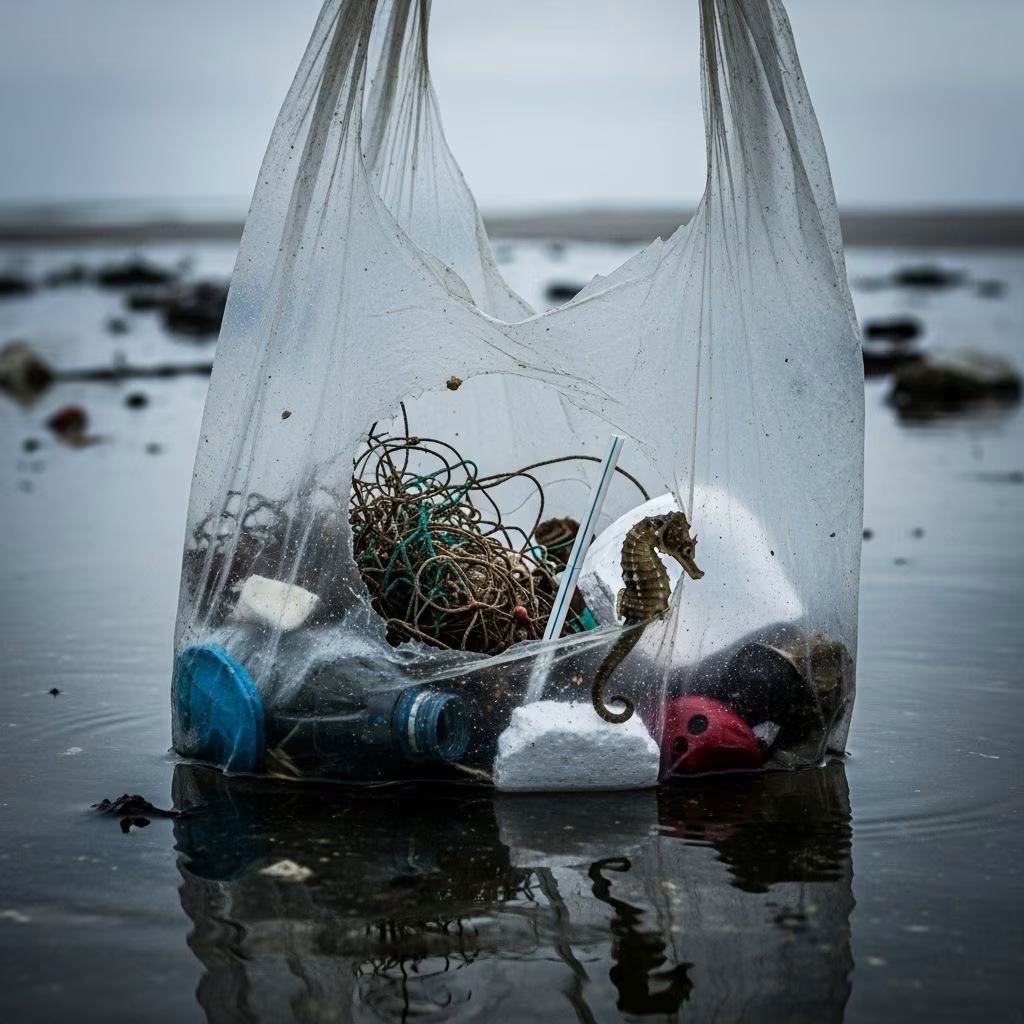
Why We Need to Stop Using Plastic Bags
Plastic bags have become a symbol of modern convenience—and environmental degradation. Their widespread use has led to severe consequences for ecosystems, wildlife, and human health. Understanding why we ought to stop using plastic bags is critical for anyone striving to live more sustainably. This article explores the core problems associated with plastic bags, their true environmental costs, impacts on wildlife and human health, efficacy of alternatives, and most importantly, what actions individuals and societies can take.
The Proliferation of Plastic Bags
In just a few decades, plastic bags have become one of the most common single-use items on the planet. They are distributed in supermarkets, convenience stores, restaurants, and countless other businesses. Globally, the number of plastic bags used is staggering:
- Estimates show 500 billion to 1 trillion plastic bags are used annually worldwide.
- In the United States alone, around 100 billion plastic bags are used every year.
- Most plastic bags are used for just a few minutes but can persist in the environment for hundreds of years.
This mass proliferation is driven by their light weight, convenience, and low production cost. Yet, the overall impact far outweighs their temporary utility.
Environmental Impact: Production, Waste, and Pollution
Manufacturing Plastic Bags
The environmental harm begins with production. Plastic bags are primarily made from polyethylene, a material derived from fossil fuels such as natural gas and crude oil.
- The plastic manufacturing process consumes large amounts of energy and emits greenhouse gases, contributing to global warming.
- Fossil fuel extraction for plastic bag production perpetuates our dependence on non-renewable resources.
Longevity and Waste Issues
Once produced, plastic bags rarely find a sustainable end-of-life path:
- The majority of plastic bags are used once and then discarded.
- Recycling rates are abysmally low—less than 10% of plastic bags are recycled in the mainstream waste stream.
- The rest end up in landfills, incinerators, or as litter in the natural environment.
The durability that makes plastic bags useful also ensures they persist for decades or even centuries. Plastic bags do not biodegrade; they photodegrade, breaking down into smaller toxic particles that contaminate soil and water.
Impact on Wildlife and Ecosystems
The environmental toll of plastic bags is most immediately visible in oceans, rivers, and landscapes:
- Plastic bags are lightweight and easily transported by wind and water, dispersing them over vast distances and into waterways.
- They account for a significant proportion of the plastic debris found in oceans.
- Marine animals frequently ingest plastic bags or become entangled in them, causing injury, suffocation, or death.
Key examples of harm:
- Sea turtles often mistake floating bags for jellyfish, a favorite prey. Ingesting these plastic bags can block their digestive tracts and cause death.
- Seabirds, whales, seals, and fish are all susceptible to plastic bag ingestion and entanglement.
- Plastic particles from degrading bags enter the food chain, threatening both wildlife and human consumers.
Moreover, plastic bags litter landscapes, clogging drainage systems and contributing to urban flooding, especially in developing countries.
Human Health Concerns
Plastic bags also have concerning impacts on human health:
- As plastic bags degrade, they release microplastics and toxic chemicals into soil and groundwater.
- These contaminants can enter drinking water and the food chain, ultimately affecting human health through bioaccumulation.
- Researchers have found plastic particles in seafood, table salt, and even bottled water, raising questions about long-term health implications.
Plastic bags can also release harmful chemicals during incineration, leading to air pollution.
Myth-Busting: Are Plastic Bags Really Necessary?
Proponents often argue that plastic bags are convenient, hygienic, or a necessary evil. However, much of this perceived benefit is rooted in habit and cultural norms rather than necessity.
- Convenience: Alternatives such as reusable bags, baskets, and boxes can fulfill the same function without excessive waste.
- Hygiene: Reusable bags can be washed and sanitized, mitigating health concerns.
- Cost: Although plastic bags are cheap for consumers, their true costs—environmental cleanup, wildlife rescue, and human health—are externalized to society at large.
Alternatives to Plastic Bags
Moving beyond single-use plastic bags is not just possible but preferable. Here are some sustainable alternatives and their pros and cons:
| Type of Bag | Material | Pros | Cons |
|---|---|---|---|
| Reusable Cloth Bags | Cotton, Hemp, Jute | Durable, washable, biodegradable (natural fibers), can be reused hundreds of times | Resource-intensive to produce (especially cotton), must be reused many times to offset environmental footprint |
| PAPER BAGS | Wood Pulp (paper) | Recyclable, compostable, from renewable sources | Require significant water and energy to produce, weaker when wet, less durable |
| Biodegradable Bags | Plant-based Biopolymers | Break down faster in the right conditions, less toxic residue | Higher cost, require specific industrial composting conditions, not always actually eco-friendly if mismanaged |
| Reused Plastic Bags | Plastic (Polyethylene) | Reusing existing bags reduces need for new bags, extends bag lifespan | Eventually still end up as waste, continued reliance on fossil fuels |
Plastic Bag Recycling: Myths vs. Reality
Although some plastic bags are marked as recyclable, actual recycling rates are extremely low. There are several reasons:
- Contamination with food or other materials makes recycling more difficult.
- Lack of appropriate collection infrastructure; most curbside recycling programs do not accept plastic bags.
- Downcycling is a common outcome; recycled plastic bags are often turned into lower-value products, not new bags.
Even when plastic bags are made from recycled materials, the challenge of their final disposal—and the pollution they cause—remains unsolved.
Global Problems, Local Solutions
The plastic bag issue is global. Countries and municipalities around the world have responded with legislation and incentives aimed at curbing their use:
- Many cities have banned or taxed plastic bags, resulting in dramatic reductions in usage.
- Public awareness campaigns have educated consumers about the true costs of plastic bags.
- Some retailers now offer discounts for bringing reusable bags or impose a fee for plastic bags.
Examples of effective policies can be found worldwide, from Ireland’s plastic bag tax to citywide bans in places like San Francisco and Nairobi.
What You Can Do: Steps for Individuals
While policy is important, meaningful change also starts with individual action. Here are concrete steps everyone can take:
- Carry reusable shopping bags: Always keep a few in your car, backpack, or purse. One person’s commitment can eliminate hundreds of plastic bags annually.
- Refuse plastic bags at stores, even for small purchases.
- Use bags made of natural fibers or recycled materials.
- If you still have plastic bags, reuse them as much as possible before recycling.
- Recycle plastic bags only at designated collection points.
- Advocate for local policies that minimize plastic bag distribution.
- Educate those around you about the impacts of plastic bags and the benefits of alternatives.
Small changes add up—every step away from plastic bag dependence helps reduce waste, protect wildlife, and preserve ecosystems.
The Psychology of Convenience and Habit
Why do so many people still rely on plastic bags, even when the consequences are clear? The answer often lies in habit and the allure of convenience. Changing personal behavior is challenging, but not impossible:
- Making reusable bags more accessible (e.g., by placing them near the door or in the car) increases the likelihood of usage.
- Community incentives and social norms can encourage people to adopt sustainable habits.
- Forgive yourself for slip-ups—change is a process, not a destination.
Looking Ahead: Towards a Plastic-Free Future
Ending our reliance on plastic bags is an essential step toward a healthier and more sustainable world. The scientific consensus is clear: we cannot continue producing and discarding plastic bags at today’s rate without serious consequences for the environment and ourselves.
- Emerging alternatives and innovations in materials science are making truly biodegradable and sustainable bags feasible.
- A cultural shift toward mindful consumption is underway—driven by consumers, lawmakers, and activists alike.
- Each person’s decision to refuse a plastic bag is both symbolic and practical—it pushes society towards systemic change.
Frequently Asked Questions (FAQs)
Q: Aren’t biodegradable and compostable plastic bags a solution?
A: While biodegradable and compostable bags are improvements over standard plastic, they require specific conditions to break down and may not degrade properly in landfills or the natural environment. Additionally, they may still be made from fossil-fuel-based polymers unless clearly plant-based.
Q: Can’t we recycle all plastic bags?
A: In practice, only a small fraction of plastic bags are recycled due to contamination issues and lack of collection infrastructure. Most curbside recycling does not accept bags, and recycled bags rarely become new bags.
Q: What about paper bags—are they a good alternative?
A: Paper bags are compostable and recyclable, but they require more energy and water to produce compared to plastic bags and are less durable. Their benefits depend on how many times they are reused and how they are disposed of.
Q: How does plastic bag pollution affect the food chain?
A: Plastic that enters waterways breaks down into microplastics. These tiny pieces can be ingested by marine organisms, which ultimately can end up in the food we eat, posing potential health risks.
Q: What’s the best first step to quitting plastic bags?
A: Start by carrying reusable bags and refusing plastic ones. Try to build this habit gradually and share your efforts with others for added accountability and impact.
References
- https://stanfordmag.org/contents/paper-plastic-or-reusable
- https://theresilientactivist.org/envirotip-2-plastic-bags-breaking-up-is-hard-to-do/
- https://ecooptimism.com/?p=5741
- https://www.globalcitizen.org/en/content/tips-reduce-plastic/
- https://ensoplastics.com/theblog/?tag=treehugger
- https://ecooptimism.com/?tag=treehugger
- https://grist.org/author/treehugger-com/page/4/


