Why You Shouldn’t Dump Your Goldfish: The Hidden Dangers of Released Pets
At first glance, releasing a goldfish from a cramped aquarium into a natural pond or lake might seem humane—liberating a pet to swim free. However, this well-intentioned act causes profound harm to local ecosystems, disrupts the balance of nature, and contributes to severe ecological problems that are often irreversible.
The Growing Problem of Released Aquarium Fish
Across the globe, dumping pet goldfish into lakes, streams, and ponds has become alarmingly common. People mistakenly believe their pet goldfish will live happier lives in open water, or they simply want to dispose of pets that have outgrown their tanks. However, the environmental consequences are far greater than most realize.
Where Do Goldfish End Up?
- Lakes, ponds, and rivers are common dumping sites for unwanted goldfish.
- Goldfish have been found in waterways across the US, Canada, Australia, India, and the UK, often growing much larger than their original size.
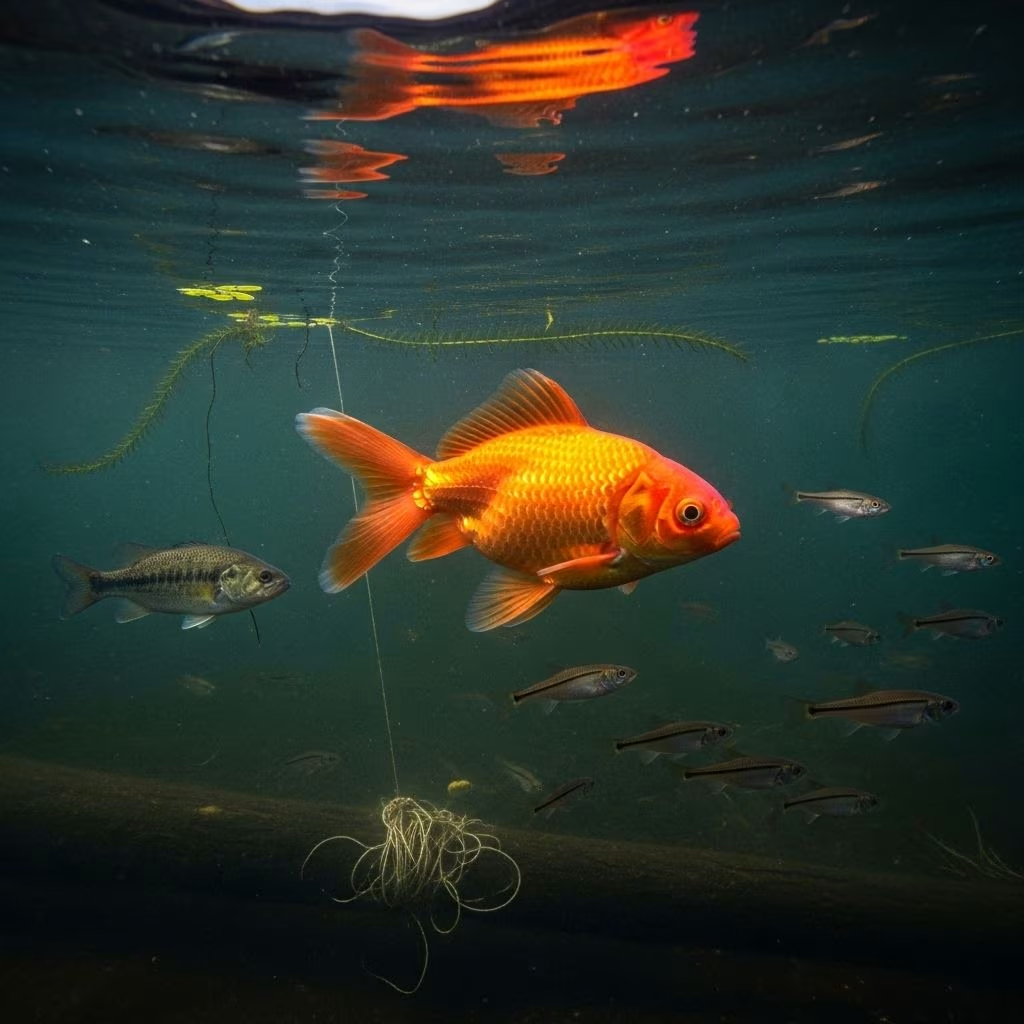
- In some cases, conservationists have discovered goldfish the size of dinner plates, multiplying rapidly and threatening entire aquatic ecosystems.
How Goldfish Become Ecological Threats
Goldfish seem harmless in a small bowl. However, when released into nature:
- They grow to enormous sizes, far bigger than in an aquarium—sometimes exceeding 30 centimeters (12 inches) and weighing up to 1.9 kilograms (4.2 pounds).
- They live longer and reproduce prolifically, rapidly establishing large populations.
- They consume vast amounts of food, including plants, insects, and fish eggs, directly competing with native species.
Table: Typical vs. Wild Goldfish Growth
| Goldfish Setting | Average Adult Size |
|---|---|
| Home Aquarium | 5-8 cm (2-3 in) |
| Natural Waterway | Up to 30 cm (12 in) or more |
Environmental Impact of Dumped Goldfish
The introduction of goldfish and other pet fish into natural aquatic environments profoundly damages local ecology.
Goldfish as a ‘Triple Threat’
- Readily Available: Goldfish are among the world’s most popular pet fish, easily purchased from pet shops.
- Insatiable Appetite: In the wild, goldfish consume significantly more food than equivalent native fish.
- Bold Behavior: Goldfish disrupt habitats by stirring up sediment, uprooting plants, and eating anything they can find—including native fish eggs.
Destruction of Habitat
- Uprooting aquatic plants: Goldfish rummage on the bottom, dislodging vegetation critical for local fish, insects, and amphibians.
- Muddying the water: Their constant movement stirs up sediments, reducing water clarity, and harming photosynthesis.
- Deteriorating water quality: Goldfish burrowing increases nutrient release, encouraging algal blooms and low oxygen levels.
- Killing important species: By eating eggs and juvenile stages, goldfish can suppress or eliminate entire populations of native fish.
Case Study: The Lake Davis Pike Eradication
Beyond goldfish, the release of exotic aquatic pets—including predatory fish—can cause millions in damage. Lake Davis in California had to be poisoned twice, at vast cost and manpower, due to illegal dumping of northern pike that devastated its ecosystem. The incident illustrates the hazards posed when pet species are irresponsibly released.
Goldfish Are Highly Invasive
Biologists globally rank goldfish among the worst invasive aquatic species. Once established, they outcompete local wildlife and resist removal:
- They lack natural predators in foreign waters, allowing their populations to explode.
- They introduce new diseases, further endangering native organisms.
- Their boldness and adaptability makes them difficult to control or eradicate.
It’s Illegal to Dump Goldfish in Most Jurisdictions
In the United States and many other countries, it is illegal to release any aquarium species into natural waterways:
- California, for example, prohibits dumping aquatic pets; violators risk fines and criminal charges.
- Many places have signage near creeks and rivers warning that dumping fish is forbidden and environmentally harmful.
- Law enforcement and wildlife agencies regularly conduct public awareness campaigns, such as the Don’t Let It Loose™ initiative in the US.
Other Aquarium Species Threaten Ecosystems Too
Goldfish are not alone. Pet owners often dump a range of exotic aquatic species, many of which pose equal or greater ecological risks:
- Spotted gar, piranha, tigerfish—all illegal to possess or release in many regions, yet still found in waterways due to pet shop sales.
- Alligator gar discovered in Hyderabad’s Neknampur Lake, India—a species not native to Indian rivers, introduced by aquarium enthusiasts who couldn’t manage large, predatory pets.
Why Do People Dump Goldfish?
Common motivations for releasing goldfish and other aquarium fish include:
- Pets outgrow their aquarium, surprising owners when the fish becomes too large for their small tanks.
- Lack of awareness about the consequences of release.
- Perceived kindness—owners believe freeing their pet is the humane option.
- Unlawful purchase of exotic or predatory species that later become unmanageable.
What You Should Do Instead
Responsible pet ownership is essential to protect native species and aquatic ecosystems.
- Contact animal shelters: Many accept unwanted aquarium fish.
- Return to pet stores: Some retailers will take back fish.
- Find responsible new owners: Seek out aquarium clubs or online forums.
- Humane euthanasia: Consult veterinarians for ethical recommendations.
- Never release: Under no circumstances should pets be released into the wild.
Frequently Asked Questions (FAQs)
Q: Can goldfish survive in the wild?
A: Yes. Goldfish not only survive but frequently thrive in new environments, growing much larger and living longer than in aquariums, often at the expense of local species.
Q: What law prohibits releasing goldfish?
A: Most US states, including California, have laws forbidding the dumping of aquarium pets in natural waterways, with penalties ranging from fines to criminal charges.
Q: Are goldfish really that dangerous?
A: Goldfish are far more disruptive than their innocent appearance suggests. They damage plants, destroy habitats, introduce disease, and eat the eggs of native fish populations, fundamentally altering the ecosystem.
Q: What should I do if my goldfish is too big for its tank?
A: Contact local animal shelters, pet stores, or aquarium societies. They can often help rehome your pet safely and legally. Never release it outdoors.
Q: Is it safe to dump aquarium water in the wild?
A: No. Even aquarium water may contain pathogens, parasites, or larvae that threaten native ecosystems. Dispose of all aquarium waste responsibly to prevent accidental introduction of invasive species.
Conclusion: Protecting Our Waterways
Releasing goldfish and other aquarium pets into the wild is never harmless. This practice devastates native species, costs communities millions in restoration efforts, and breaks both the law and the balance of nature. Instead, seek humane and responsible alternatives for your aquatic pets and help safeguard vulnerable ecosystems for future generations.