


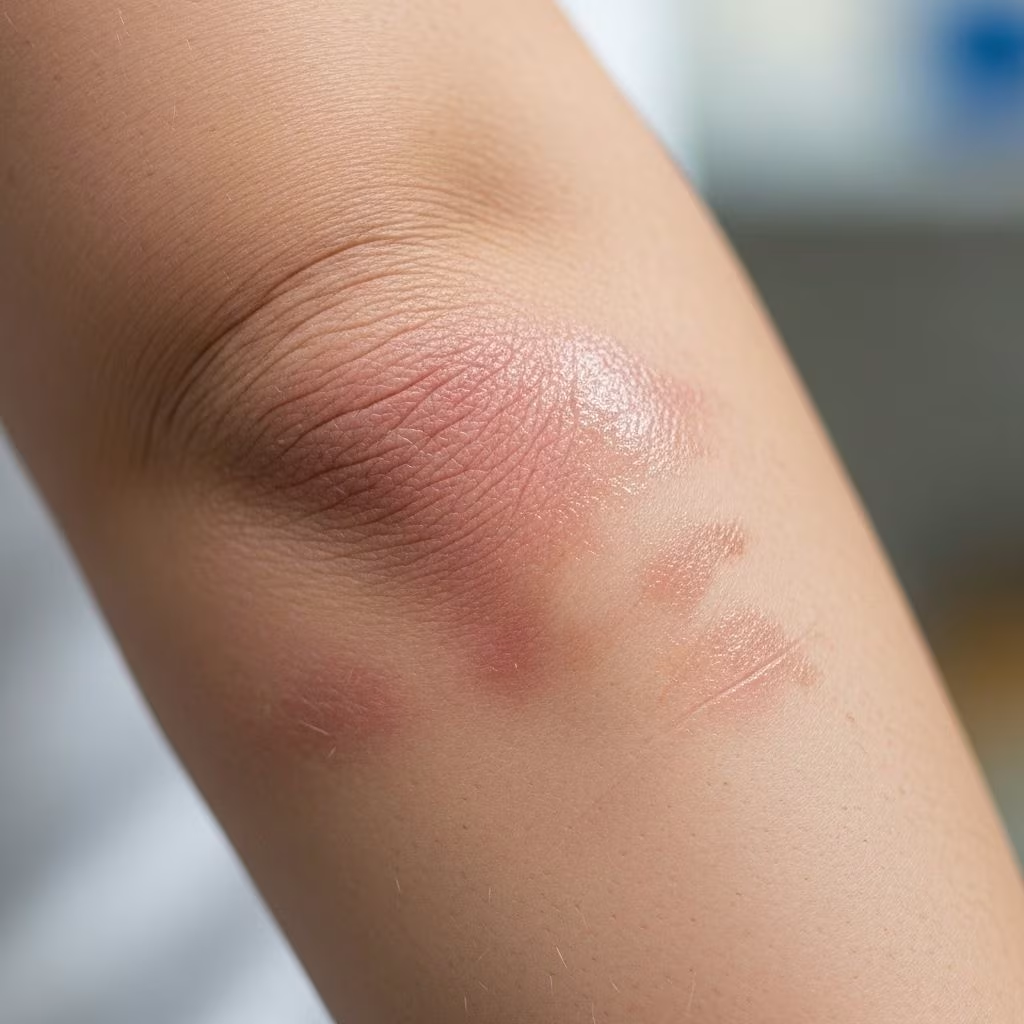
Atopic Dermatitis: Causes & Lifelong Management Guide
Atopic dermatitis, commonly known as eczema, is a chronic inflammatory skin condition that affects millions worldwide, ranging from infants to adults. Characterized by itchy, red, and inflamed skin, atopic dermatitis often disrupts sleep, daily activities, and overall quality of life. Despite decades of research, the condition continues to challenge clinicians and patients due to its complex causes and tendency to recur. This guide presents a thorough overview of atopic dermatitis, exploring its origins, triggers, symptoms, diagnosis, and the latest lifelong management strategies.
Understanding Atopic Dermatitis
Atopic dermatitis is the most prevalent form of eczema and part of the wider “atopic triad,” which includes asthma and allergic rhinitis (hay fever). It is a multisystem disorder that chiefly manifests as chronic, itchy, and inflamed skin lesions but may also be associated with other allergic conditions.
- Common in children but can occur at any age.
- Not contagious nor caused by poor hygiene.
- Often waxes and wanes, with alternating periods of flares and remissions.
Causes and Risk Factors
While the exact cause of atopic dermatitis remains unclear, genetics, immune dysfunction, and environmental factors are recognized contributors.
Genetic Factors
- A strong family history of eczema, asthma, or hay fever.
- Mutations in the filaggrin gene, which impairs skin barrier function and allows moisture to escape, making skin more vulnerable to irritants and infection.
Immune System Dysfunction
- An overactive immune system triggers chronic skin inflammation and allergic responses, even without apparent external threats.
- Abnormal immune signaling leads to persistent itch and skin damage.
Environmental Influences
- Exposure to tobacco smoke, air pollutants, and harsh chemicals like fragrances or detergents.
- Frequent contact with irritants or allergens, fluctuations in temperature, and climate changes.
Other Contributory Factors
- Chronic dry skin due to low humidity or dehydration.
- Overgrowth of skin bacteria such as Staphylococcus aureus, which disrupts normal skin microbial communities and impairs barrier function.
- Stress can worsen skin inflammation and trigger flares.
Symptoms and Types
The symptoms of atopic dermatitis can vary considerably but are usually characterized by persistent dryness, itching, and inflamed patches. The severity and pattern of symptoms may change with age:
| Age Group | Common Symptom Patterns |
|---|---|
| Infants | Red, weepy, or crusty patches on cheeks, scalp, and limbs |
| Children | Scratching, thickened or leathery skin (lichenification), patches flexural (behind knees, elbows) |
| Adults | Dry, scaly, itchy patches on hands, neck, eyelids, and areas exposed to friction |
General Symptoms
- Intense itching (especially at night or after bathing).
- Red, swollen, flaky, or crusty skin lesions.
- Oozing, cracking, or bleeding in severe cases.
- Skin thickening and darkening from chronic scratching.
- Increased susceptibility to skin infections.
Common Triggers and Flare Prevention
Flares are periods of intensification in symptoms, which can be unpredictable and highly distressing. Identifying and avoiding individual triggers is fundamental in managing atopic dermatitis.
Typical Triggers
- Scratchy or synthetic clothing (e.g., wool, polyester).
- Physical sweat, heat, and humidity fluctuations.
- Harsh chemicals or fragrances in skin care routines and soaps.
- Changing weather, especially cold, dry air.
- Emotional stress and anxiety.
- Certain foods (more common in children).
- Frequent bathing without sufficient moisturization.
Preventing Flares
- Identify personal triggers through symptom diaries.
- Establish gentle skincare routines—avoid hot water and scented products.
- Wear loose, breathable clothing; avoid wool and man-made fibers.
- Maintain moderate home humidity levels.
- Manage stress with relaxation techniques.
Diagnosis and Differential Diagnosis
Clinical examination by a dermatologist or healthcare provider is the mainstay of atopic dermatitis diagnosis. There is no single test for eczema, so providers rely on medical history, symptom patterns, and physical signs:
- Assessment of rash location, duration, and triggers.
- Consideration of family history of allergic conditions.
- Exclusion of other types of dermatitis: contact dermatitis, seborrheic dermatitis, psoriasis, etc..
- Sometimes, skin biopsy, allergy testing, or microbial analysis may aid challenging cases.
Lifelong Management Strategies
Atopic dermatitis is a chronic condition that requires daily, lifelong management to control symptoms and reduce flares. Proper self-care and medical treatment can greatly improve skin health and quality of life.
Core Principles
- Restore and maintain the skin barrier.
- Minimize exposure to triggers and irritants.
- Control inflammation and itch.
- Prevent and treat skin infections.
Daily Skin Care Routine
- Bathe no more than once daily, using lukewarm (not hot) water and gentle, fragrance-free cleansers.
- Immediately follow baths with liberal application of thick, unscented moisturizers within three minutes (‘soak and seal’ technique).
- Use ointments or creams rather than lotions, as they provide better barrier protection.
- Pat skin dry gently, avoid rubbing.
Environmental Adjustments
- Wash new clothing before wear to remove potential irritants.
- Opt for hypoallergenic laundry detergents.
- Use a humidifier during dry seasons.
Psychological Support
- Support groups, counseling, or stress management techniques (e.g., meditation) can alleviate psychological burden.
- Education for patient and family to improve self-management and treatment adherence.
Treatment Options
If basic skin care is insufficient for symptom control, a range of medical treatments is available for atopic dermatitis, tailored to the severity and extent of the condition.
Topical Treatments
- Topical Corticosteroids: First-line for flares, highly effective in reducing inflammation. Apply as prescribed to avoid side effects like skin thinning.
- Calcineurin Inhibitors: Non-steroidal creams (tacrolimus, pimecrolimus) suitable for sensitive areas and long-term use in some cases. Monitor for rare side effects.
- Moisturizers and Barrier Creams: Maintain hydration and block entry of allergens/irritants.
Systemic Treatments
- Oral Medications: For severe, widespread or refractory eczema—include cyclosporine, methotrexate, prednisone, mycophenolate, azathioprine. Not suitable for long-term use due to risk of serious side effects.
- Biologics (Monoclonal Antibodies): Target immune pathways directly. Dupilumab (Dupixent) for children ages 6+, Tralokinumab (Adbry) for adults. Effective for moderate to severe disease; generally safe for long-term use.
- Antibiotics: Prescribed for secondary infections, often due to scratching.
- Antihistamines: Help control severe itching in some cases.
Phototherapy and Alternative Therapies
- Phototherapy (UV treatment): Used to treat resistant cases but requires specialist supervision.
- Complementary Approaches: Acupuncture and traditional Chinese medicine may help some but should be discussed with healthcare professionals.
Prevention of Complications
- Prompt treatment of skin infections.
- Regular follow-up with healthcare providers.
- Education on proper use of medications and avoidance of overuse, especially steroids.
Living with Atopic Dermatitis: Tips and Support
Atopic dermatitis is not only challenging physically; its social and emotional impacts can be substantial. Ongoing support and education improve outcomes:
Practical Tips
- Keep nails short and clean to reduce skin damage from scratching.
- Apply medicines and moisturizers as prescribed, especially after bathing.
- Be patient—treatment may require weeks to months.
- Stay alert for signs of infection: increased redness, oozing, pain, or fever.
- Inform teachers/caregivers at school or daycare of the child’s condition.
Support Resources
- National Eczema Association and similar advocacy groups offer online support, tips, and community forums.
- Many dermatology clinics offer patient education programs.
- Ask your provider about local support groups or educational workshops.
Frequently Asked Questions (FAQs)
What is the difference between atopic dermatitis and other types of eczema?
Atopic dermatitis is the most common eczema type and is associated with a personal or family history of allergic conditions, whereas other types such as contact dermatitis result from direct exposure to irritants/allergens, and seborrheic dermatitis occurs due to abnormal skin oil and yeast balance.
Can atopic dermatitis be cured?
Currently, there is no cure; however, symptoms can be well-managed through lifestyle adjustments, skincare routines, and medications. Many children outgrow the condition, but others experience lifelong recurrences.
What triggers flares most frequently?
Common triggers include dry climates, stress, sweat, exposure to allergens or irritants, and infection. Each individual’s triggers may vary, so keeping a diary can be helpful.
Is it safe to use steroid creams long term?
Topical corticosteroids are effective but should be used exactly as prescribed—overuse can lead to thinning skin and additional risks. Alternative treatments may be preferable for chronic use.
When should I see a doctor?
If over-the-counter treatments and basic skincare do not control symptoms, or if you notice signs of infection (pus, pain, fever), consult a healthcare provider promptly.
Key Takeaways
- Atopic dermatitis is a lifelong, chronic condition requiring proactive, individualized management.
- Understanding your unique triggers and maintaining a rigorous skincare routine are paramount for minimizing flares.
- A variety of therapies exist—work closely with your healthcare provider to determine the most effective, safe combination for long-term control.
- Support, education, and stress management are vital for overall well-being and effective disease management.
If you or your loved one struggles with atopic dermatitis, remember: knowledgeable care and continual self-management are the keys to comfortable, healthy skin.
References
- https://www.niams.nih.gov/health-topics/atopic-dermatitis
- https://nationaleczema.org/types-of-eczema/atopic-dermatitis/
- https://www.mayoclinic.org/diseases-conditions/atopic-dermatitis-eczema/diagnosis-treatment/drc-20353279
- https://www.mayoclinic.org/diseases-conditions/atopic-dermatitis-eczema/symptoms-causes/syc-20353273
- https://my.clevelandclinic.org/health/diseases/24299-atopic-dermatitis
- https://www.nhs.uk/conditions/atopic-eczema/
- https://www.aafp.org/pubs/afp/issues/2020/0515/p590.html
- https://my.clevelandclinic.org/health/diseases/9998-eczema
- https://www.pfizer.com/disease-and-conditions/eczema


