


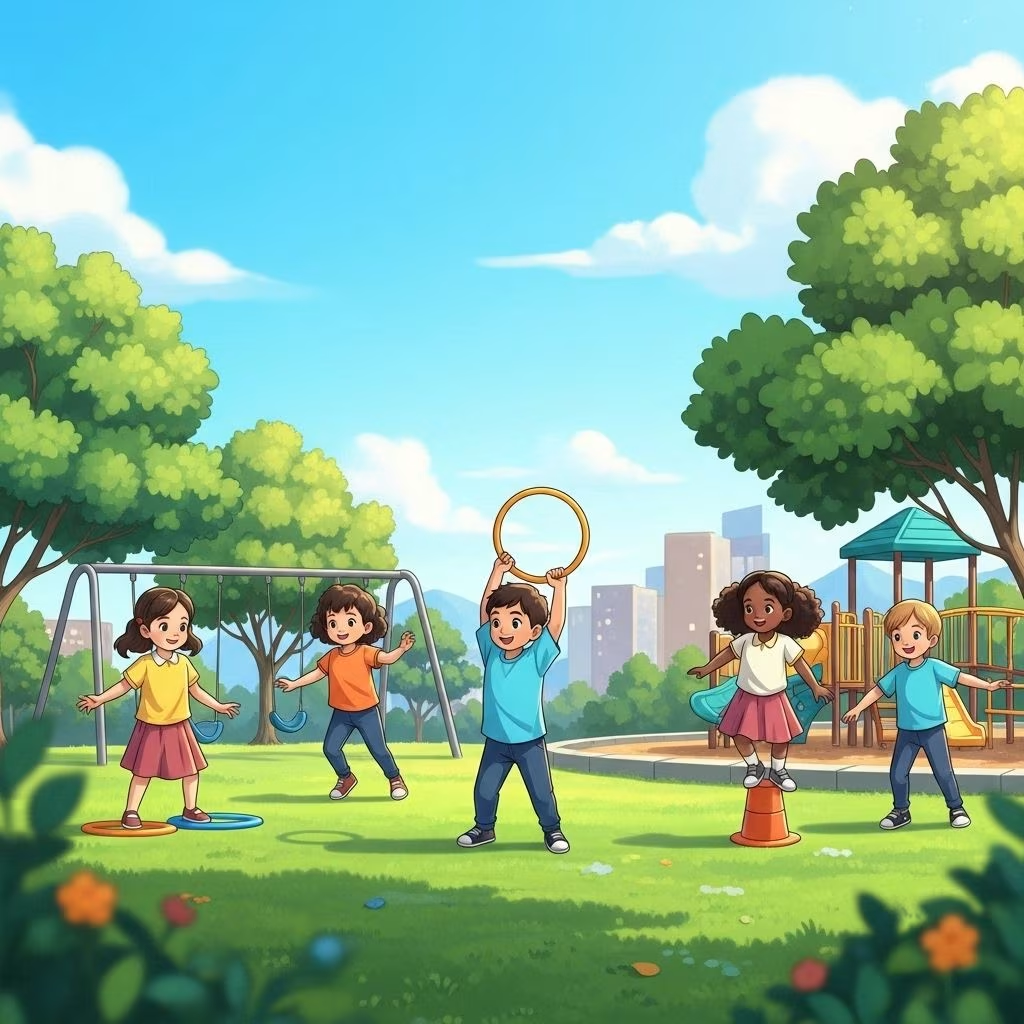
Introduction to Gross Motor Skills
Gross motor skills refer to the ability to control and coordinate large muscle groups responsible for fundamental movements such as walking, running, jumping, climbing, and balancing. Developing these skills is essential in the preschool years (typically ages 3-5), as they lay the foundation for future physical abilities, social interactions, and even cognitive development.
Children naturally acquire gross motor proficiency through movement, play, and exploration, but intentional activities and rich environments can significantly speed up and enrich this process.
Significance of Gross Motor Skill Development
Gross motor skill development is a cornerstone of early childhood growth. These abilities influence a child’s health, independence, and confidence. Building strong gross motor skills in preschoolers has lasting benefits:
- Physical Health: Promotes cardiovascular fitness, muscle strength, and bone health.
- Coordination and Balance: Children learn to control their bodies, enhancing spatial awareness and agility.
- Foundation for Fine Motor Skills: Fine motor skills are built upon gross motor abilities; controlled movement supports actions like writing or tying shoes.
- Cognitive Growth: Physical activity is linked to improved brain function, attention, and problem-solving skills.
- Self-Confidence: Success in movement builds self-efficacy, fostering social participation and resilience.
Role of Outdoor Play in Enhancing Gross Motor Skills
Outdoor play is a critical catalyst in gross motor skill development for preschoolers. Unlike indoor settings, outdoor environments offer:
- Ample Space: Children can move freely, allowing expansive activities like running, jumping, and climbing without restriction.
- Varied Terrain: Grass, sand, hills, playground structures, and uneven surfaces offer natural challenges to balance and coordination.
- Nature Engagement: Natural materials and sensory experiences develop body awareness and motor planning.
- Social and Cooperative Play: Outdoor games foster teamwork, communication, and group problem-solving.
- Encouragement of Risk-Taking: Safe risk opportunities build resilience, confidence, and adaptive motor skills.
Outdoor Environmental Features Impacting Motor Skill Growth
| Feature | Skill Impacted | Examples |
|---|---|---|
| Grass & Hills | Balance, coordination | Rolling, running, hill climbing |
| Playground Equipment | Strength, agility | Climbing, swinging, sliding |
| Natural Objects | Motor planning, sensory integration | Jumping streams, stepping stones, collecting leaves |
Benefits of Outdoor Activities for Preschoolers
Engaging preschoolers in outdoor activities specifically aimed at gross motor skill development yields numerous benefits:
- Enhanced Strength and Endurance: Activities like climbing and running activate large muscle groups, building stamina.
- Improved Coordination and Balance: Navigating uneven terrain, balancing on beams, or hopping on one foot advances overall bodily control.
- Sensory Growth: Outdoor play exposes children to sights, sounds, textures, and weather, enriching sensory experiences crucial for motor planning.
- Social Skills and Emotional Regulation: Working together, sharing equipment, and learning rules promote self-control and friendship skills.
- Healthy Habits: Regular outdoor play encourages lifelong physical activity, essential for health and wellbeing.
Top Outdoor Activities to Boost Gross Motor Skills
Preschoolers thrive with playful, open-ended tasks as well as creative and structured games. Here is an extensive selection of outdoor gross motor activities, ranging from simple to complex, suitable for home, school, or childcare settings:
Ladder Jump
- Lay a rope, tape, or lightweight ladder flat on the ground.
- Children jump between each “rung,” vary movement (single leg, both feet, sideways), or step backward as skills grow.
Nature Scavenger Hunt
- Explore the backyard or park while seeking items like pinecones, rocks, or leaves.
- Running, bending, reaching, and sorting enhance large muscle use and coordination.
Obstacle Courses
- Create pathways using cones, hula hoops, pool noodles, boxes, or logs.
- Tasks may include crawling through tunnels, balancing on beams, hopping over obstacles, and running sprints.
- Encourage varying terrain and challenges based on children’s abilities.
Paint the Fence With Water
- Hand out paintbrushes, rollers, and buckets of water.
- Let children “paint” fences, driveways, or sidewalks—this involves arm, shoulder, and core strength as well as creative play.
Playground Adventures
- Climbing on equipment, swinging, or sliding improve strength, balance, and vestibular function (inner ear sensory system).
- Social play on playgrounds fosters sharing, rule-following, and teamwork.
Relay Races and Group Games
- Set up simple races—hopping, skipping, running—to develop coordination and speed.
- Try cooperative games like “tag,” “Simon Says,” or “bear hunt” for following instructions and large muscle play.
Walking, Running, and Hiking
- Go for a walk or jog around the neighborhood or local park.
- Focus on different gaits: tiptoe, heel-walk, skipping, hopping, or galloping to challenge muscle use and movement patterns.
Bike and Scooter Riding
- Use balance bikes or scooters for younger children to safely explore leg power, steering, and coordination.
- Provide helmets and teach safe riding practices.
Ball Skills
- Throwing, catching, rolling, or kicking balls of various sizes build hand-eye coordination and agility.
- Games like soccer, basketball, or simple tossing enhance teamwork and timing.
Balancing Activities
- Set up stepping stones, logs, or wooden beams to balance on.
- Ask children to walk forward, backward, or sideways—and try balancing with eyes closed for advanced challenge.
Jumping Challenges
- Jump over puddles, low ropes, or onto soft mats for leg power and coordination.
- Use chalk to draw jumping grids or shapes to increase complexity.
Climbing and Crawling
- Encourage climbing playground structures, low trees, or safe barriers for upper-body and core strength.
- Create “tunnels” with boxes or blankets for crawling tasks that work shoulders and hips.
Water Play
- Fill buckets, splash in safe streams or shallow pools, and play with water toys.
- Carrying water, pouring, and moving around slippery surfaces improve motor planning.
Animal Walks
- Imitate animals: crab walk (sideways on hands and feet), bear crawl, frog jump, or kangaroo hop.
- These playful moves strengthen multiple muscle groups and boost imaginative play.
Sensory-Integrated Outdoor Activities
- Move through sand, mud, grass, or snow for rich tactile feedback.
- Try picking up stones or carrying sticks to combine strength with sensory exploration.
Sample Weekly Outdoor Gross Motor Plan for Preschoolers
| Day | Outdoor Activity Suggestions |
|---|---|
| Monday | Nature Scavenger Hunt; Ladder Jump |
| Tuesday | Obstacle Course; Relay Races |
| Wednesday | Playground Adventure; Animal Walks |
| Thursday | Biking/Scooter; Paint the Fence with Water |
| Friday | Group Ball Games; Balancing Activities |
Practical Tips for Maximizing Outdoor Play
- Offer Choice and Flexibility: Let children choose between different activities. Both structured and free play contribute to skill building.
- Rotate Equipment: Vary balls, beams, and simple props to maintain interest and challenge.
- Model Participation: Join in play—children often mimic adult movement, enhancing skill acquisition.
- Encourage Creativity: Use open-ended tasks (e.g., “How many ways can you move across the grass?”) to stimulate inventive movement.
- Celebrate Effort: Focus on participation and progress, not perfection, to build self-esteem.
- Mix Age Groups: Multi-age play increases challenges and encourages peer learning.
- Embrace Nature: Incorporate natural materials and outdoor weather conditions for varied sensory experience.
Safety Considerations for Outdoor Activities
- Check for safe, well-maintained play surfaces free from sharp objects and hazards.
- Supervise closely, especially during climbing or water play.
- Encourage appropriate risk-taking within boundaries, supporting confidence development.
- Use safety equipment (e.g., helmets for biking, sunscreen for outdoor protection).
- Teach rules for group play and model positive, safe behaviors.
Frequently Asked Questions (FAQs)
Q: Why are gross motor skills so critical for preschoolers?
A: Gross motor skills are foundational for a child’s physical, cognitive, and emotional development, enabling independence in daily tasks and successful participation in group and solo activities.
Q: How much outdoor play is recommended each day?
A: Most guidelines suggest preschoolers engage in at least 60 minutes of moderate to vigorous physical activity daily, much of which can be achieved through outdoor gross motor play.
Q: What if my child struggles with gross motor skills?
A: Try varying activities, decreasing difficulty, or introducing more playful and supportive options. Consult a pediatrician or occupational therapist if delays persist.
Q: Can indoor activities also support gross motor development?
A: Yes, activities like dancing, marching, or movement games indoors also enhance gross motor skills, but outdoor play adds unique benefits like space and nature engagement.
Q: How can I make outdoor activities appealing to my child?
A: Keep activities fun, varied, and open-ended. Rotate games, invite friends, and encourage creative play. Participation and enthusiasm from caregivers inspire engagement.
Conclusion
Outdoor activities rooted in exploration, movement, and creativity are the most effective—and enjoyable—way to develop gross motor skills in preschoolers. By offering diverse opportunities for running, jumping, climbing, and balancing, adults can ensure children build a robust foundation for lifelong health, confidence, and learning. Embrace the excitement of outdoor play, encourage participation, and celebrate progress as preschoolers leap, run, and grow in the great outdoors.
References
- https://discoverybuildingsets.com/gross-motor-activities/
- https://janpetersoncdc.com/blog/the-role-of-outdoor-play-in-gross-motor-development/
- https://www.prairiegrittherapy.com/grow-with-grit/summer-activities-to-improve-gross-motor-skills
- https://ptotkids.com/how-outdoor-activities-for-kids-enhance-motor-skills-development/
- https://poppyseedplay.com/blogs/calm/gross-motor-activities-for-preschoolers
- https://www.midlakes.org/about/special-programs-services/home-activities-to-improve-motor-skills/gross-motor-activities
- https://extension.psu.edu/programs/betterkidcare/news/supporting-fine-and-gross-motor-skills-in-and-out-of-the-classroom


