


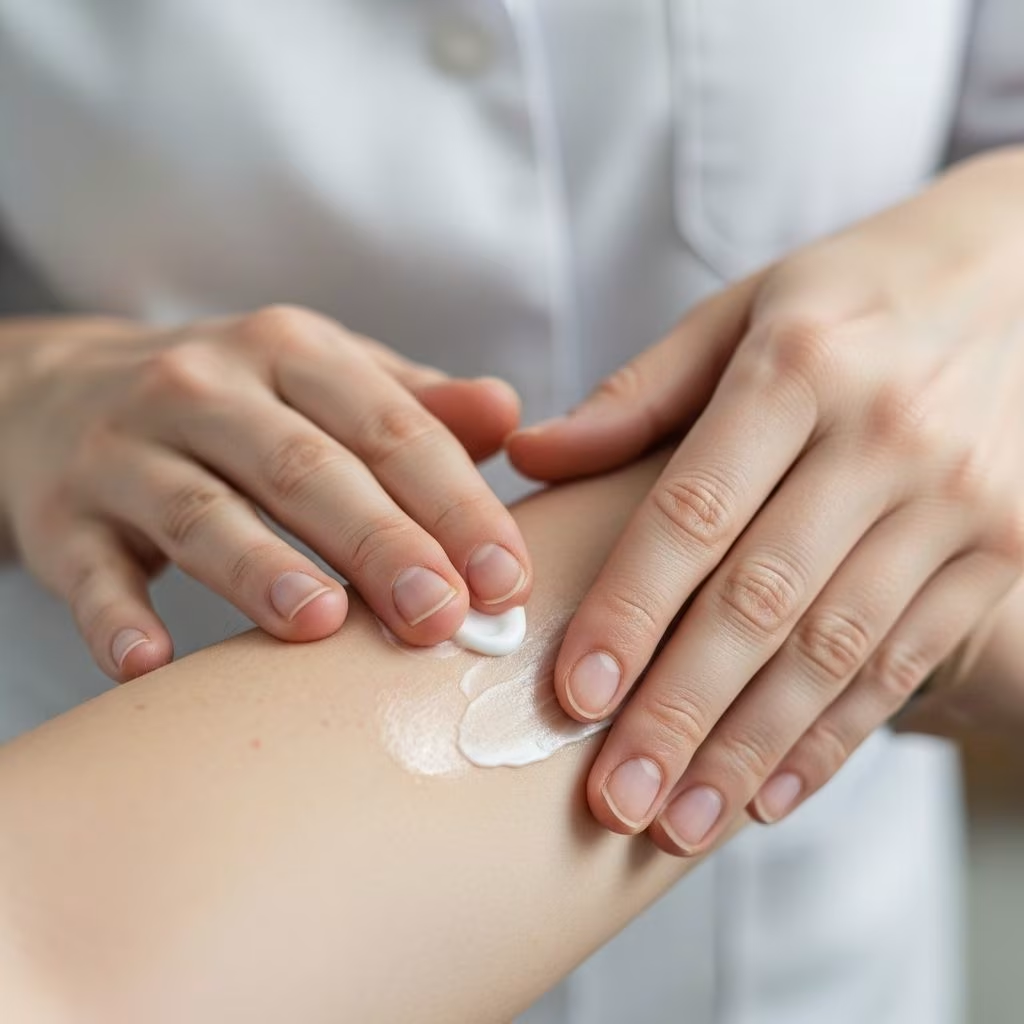
Understanding the Connection Between Autism and Skin Health
Dermatological care for individuals with autism spectrum disorder (ASD) represents a critical intersection of neurodevelopmental health and skin medicine. The relationship between autism and dermatological conditions is complex, involving sensory processing differences, communication barriers, and heightened susceptibility to certain skin conditions. Research indicates that individuals with autism experience skin conditions at higher rates than the general population, making specialized dermatological care not just beneficial but essential.
The neurological differences inherent in autism significantly impact how individuals perceive and respond to tactile sensations. These sensory processing variations can manifest as hypersensitivity or hyposensitivity to touch, texture, temperature, and other skin-related stimuli. Such differences directly influence both the development of dermatological conditions and the individual’s ability to tolerate standard examination and treatment procedures.
Sensory hypersensitivity, commonly observed in autism, can make routine dermatological examinations overwhelming or intolerable. The bright lights of examination rooms, the texture of medical equipment, or even gentle touch during physical examination can trigger significant distress. Conversely, individuals with sensory hyposensitivity might not adequately perceive skin irritation or injury, potentially leading to delayed recognition and treatment of dermatological issues.
Common Dermatological Conditions in Autism
Atopic Dermatitis and Eczema
Atopic dermatitis, commonly known as eczema, represents one of the most prevalent skin conditions among individuals with autism. This chronic inflammatory condition causes the skin to become red, inflamed, itchy, and sometimes dry or cracked. The prevalence of eczema in children with autism is significantly higher than in neurotypical populations, with multiple contributing factors including genetic predisposition, immune system differences, and environmental triggers.
The relationship between autism and eczema is particularly complex due to the sensory aspects of the condition. The intense itching associated with eczema can be especially distressing for individuals with autism who may have heightened sensitivity to uncomfortable sensations. This can lead to excessive scratching, which worsens the condition and potentially creates secondary skin infections.
Environmental factors such as stress, which many individuals with autism experience due to daily challenges with communication and social interaction, can trigger or exacerbate eczema flares. Additionally, sensitivities to certain fabrics, detergents, or skincare products can contribute to ongoing skin irritation and inflammation.
Contact Dermatitis
Contact dermatitis occurs when the skin reacts to direct contact with allergens or irritants, resulting in redness, itching, swelling, and sometimes blistering. Individuals with autism are particularly susceptible to contact dermatitis due to their heightened sensitivities to various materials and substances commonly found in everyday products.
Common triggers for contact dermatitis in individuals with autism include specific clothing fabrics such as wool or synthetic materials, laundry detergents with strong fragrances or harsh chemicals, personal care products containing irritating ingredients, and even certain foods that may come into contact with the skin during eating or food preparation.
Dry Skin and Xerosis
Dry skin conditions are frequently observed in individuals with autism, often resulting from a combination of genetic factors, environmental influences, and behavioral patterns. The skin’s natural barrier function may be compromised, leading to increased water loss and subsequent dryness, scaling, and irritation.
Behavioral factors unique to autism, such as repetitive behaviors or stimming, can contribute to skin dryness and irritation. Some individuals may engage in repetitive touching, rubbing, or picking at their skin, which can disrupt the skin barrier and exacerbate dryness.
Self-Injurious Skin Behaviors
A subset of individuals with autism may engage in self-injurious behaviors that affect the skin, including repetitive scratching, picking, or rubbing. These behaviors can result from various factors including sensory seeking, anxiety, frustration, or communication difficulties. The resulting skin trauma can lead to secondary complications such as infections, scarring, or chronic dermatitis.
Sensory Processing Challenges in Dermatological Care
Understanding sensory processing differences is fundamental to providing effective dermatological care for individuals with autism. These differences significantly impact every aspect of the healthcare experience, from the initial examination to ongoing treatment adherence.
Tactile Sensitivities
Tactile hypersensitivity can make standard dermatological procedures extremely challenging. Light touch during examination may be perceived as uncomfortable or even painful, while certain textures of medical equipment, examination table paper, or topical medications may trigger sensory aversion. Healthcare providers must be prepared to modify their approach, potentially using firm rather than light touch, allowing the individual to feel equipment before it touches their skin, or using alternative examination techniques.
Visual and Auditory Sensitivities
The clinical environment itself can present significant challenges for individuals with autism. Bright examination room lighting, particularly fluorescent lights, can cause sensory overload and distress. Similarly, unexpected sounds from medical equipment or activity in adjacent rooms can be overwhelming. These environmental factors can interfere with the individual’s ability to cooperate during examination and treatment.
Temperature Sensitivity
Many individuals with autism have altered perception of temperature, which can affect their comfort during dermatological procedures. Cold examination rooms, cool topical medications, or temperature changes during treatment can cause significant discomfort or distress.
Clinical Examination Adaptations
Successful dermatological examination of individuals with autism requires thoughtful adaptation of standard procedures to accommodate sensory sensitivities and communication differences.
Pre-Visit Preparation
Effective dermatological care begins before the clinical encounter. Providing detailed information about what to expect during the visit can help reduce anxiety and improve cooperation. This may include visual schedules showing the sequence of examination steps, photographs of the examination room and equipment, and clear explanations of procedures in simple, concrete language.
Scheduling considerations are also important. Appointments should be scheduled at times when the individual is typically most calm and alert, often earlier in the day. Allowing extra time for the appointment reduces pressure and permits a more gradual, gentle approach to examination.
Environmental Modifications
The physical examination environment should be adapted to reduce sensory stress. This includes dimming harsh lighting or using natural light when possible, minimizing background noise and unexpected sounds, maintaining comfortable room temperature, and removing or covering potentially distressing visual stimuli.
Having familiar objects or comfort items available can help reduce anxiety during the examination. Some individuals may benefit from bringing a favorite toy, blanket, or other familiar item that provides sensory comfort.
Communication Strategies
Effective communication is essential for successful dermatological care. Healthcare providers should use clear, simple language and avoid medical jargon. Visual aids, including pictures or diagrams, can help explain procedures and conditions. For individuals who use alternative communication methods, accommodating these preferences is crucial.
Allowing adequate processing time is important, as individuals with autism may need more time to understand and respond to questions or instructions. Providers should also be prepared to repeat information or present it in different ways to ensure understanding.
Treatment Strategies and Approaches
Medication Considerations
Treatment approaches for dermatological conditions in individuals with autism must consider sensory sensitivities and potential compliance challenges. Topical medications may present texture or scent issues that make application difficult or aversive. Healthcare providers should explore different formulations, such as creams versus ointments versus lotions, to find options that are sensory-acceptable to the individual.
Application techniques may need modification. Some individuals may tolerate medication application better when they can participate in the process or when specific tools such as brushes, sponges, or cotton applicators are used instead of direct hand application.
Non-Pharmacological Interventions
Non-medication approaches play a crucial role in managing dermatological conditions in autism. Environmental modifications to reduce exposure to known irritants or allergens can prevent condition exacerbation. This includes selecting appropriate clothing fabrics, using hypoallergenic personal care products, and modifying laundry practices.
Behavioral interventions may be necessary to address self-injurious skin behaviors or to improve treatment compliance. Working with behavioral specialists can help develop strategies to redirect harmful behaviors and promote positive skin care habits.
Skincare Routine Development
Establishing consistent skincare routines can be particularly beneficial for individuals with autism who often thrive on predictability and structure. However, these routines must be carefully tailored to individual sensory preferences and tolerances.
Product selection should prioritize gentle, hypoallergenic formulations without strong fragrances or harsh chemicals. The routine should be simple and manageable, with clear steps that can be consistently followed. Visual schedules or step-by-step guides can help support routine adherence.
Environmental Modifications for Comfort
Creating sensory-friendly environments is essential for successful dermatological care. These modifications benefit not only individuals with autism but can improve the healthcare experience for all patients with sensory sensitivities.
Lighting Adjustments
Examination rooms should have adjustable lighting options, including dimmer switches or alternative lighting sources that can provide adequate illumination for examination without causing sensory discomfort. Natural lighting, when available, is often better tolerated than harsh fluorescent lighting.
Sound Management
Minimizing unexpected or loud sounds in the clinical environment helps reduce sensory stress. This may involve using quieter medical equipment when possible, providing advance warning of any necessary sounds, and maintaining a generally calm, quiet atmosphere in the clinical area.
Physical Space Considerations
The examination room layout should be uncluttered and predictable. Medical equipment should be organized and, when possible, covered or put away when not in use to reduce visual distractions. Providing adequate space for movement and positioning options can help individuals find comfortable positions during examination.
Communication Techniques for Better Care
Effective communication forms the foundation of successful dermatological care for individuals with autism. Healthcare providers must adapt their communication style to accommodate different communication abilities and preferences.
Visual Communication Supports
Visual aids can significantly enhance communication and understanding. These may include picture cards showing different skin conditions, visual schedules outlining appointment procedures, diagrams explaining treatment steps, and before-and-after photographs to illustrate treatment progress.
For individuals who use augmentative and alternative communication (AAC) devices, healthcare providers should be familiar with these tools and allow adequate time for their use during appointments.
Language Considerations
Communication should use concrete, literal language while avoiding abstract concepts or figures of speech that may be confusing. Instructions should be broken down into simple, sequential steps. Providers should also be aware that some individuals with autism may interpret language very literally, so precision in wording is important.
Processing Time and Patience
Individuals with autism may need additional time to process information and formulate responses. Healthcare providers should allow adequate time for this processing and avoid rushing through appointments. Repeated explanations may be necessary, and information may need to be presented in multiple ways to ensure understanding.
Family and Caregiver Support
Family members and caregivers play crucial roles in supporting dermatological care for individuals with autism. Their involvement extends beyond the clinical appointment to daily skincare management and ongoing monitoring of skin conditions.
Education and Training
Caregivers need comprehensive education about skin conditions, treatment approaches, and how autism-related factors may influence care. This includes understanding sensory sensitivities and their impact on skincare, recognizing signs of skin condition changes or complications, learning proper application techniques for topical medications, and developing strategies for managing challenging behaviors related to skincare.
Home Environment Adaptations
The home environment may need modifications to support optimal skin health. This can include selecting appropriate clothing fabrics and textures, using hypoallergenic laundry products, maintaining appropriate humidity levels, and creating calm environments for skincare routines.
Advocacy and Communication
Caregivers often serve as advocates and interpreters for individuals with autism during healthcare encounters. They provide essential information about the individual’s sensory preferences, communication style, behavioral patterns, and historical responses to various treatments. This information is crucial for healthcare providers to develop effective, individualized care plans.
Frequently Asked Questions
Q: How can I prepare my child with autism for a dermatology appointment?
A: Preparation should begin several days before the appointment. Use visual schedules or social stories to explain what will happen during the visit. If possible, visit the clinic beforehand to familiarize your child with the environment. Bring comfort items and schedule the appointment during your child’s best time of day.
Q: What should I do if my child with autism refuses to let the dermatologist examine them?
A: Work with the healthcare provider to find alternative approaches. This might include allowing your child to explore the examination room first, using preferred positioning, or breaking the examination into smaller segments with breaks. Sometimes starting with less invasive parts of the examination can help build comfort.
Q: Are certain skincare products better for individuals with autism?
A: Generally, gentle, hypoallergenic products without strong fragrances are best. However, individual sensory preferences vary greatly. Some may prefer thicker creams while others prefer lighter lotions. It may take trial and error to find products with acceptable textures and scents.
Q: How can I help my child with autism apply topical medications?
A: Consider using application tools like brushes, sponges, or cotton applicators if direct touch is aversive. Allow your child to participate in the process when possible. Establish a consistent routine and use visual schedules to support the process. Some children may tolerate application better immediately after bathing when the skin is already wet.
Q: What environmental factors should I consider to prevent skin problems in autism?
A: Focus on reducing exposure to potential irritants including harsh chemicals in cleaning products, rough or scratchy fabrics, extreme temperatures, and known allergens. Maintain appropriate humidity levels in the home, use gentle laundry detergents, and be mindful of any environmental factors that seem to trigger skin reactions or behavioral responses.
Q: When should I seek specialized dermatological care for autism-related skin issues?
A: Seek specialized care when standard treatments are not effective, when skin conditions are interfering with daily functioning, when self-injurious skin behaviors are present, or when you need help adapting treatment approaches to accommodate sensory sensitivities. Dermatologists with experience in autism can provide valuable expertise in managing complex cases.
References
- https://pmc.ncbi.nlm.nih.gov/articles/PMC12149664/
- https://entivabehavioralhealth.com/blogs-autism-and-skin-conditions-what-you-should-know/
- https://wellconnected.murad.com/neurodivergent-heres-how-to-rethink-skincare-when-you-have-adhd/
- https://pmc.ncbi.nlm.nih.gov/articles/PMC10636404/
- https://www.dermatologytimes.com/view/tips-treating-children-autism
- https://www.autism.org.uk/advice-and-guidance/topics/about-autism/sensory-processing
- https://www.autismparentingmagazine.com/hyperesthesia-autism/
- https://onlinelibrary.wiley.com/doi/abs/10.1111/pde.12548
- https://autism.org/sensory-integration/


