


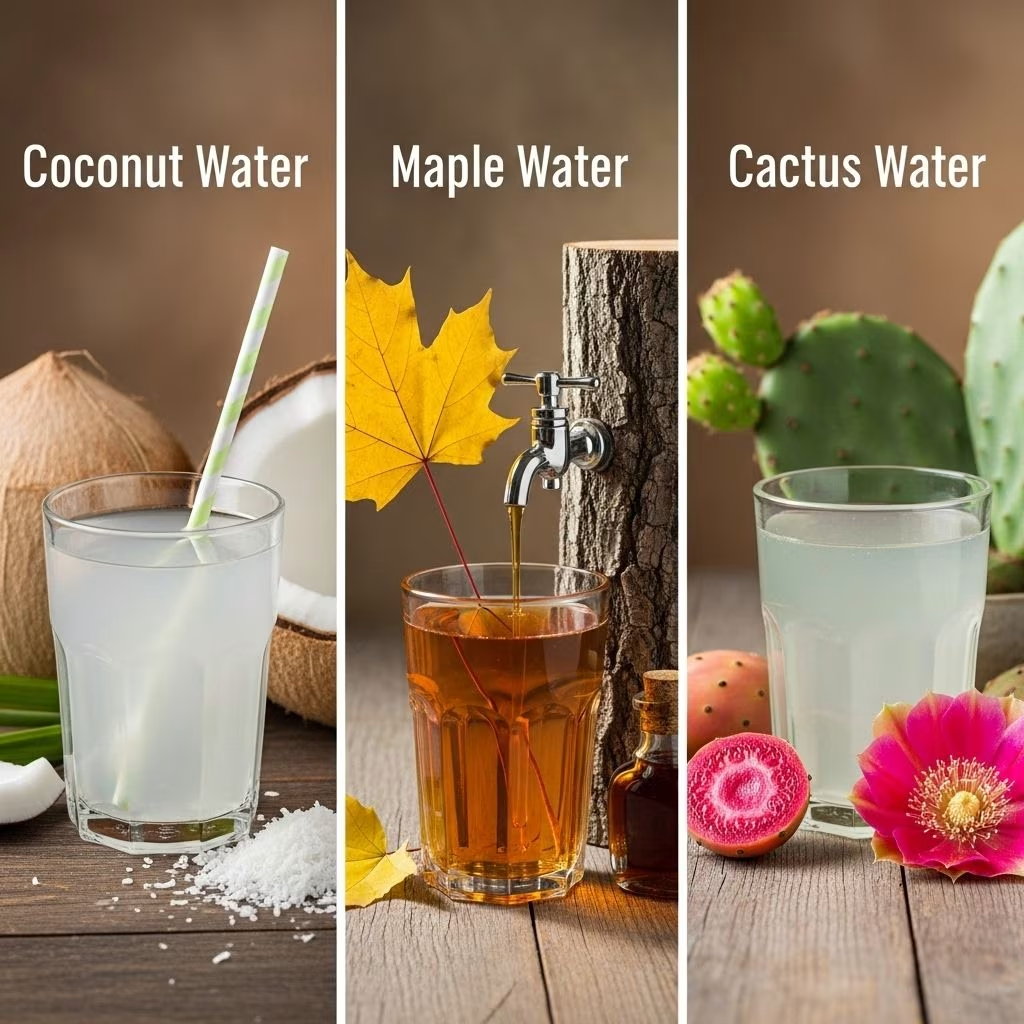
Coconut vs. Maple vs. Cactus Water for Hydration: Health Benefits, Nutrition, and Sustainability Compared
Consumers seeking new ways to stay hydrated while consuming fewer calories and sugars are increasingly turning to plant-based waters. Coconut water, maple water, and cactus water are three popular options, each with unique nutritional profiles, flavors, and environmental impacts. This comprehensive guide compares these beverages to help you choose the best option for your hydration needs, wellness goals, and sustainability values.
Introduction
Hydration is essential for health, affecting everything from energy levels to cognitive performance and muscle recovery. While water remains the benchmark, drinkers increasingly seek alternatives that provide not only fluids, but also electrolytes, vitamins, and other wellness-promoting compounds. Coconut, maple, and cactus water are among the frontrunners for those searching for refreshing, natural, and functional options.
The Rise of Plant-Based Waters
For decades, coconut water dominated the plant-based beverage landscape, celebrated for its electrolyte content and mild tropical sweetness. In recent years, the marketplace has welcomed a broader array of options, notably cactus and maple water. Factors driving this trend include interest in natural ingredients, lower-sugar choices, added functional benefits, and sustainable sourcing.
Plant-based waters deliver hydration, but each offers distinct perks that set them apart from ordinary bottled water and sugar-laden sports drinks.
Overview: Coconut, Maple, and Cactus Water
| Beverage | Main Source | Key Nutrients | Distinctive Features |
|---|---|---|---|
| Coconut Water | Liquid from green coconuts | Potassium, magnesium, calcium, sodium, vitamin C | Rich in electrolytes, moderately sweet tropical flavor |
| Maple Water | Sap of maple trees (before boiling to syrup) | Manganese, potassium, calcium, magnesium, polyphenols | Mildly sweet, subtle earthy taste, low in sugar |
| Cactus Water | Puréed fruit of prickly pear cactus | Vitamin C, vitamin E, magnesium, fiber, betalains, taurine | High in antioxidants, light berry flavor, minimal calories and sugar |
Nutritional Comparison
- Coconut Water contains about 70 calories and over 15 grams of sugar per serving, along with a broad spectrum of electrolytes, especially potassium.
- Cactus Water offers less than half the calories and sugar of coconut water, plus fiber and unique antioxidants. Typically, one serving (approx. 250ml) delivers about 30 calories, lower sugar, and negligible fat content.
- Maple Water is even lighter, with roughly 20–30 calories per serving and 5–7 grams of sugar. It provides trace minerals like manganese and has a subtler sweetness, making it less likely to spike blood sugar[10].
| Nutrient (per serving ~250ml) | Coconut Water | Maple Water | Cactus Water |
|---|---|---|---|
| Calories | ~70 | ~25 | ~30 |
| Sugar (g) | 15–18 | 5–7 | 6–7 |
| Potassium | ~400mg | ~35mg | ~30mg |
| Magnesium | ~15mg | ~15mg | ~10mg |
| Calcium | ~20mg | ~25mg | ~15mg |
*Exact values may vary by brand and source.
Hydration Benefits
- Electrolyte Content: All three drinks provide electrolytes such as potassium, magnesium, and calcium, which help regulate fluid balance, nerve transmission, and muscle function.
- Coconut Water is commonly used as a post-workout hydrator due to its higher potassium and magnesium, helping to prevent muscle cramps and support recovery.
- Cactus Water delivers hydration with a lighter taste, lower sugar, and anti-inflammatory compounds, making it a preferred choice for daily refreshment and those seeking a lower calorie profile.
- Maple Water hydrates efficiently while providing essential minerals and a milder sweetness, which may be better for people sensitive to sugar spikes or flavor fatigue.
All three beverages can replenish fluids and promote hydration. However, coconut water’s higher electrolyte content makes it a favorite among athletes, while cactus and maple water appeal for everyday hydrating without excess sugar or calories.
Antioxidants and Vitamins
- Cactus Water leads in antioxidant diversity. It contains vitamin C, vitamin E, betalains (powerful anti-inflammatory pigments), taurine, and flavonoids. These support skin health, cell integrity, and reduce inflammation.
- Coconut Water offers vitamin C, some B vitamins, and polyphenols, in addition to potassium. However, excess potassium can imbalance the body if consumed in high amounts.
- Maple Water provides unique plant polyphenols and is a significant source of manganese—important for bone development and metabolic functions. It contains low-to-moderate levels of vitamin B compounds and is less antioxidant-rich than cactus water.
For those prioritizing antioxidants, cactus water offers the richest array of bioactive substances, including rare compounds such as betalains and taurine.
Calories & Sugar: How They Stack Up
- Coconut Water: While seen as healthy, its calories and sugar content can accumulate, especially if consumed as a regular refreshment.
- Cactus Water: Provides hydration with lower sugar and calories, making it appealing for weight management and metabolic health.
- Maple Water: Has the least sugar and calories, offering a subtle sweetness and a gentle nutrient boost with minimal metabolic impact[10].
For those with diabetes, or those tracking calorie intake, cactus and maple waters are better choices than coconut water. However, coconut water’s sugar and calorie counts compare favorably to soft drinks or fruit juices.
Sustainability and Environmental Impact
- Coconut Water: Coconut cultivation is water-intensive (around 3,000 litres per kilo of coconut) and may involve long supply chains, occasionally contributing to deforestation or monoculture concerns.
- Cactus Water: Prickly pear cacti thrive in arid climates, require virtually no irrigation beyond rainfall once established, restore degraded soils, absorb carbon dioxide, and rarely use fertilizers or pesticides. Thus, cactus is among the most sustainable fruit-yielding plants globally.
- Maple Water: Harvested from mature maple trees, tapping for water is a gentle practice that does not harm the tree, and the maple forests provide ecosystem benefits. However, local impacts can vary by region.
Cactus water is the clear leader in sustainability, reflecting minimum resource inputs and a positive environmental footprint. Coconut and maple water still offer benefits compared to sweetened or heavily processed drinks, but cactus water is ideal for those with eco-conscious values.
Taste and Flavor Profiles
- Coconut Water: Mild, tropical, and nutty; can taste sweet or even slightly salty, depending on coconut age.
- Maple Water: Subtly sweet and delicate, less intense than coconut or cactus water. Some consumers describe a slight earthy aftertaste, pleasant and unobtrusive.
- Cactus Water: Berry-like, lightly fruity, and refreshing, without overpowering sweetness. Some blends include added fruit flavors for variety.
Flavor preference is subjective, but cactus water’s refreshing, lighter profile is increasingly popular among people seeking a less sweet alternative to coconut water.
Best Uses and Ideal Consumer Profiles
- Coconut Water: Suited for post-exercise recovery, intense heat, or endurance activities due to higher electrolyte replenishment. Watch sugar intake if drinking daily.
- Maple Water: Best for light hydration during casual or moderate activity, or for those wanting gentle refreshment and lower sugar.
- Cactus Water: Excellent for daily hydration, antioxidants, and skin health support. Optimal for active individuals, those managing blood sugar, or anyone seeking a sustainable, health-promoting beverage.
Potential Side Effects & Considerations
- Coconut Water can raise potassium levels if consumed in excess, potentially stressing kidney function in susceptible individuals.
- Maple Water is generally well-tolerated, though some brands may add sugars or flavorings; check product labels for purity.
- Cactus Water contains natural fiber and low calories, rarely presenting side effects. However, those with allergic reactions to cacti should exercise caution.
Frequently Asked Questions (FAQs)
Q: Which plant-based water offers the most electrolytes?
Coconut water delivers the highest electrolyte content, especially potassium and magnesium, making it suitable for intensive activity and recovery. However, both cactus and maple water provide essential electrolytes with fewer sugars and calories.
Q: Is cactus water better for daily hydration?
Yes. Cactus water offers balanced hydration, very low calories, valuable antioxidants, and minimal sugar, making it a strong choice for everyday refreshment.
Q: Can diabetics consume these waters safely?
In moderation, cactus and maple water are better suited due to their lower sugar profiles. Monitor portions and choose unsweetened or minimally processed varieties[10].
Q: Are there any risks with coconut water?
Potentially, when consumed in excess, coconut water can disrupt potassium balance. For those with kidney disease or on potassium-restricted diets, limit intake or consult with a healthcare professional.
Q: Which beverage is most eco-friendly?
Cactus water is the most sustainable choice due to low water needs, carbon-capturing qualities, restorative effects on soil, and minimal external inputs. Maple water also rates highly, while coconut water has a more resource-intensive production cycle[10].
Conclusion
In choosing between coconut, maple, and cactus water for hydration, consider your primary goal. If maximizing electrolyte replenishment for sport is key, coconut water stands out. For lower sugar, fewer calories, and antioxidant support, cactus water leads, while maple water appeals for its milder taste and ultra-light profile. All three provide hydration and functional nutrition, but cactus water answers the call for health, sustainability, and daily refreshment most completely.
Always check product labels for added sugars and flavorings, and consider your own nutritional needs when making a choice. With these insights, you can hydrate confidently and match your wellness values with every sip.
References
- https://drinkcaliwater.com/blogs/news/cactus-water-vs-coconut-water-how-do-they-stack-up-and-which-is-better-for-you
- https://cactodrinks.com/blogs/news/cactus-water-vs-coconut-water
- https://drinkcaliwater.com/blogs/news/plant-based-waters-are-trending
- https://www.alive.com/food/cool-waters/
- https://pricklee.com/blogs/learn/cactus-water-vs-coconut-water
- https://whalebonemag.com/5-types-of-drinking-water-that-are-flexing-on-regular-drinking-water/
- https://www.ateriet.com/a-closer-look-at-health-waters-learn-all-about-this-drink-trend/
- https://www.bevsource.com/news/redefining-refreshment-the-emergence-of-plant-based-and-functional-water
- https://www.bestfoodfacts.org/plant-based-water-vs-plain-water-whats-the-deal/
- https://cherrycreeknutrition.com/new-plant-waters-on-the-block-maple-birch-cactus-coconut/


