


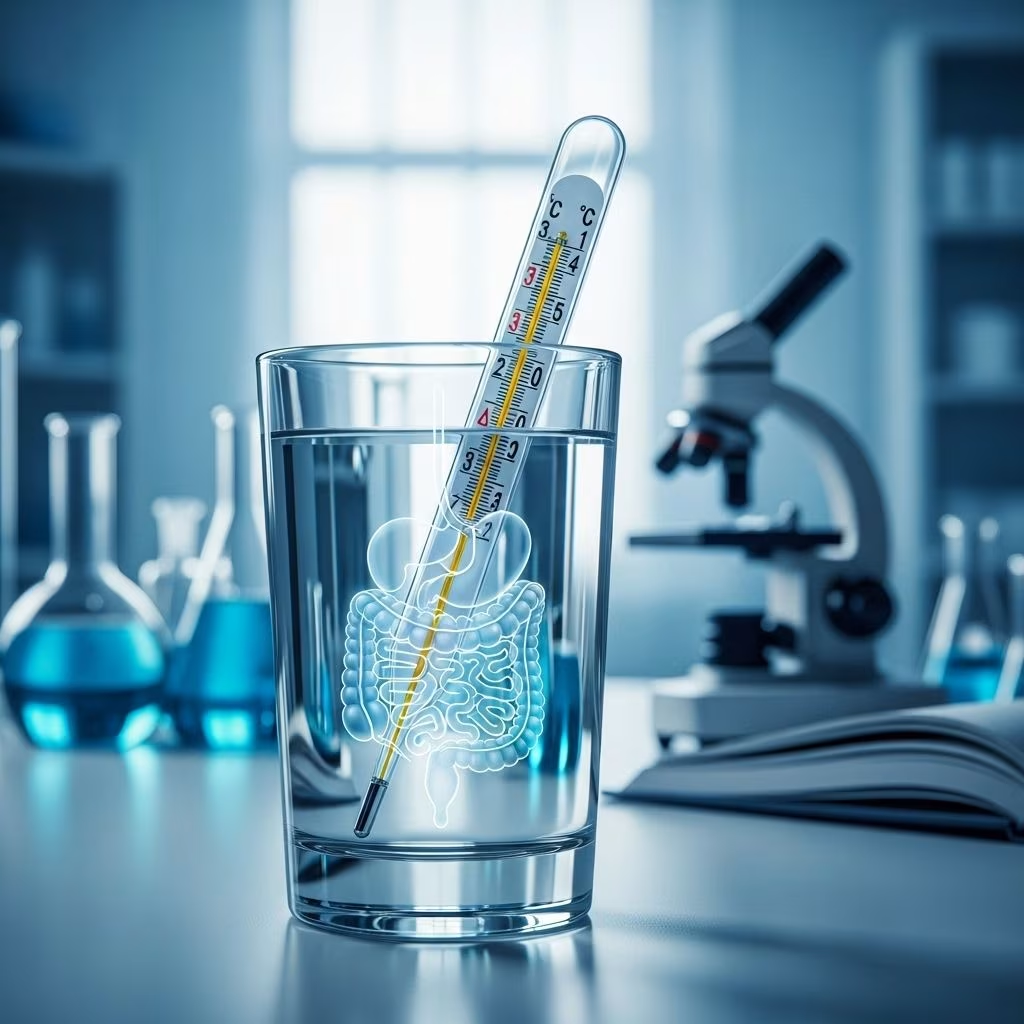
Does the temperature of the water we drink really influence how well we digest our meals, or is it just a matter of comfort and tradition? While much of our routine hydration happens on autopilot, scientific research, traditional wisdom, and evolving clinical practices all suggest the temperature of your drink could matter far more than you think. This comprehensive article breaks down the physiology, conflicting studies, and age-old practices regarding the effects of cold and warm water on the digestive system and gut health.
Introduction: Why Water Temperature for Digestion Matters
Water is essential for breaking down food, dissolving nutrients, and carrying them throughout the body. But does its temperature alter these digestive dynamics? Recent clinical trials, microbiological research, and global traditions offer compelling perspectives. While many people favor a particular temperature for comfort, understanding the actual physiological and metabolic differences provides insights for optimal gut health, nutrition, and hydration habits.
Understanding Digestion: Key Processes Involved
Before exploring water temperature’s impact, it’s crucial to review how digestion works:
- Mouth: Mechanical breakdown starts with chewing and saliva production.
- Esophagus: Food travels down via muscular contractions (peristalsis).
- Stomach: Churns food into chyme; acid and enzymes start protein digestion.
- Small Intestine: Enzymatic breakdown finishes, and most nutrients absorb.
- Large Intestine: Water reabsorbs, microbes ferment leftover matter.
Hydration is crucial at every stage, affecting enzyme function, gastric motility, and transit time.
Cold Water and Digestion: Current Scientific Evidence
Altered Gastric Motility and Satiety
Recent clinical studies have examined how cold water (as low as 2°C) affects stomach function:
- Consuming 500 mL of 2°C water suppresses gastric contractions and reduces voluntary food intake compared to drinking warm (37°C) or hot water (60°C). This suggests that cold water may enhance satiety and, potentially, support weight management.
- Cold water enlarges the stomach antrum temporarily, slowing down gastric contractions for up to an hour post-consumption.
- Perceived hunger is lower after cold water intake compared to hot water, possibly due to changes in gut hormones such as motilin, which regulates satiety.
Impact on Gut Inflammation and Microbiota
- Animal models of colitis have shown that chronic 0°C water intake can reduce digestive inflammation and improve gut barrier function. It also supports the growth of beneficial bacteria (e.g., Blautia and Parasutterella) and increases short-chain fatty acids which promote gut health.
- Cold water consumption lowered gastrointestinal temperature, providing a mild anti-inflammatory effect and potentially benefitting those with inflammatory bowel conditions.
Metabolism and Thermogenesis
- Drinking cold water can temporarily increase energy expenditure (thermogenesis) as the body works to warm the ingested water to core temperature. This effect is more pronounced following cold water than warm or hot water.
Summary of Scientific Findings
Overall, cold water may temporarily slow digestive activity, reduce hunger, and mildly boost calorie burning. There is also promising preclinical evidence of anti-inflammatory effects and shifts in microbial composition favoring gut health in specific contexts (e.g., colitis).
Warm Water and Digestion: What Modern Medicine Says
Effects on Gastric Motility
- Drinking warm or hot water (37-60°C) may accelerate gastric emptying and slightly increase contractile frequency of the stomach compared to cold water.
- This may translate into faster digestion and a more rapid return of hunger.
Gastrointestinal Disorders
- In conditions like achalasia (where the lower esophageal sphincter doesn’t relax), hot water or beverages help the esophageal muscles relax, making swallowing and digestion easier.
Perceptions of Digestive Comfort
- Some people find that warm water soothes the stomach during digestive distress or upper respiratory illness, though clinical evidence for enhanced digestion is limited.
- Warm beverages may provide psychological comfort, but their direct physiological advantage for healthy individuals remains minimal according to current research.
Summary of Warm Water Science
Warm water may support faster digestion and provide relief for some gastrointestinal conditions, but for the average healthy person, its direct physiological impact is modest. Personal comfort and cultural habits may therefore take precedence for many.
Water Temperature and Gut Health: Microbiota and Disease
- Water temperature appears to modulate the composition of the gut microbiota and intestinal barrier function.
- Chronic cold water intake in animal models enhanced beneficial bacteria and short-chain fatty acids, strengthening gut integrity and dampening inflammation.
- Hot water (40°C) aggravated intestinal inflammation and negatively altered microbiota profiles in colitis models.
- These findings are preliminary and may not directly translate to humans, but they suggest that chilled water could have situational benefits for gut inflammatory disorders.
Traditional Perspectives: Ayurveda and Ancient Wisdom
Ayurveda’s Approach
- Ayurvedic medicine teaches that drinking cold water “dampens the digestive fire” (Agni), making digestion sluggish and leading to toxin accumulation.
- Warm or hot water is said to strengthen Agni, ease digestion, flush out toxins, and support regular elimination.
- Ayurvedic principles recommend drinking room temperature or warm water with or before meals, not cold.
Chinese Medicine Viewpoint
- Traditional Chinese Medicine also favors warm water for optimal digestion and balance, citing adverse effects of cold water on spleen and stomach Qi.
Western Traditions and Modern Habits
- In much of the Western world, cold drinks are standard at meals, often for pleasure, refreshment, or perceived metabolic boost.
- Scientific evidence does not firmly support—or contradict—the tenets of these traditions, suggesting a blend of physiology and cultural habituation shapes global drinking patterns.
Physiological Effects: How Water Temperature Impacts the Body
Body Temperature Regulation
- Cold water ingestion briefly reduces the temperature of the gastrointestinal tract before being buffered to core temperature.
- This triggers thermogenesis (heat production), especially after large or repeated intake of cold water.
- Warm water produces less demand for thermoregulation, allowing the body to focus on digesting rather than temperature balancing.
Hydration and Rehydration
- Athletic research indicates cool water (~16°C or 60°F) optimizes fluid intake and rehydration in hot weather, helping people drink more and sweat less.
- Very cold water may not be absorbed as quickly as room temperature water, but differences are minor for most healthy individuals when total fluid consumption is sufficient.
Digestive Enzyme Activity
- High temperatures (like in overheated environments) can reduce digestive enzyme secretion, as shown in fish models, but moderate variations in intake temperature via beverages do not markedly inhibit human digestive enzyme function.
Differences in Special Populations: Athletes, Disease, and Age
- Athletes: Cool water helps with rehydration efficiency and reduces overheating, optimizing performance and comfort during exercise.
- People with Achalasia or Specific GI Disorders: Warm or hot water may help relax esophageal muscles and aid food passage.
- Inflammatory Bowel Conditions: Emerging research in animal models indicates potential for cold water to protect gut lining and reduce inflammation.
- Elderly and Vulnerable Populations: Individual comfort and gastrointestinal sensitivity should guide water temperature choice.
Practical Recommendations for Everyday Hydration
- For general hydration, the temperature of water is usually a matter of personal preference, as most scientific effects are short-lived or minor.
- People with sensitive stomachs, reflux, or esophageal conditions may benefit from warm water or beverages.
- Consider cool water for enhanced satiety before meals if weight management is a goal.
- Aim for cool (but not icy) water for rehydration after exercise in hot conditions.
- Pay attention to how your body feels—individual comfort and tolerability should take precedence.
Cold vs. Warm Water Table: Impact at a Glance
| Aspect | Cold Water | Warm Water |
|---|---|---|
| Gastric Motility | Suppresses gastric contractions; slower stomach emptying | Speeds up gastric emptying; increased contractions |
| Satiety & Hunger | Increases satiety, reduces energy intake | Mildly decreases satiety, faster return of hunger |
| Gut Microbiota | Favors beneficial bacteria (in animal models) | Can aggravate inflammatory profiles at high temps (animal models) |
| Inflammation | Potential anti-inflammatory effect in gut (preclinical) | Can worsen inflammation (at 40°C) in colitis models |
| Hydration | Optimal if cool (~16°C); very icy may slow absorption | Good for sensitive stomachs or dysphagia |
| Traditional Wisdom | Discouraged in Ayurveda/Chinese medicine | Favored for supporting “digestive fire” (Agni) |
| Recommended For | Pre-meal satiety, gut inflammation (potentially), athletic rehydration | Digestive disorders, sensitive GI tract, cultural traditions |
Frequently Asked Questions (FAQs)
Q: Is it harmful to drink cold water with meals?
Most scientific studies find no harmful effects for healthy individuals, but cold water may temporarily slow digestive contractions and decrease hunger. In people with sensitive GI tracts or certain conditions, warm water may be better tolerated.
Q: Can cold water help in weight management?
Some evidence shows that drinking cold water before meals can suppress hunger and modestly reduce energy intake, potentially aiding weight management. However, the effect is mild and may not replace comprehensive dietary strategies.
Q: Does drinking warm water “boost metabolism” or help detox?
No strong scientific evidence supports a significant metabolism-boosting or detoxifying effect of warm water itself. Hydration of any temperature supports kidney function and waste elimination; warm water may be soothing or easier to digest for some people.
Q: Is there an optimal water temperature for rehydration?
Research suggests that cool water (around 16°C or 60°F) is best for maximizing fluid intake and comfort, particularly during or after exertion in hot conditions.
Q: How does tradition influence water temperature preferences?
Cultural practices deeply influence hydration habits. Ayurveda and Traditional Chinese Medicine promote warm water for digestive health, while Western habits often favor cold beverages. Individual response and cultural context both matter.
Conclusion
While the temperature of drinking water can influence gastric motility, satiety, microbiota, and comfort, the most significant effects occur in special populations or under particular health conditions. Scientific evidence increasingly supports the nuanced effects of cold and hot water on digestion, appetite, and gut health, but—for most healthy adults—personal preference and context remain the most practical guides. Stay hydrated, pay attention to your body, and if needed, adapt your drinking habits to suit your unique digestive needs and traditions.
References
- https://pmc.ncbi.nlm.nih.gov/articles/PMC7000532/
- https://pubmed.ncbi.nlm.nih.gov/40377203/
- https://faseb.onlinelibrary.wiley.com/doi/full/10.1096/fj.202500062R
- https://www.medicalnewstoday.com/articles/325038
- https://health.clevelandclinic.org/cold-water-vs-warm-water
- https://bgapc.com/summer-heat-and-gastrointestinal-health/
- https://www.frontiersin.org/journals/microbiology/articles/10.3389/fmicb.2022.755369/full
- https://cdhf.ca/en/does-hot-weather-affect-digestion/


