


Introduction
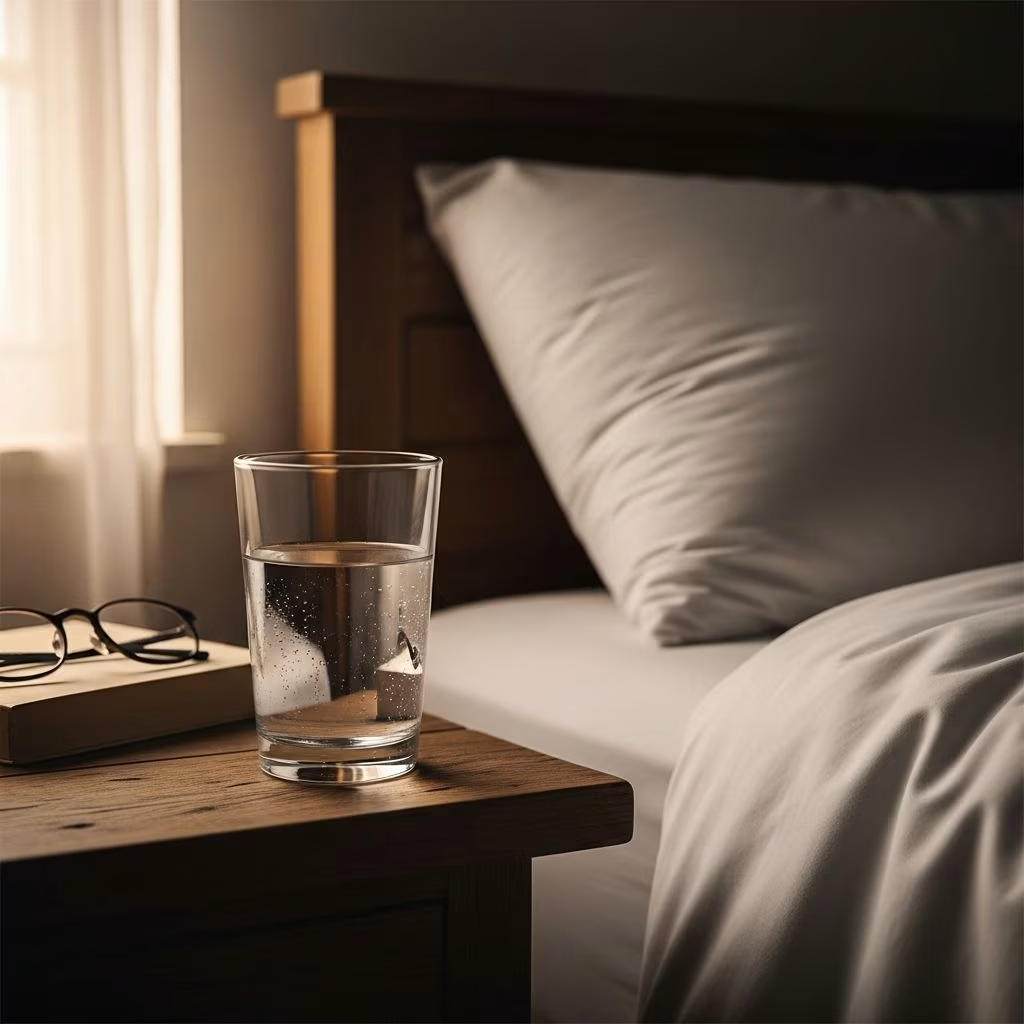
Many people strive to practice good sleep hygiene yet find themselves waking at night for a seemingly simple reason: the urge to urinate. A well-established recommendation for minimizing night waking is to reduce water intake before bed, but what does science say about this habit? Is it truly necessary, or might this practice deprive you of hydration and wellness benefits? This article will explore the relationship between evening water consumption and sleep quality, providing insights into how you can balance both optimal hydration and restful sleep.
Hydration and Sleep: The Connection
Hydration plays a vital role in health and wellbeing, affecting everything from physical energy levels to cognitive function. But drinking water isn’t just about quenching thirst; it also has direct effects on sleep quality:
- Preventing dehydration: Insufficient hydration may result in dry mouth, sore throat, and interrupted sleep cycles.
- Supporting skin and brain health: Maintaining adequate fluid levels can benefit both neurological function and skin appearance, reducing nighttime headaches and dryness.
It’s important to note that your body’s water requirements continue overnight, with losses occurring via breathing, perspiration, and basic metabolism. However, timing and quantity matter when it comes to water intake before sleep.
Why Does Drinking Water Cause Night Waking?
The urge to urinate at night, also known as nocturia, is a common cause of sleep interruption. When you drink water shortly before bedtime, your kidneys continue to process fluids, leading to an increased need to relieve your bladder during the night. This phenomenon has several key causes:
- Nighttime urine production: Normally, the body slows urine output during sleep, facilitating uninterrupted rest. Consuming water late in the evening disrupts this rhythm and increases the likelihood of full bladder signals that wake you up.
- Age-related changes: Older adults are more likely to experience an overactive bladder, and certain medical conditions (such as diabetes, benign prostatic hyperplasia, or cognitive decline) can further increase the frequency of nocturia.
Interrupting sleep repeatedly can result in sleep deprivation and its downstream consequences. But how severe is this disruption, and does it warrant curbing water intake before bed?
Health Risks Associated with Night Waking
Consistently waking up at night can have measurable effects on your health. Scientific studies have linked short sleep duration (less than six hours per night) to significant increases in risks for:
- High blood pressure
- High cholesterol
- Weight gain
- Memory loss
- Heightened risk of stroke and heart attack
- Immune system dysfunction
The physiological stress of interrupted sleep, particularly over extended periods, can impact metabolism, hormone regulation (including melatonin and cortisol), and cardiovascular function. For those with an existing history of chronic disease, minimizing nighttime disruptions becomes even more critical.
Potential Benefits of Drinking Water Before Bed
While it is clear that excessive water intake before bed may disturb sleep, moderate consumption earlier in the evening can have positive effects:
- Mood improvement: Some psychological studies indicate that levels of hydration can impact mood and emotional resilience, with water deprivation contributing to irritability and stress.
- Digestive health: Drinking warm water before bed can promote digestion, facilitate waste elimination, and provide mild detoxification.
- Skin cleansing: Hydration supports skin function indirectly by aiding circulation and cellular repair, leading to reduced acne and improved skin tone.
- Reduced nighttime headaches: Staying hydrated can prevent headaches due to dehydration during sleep.
Additions such as lemon (as a source of vitamin C) or honey may further enhance these benefits, boosting immune function and soothing the throat.
Balancing Hydration and Sleep
To optimize both hydration and sleep quality, experts advise timing your fluid intake thoughtfully. The consensus in current medical literature is as follows:
- Stop or reduce fluid intake one to two hours before bedtime. This window helps minimize nocturnal urine production and bathroom visits, directly reducing night waking.
- Listen to your body’s signals: If you still feel thirst late in the evening, sip only enough water to quell discomfort, not enough to trigger a full bladder in the middle of the night.
- Space your hydration throughout the day. Drinking consistently from morning through early evening lessens the need for heavy evening intake.
| Timing of Water Intake | Risk of Night Waking | Notes |
|---|---|---|
| Within 2 hours before bed | High | Increased likelihood of nocturia and sleep disruption |
| 2–4 hours before bed | Moderate | Some risk if consumed in large amounts |
| Morning to early evening | Low | Optimal hydration with minimal impact on sleep |
Timing Your Evening Water Intake
For those seeking actionable guidelines, most sleep and health specialists recommend:
- Avoid drinking any large quantities of water at least two hours before sleep.
- If experiencing thirst, limit intake to small sips and avoid full glasses.
- Remember that timing is as important as total fluid volume in predicting night waking.
Individual needs will vary based on age, health status, and activity level. Those engaging in high-intensity exercise or living in hot, humid climates may need slightly more evening fluid but should still avoid close-to-bedtime consumption.
What Not to Drink Before Bed
Not all beverages should be consumed before sleeping. Certain drinks are especially problematic:
- Caffeinated beverages (coffee, tea, soft drinks): Stimulants that not only disturb sleep architecture but also increase urine output.
- Alcoholic drinks: Although they may induce initial drowsiness, alcohol disrupts REM sleep and increases nocturia.
- High-sugar drinks: Cause fluctuations in blood sugar that may impact sleep stability and bladder function.
- Large volumes of any liquid: Regardless of the type, large pre-bed drink quantities nearly guarantee night waking.
Special Populations and Considerations
Certain individuals require personalized strategies for managing nighttime hydration:
- Older adults: Aging increases the risk of nocturia and bladder dysfunction. Seniors should be particularly vigilant about evening fluid intake and consult their physician if frequent night waking persists.
- Those with chronic conditions: Diabetes, kidney disease, and prostate issues can amplify the need for nighttime urination and require individualized fluid plans.
- Pregnant women: Hormonal and physical changes heighten bladder sensitivity; managing intake while ensuring overall hydration is crucial.
- Children: Bedwetting (enuresis) is common; adjusting evening fluid intake can help, but avoid dehydration.
Practical Tips for Better Sleep
- Track your fluid intake: Use water bottles or hydration apps to monitor daily consumption.
- Maintain a consistent bedtime routine: Practice calming rituals (reading, meditation, stretching) that encourage natural melatonin production.
- Avoid staying up late: Get adequate sleep to reduce reliance on stimulants or evening fluids.
- Hydrate strategically: Drink more in the morning and early afternoon, tapering off as the day progresses.
- Limit other bladder irritants: Reduce intake of spicy foods, artificial sweeteners, and citrus if you’re prone to nighttime urgency.
Frequently Asked Questions (FAQs)
Q: Should I completely stop drinking water before bed?
No. You should avoid large quantities of water within two hours of bedtime but sip small amounts if truly thirsty.
Q: Is it harmful to drink warm water before bed?
Drinking warm water can have positive effects on mood, digestion, and skin health, but moderate the amount to prevent unwanted urination and sleep interruption.
Q: Does dehydration cause worse sleep quality?
Yes. Nighttime dehydration can contribute to dry mouth, headaches, and restless sleep. Stay hydrated throughout the day, not just before bed.
Q: How can I prevent waking at night if I need evening hydration?
Adjust timing (finish fluids at least two hours before sleep), reduce total quantity, and practice good sleep hygiene.
Q: Are nighttime urination patterns different for older adults?
Yes. Age, health conditions, and certain medications increase risk of nocturia. Seek targeted advice if this is a persistent issue.
Final Thoughts
Stopping large amounts of water intake before bed is a consistently recommended strategy for preventing night waking and optimizing sleep quality. The best approach is balanced: hydrate well earlier in the day, listen to your body’s signals, and moderate all evening consumptions. By applying these principles, both wellbeing and restful sleep can be enhanced without compromising either goal.
References
- https://www.healthline.com/health/drinking-water-before-bed
- https://www.calm.com/blog/drinking-water-before-bed
- https://www.vinmec.com/eng/blog/does-drinking-warm-water-before-going-to-bed-have-any-effect-en
- https://www.sleepfoundation.org/nutrition/drinking-water-before-bed
- https://health.clevelandclinic.org/drink-water-before-bed
- https://www.sleep.ai/blog/water-before-bed/
- https://www.youtube.com/shorts/2UMhgKpueOk


