


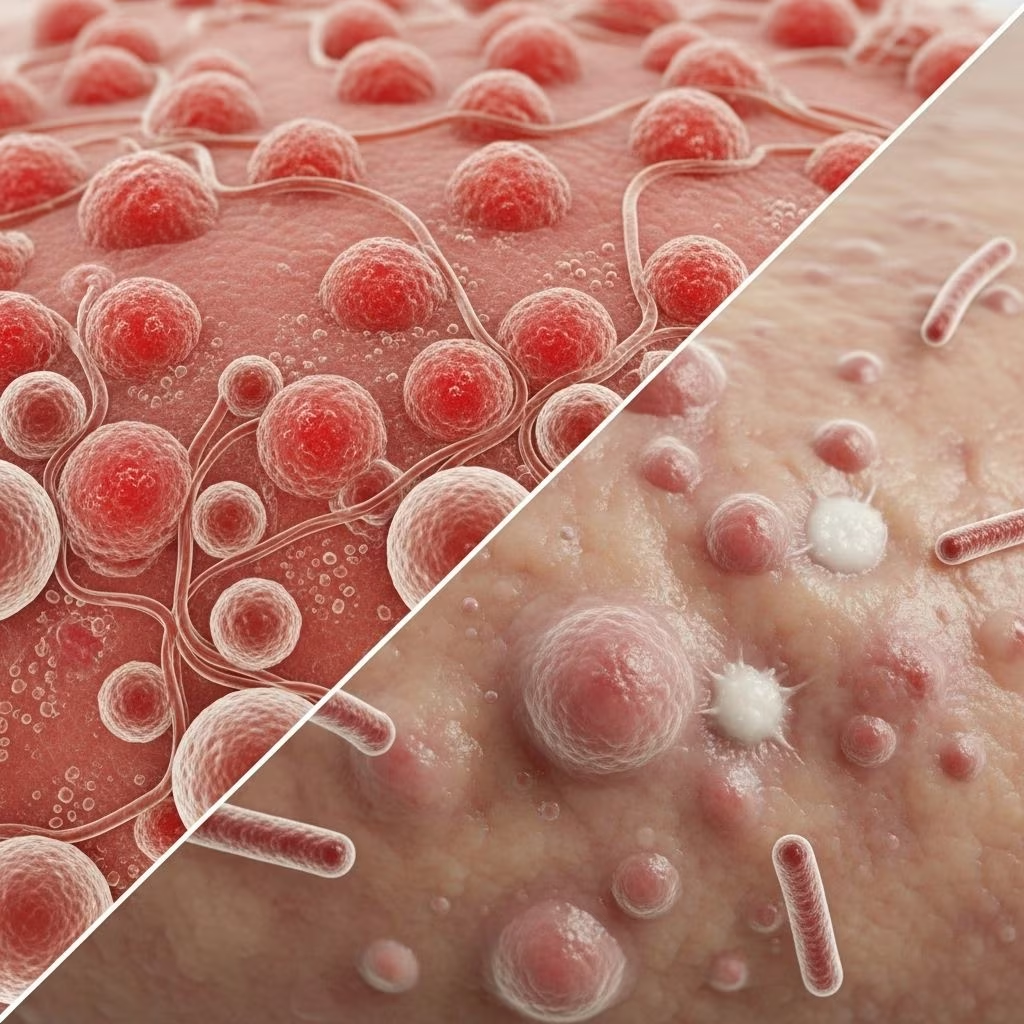
Acne is a common skin concern, yet not all cases stem from the same source. Recent dermatological advances have highlighted the existence of two distinct forms: fungal acne and bacterial acne. Proper diagnosis is essential, as each type requires a different approach for effective treatment. This in-depth guide offers a clear comparison, expert insights on identification, and the best evidence-based therapies for both fungal and bacterial acne.
Understanding Acne: Fungal vs. Bacterial
Bacterial acne (often called acne vulgaris) is the most familiar form, resulting from the growth of bacteria like Cutibacterium acnes within clogged pores. In contrast, fungal acne is not true acne but refers to a condition called Malassezia folliculitis (or Pityrosporum folliculitis), caused by an overgrowth of yeast (not bacteria) in the hair follicles.
Key Differences: Fungal Acne vs. Bacterial Acne
Understanding the core distinctions between these two conditions is critical for both identification and treatment. Below is a comparison table summarizing the essential differences:
| Aspect | Bacterial Acne | Fungal Acne |
|---|---|---|
| Cause | Overgrowth of bacteria (Cutibacterium acnes) in clogged pores | Overgrowth of yeast (Malassezia species) within hair follicles |
| Appearance | Varied: blackheads, whiteheads, pustules, papules, cysts, nodules | Small, uniform red or skin-colored bumps; may be pustular |
| Symptoms | Can be tender, sore, inflamed; rarely itchy | Frequently itchy or sensitive; burning sensations possible |
| Distribution | Mostly face, but can appear on chest and back | Common on forehead, chest, back, shoulders; less common on face |
| Population | Common in teenagers and adults, especially in puberty | Occurs in all ages; more likely with sweating, humidity, or immune compromise |
| Response to Standard Acne Treatments | Improves with typical acne medications (benzoyl peroxide, salicylic acid) | Does not improve, may worsen; requires antifungal therapy |
Visual Identification and Symptoms
Each type of acne has particular patterns and features, but confusion is common. Recognizing the subtle differences can help prevent misdiagnosis.
Bacterial Acne Features
- Mixed lesion types: blackheads, whiteheads, pustules, cysts, and nodules
- Lesions may be red, swollen, inflamed, or tender to the touch
- Commonly distributed across the face (forehead, cheeks), chest, shoulders, and back
- May result in scarring if severe
- Rarely itchy
Fungal Acne Features
- Clusters of small, uniform pimples or pustules, all similar in size
- Frequently intensely itchy or may burn
- No blackheads or whiteheads
- Often appears on the upper chest, back, shoulders, neck, and forehead
- May be mistaken for a persistent acne rash or heat rash
- Clustered in areas with high sweat and moisture accumulation
Key tip: Fungal acne usually appears in clusters and is not relieved by standard acne treatments.
Causes and Risk Factors
The origins of bacterial and fungal acne differ considerably.
Bacterial Acne Causes
- Clogged pores from excess sebum, dead skin cells, and debris
- Overgrowth of Cutibacterium acnes bacteria within follicles
- Hormonal fluctuations (puberty, menstrual cycles, stress)
- Genetic predisposition
- Certain medications (steroids, lithium, some contraceptives)
- Diet high in sugars and dairy (in some cases)
Fungal Acne Causes
- Disruption in the skin’s natural fungal-bacterial balance (skin microbiome)
- Warm, humid environments that favor yeast overgrowth
- Excessive sweating and/or occlusive clothing that traps moisture
- Prolonged use of antibiotics (reduces skin’s bacterial defenses, allowing yeast to proliferate)
- Compromised immune system (HIV, diabetes, autoimmune diseases)
- Use of occlusive skincare or haircare products, especially silicone- or oil-based formulas
- Frequent hair removal or damage to hair follicles
- Diet high in refined carbohydrates (yeast feed on simple sugars)
Diagnosis: How to Tell the Difference
Distinguishing between fungal and bacterial acne requires attention to specific signs, patient history, and — when unclear — diagnostic testing by a dermatologist.
Self-Assessment Questions
- Are the bumps itchy and do they appear in clusters? (Suggests fungal acne)
- Did the breakout occur after antibiotic use or in a hot and humid environment? (Possible fungal acne trigger)
- Are standard acne treatments ineffective? (If so, consider fungal acne)
- Are there a variety of lesions — comedones, cysts, inflamed nodules — or just uniform bumps?
Dermatologist’s Approach: When self-assessment is inconclusive, a skin professional may perform:
- Microscopic evaluation of skin scrapings or pus (to identify yeast)
- Cultures from lesions to confirm Malassezia or Cutibacterium presence
- Sometimes, biopsy in complex cases
Accurate diagnosis ensures targeted treatment — using the wrong therapy can worsen symptoms.
Best Treatments for Fungal Acne
Fungal acne will not respond to antibiotics or typical acne regimens. The most effective strategies focus on antifungal approaches and reducing the factors that contribute to yeast growth.
Pharmacological Treatments
- Topical antifungal creams or shampoos (e.g. ketoconazole 2%, selenium sulfide, ciclopirox)
- Oral antifungal medication (fluconazole or itraconazole), prescribed in stubborn or widespread cases
Lifestyle and Skincare Modifications
- Shower immediately after sweating, workouts, or exposure to high humidity
- Wear loose, breathable clothing — avoid tight, synthetic fabrics
- Switch to non-comedogenic, oil-free, and fragrance-free skincare and hair products
- Avoid re-wearing sweaty or damp clothes
- Consider reducing dietary intake of high glycemic foods and refined sugars
What Not to Do
- Do not use oral antibiotics for fungal acne (can make it worse by disrupting the skin’s flora)
- Avoid oily, rich moisturizers or occlusive sunscreens while treating fungal acne
Note: Persistent, widespread, or recurrent fungal acne should be evaluated by a dermatologist for in-depth management.
Best Treatments for Bacterial Acne
Bacterial acne responds well to a combination of topical and (in select cases) oral medications, as well as consistent skincare. Dermatologic care may include:
Pharmacological Treatments
- Topical retinoids (adapalene, tretinoin) — help prevent clogged pores
- Benzoyl peroxide — reduces bacterial count and inflammation
- Topical antibiotics (clindamycin, erythromycin) — for inflamed, localized breakouts (short-term to reduce resistance risk)
- Oral antibiotics (d doxycycline, minocycline, azithromycin) — reserved for widespread or severe inflammatory acne cases
- Oral isotretinoin — for severe nodulocystic acne unresponsive to other treatments
- Hormonal therapies (birth control pills, spironolactone) — particularly for women with hormonally driven breakouts
Skincare Routine Support
- Gentle cleansing twice daily with a mild, non-stripping cleanser
- Non-comedogenic, oil-free moisturizers
- Regular sunscreen use (oil-free, gel or spray formulas preferred)
- Avoid picking or squeezing lesions to reduce risk of scarring
What Not to Do
- Don’t rely solely on spot treatments for severe or cystic acne
- Avoid harsh scrubbing, which can worsen inflammation and delay healing
Combination therapies are often more effective and minimize bacterial resistance.
Prevention Tips & Lifestyle Adjustments
Proactive habits can help reduce recurrence and severity for both types of acne:
- Shower promptly after sweating
- Choose moisture-wicking, breathable fabrics for clothing and sportswear
- Wash linens, towels, and athletic wear frequently
- Avoid sharing towels or personal care items
- Opt for fragrance-free, non-comedogenic skincare and haircare products
- Minimize high glycemic foods and dairy if these are known triggers
- Manage stress levels, as both acne types can flare during stress
- Avoid unnecessary use of antibiotics
Awareness, effective skincare, and prompt intervention are pivotal for healthy skin.
Frequently Asked Questions (FAQs)
< h3 class="llist">Q: Can I have both fungal and bacterial acne at the same time?
A: Yes, it is possible for both types of acne to coexist, especially in humid climates or among individuals using antibiotics. Diagnosis by a dermatologist is recommended for persistent, unusual, or treatment-resistant acne.
Q: How long does it take for fungal acne to clear with treatment?
A: Fungal acne often responds within 1–3 weeks with appropriate topical or oral antifungals, but persistence with therapy and avoiding triggers is essential.
Q: What ingredients should I avoid if I have fungal acne?
A: Steer clear of heavy oils (like coconut oil), silicones, fatty acids, and occlusive ointments, as these can worsen fungal growth.
Q: Are over-the-counter dandruff shampoos effective for fungal acne?
A: Yes. Shampoos with ketoconazole, selenium sulfide, or zinc pyrithione can be used as body washes to reduce yeast on the skin, especially in mild cases.
Q: When should I see a dermatologist?
A: Seek professional evaluation if acne is severe, unresponsive to over-the-counter treatments, accompanied by significant discomfort, or if the diagnosis is uncertain.
References
- Lucid Dermatology. Fungal Acne vs. Bacterial Acne: Key Differences and Treatment.
- Latrina Walden Exam Solutions. Bacterial Acne vs Fungal Acne.
- Aurora Health Care. Fungal Acne Symptoms & Treatment.
- Healthline. What Is Fungal Acne? Symptoms, Treatment, Vs. Acne.
- Cleveland Clinic. Fungal acne: Malassezia Folliculitis.
- Westchester Cosmetic Dermatology. Fungal vs. Bacterial Acne.
References
- https://luciddermatology.com/fungal-acne-and-bacterial-acne/
- https://shop.latrinawaldenexamsolutions.com/blogs/fnp-guides/bacterial-acne-vs-fungal-acne
- https://www.aurorahealthcare.org/services/dermatology/acne/fungal-acne
- https://www.healthline.com/health/all-about-fungal-acne
- https://edermgroup.com/dermatology-blog/fungal-acne-vs-hormonal-acne-understanding-the-difference-and-treatment-options
- https://my.clevelandclinic.org/health/diseases/24341-fungal-acne
- https://www.westchestercosmeticdermatology.com/blog/fungal-acne-vs-bacterial-acne-whats-the-difference/
- https://www.youtube.com/watch?v=YEHDt2VCWxU


