


Diet for Clear Skin: Foods to Fight Acne and What to Avoid
The connection between diet and skin health is increasingly recognized, with many foods playing a significant role in reducing acne and promoting clear skin. A well-planned diet can be a powerful tool in managing acne, as certain nutrients support skin health while others exacerbate breakouts. Here, we explore the foods that help combat acne and those you should avoid.
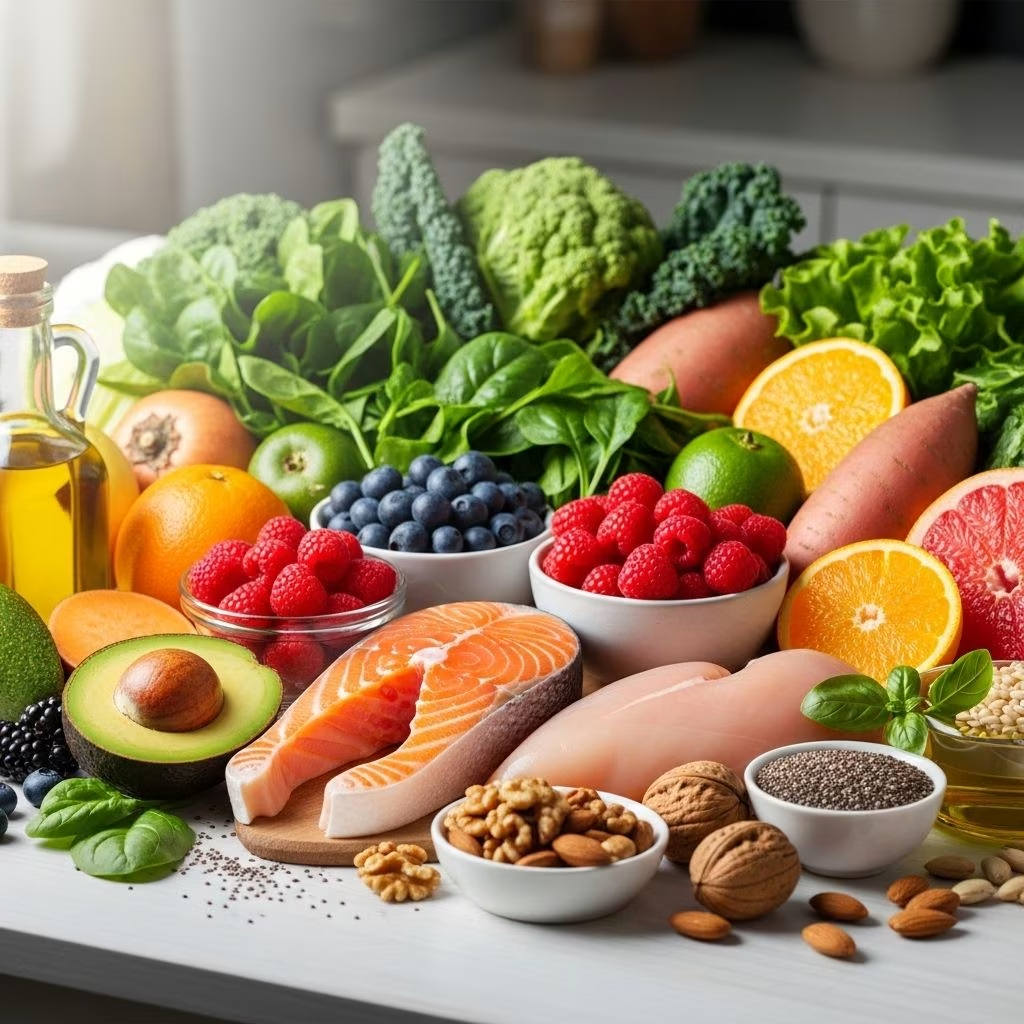
## Foods That Help Fight AcneFoods rich in vitamins A, C, E, zinc, omega-3 fatty acids, and probiotics are beneficial for skin health. These nutrients help reduce inflammation, fight oxidative stress, and maintain a healthy skin barrier.###
1. Foods High in Vitamin A
– Sweet Potatoes: Rich in beta-carotene, which converts into vitamin A in the body, essential for preventing inflammation and discoloration.- Carrots and Bell Peppers: Similar to sweet potatoes, these contain beta-carotene, promoting healthy skin and a natural sunblock effect. ###
2. Antioxidant-Rich Foods
– Leafy Greens (Spinach, Kale): Packed with vitamins A, C, and antioxidants that boost collagen production and reduce inflammation.- Berries and Other Fruits: High in antioxidants like vitamin C and E, which protect the skin from damage and support overall health.###
3. Omega-3 Fatty Acid Sources
– Fatty Fish (Salmon, Mackerel): These fish are rich in omega-3s, which reduce inflammation and promote healthy skin balance.- Nuts and Seeds (Walnuts, Chia Seeds): Another source of omega-3s that support skin health.###
4. Probiotic Foods
– Yogurt, Kefir, and Kimchi: Probiotics help maintain gut health, which is linked to clearer skin by managing inflammation.###
5. Zinc-Rich Foods
– Pumpkin Seeds, Lentils, Lean Meats: Zinc supports skin healing and reduces inflammation, which can help in acne management.## Foods and Beverages to AvoidSome foods and beverages are known to trigger or worsen acne. These include:- Dairy Products: Milk, cheese, and yogurt can increase hormone levels, potentially leading to more acne.- High Glycemic Index Foods: Foods like white bread, sugary snacks, and processed foods cause insulin spikes, which may exacerbate acne.- Highly Processed Foods: Fast food and other processed items can lead to inflammation and worsen acne symptoms.## Low Glycemic Diet for AcneA low-glycemic diet focuses on whole, nutrient-dense foods like whole grains, fruits, and vegetables. These foods help stabilize blood sugar levels, reducing the risk of acne outbreaks.### Benefits of a Low Glycemic Diet- Stable Blood Sugar Levels: Minimizes the spikes that can lead to inflammation and acne.- Fiber Content: Helps manage digestion and reduce insulin resistance.### Foods to Include in a Low Glycemic Diet- Whole Grains (Brown Rice, Quinoa): Rich in fiber and complex carbohydrates.- Legumes (Lentils, Chickpeas): Low in sugar and high in fiber and protein.- Fruits and Vegetables: Most are naturally low on the glycemic index and rich in antioxidants.## FAQs
Frequently Asked Questions
Q: Can diet alone cure acne?
A: While diet plays a significant role in managing acne, it is often used in conjunction with other treatments. A balanced diet can help reduce acne but may not completely eliminate it.
Q: How long does it take to see skin improvements from dietary changes?
A: Results can vary, but noticeable improvements in skin health from dietary adjustments can start appearing within a few weeks to a couple of months.
Q: What are some common foods that trigger acne?
A: Common acne triggers include dairy products, high glycemic index foods like white bread and sugary snacks, and highly processed foods.
In conclusion, a clear and healthy complexion is achievable through dietary adjustments. By incorporating foods rich in vitamins, omega-3s, and probiotics while avoiding dairy and processed foods, individuals can significantly improve their skin health and reduce acne.
References
- https://www.vinmec.com/eng/blog/10-anti-acne-foods-that-help-build-skins-protective-layer-en
- https://www.sinyderm.com/blog/the-diet-skin-connection-foods-that-help-and-hurt-acne
- https://www.healthline.com/health/anti-acne-diet
- https://www.healthline.com/nutrition/hormonal-acne-diet
- https://dermatologyassociatesmt.com/the-link-between-diet-and-skin-health-what-to-eat-for-a-clearer-complexion/
- https://www.webmd.com/skin-problems-and-treatments/acne/ss/slideshow-acne-best-worst-foods
- https://www.aad.org/public/diseases/acne-and-rosacea/can-the-right-diet-get-rid-of-acne
- https://www.divinederm.com/blog/best-worst-foods-for-acne/
- https://charlestondermatology.com/smart-snacks-best-and-worst-foods-for-acne-prone-skin/


